


Article details
Commercial HVAC systems are designed to regulate temperature, humidity, and air quality in large buildings such as offices, hospitals, schools, and retail facilities. Choosing the right system is essential for occupant comfort, energy efficiency, and long-term operating costs.
Below are four of the most common types of commercial HVAC systems, along with their advantages and limitations.
1. Split HVAC Systems
Split systems are one of the most widely used HVAC solutions in commercial buildings. These systems consist of both indoor and outdoor components, typically including an air handler and furnace indoors, and a condenser or heat pump outdoors.
Split systems are often used in buildings that have sufficient indoor space for equipment installation and where zoning flexibility is needed.
Pros
- Relatively affordable upfront cost
- Reliable and well-understood technology
- Good zoning and temperature control
Cons
- Requires indoor space for equipment
- Less energy efficient than some modern alternatives
2. Hybrid Heat Pump Systems
Hybrid heat pump systems combine a traditional furnace with an electric heat pump. The system automatically switches between fuel sources based on outdoor temperatures and energy efficiency.
This type of system is ideal for facilities looking to balance performance with energy savings.
Pros
- Improved energy efficiency
- Lower operating costs in mild climates
- Environmentally friendly compared to fossil-fuel-only systems
Cons
- Higher upfront installation cost
- More complex controls and maintenance
3. Duct-Free (Mini-Split) Systems
Duct-free systems deliver conditioned air directly to individual zones without the need for ductwork. Each zone has its own indoor unit connected to an outdoor condenser.
These systems are especially useful for retrofits, additions, or buildings with varying occupancy needs.
Pros
- Highly energy efficient
- Easy installation with minimal structural disruption
- Excellent zoning control
Cons
- Higher cost per zone
- Indoor units may impact interior aesthetics
4. Packaged HVAC Systems
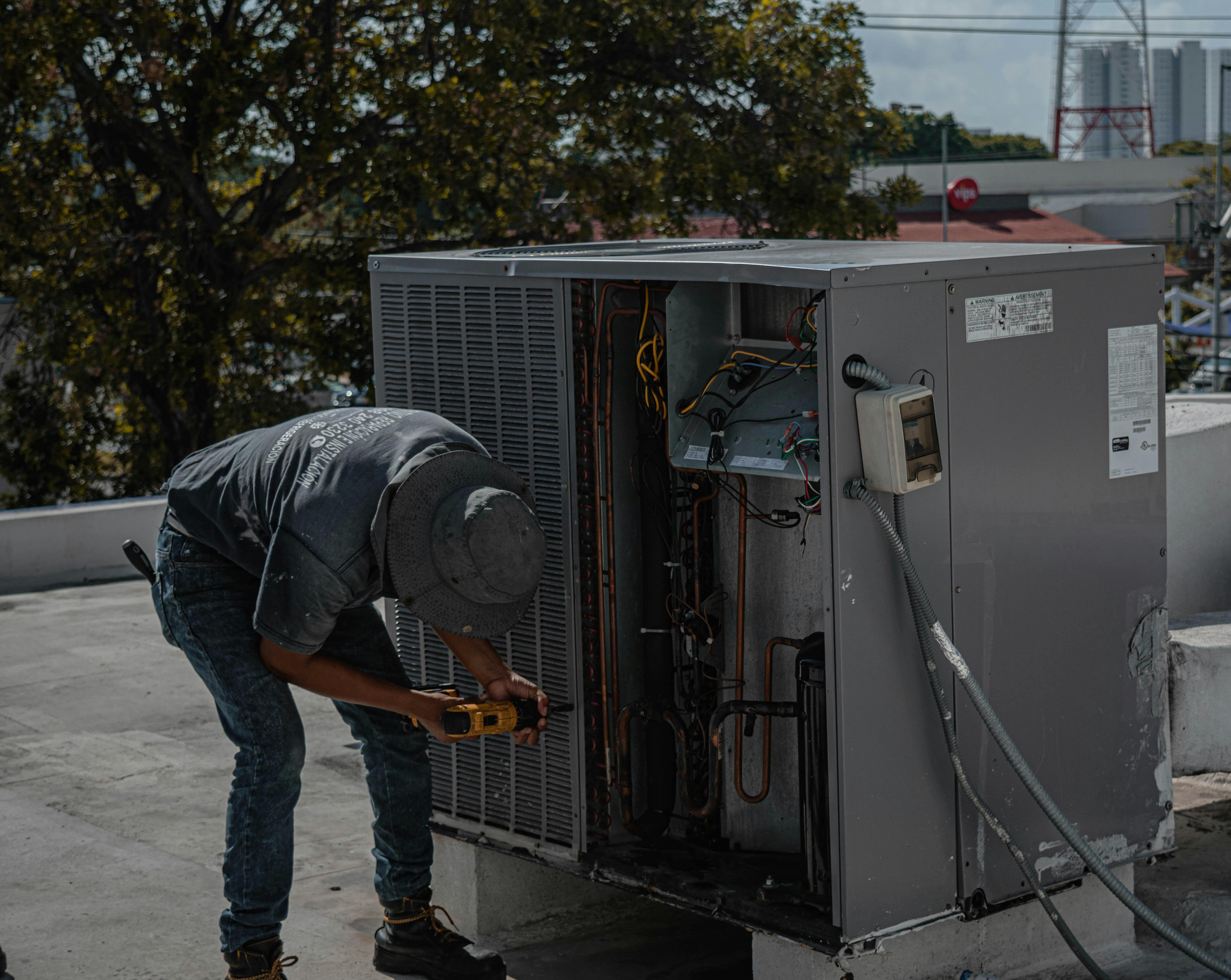
Packaged systems contain all heating and cooling components in a single outdoor unit, typically installed on the roof or adjacent to the building. Conditioned air is distributed through ductwork.
These systems are common in retail stores, warehouses, and smaller commercial buildings.
Pros
- Compact and space-saving design
- Simplified installation and maintenance
- Cost-effective for smaller facilities
Cons
- Less flexible zoning
- Exposure to outdoor conditions may reduce lifespan
Choosing the Right Commercial HVAC System
Selecting the right HVAC system depends on several factors, including building size, layout, climate, energy goals, and budget. Working with an experienced mechanical engineering firm can help ensure your system is properly designed for performance, efficiency, and long-term reliability.


 Aug 29, 2026

