


Article details
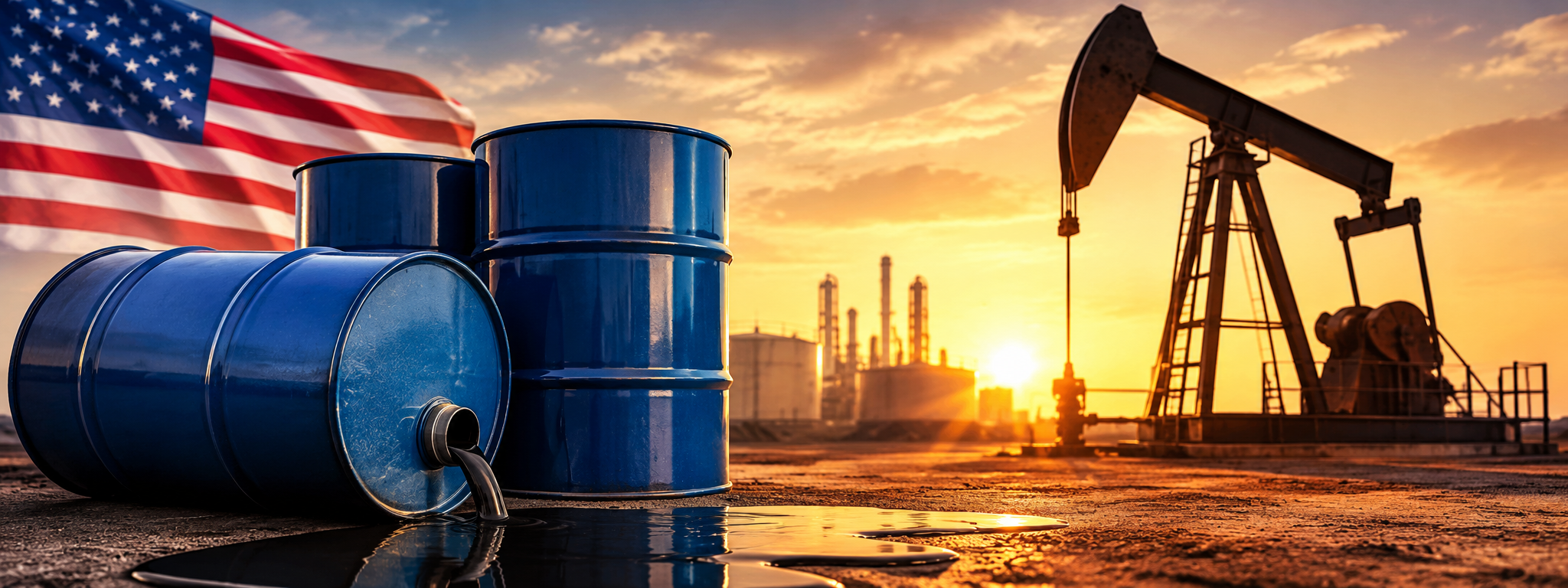
The Barrel is unit is used in North America for crude oil or other petroleum products. It is used to quantify the production rates from an oil well or water production from a “watered-out well” in barrels per day (bpd). The measurement originated in the early Pennsylvania oil fields. In the early 1860s, when oil production began, there was no standard container for oil, so oil and petroleum products were stored and transported in barrels of all different shapes and sizes (barrels for beer, fish, molasses, turpentine, etc.). Both the 42-U.S.-gallon barrels (based on the old English wine measure, the tierce) and the 40-U.S.-gallon whiskey barrels were used. The 40-gallon barrel was the most common size early on, but companies often under-filled them.
However, the Standard Oil Company shipped its oil in barrels that always contained exactly 42 U.S. gallons. Customers began to refuse to accept anything less and by 1866 the oil barrel was standardized at 42 U.S. gallons (see * below). This was 2 gallons per barrel more than the 40-gallon standard used by many other industries at the time. The extra 2 gallons was to allow for evaporation and leaking during transport (most barrels were made of wood).
The Standard Oil monopoly was broken up into 34 different companies in 1911. Oil has not been shipped in barrels for a very long time but the "blue barrel" is still the standard unit for measurement and pricing of oil in the U.S. today.