


Article details
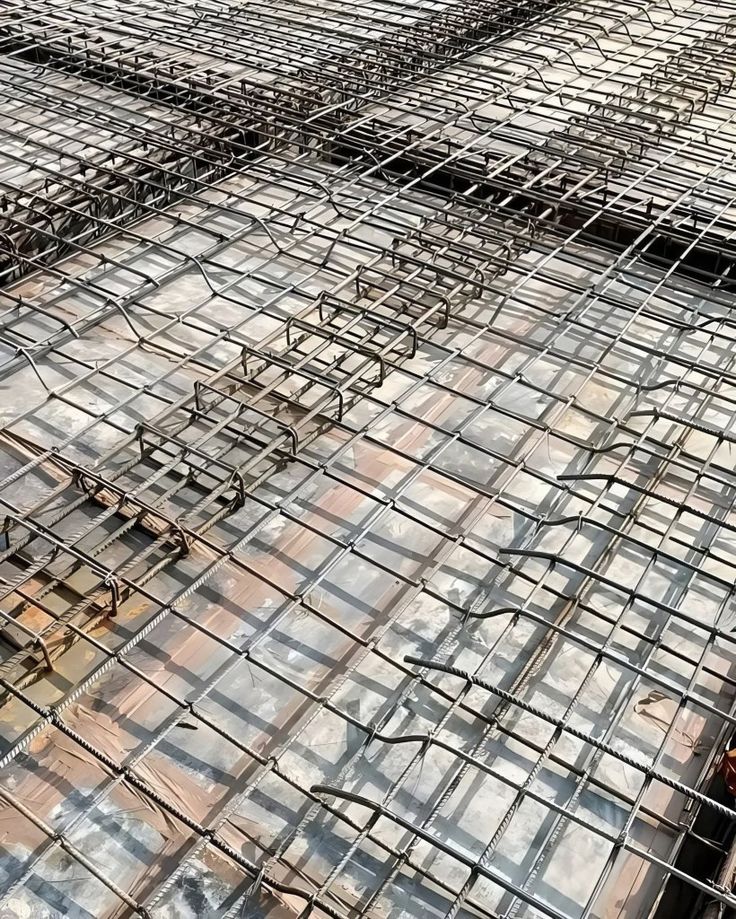
In reinforced concrete (RC) construction, steel rebar is the structural backbone that provides tensile strength to slabs, beams, columns, and foundations. However, steel is also one of the most expensive and volatile material expenses on a project.
Preparing a Bar Bending Schedule (BBS) is the process of translating structural drawings into detailed cutting, bending, and placement instructions for rebar. Historically a manual, error-prone spreadsheet task, automated BBS generation is transforming how structural engineers and quantity surveyors manage steel fabrication, drastically cutting material waste.
1. The High Cost of Manual BBS and Rebar Wastage
On a typical construction site, rebar wastage occurs for several reasons:
Human Calculation Errors: Misinterpreting hook lengths, lap splices, or bend deductions during manual take-offs.
Suboptimal Cutting Sequences: Fabrication yards cutting standard mill lengths ($12\text{ m}$) without considering multi-bar optimization, resulting in unusable short ends.
Design Revisions: Late structural changes failing to propagate through manual BBS lists, leading to fabricated steel being discarded on site.
Standard construction specifications budget for a nominal $3\%$ to $5\%$ waste factor, but poor cutting management can easily push wastage past $10\%$, representing a massive financial loss and an unnecessary carbon footprint.
2. How Automated BBS Generation Works
Automated BBS systems integrate directly with structural CAD, detailing, and 3D BIM software (such as Revit, Tekla Structures, or specialized rebar detailing suites). The automation workflow operates across three main stages:
Parametric Object Recognition: When structural elements are detailed in 3D, rebar elements are modeled as intelligent parameters detailing diameter, grade, shape code (e.g., standard shapes per BS 8666 or SP 34), dimensions, and quantity.
Automated Rule Validation: The software automatically applies regional code requirements for anchorage lengths, development lengths, hook extensions, and lap splices based on concrete grade and bar diameter.
Dynamic Schedule Compilation: The software instantly compiles a comprehensive BBS table, generating total weights, cutting lengths, and bending shape codes without manual data entry.
3. Solving the "Cutting Stock Problem" (CSP)
The true power of automated BBS lies not just in listing bar dimensions, but in cutting optimization.
Standard mill lengths of rebar are typically manufactured in fixed lengths (e.g., $12\text{ m}$ or $14\text{ m}$). Automated BBS software uses advanced Cutting Stock Algorithms to solve combinatorial optimization problems:
It analyzes the demand list for all bar lengths of a specific diameter across the entire project.
It simulates the optimal combination of cuts from standard $12\text{ m}$ stock bars to minimize leftover scrap pieces (offcuts).
It groups bending schedules to ensure that short offcuts can be repurposed for smaller structural elements like stirrups, links, or chair supports whenever metallurgical specifications allow.
4. Manual vs. Automated BBS Workflows
Parameter | Manual BBS Management | Automated BBS Optimization |
Primary Tool | Excel spreadsheets & 2D markups | BIM plugins & optimization algorithms |
Average Rebar Waste | $6\% \text{ to } 10\%$ | $2\% \text{ to } 4\%$ |
Fabrication Efficiency | Standardized batch cuts | Tailored nesting sheets for cutting yards |
5. Best Practices for Implementing Automated BBS
To maximize the material savings offered by automated BBS generation, project teams should adhere to several operational guidelines:
Standardize Design Details: Work with structural engineers to coordinate standard lap lengths and spacing early in the design phase to simplify nesting algorithms.
Integrate with Off-Site Fabrication: Feed automated BBS data directly into CNC rebar-bending machines and automated shearing lines to ensure precision between digital layout and physical fabrication.
Perform Pre-Pour Audits: Use the automated software's weight and length summaries to cross-check structural engineering estimates against supplier delivery dockets, preventing site discrepancies.
Conclusion
Automated Bar Bending Schedule generation is much more than a digital drafting upgrade—it is a critical cost-control and sustainability tool in civil engineering. By replacing manual guesswork with algorithmic cutting-stock optimization, automated BBS minimizes material waste, lowers procurement costs, and ensures that structural steel is fabricated with absolute precision.
