


Article details
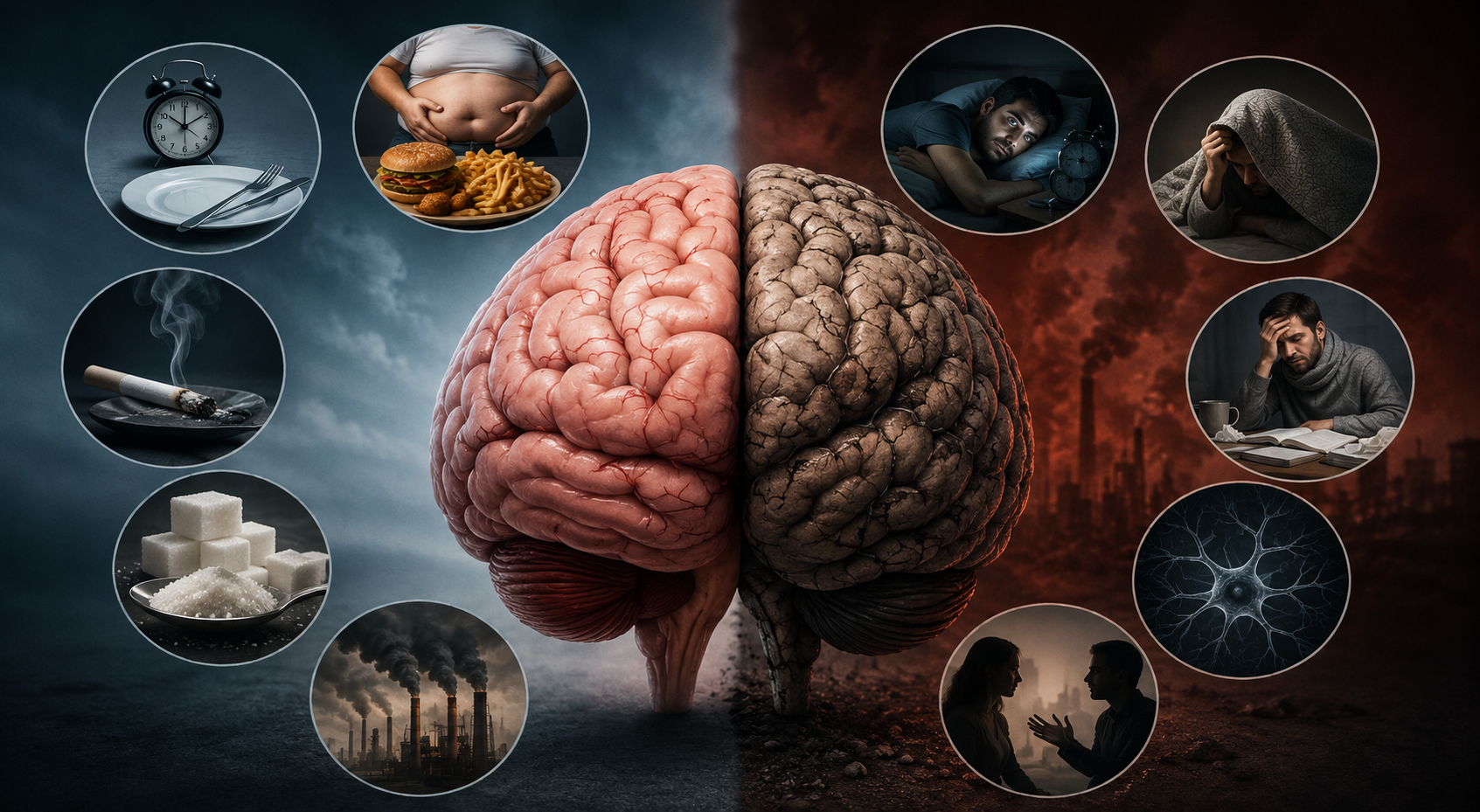
1. No Breakfast
People who do not take breakfast may have lower blood sugar levels. This can lead to an insufficient supply of nutrients to the brain, potentially affecting brain function.
2. Overeating
Overeating may contribute to hardening of the brain arteries, which can lead to a decrease in mental power.
3. Smoking
Smoking can cause brain shrinkage and may increase the risk of Alzheimer’s disease.
4. High Sugar Consumption
Too much sugar can interfere with the absorption of proteins and nutrients, causing malnutrition and potentially affecting brain development.
5. Air Pollution
The brain is one of the largest consumers of oxygen in our body. Inhaling polluted air can decrease the supply of oxygen to the brain, potentially reducing brain efficiency.
6. Sleep Deprivation
Sleep allows our brain to rest and recover. Long-term sleep deprivation may accelerate the loss of brain cells and negatively affect brain function.
7. Head Covered While Sleeping
Sleeping with the head covered can increase the concentration of carbon dioxide and decrease the concentration of oxygen, which may have negative effects on the brain.
8. Working Your Brain During Illness
Working hard or studying while sick may reduce the effectiveness of the brain and make it more difficult to concentrate and perform effectively.
9. Lacking Stimulating Thoughts
Thinking is one of the best ways to exercise the brain. A lack of mental stimulation may negatively affect cognitive function.
10. Talking Rarely
Intellectual conversations and regular social interaction can help stimulate the brain and promote mental efficiency.