


Article details
The short answer is both. Carbon-based nanomaterials (CNMs)—which include carbon nanotubes (CNTs), graphene, graphene oxide (GO), and carbon dots (CDs)—exhibit a classic scientific phenomenon known as hormesis.
In plain terms: at low, optimized doses, they act as miracle workers; at high doses, they can become toxic.
"Nano-enabled agriculture" is one of the most heavily researched frontiers for global food security, but it is a double-edged sword. Here is the breakdown of why they are considered "good" (the massive benefits) and why they are feared as "bad" (the ecological and biological risks).
The Good: Why They Are Reforming Agriculture
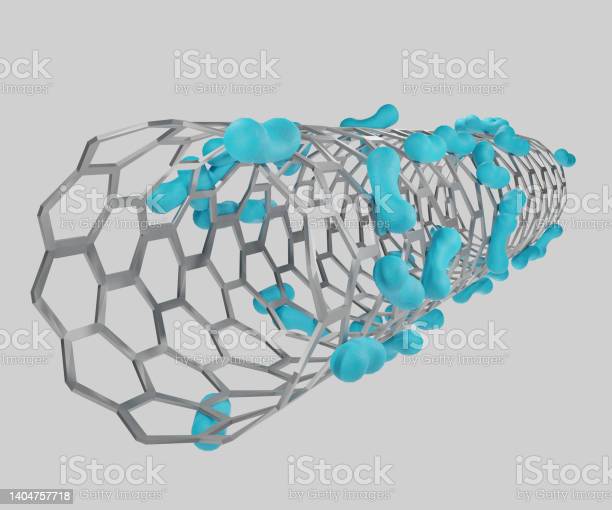
CNMs possess unique properties—high surface area, incredible strength, electrical conductivity, and the ability to penetrate plant cell walls—that make them game-changers for precision farming.
1. Smart Delivery Systems (Nano-Fertilizers & Pesticides)
Traditional farming is highly inefficient; over 50–70% of conventional fertilizers leach into groundwater or evaporate into the air.
The Nano Solution: CNMs act as microscopic transport vehicles. Scientists bind nutrients or pesticides to graphene oxide or carbon nanotubes. These materials release their cargo incredibly slowly and precisely in response to environmental triggers (like soil pH or temperature), radically minimizing chemical waste and environmental runoff.
2. Supercharging Plant Growth & Photosynthesis
At low concentrations, certain CNMs act as powerful bio-stimulants.
Water and Nutrient Absorption: Carbon nanotubes can physically pierce thick seed coats and activate aquaporins (the water channels in plant cells), dramatically accelerating germination and root development.
Light Flipping: Carbon dots (CDs) can actually act as microscopic light converters. They can capture unusable ultraviolet (UV) light and re-emit it as blue or red light, which chloroplasts can readily absorb—boosting photosynthetic efficiency by up to 25% in some leafy crops.
3. Stress Tolerance and Real-Time Sensors
Climate Resilience: Optimized doses of CNMs trigger a mild defense response in plants, upregulating their natural antioxidant systems. This prepares the plant to fight off harsh environmental stresses like drought, high soil salinity, or heavy metal toxicity.
Nanosensors: CNM-based sensors embedded in fields can detect real-time biological distress signals (like hydrogen peroxide production) or soil nutrient depletion, broadcasting data to farmers long before physical signs of crop wilting appear.
The Bad: The Toxicological and Ecological Risks
The exact same traits that make CNMs highly effective—their minuscule size, high reactivity, and ability to easily cross biological barriers—also introduce critical environmental hazards when they pass a specific threshold.
1. The Suprathreshold Danger (Phytotoxicity)
When the concentration of CNMs in the soil exceeds a safe threshold, the biological benefits flip into severe damage.
Oxidative Stress: High doses trigger an overproduction of Reactive Oxygen Species (ROS), overwhelming the plant's defenses. This results in severe cellular damage, the destruction of chloroplasts, inhibited photosynthesis, and DNA mutations.
Physical Blockages: Excess nanomaterials can physically coat root systems, blocking the uptake of actual water and essential nutrients, effectively starving the plant.
2. Environmental Persistence and Biomagnification
Long-Term Soil and Water Pollution: CNMs are structurally incredibly stable. Modeling data shows that once multi-walled carbon nanotubes or graphene enter aquatic and soil ecosystems via agricultural runoff, they can take decades to degrade.
Bioaccumulation: Because they accumulate in plant tissues, there is a looming threat of trophic transfer. If insects or livestock eat these nano-treated plants, the nanomaterials could potentially move up the food chain, raising unaddressed questions about human dietary safety.
3. Destruction of Soil Biota
Unregulated concentrations of hydrophobic carbon nanotubes can kill beneficial soil microbes and fungi (like mycorrhizae) that plants inherently rely on to naturally fix nitrogen and process organic matter.
Summary Comparison
The Good (Low Doses) | The Bad (High Doses) |
Accelerates seed germination & root growth | Causes oxidative stress and DNA damage |
Cuts down chemical usage via targeted delivery | Destroys beneficial soil microbes |
Boosts photosynthesis by converting UV light | Physically blocks root water absorption |
Improves plant drought & salinity resistance | Persists for decades in aquatic/soil ecosystems |
The Verdict
Carbon-based nanomaterials are fundamentally neither good nor bad; they are powerful tools awaiting strict regulation. The transition from controlled laboratory success to open-field farming remains highly volatile because soil types, plant species, and weather conditions completely change how nanoparticles behave. Before CNMs can responsibly achieve mainstream commercial use, the agricultural sector must develop precise standardized dosage guidelines and green synthesis methods to ensure these materials break down safely without leaving a permanent footprint in the food supply.


 Oct 2, 2026
