

Article details
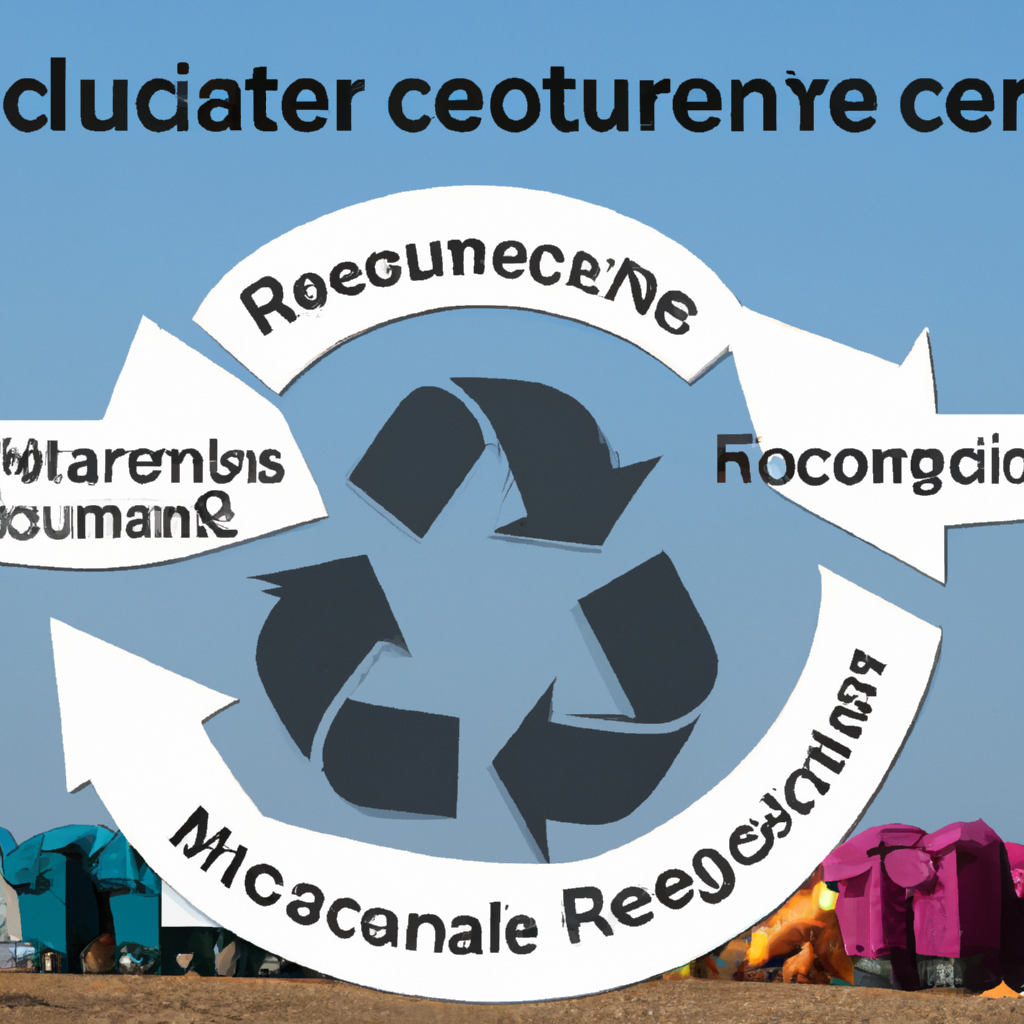
In recent years, the concept of a circular economy has gained significant traction as a sustainable alternative to traditional linear models of production and consumption. At its core, the circular economy seeks to minimize waste and maximize resource efficiency by keeping materials and products in use for as long as possible, through strategies such as recycling, remanufacturing, and resource recovery. In the realm of waste management, circular economy approaches offer innovative solutions for reducing environmental impact, conserving resources, and creating economic value from waste materials. In this article, we delve into the principles of circular economy and explore how recycling and resource recovery play pivotal roles in waste management.
Understanding Circular Economy:
The concept of a circular economy is based on the principles of designing out waste and pollution, keeping products and materials in use, and regenerating natural systems. Unlike the traditional linear economy, which follows a "take-make-dispose" model of production and consumption, the circular economy aims to close the loop by promoting resource efficiency, reuse, and recycling throughout the product lifecycle. By embracing circular economy principles, businesses and communities can minimize environmental impact, reduce dependence on finite resources, and foster innovation and economic growth.
Recycling: Closing the Loop on Materials:
Recycling is a cornerstone of the circular economy, enabling the recovery and reuse of valuable materials from waste streams to create new products and reduce the need for virgin resources. Commonly recycled materials include paper, cardboard, plastics, glass, metals, and organic waste, which can be processed and transformed into secondary raw materials through various recycling technologies and processes. From curbside recycling programs to industrial recycling facilities, recycling plays a crucial role in diverting waste from landfills, conserving natural resources, and reducing energy consumption and greenhouse gas emissions.
Resource Recovery: Extracting Value from Waste:
Resource recovery encompasses a range of technologies and processes aimed at extracting valuable resources and energy from waste materials that would otherwise be discarded. These include composting organic waste to produce nutrient-rich soil amendments, recovering metals and other valuable materials from electronic waste (e-waste) through dismantling and recycling, and converting organic waste and biomass into renewable energy through anaerobic digestion, gasification, or incineration with energy recovery. Resource recovery technologies not only help divert waste from landfills but also generate economic value and contribute to the transition to a more sustainable and resource-efficient economy.
Innovations in Waste Management:
1. Advanced Sorting and Recycling Technologies:
Advancements in sorting and recycling technologies, such as automated sorting systems, optical scanners, and artificial intelligence (AI) algorithms, enable more efficient and accurate separation of recyclable materials from mixed waste streams. These technologies improve recycling rates, reduce contamination, and increase the quality and value of recycled materials, making recycling more economically viable and environmentally sustainable.
2. Closed-Loop Supply Chains:
Closed-loop supply chains integrate recycling and remanufacturing processes into product design and manufacturing, enabling companies to recover and reuse materials and components from end-of-life products. By incorporating recycled content and designing products for disassembly and recycling, companies can minimize waste, reduce environmental impact, and create value from recycled materials, while also enhancing brand reputation and customer loyalty.
3. Waste-to-Energy and Biogas Generation:
Waste-to-energy (WtE) and biogas generation technologies convert organic waste and biomass into renewable energy sources such as electricity, heat, and biogas through anaerobic digestion, gasification, or thermal treatment processes. These technologies help reduce landfilling of organic waste, mitigate methane emissions, and diversify energy sources, contributing to climate change mitigation and renewable energy goals.
Challenges and Opportunities:
While circular economy approaches offer promising solutions for waste management, several challenges and opportunities must be addressed to realize their full potential. These include improving waste collection and separation infrastructure, increasing public awareness and participation in recycling programs, incentivizing businesses to adopt circular business models, and investing in research and innovation to develop advanced recycling and resource recovery technologies. By overcoming these challenges and seizing opportunities for collaboration and partnership, we can accelerate the transition to a circular economy and create a more sustainable and resilient future for generations to come.
Conclusion:
Circular economy approaches offer transformative solutions for waste management by promoting resource efficiency, recycling, and resource recovery throughout the product lifecycle. By embracing recycling and resource recovery technologies, businesses, communities, and governments can reduce waste, conserve resources, and create economic value from waste materials. With a concerted commitment to circular economy principles and collaborative action, we can build a more sustainable and prosperous future for people and the planet, where waste is minimized, resources are conserved, and environmental impact is mitigated.


 Aug 29, 2026