

Article details
Introduction to Fluid Catalytic Cracking
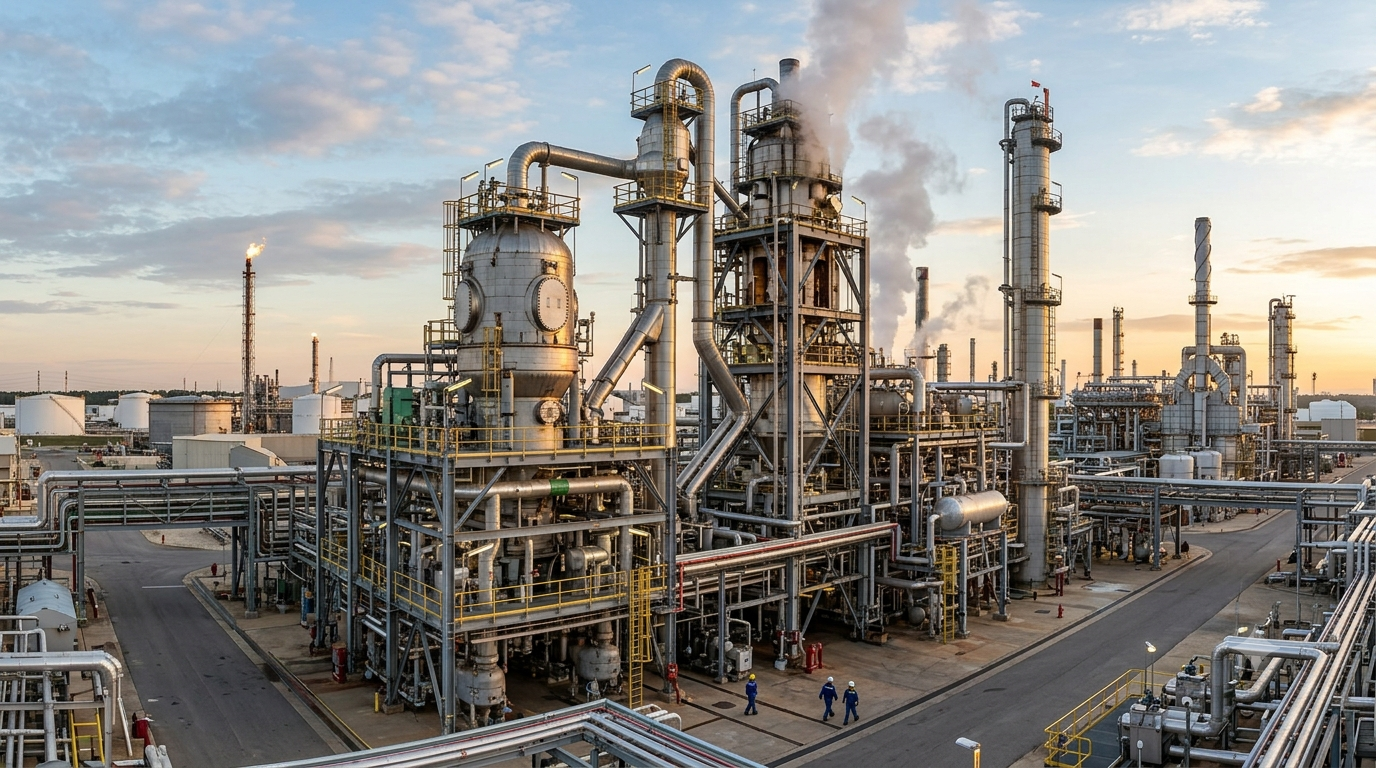
Fluid Catalytic Cracking (FCC) is one of the most important conversion processes used in petroleum refineries. It converts heavy hydrocarbon fractions from crude oil into lighter, more valuable products such as gasoline, liquefied petroleum gas (LPG), and light olefins. These products are essential for transportation fuels, petrochemical manufacturing, and other industrial applications.
A Fluid Catalytic Cracking Unit (FCCU) uses a fine powdered catalyst to break large hydrocarbon molecules into smaller ones. The process operates at high temperatures and uses continuous catalyst circulation to maintain efficient conversion.
FCCU performance directly affects refinery profitability, product quality, energy consumption, and overall operating efficiency. Therefore, understanding its working principle, major equipment, operational challenges, and maintenance requirements is essential for petroleum engineers, process engineers, and refinery maintenance professionals.
What Is a Fluid Catalytic Cracking Unit?
A Fluid Catalytic Cracking Unit is a refinery processing system designed to convert heavy gas oils and other suitable hydrocarbon feedstocks into lighter products through catalytic cracking.
Unlike thermal cracking, which primarily relies on heat, FCC uses a catalyst to promote chemical reactions and improve the production of desirable hydrocarbons.
The catalyst consists of fine particles, commonly containing zeolite-based materials, that behave like a fluid when suspended in rising gas or vapour. This fluid-like behaviour enables rapid contact between the feedstock and catalyst.
FCCUs are widely used in modern refineries because they help increase the yield of valuable fuels from heavier petroleum fractions that would otherwise have lower commercial value.
How Does the FCCU Process Work?
The FCC process involves several interconnected stages that operate continuously.
1. Feedstock Preparation and Heating
The process begins with a suitable heavy hydrocarbon feedstock, commonly vacuum gas oil. Depending on the refinery configuration, other streams may also be processed.
The feed is preheated to improve energy efficiency before entering the reactor system. Proper feed preparation helps maintain stable operating conditions and supports effective contact between the hydrocarbons and catalyst.
Feed quality, temperature, and composition influence conversion levels, product distribution, and coke formation.
2. Catalytic Cracking in the Riser Reactor
The preheated feed enters a riser, where it comes into contact with hot regenerated catalyst flowing from the regenerator.
The heat carried by the catalyst vaporises the feed and provides the energy needed for cracking reactions. Large hydrocarbon molecules break into smaller molecules as the mixture moves through the riser.
The cracking reaction occurs rapidly, so controlling the temperature, catalyst-to-oil ratio, and residence time is essential. Poor control can lead to excessive gas production, reduced gasoline yield, or unwanted coke formation.
3. Separation of Catalyst and Hydrocarbon Vapours
At the reactor outlet, the cracked hydrocarbon vapours must be separated from the catalyst particles.
Cyclones are commonly used to recover catalyst from the vapour stream. This prevents excessive catalyst carryover into downstream equipment and reduces the risk of erosion, fouling, and product contamination.
The separated hydrocarbon vapours proceed to the fractionation section, while the catalyst containing deposited coke moves towards the stripping section.
4. Catalyst Stripping
During cracking, some hydrocarbon vapours remain attached to or trapped between catalyst particles. These hydrocarbons must be removed before the catalyst enters the regenerator.
Steam is commonly introduced into the stripper to remove residual hydrocarbons. Effective stripping improves hydrocarbon recovery and reduces the quantity of unwanted material entering the regenerator.
It also supports safe operation by limiting the amount of combustible hydrocarbons carried into the combustion system.
5. Catalyst Regeneration
Coke deposited on the catalyst during cracking reduces its activity. The spent catalyst is therefore transferred to the regenerator, where controlled combustion removes the coke.
Air supplies the oxygen required for combustion. The resulting heat restores catalyst temperature and provides a major portion of the energy needed for the cracking reactions.
The regenerated catalyst then returns to the riser, completing the continuous circulation cycle.
Regenerator temperature, air distribution, combustion conditions, and catalyst circulation must be carefully controlled to maintain stable operation and protect equipment.
Major Components of an FCCU
An FCCU consists of several interconnected equipment systems. Each component plays an important role in maintaining process efficiency and safe operation.
Reactor and Riser
The reactor and riser provide the space for catalytic cracking reactions. The riser ensures rapid contact between the feedstock and hot catalyst, while the reactor section supports the separation of catalyst from hydrocarbon vapours.
Regenerator
The regenerator removes coke from spent catalyst through controlled combustion. It also supplies the heat required for the cracking process. Its temperature, air distribution, and combustion performance must remain within established operating limits.
Cyclone Separators
Cyclones separate fine catalyst particles from hydrocarbon vapours and regenerator flue gas. Their performance helps reduce catalyst losses, equipment erosion, and particulate emissions.
Fractionator
The main fractionator separates cracked hydrocarbon vapours into different product streams according to their boiling ranges. These streams may include gasoline-range components, light cycle oil, heavy cycle oil, and gases sent for further processing.
Catalyst Circulation System
Standpipes, slide valves, transfer lines, and associated equipment control the movement of catalyst between the reactor and regenerator. Stable circulation is essential for maintaining the unit's heat balance and conversion performance.
Gas Recovery System
The gas recovery section processes lighter hydrocarbons from the fractionation system. Depending on the refinery configuration, it can recover LPG, propylene, propane, butanes, and other valuable components.
Main Products of Fluid Catalytic Cracking
FCCUs increase the commercial value of heavy petroleum fractions by producing lighter hydrocarbons that are easier to use or process further.
Gasoline: A major product used in the production of motor fuels.
LPG: A mixture of light hydrocarbons used as fuel and industrial feedstock.
Propylene and other light olefins: Important raw materials for petrochemical manufacturing.
Light cycle oil: A middle-distillate stream that may be blended or processed further.
Heavy cycle oil and slurry oil: Heavier streams that can be recycled, blended, or used for other refinery applications.
Fuel gas: Light gases that may be used within the refinery as a source of energy.
The actual product distribution depends on feedstock properties, catalyst formulation, reaction conditions, and refinery operating objectives.
Common FCCU Operational Challenges
FCCU operations involve high temperatures, circulating catalyst particles, complex chemical reactions, and demanding mechanical conditions. Several problems can affect reliability and production.
1. Catalyst Loss and Cyclone Damage
Catalyst particles can escape through damaged or inefficient cyclone separators. Excessive catalyst loss increases operating costs, affects catalyst inventory, and can raise particulate emissions.
Regular inspection, monitoring of catalyst properties, and timely repair of damaged cyclones help reduce this risk.
2. Erosion and Corrosion
Fast-moving catalyst particles can wear down internal surfaces, valves, transfer lines, and other equipment. Corrosion can also occur depending on the process environment, temperature, and material selection.
Suitable wear-resistant materials, equipment inspections, and thickness monitoring help identify deterioration before it causes serious damage.
3. Regenerator Temperature Problems
Uneven air distribution or poor catalyst mixing can create localised high-temperature areas, commonly associated with afterburning in the regenerator's dilute phase.
Excessive temperatures can damage cyclones, refractory linings, and other internal components. Proper combustion control, temperature monitoring, and inspection of air distribution systems are important preventive measures.
4. Coke Formation and Catalyst Deactivation
Coke formation is a normal part of catalytic cracking. However, excessive coke can disturb the heat balance and increase the load on the regenerator.
Feedstock quality, catalyst activity, and reaction conditions influence coke production. Monitoring these factors helps maintain conversion efficiency and product quality.
5. Equipment Fouling and Valve Wear
Heavy hydrocarbon streams containing catalyst fines can contribute to fouling and severe wear in pumps, control valves, and slurry oil systems.
Appropriate valve selection, equipment condition monitoring, and planned maintenance help reduce leakage, flow restrictions, and unexpected failures.
FCCU Maintenance and Turnaround Planning
Planned maintenance is essential for maintaining FCCU reliability and extending equipment service life. A turnaround involves shutting down the unit under controlled conditions so that equipment can be inspected, repaired, replaced, or upgraded.
Key Maintenance Activities
Inspect reactor and regenerator internals for erosion, corrosion, and mechanical damage.
Examine cyclone separators, slide valves, and catalyst transfer systems.
Check refractory linings and repair damaged areas where required.
Inspect feed distributors, air distribution systems, and critical piping.
Evaluate pumps, compressors, heat exchangers, and fractionator internals.
Review instrumentation, alarms, control valves, and safety systems.
Identify equipment upgrades that could improve reliability or operating efficiency.
Turnaround planning should begin well before shutdown. Engineering teams need to define the work scope, arrange spare parts, estimate labour requirements, and coordinate inspection activities.
A well-planned turnaround can reduce downtime, prevent repeated failures, and improve the reliability of the unit during its next operating cycle.
Safety and Environmental Considerations
FCCUs operate with flammable hydrocarbons, high temperatures, pressurised equipment, and combustion gases. Safety must therefore be integrated into routine operation, maintenance, and shutdown activities.
Operators must monitor process pressure, temperature, catalyst circulation, and combustion conditions. Equipment isolation, gas testing, permit-to-work procedures, and appropriate personal protective equipment are essential during maintenance.
Environmental management is equally important. FCCU regenerators can generate particulate matter, nitrogen oxides, sulphur oxides, and carbon monoxide, depending on feed composition and operating conditions.
Suitable emission-control systems, combustion management, leak prevention, and regular equipment maintenance help reduce environmental impact and support regulatory compliance.
Ways to Improve FCCU Efficiency and Reliability
Refineries can improve FCCU performance through a combination of process optimisation, equipment upgrades, and preventive maintenance.
Optimise operating conditions: Maintain suitable reactor temperature, catalyst-to-oil ratio, residence time, and regenerator conditions.
Monitor equipment performance: Use process data, vibration monitoring, temperature trends, and inspection findings to identify developing problems.
Maintain catalyst quality: Monitor catalyst activity, particle size distribution, contamination, and losses to support consistent cracking performance.
Improve energy efficiency: Recover usable heat from hot process streams and regenerator flue gas wherever technically and economically appropriate.
Use condition-based maintenance: Combine operating trends and inspection results to prioritise maintenance before equipment failure occurs.
Strengthen operational procedures: Ensure that operators follow approved procedures for startup, shutdown, emergency response, and routine checks.These measures can improve availability, reduce unplanned shutdowns, and support more consistent production.
Conclusion
Fluid Catalytic Cracking Units are essential to modern petroleum refining because they convert heavy hydrocarbon fractions into valuable fuels and petrochemical feedstocks. Their performance depends on the effective interaction of the reactor, catalyst circulation system, regenerator, separation equipment, and product recovery section.Although FCCUs offer significant economic benefits, they also present challenges involving catalyst loss, equipment erosion, coke formation, temperature control, and emissions.A combination of effective process control, regular inspections, planned turnarounds, and condition-based maintenance helps improve FCCU safety, reliability, and productivity. For petroleum and chemical engineers, knowledge of FCCU operation is valuable for supporting refinery optimisation and maintaining efficient, dependable processing systems.
