


Article details
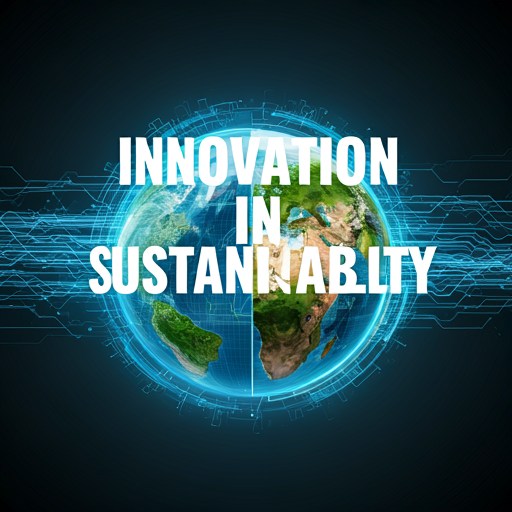
Innovation in Sustainability
Innovation in sustainability is reshaping how industries design products, run operations, and create long-term value while reducing environmental impact. It goes beyond compliance and cost control—embedding new technologies, materials, and business models that decouple growth from resource consumption. Across energy, manufacturing, construction, and infrastructure, sustainable innovation is now a core driver of competitiveness, resilience, and brand trust.
A major catalyst is the global transition from fossil fuels to renewables. Countries such as India are accelerating solar, wind, green hydrogen, and battery storage to cut emissions while meeting rising energy demand. Grid modernization, smart metering, and distributed generation allow cleaner power to be integrated reliably. Innovations in energy efficiency—high-performance motors, variable speed drives, waste-heat recovery, and cogeneration—reduce fuel use and operating costs simultaneously.
Circular economy thinking is transforming materials and manufacturing. Instead of the traditional take-make-dispose model, companies are designing for reuse, repair, remanufacture, and recycling. Advanced material science enables biodegradable polymers, low-carbon cement, recycled steel, and bio-based composites that maintain performance with a smaller footprint. Industrial symbiosis—where the waste of one plant becomes the feedstock of another—cuts landfill and raw material extraction.
Digital technologies are accelerating sustainability outcomes. IoT sensors, AI analytics, and digital twins optimize resource use in real time—reducing water, energy, and chemical consumption while improving quality. Predictive maintenance minimizes downtime and waste. Smart supply chains enhance traceability, enabling organizations to measure and reduce Scope 1, 2, and 3 emissions with precision.
Water stewardship is another frontier. Zero-liquid-discharge systems, membrane bioreactors, rainwater harvesting, and process water recycling are being deployed across industries to reduce freshwater withdrawal. In water-stressed regions, decentralized treatment and reuse systems are ensuring operational continuity and community resilience.
Green buildings and infrastructure showcase practical sustainable innovation. High-efficiency HVAC, daylighting, passive cooling, and building management systems cut energy demand dramatically. Low-embodied-carbon materials and modular construction reduce construction waste and lifecycle emissions. Urban planning that integrates public transit, green spaces, and mixed-use development improves livability while lowering environmental impact.
Sustainable mobility is rapidly evolving. Electric vehicles, biofuels, hydrogen fuel cells, and improved public transportation reduce air pollution and oil dependence. Battery innovation and charging infrastructure expansion are making clean transport viable at scale for both people and goods.
Policy, finance, and corporate governance are reinforcing this shift. ESG reporting, carbon pricing, green bonds, and sustainability-linked loans are aligning capital with climate goals. Organizations that innovate sustainably gain easier access to finance, stronger stakeholder confidence, and long-term risk reduction.
Crucially, sustainability innovation is human-centered. It creates safer workplaces, healthier communities, and inclusive economic opportunities. Training and upskilling engineers, operators, and managers in sustainable practices ensure that innovation translates into measurable outcomes on the ground.
In essence, innovation in sustainability is not a niche initiative—it is a strategic transformation of how value is created. By combining technology, design, policy, and culture, industries can achieve growth that is cleaner, smarter, and more resilient for generations to come.


 Aug 29, 2026


