

Article details
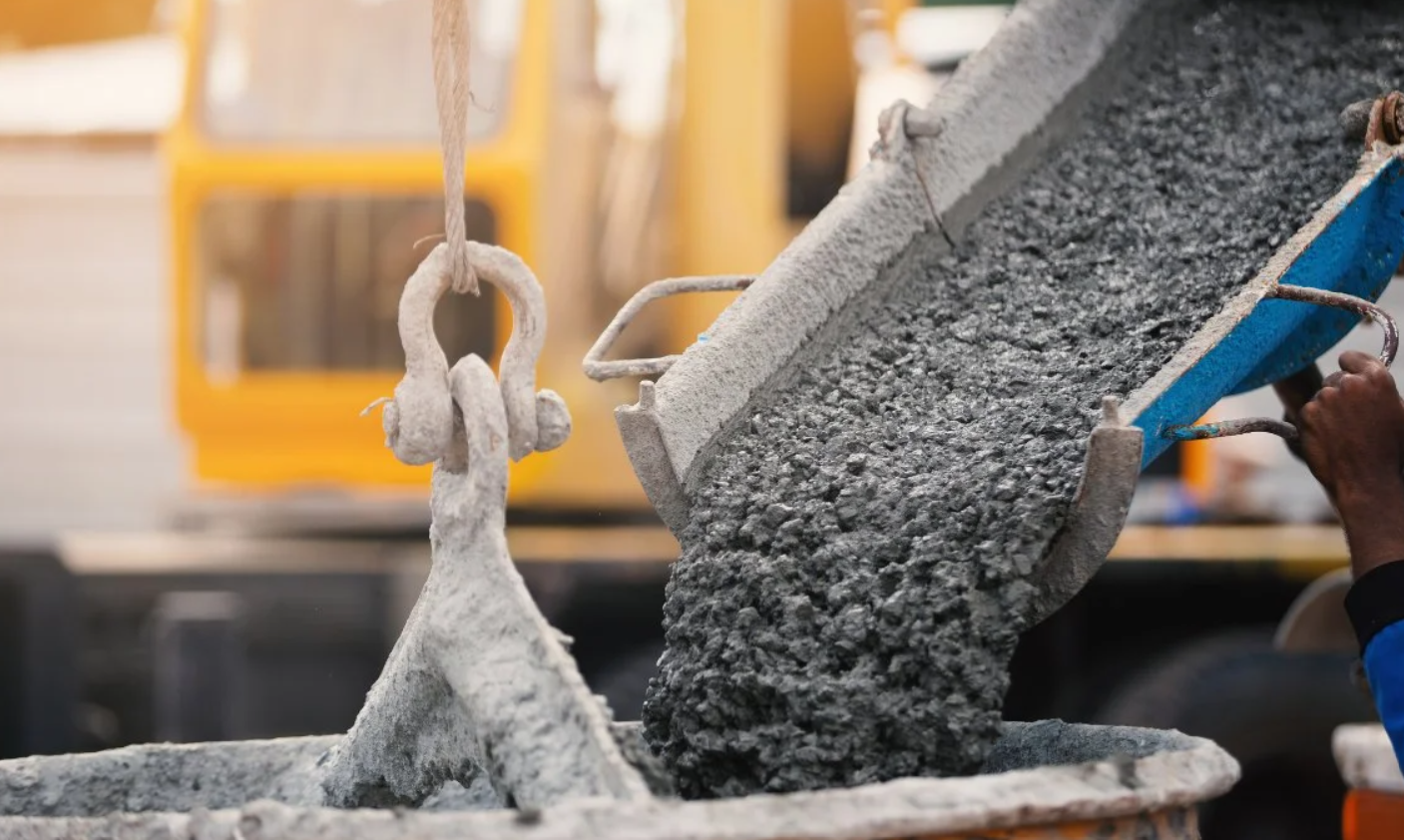
Concrete, the ubiquitous building material that has shaped our modern world, is undergoing a revolution thanks to innovations in technology. From improving durability to enhancing performance, these advancements are reshaping the way we design and construct infrastructure. In this article, we'll explore some of the latest innovations in concrete technology and their potential to transform the built environment.
Self-Healing Concrete
One of the most promising innovations in concrete technology is the development of self-healing concrete. Traditional concrete is prone to cracking due to factors such as shrinkage, temperature fluctuations, and external loads. However, self-healing concrete contains special additives or microorganisms that can repair cracks autonomously, prolonging the lifespan of structures and reducing maintenance costs. These self-healing mechanisms can range from the use of encapsulated healing agents to the activation of bacteria that produce calcite to fill cracks.
High-Performance Concrete (HPC)
High-performance concrete (HPC) is engineered to exhibit superior strength, durability, and workability compared to conventional concrete. By incorporating advanced admixtures, fibers, and aggregates, HPC can achieve higher compressive and flexural strengths, lower permeability, and enhanced resistance to chemical attack and abrasion. HPC is increasingly being used in a wide range of applications, including high-rise buildings, bridges, and infrastructure projects where performance and durability are paramount.
Ultra-High-Performance Concrete (UHPC)
Ultra-high-performance concrete (UHPC) represents the pinnacle of concrete technology, boasting exceptional strength, durability, and versatility. UHPC is characterized by its extremely high compressive strength, low permeability, and superior ductility, allowing for the design of slender and lightweight structures with enhanced resistance to seismic and impact loads. UHPC typically contains a dense matrix of fine particles, high-strength fibers, and special additives to achieve its remarkable properties, making it ideal for applications such as precast elements, architectural facades, and advanced infrastructure.
Sustainable Concrete Solutions
In response to growing environmental concerns, researchers and industry professionals are exploring sustainable alternatives to traditional concrete. These include eco-friendly binders such as fly ash, slag, and silica fume, which reduce the carbon footprint of concrete production by replacing a portion of cementitious materials. Additionally, advancements in concrete recycling and reuse are helping to minimize waste and conserve natural resources. Other innovative approaches, such as carbon capture and utilization (CCU) in concrete production, aim to mitigate carbon emissions and promote circular economy principles.
3D Printing of Concrete Structures
The emergence of 3D printing technology has revolutionized the construction industry, offering new possibilities for the design and fabrication of concrete structures. By depositing layers of concrete according to digital models, 3D printing enables the construction of complex geometries with unprecedented speed and precision. This technology has the potential to streamline construction processes, reduce material waste, and unlock new architectural possibilities, from custom-designed buildings to on-demand infrastructure solutions.
Conclusion: Paving the Way for a Concrete Future
Innovations in concrete technology are opening up exciting opportunities to build stronger, more durable, and sustainable structures that meet the demands of the 21st century. From self-healing and high-performance concretes to sustainable solutions and 3D printing, these advancements are reshaping the way we think about construction and infrastructure. By embracing these innovations and continuing to push the boundaries of what's possible, we can create a built environment that is more resilient, efficient, and environmentally friendly than ever before. As we look to the future, the concrete industry will play a central role in shaping our urban landscapes and building the foundations for a brighter tomorrow.


 Aug 29, 2026