

Article details
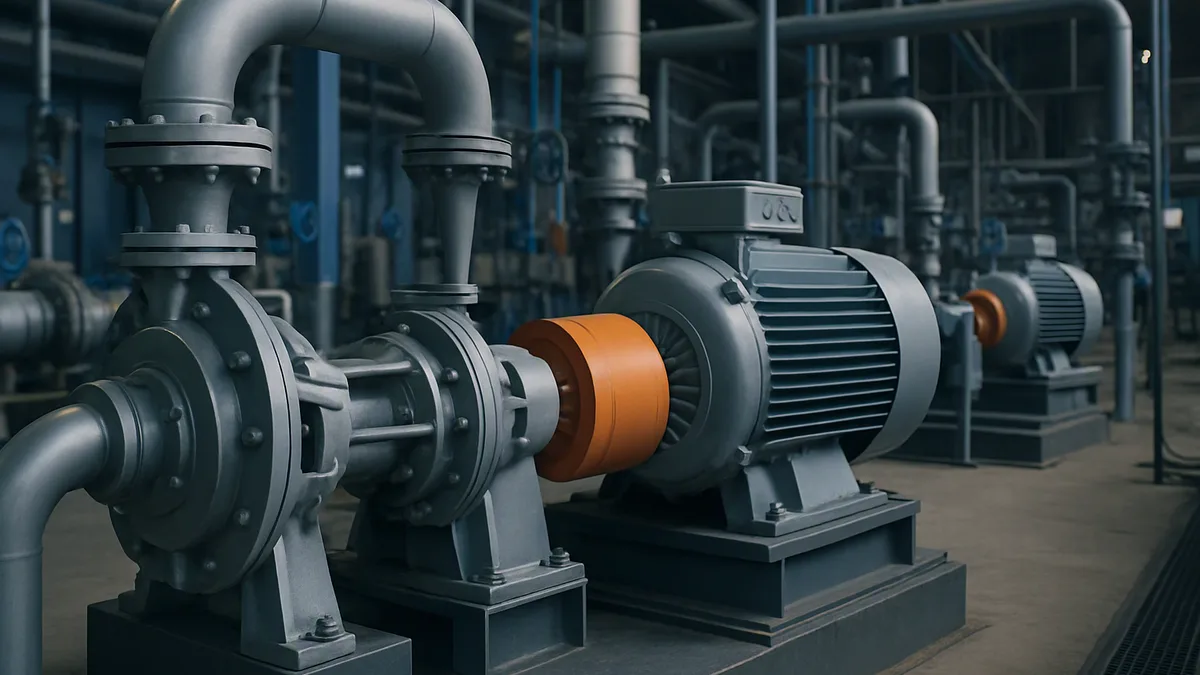
Rotating equipment sits at the center of most industrial plants. Pumps move fluids through pipelines, compressors raise gas pressure, turbines convert energy into mechanical power, and fans keep process systems operating safely. Because these machines directly affect production, energy use, reliability, and safety, engineers who understand rotating equipment are valuable across many industries.
A rotating equipment course typically combines machine fundamentals, vibration behavior, maintenance methods, troubleshooting, and reliability engineering. Some courses focus on plant operation and maintenance, while others emphasize design, dynamics, or performance analysis. Understanding the scope of the training helps engineers choose the right learning path for their role.
What Is Rotating Equipment Engineering
Rotating equipment engineering focuses on machines with rotating components that transfer energy, move fluids, or drive industrial processes. The field combines mechanical design, dynamics, thermodynamics, materials, lubrication, and condition monitoring.
In practice, rotating equipment engineers work on machines such as:
- Centrifugal and positive displacement pumps
- Compressors
- Steam and gas turbines
- Fans and blowers
- Electric motors and generators
- Gearboxes and couplings
The engineer’s responsibility usually extends beyond selecting equipment from a datasheet. They must also evaluate operating conditions, vibration behavior, alignment, lubrication systems, startup procedures, maintenance requirements, and long-term reliability.
For example, a centrifugal pump may meet the required flow rate during design calculations, but if suction conditions are poor, cavitation can damage the impeller and bearings. A rotating equipment engineer needs to understand both the theoretical operating point and the real operating environment.
Most rotating equipment training starts with machine fundamentals before moving into failure analysis, diagnostics, and reliability improvement. Engineers who are new to the field often begin with broader mechanical systems training such as mechanical equipment courses before specializing further.
Core Equipment Covered in Rotating Equipment Courses
The exact curriculum varies by industry and course level, but most rotating equipment programs cover the major machine categories found in industrial plants.
Pumps
Pump systems are usually the starting point because they are widely used in oil and gas facilities, power plants, chemical plants, and water systems. Courses commonly explain:
- Pump operating principles
- Pump curves and system curves
- Net positive suction head (NPSH)
- Cavitation mechanisms
- Seal systems and bearing arrangements
- Pump troubleshooting and maintenance
Engineers also learn how improper operation affects reliability. Running a pump far from its best efficiency point, for instance, can increase vibration and bearing loads.
Compressors
Compressors are critical in gas processing and petrochemical facilities. Rotating equipment courses often compare centrifugal, reciprocating, and screw compressors, focusing on:
- Compression principles
- Performance curves
- Surge and stall behavior
- Cooling and lubrication systems
- Compressor protection systems
Understanding surge control is especially important because unstable operation can quickly damage compressor internals.
Turbines
Turbines convert thermal or fluid energy into rotational power. Training usually covers steam turbines, gas turbines, and sometimes hydraulic turbines.
Topics include rotor dynamics, thermal expansion, balancing, startup sequences, and efficiency losses. Courses may also discuss coupling turbines to generators or process compressors.
Motors, Fans, and Auxiliary Systems
Industrial plants also rely heavily on electric motors, cooling fans, gearboxes, lubrication skids, and couplings. These systems may seem secondary, but many machine failures originate in auxiliary equipment rather than the primary machine itself.
Advanced programs such as rotating equipment engineering training often integrate all these systems into a complete machinery reliability approach.
Key Skills Engineers Learn in Rotating Equipment Training
A good rotating equipment course teaches more than equipment names and operating principles. The most useful programs focus on practical engineering skills that can be applied directly in industrial environments.
Vibration Analysis
Vibration is one of the most important indicators of machine health. Engineers learn how to interpret vibration patterns to identify problems such as:
- Misalignment
- Rotor imbalance
- Bearing defects
- Mechanical looseness
- Resonance
- Shaft damage
For example, a strong vibration peak at running speed often points toward imbalance, while harmonic frequencies may indicate misalignment or looseness.
Courses that cover machinery vibration in depth, including mechanical vibration training, help engineers understand how rotating systems behave dynamically rather than treating vibration as only a maintenance issue.
Rotor Dynamics and Machine Behavior
As machine speeds increase, dynamic effects become more important. Engineers study concepts such as:
- Critical speeds
- Whirl and whip instability
- Damping
- Shaft stiffness
- Balancing methods
Rotor dynamics is especially important for turbines and high-speed compressors where unstable vibration can lead to severe failures.
Courses focused on dynamics of machines often provide the theoretical foundation needed to understand these behaviors.
Condition Monitoring and Reliability
Modern plants increasingly rely on predictive maintenance rather than reactive repairs. Rotating equipment training therefore includes condition monitoring methods such as:
- Vibration monitoring
- Oil analysis
- Thermography
- Ultrasonic inspection
- Performance trending
Engineers learn how to detect degradation before catastrophic failure occurs. This improves plant availability and reduces maintenance costs.
Troubleshooting and Failure Analysis
Many engineers take rotating equipment courses because they regularly face recurring equipment failures. Good training teaches a structured troubleshooting process.
Instead of replacing parts repeatedly, engineers learn to identify the root cause. A bearing failure, for example, may actually result from shaft misalignment, lubrication contamination, or pipe strain transferred into the machine casing.
Rotating Equipment Applications in Oil, Gas, Power, and Manufacturing
Rotating equipment exists in almost every process industry, but the operating conditions and reliability expectations differ significantly between sectors.
Oil and Gas
Oil and gas facilities use extensive rotating machinery for production, transport, and processing. Common applications include:
- Pipeline pumps and compressors
- Gas turbine drivers
- LNG refrigeration compressors
- Offshore utility systems
These environments often involve high pressures, hazardous fluids, and continuous operation. Reliability and safety are therefore major priorities.
Power Generation
Power plants depend heavily on turbines, generators, pumps, and cooling systems. Equipment failures can cause large production losses, so maintenance strategies are highly developed.
Engineers in this sector often focus on vibration monitoring, thermal performance, balancing, and outage planning.
Manufacturing and Process Industries
Chemical plants, food processing facilities, mining operations, and pharmaceutical manufacturers all use rotating equipment extensively.
In manufacturing environments, engineers may prioritize uptime, energy efficiency, and maintainability. Variable operating conditions and frequent startups can create different reliability challenges compared with continuous-process industries.
How to Choose the Right Rotating Equipment Course
The best rotating equipment course depends on your current experience level and intended role.
Match the Course to Your Background
Early-career engineers usually benefit from broad fundamentals covering pumps, compressors, vibration, and maintenance basics. More experienced engineers may prefer specialized courses in rotor dynamics, reliability engineering, or advanced diagnostics.
If your work already involves troubleshooting vibration issues, a dedicated vibration or machine dynamics course may provide more value than a general overview.
Look for Practical Content
Strong courses use real industrial examples rather than only theory. Useful training should explain how engineers diagnose problems, interpret operating data, and make maintenance decisions.
Case studies are especially valuable because they show how multiple factors interact. A vibration problem may involve process conditions, piping stress, alignment quality, and operating speed simultaneously.
Consider Industry Relevance
Different industries prioritize different equipment types. An engineer working in petrochemicals may need compressor and turbine expertise, while a manufacturing engineer may focus more on motors, gearboxes, and pumps.
Choosing training aligned with your industry helps you apply the material immediately at work.
Career Paths and Job Roles for Rotating Equipment Engineers
Rotating equipment expertise supports several engineering career paths across industrial sectors.
Common roles include:
- Rotating equipment engineer
- Reliability engineer
- Maintenance engineer
- Condition monitoring specialist
- Machinery diagnostic engineer
- Mechanical design engineer
- Commissioning engineer
- Field service engineer
Some engineers focus on plant operation and maintenance, while others work in equipment design, consulting, or technical support for manufacturers.
The field also offers opportunities to specialize deeply in areas such as vibration analysis, compressor systems, turbine maintenance, or machinery reliability.
Because rotating equipment failures directly affect production and safety, engineers with strong diagnostic and reliability skills are consistently needed across oil and gas, power generation, manufacturing, mining, and infrastructure sectors.
For engineers looking to build practical industrial expertise, rotating equipment training provides a strong combination of mechanical fundamentals and real-world problem solving. The most effective courses connect machine theory with plant operation, helping engineers understand not just how equipment works, but why it fails and how to keep it running reliably.