

Article details
What Rotating Equipment Engineers Need to Know
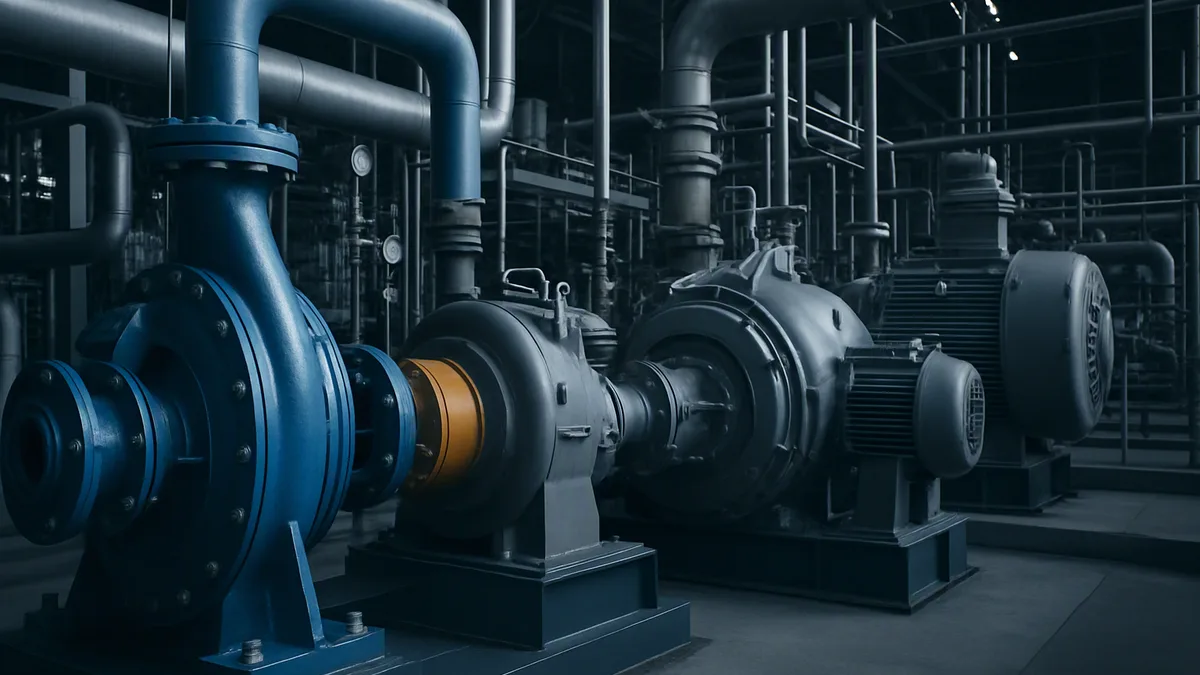
Rotating equipment sits at the center of most industrial facilities. Pumps move fluids through process lines, compressors maintain gas pressure, turbines generate power, and fans support combustion and ventilation systems. When these machines fail, production losses and safety risks can escalate quickly.
Rotating equipment training helps engineers understand how these machines operate, why they fail, and how to maintain them reliably. A good training program combines mechanical fundamentals with practical operating knowledge. Engineers learn not only the theory behind bearings, seals, shafts, and impellers, but also how equipment behaves in real plants during startup, shutdown, and abnormal operating conditions.
Mechanical engineers entering oil and gas, petrochemical, power generation, mining, or manufacturing industries often work closely with rotating assets early in their careers. Even engineers focused on design eventually need field knowledge because many equipment problems are caused by installation errors, poor alignment, process instability, or maintenance practices rather than design flaws alone.
For engineers building a foundation in this area, structured programs such as rotating equipment engineering fundamentals to expert provide a practical overview of equipment operation, maintenance, and reliability concepts.
Types of Rotating Equipment Used in Industry
Rotating equipment includes any machine that transfers energy through rotating components. Different industries prioritize different machine types, but several categories appear almost everywhere.
Pumps
Centrifugal pumps are among the most common industrial machines. They use rotating impellers to increase fluid velocity and pressure. Positive displacement pumps, including gear and screw pumps, move fixed volumes of fluid and are often used for viscous liquids.
Engineers working with pumps must understand:
- Head and flow relationships
- Cavitation causes and prevention
- Seal systems
- Net positive suction head requirements
- Bearing lubrication and cooling
Compressors
Compressors increase gas pressure and are heavily used in refineries, gas processing plants, and refrigeration systems. Common types include centrifugal, reciprocating, and screw compressors.
Training usually covers surge conditions, compressor performance curves, intercooling systems, vibration concerns, and shutdown protection logic.
Turbines
Steam and gas turbines convert fluid energy into mechanical power. They often drive generators, compressors, or pumps. Turbines operate at high speeds and require careful attention to balancing, lubrication, and thermal expansion.
Fans and Blowers
Fans and blowers move large air volumes in combustion systems, HVAC systems, cooling towers, and process plants. Although mechanically simpler than turbines or compressors, imbalance and airflow instability still create reliability issues.
Gearboxes and Couplings
Gearboxes transmit torque between machines operating at different speeds. Couplings connect rotating shafts while accommodating small amounts of misalignment. Failures in these components often create secondary damage in connected equipment.
Engineers who work broadly across plant systems may also benefit from understanding related mechanical assets through courses such as mechanical equipment.
Core Skills Covered in Rotating Equipment Training
Strong rotating equipment training programs focus on practical engineering skills that support safe and reliable operation.
Reading Equipment Documentation
Engineers need to interpret general arrangement drawings, piping and instrumentation diagrams, datasheets, performance curves, and vendor manuals. Many operational mistakes occur because equipment limitations or startup requirements were misunderstood.
Understanding Mechanical Components
Training typically covers:
- Shafts and rotors
- Journal and anti-friction bearings
- Mechanical seals
- Impellers and blades
- Lubrication systems
- Couplings and gearbox assemblies
Understanding how these components interact makes troubleshooting much faster. For example, repeated bearing failure may actually originate from shaft misalignment or inadequate lubrication cleanliness rather than a defective bearing itself.
Operating Principles
Engineers learn how pressure, temperature, flow, and rotational speed affect machine performance. A centrifugal pump operating far from its best efficiency point may experience vibration, overheating, and seal damage even if all components are mechanically sound.
Commissioning and Startup
Commissioning errors create many early-life failures. Training often includes equipment inspection, alignment checks, flushing procedures, lubrication preparation, and startup sequencing.
Electrical coordination also matters during commissioning activities, especially for motors, protection systems, and startup controls. Engineers involved in plant startup activities may find value in erection and commissioning of electrical equipments.
Safety and Reliability Awareness
Rotating machines store significant mechanical energy. Overspeed conditions, seal failures, or lubrication loss can damage equipment rapidly. Engineers therefore need awareness of isolation procedures, vibration alarms, temperature monitoring, and protective shutdown systems.
Vibration Analysis, Alignment, and Reliability Basics
Vibration analysis is one of the most important diagnostic tools in rotating equipment engineering. Machines naturally vibrate during operation, but abnormal vibration patterns often indicate developing problems before catastrophic failure occurs.
Common Sources of Vibration
Training programs typically teach engineers to recognize common vibration causes:
- Rotor imbalance
- Misalignment
- Mechanical looseness
- Bearing defects
- Resonance
- Cavitation
- Gear damage
For example, imbalance usually produces vibration at running speed, while misalignment often creates elevated axial vibration and coupling heating.
Shaft Alignment
Misalignment is one of the most frequent causes of premature equipment failure. Even small alignment errors increase bearing loads, coupling wear, seal damage, and energy consumption.
Modern alignment methods often use laser alignment systems, though engineers still benefit from understanding traditional dial indicator techniques. Training should explain thermal growth because equipment aligned correctly when cold may shift significantly during operation.
Balancing Fundamentals
Balancing reduces vibration caused by uneven mass distribution in rotating components. Engineers should understand the difference between static and dynamic imbalance and know when field balancing may be appropriate.
Reliability-Centered Thinking
Reliability engineering focuses on preventing failures rather than reacting after breakdowns occur. Rotating equipment training often introduces concepts such as:
- Preventive maintenance
- Predictive maintenance
- Condition monitoring
- Root cause failure analysis
- Failure modes and effects analysis
These methods help plants reduce unplanned shutdowns and extend equipment life.
Rotating Equipment Maintenance and Troubleshooting
Maintenance engineers spend much of their time diagnosing performance issues under operating pressure. Effective troubleshooting depends on combining process knowledge with mechanical understanding.
Routine Maintenance Activities
Common maintenance tasks include:
- Lubrication management
- Bearing replacement
- Seal inspection
- Coupling alignment
- Vibration monitoring
- Performance testing
Small maintenance details matter. Contaminated lubricant, incorrect grease quantity, or poor installation practices can shorten equipment life significantly.
Typical Equipment Problems
Training often uses case studies to teach troubleshooting logic. For example:
- A pump with fluctuating discharge pressure may be experiencing cavitation or suction blockage.
- A compressor with rising vibration could indicate imbalance, coupling issues, or bearing wear.
- Repeated seal failure may result from shaft runout, dry running, or improper flushing arrangements.
Good troubleshooting avoids replacing parts blindly. Engineers learn to gather vibration data, operating history, process conditions, and inspection findings before deciding on corrective action.
Shutdown and Turnaround Planning
Large facilities often perform major equipment overhauls during scheduled shutdowns. Engineers involved in turnaround planning coordinate inspection scopes, spare parts, vendor support, and startup sequencing.
This work requires strong communication between operations, maintenance, inspection, and project teams.
Industries and Career Paths for Rotating Equipment Engineers
Rotating equipment specialists work across many industries because nearly every industrial process depends on pumps, compressors, or turbines.
Oil and Gas
Refineries, offshore platforms, LNG facilities, and pipeline stations rely heavily on rotating machinery. Engineers may support compressor trains, crude oil pumps, or gas turbines.
Power Generation
Power plants use steam turbines, gas turbines, cooling water pumps, and large fans. Reliability is especially important because unexpected outages can affect grid stability.
Chemical and Process Industries
Chemical plants require reliable fluid transfer and process compression systems. Corrosion, seal compatibility, and hazardous materials handling become important considerations.
Manufacturing and Mining
Mining and manufacturing operations use crushers, conveyors, blowers, pumps, and heavy-duty gearboxes. Engineers often work closely with maintenance teams to improve uptime.
Career Roles
Common career paths include:
- Rotating equipment engineer
- Maintenance engineer
- Reliability engineer
- Commissioning engineer
- Field service engineer
- Condition monitoring specialist
Some engineers eventually specialize in machinery diagnostics, while others move into plant reliability leadership or equipment design.
Engineers interested in broader mechanical systems and package equipment responsibilities may also explore mechanical static package equipment engineering career.
How to Choose the Right Rotating Equipment Training Program
The best rotating equipment training programs combine theory with practical application. A course that only explains definitions without connecting them to real equipment problems will not prepare engineers for plant environments.
Look for Practical Content
Strong programs include real operating scenarios, vibration examples, maintenance case studies, and commissioning procedures. Engineers should finish training with a clearer understanding of how equipment behaves in service.
Match the Course to Your Experience Level
Early-career engineers benefit from broad foundational coverage of pumps, compressors, bearings, and maintenance practices. Experienced engineers may prefer advanced training focused on vibration diagnostics, reliability analysis, or specialized machinery.
Consider Industry Relevance
An engineer working in refineries may need deeper compressor and turbine knowledge, while someone in water treatment may focus more heavily on pump systems and maintenance planning.
Evaluate the Instructor Perspective
The most useful training usually comes from instructors with direct field and project experience. Practical lessons about startup problems, alignment errors, or maintenance failures are often more valuable than purely academic explanations.
Focus on Long-Term Skill Development
Rotating equipment engineering is a broad discipline built over time through plant exposure, troubleshooting experience, and continuous learning. Training should support both immediate technical needs and long-term career growth.
Engineers who build strong foundations in machinery operation, reliability, and diagnostics become valuable contributors in almost every industrial sector because rotating equipment reliability directly affects production, safety, and operating cost.