


Article details
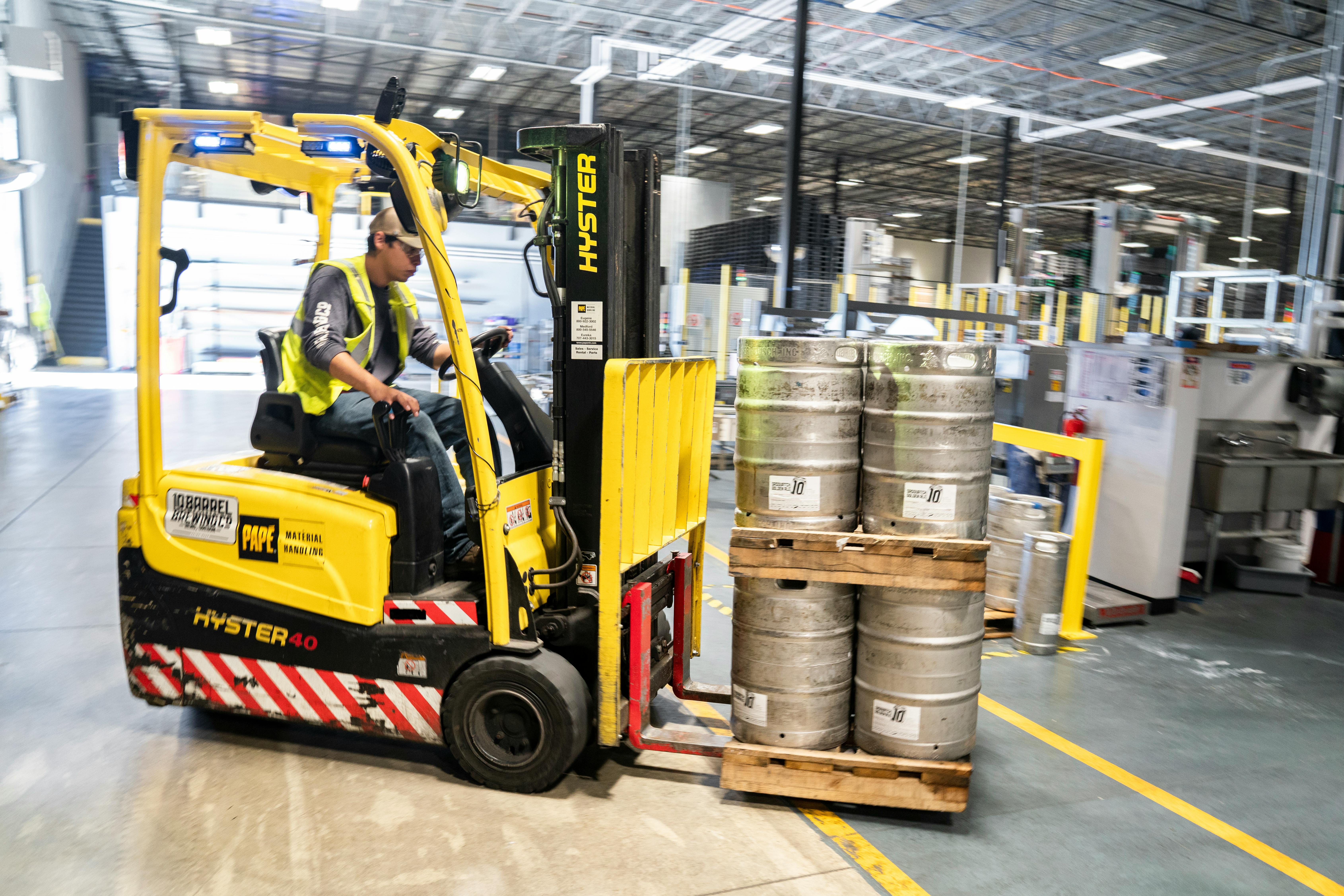
Logistics plays a central role in supply chain efficiency.
Logistics refers to the overall process of managing how resources are acquired, stored, and transported to their final destination. Logistics management involves identifying prospective distributors and suppliers and determining their effectiveness and accessibility.
The term logistics originally referred to the movement of military supplies, but today it is commonly used in the business sector to describe the handling and movement of goods. Logistics is a critical component of supply chain management and can help businesses reduce costs and improve customer satisfaction.
Understanding Logistics
In business, logistics includes numerous functions such as order fulfillment, inventory management, warehousing, transportation, and distribution. Effective logistics ensures that products are delivered to customers in a timely, cost-efficient, and reliable manner.
Logistics managers are responsible for overseeing the entire supply chain process, ensuring coordination between suppliers, manufacturers, warehouses, and retailers. Advances in technology, such as data analytics and automation, have significantly improved logistics efficiency.
Types of Logistics
There are several types of logistics that businesses commonly manage:
Inbound logistics: The movement of raw materials and components into a manufacturing or distribution facility.
Outbound logistics: The transportation of finished goods from a warehouse or factory to the end customer.
Reverse logistics: The process of handling returns, recycling, or disposal of products.
Third-party logistics (3PL): Outsourcing logistics operations to specialized service providers.
Logistics vs. Supply Chain Management
While logistics is often used interchangeably with supply chain management, the two are not the same. Logistics focuses primarily on the movement and storage of goods, whereas supply chain management encompasses a broader range of activities, including sourcing, procurement, production, and demand planning.
Logistics is a subset of supply chain management and plays a crucial role in ensuring that the supply chain operates smoothly and efficiently.
Why Logistics Matters
Efficient logistics can provide a competitive advantage by reducing operational costs, improving delivery times, and enhancing customer satisfaction. Poor logistics, on the other hand, can lead to delays, increased expenses, and lost sales.
As global trade continues to expand, logistics has become increasingly complex and essential for businesses of all sizes.