


Article details
Basic Concept
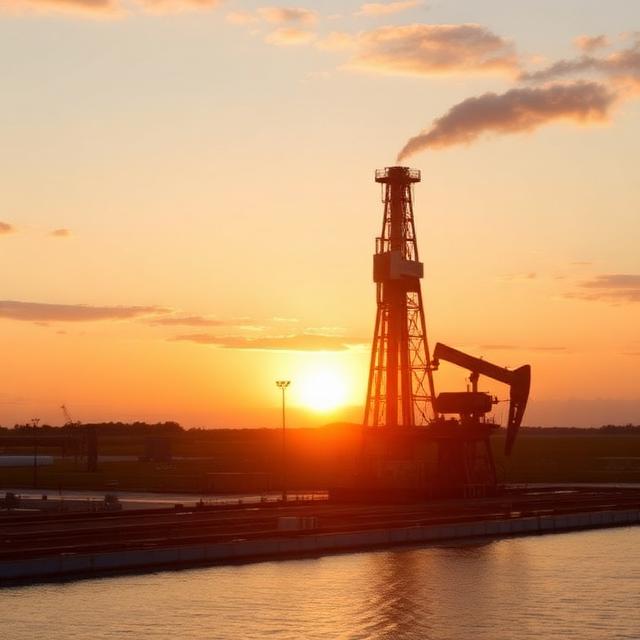
The oil and gas industry is broadly divided into three major sectors: upstream, midstream, and downstream. The upstream sector is primarily concerned with the exploration, drilling, and production of crude oil and natural gas.
Upstream activities begin with the search for potential underground or underwater crude oil and natural gas fields. Once a viable reservoir is identified, wells are drilled to bring hydrocarbons to the surface.
Exploration
Exploration involves geological and geophysical studies to locate hydrocarbon reserves. Techniques such as seismic surveys, gravity measurements, and exploratory drilling are used to evaluate the presence and size of oil and gas accumulations.
Drilling
After a promising location is identified, drilling operations are conducted to create a wellbore. Drilling can be performed onshore or offshore, depending on the location of the reservoir. Specialized drilling rigs and equipment are required to safely reach the target depth.
Production
Once drilling is completed and the well is deemed commercially viable, production begins. This phase involves extracting oil and gas from the reservoir and bringing it to the surface for processing and transportation.
Upstream operations are characterized by high capital investment, technical complexity, and significant risk, but they are essential for supplying raw hydrocarbons to the rest of the oil and gas value chain.

 Oct 2, 2026