


Article details
For a long time, clean hydrogen was treated as a strategic theme rather than an operational one – important in theory, but still removed from day-to-day downstream decision-making. However in today’s refining and petrochemicals market, hydrogen is already embedded in core processes, which means the key question is no longer whether hydrogen matters, but what kind of hydrogen industrial sites will depend on in the years ahead.
This shift is the reason why the Petrochemical and Refining Congress (PRC): Europe 2026, which takes place in Amsterdam on 18-19 May, points to hydrogen potential as one of this year’s core topics, making the discussion more grounded from the outset. Hydrogen is being approached through use cases, integration challenges, infrastructure readiness and project execution rather than through long-range ambition alone.
This article explores why clean hydrogen is moving to hands-on downstream planning, what still makes implementation difficult in real industrial settings and why the PRC Europe Congress 2026 plays an important role in overcoming the hydrogen-related challenges.
Hydrogen as a Part of Downstream Operations
What makes clean hydrogen a practical downstream issue is straightforward – it is not new to the sector. Refineries already use it at scale in hydrotreating, hydrocracking and related upgrading processes that are essential for fuel quality, compliance and conversion performance. That gives clean hydrogen a very different status from many other low-carbon technologies: companies do not need to invent a role for it, but they need to decarbonise an input they already rely on.
Replacing grey hydrogen with renewable or low-carbon alternatives is increasingly seen as one of the most direct ways to reduce site emissions without waiting for a full rebuild of the asset base. In downstream, hydrogen sits at the intersection of refining, petrochemicals, utilities, logistics and long-term site strategy. Once viewed from that perspective, it stops looking like a future market story and starts looking like an operational priority.
As Filippo De Pace, CEO of CC7 Europe (PRC Europe 2026 Gala Dinner Sponsor), puts it, “Over the next few years, carbon management will move to the forefront of industrial competitiveness, alongside hydrogen and other low-carbon fuels. What will truly define this transition is the move from fragmented, stand-alone initiatives to fully integrated value chains operating at scale”. That is exactly the context in which hydrogen is becoming a part of a wider industrial system.
Why Hydrogen Is Becoming a Future-Proof Business Decision
Clean hydrogen can reduce refinery emissions, support lower-carbon hydroprocessing pathways and improve the carbon profile of finished products. It also matters for future product strategies, especially where companies are looking at synthetic fuels, lower-carbon feedstocks and broader portfolio shifts.
Just as importantly, the external conditions around hydrogen have become more concrete. Definitions, certification rules, lifecycle emissions methodologies and compliance frameworks have all become more relevant to project planning and offtake decisions. That changes the conversation: hydrogen is no longer only a sustainability topic, it is becoming a part of how downstream companies think about competitiveness, infrastructure, product pathways and long-term capital allocation.
OMV Downstream GmbH is a good example of that shift. Dr. Sorin Ivanovici (Head of Hydrogen & CCU) mentions that for OMV, green hydrogen is an important feedstock for reducing refinery Scope 1 emissions and lowering the carbon footprint of products. It is also tied to the future production of synthetic fuels and lower-carbon chemical feedstocks. That is why the company is already investing in electrolyser capacity and integrating hydrogen more directly into refinery operations. OMV is building 3 electrolysers in Austria and Romania: the 10 MW in the Schwechat Refinery is the largest one already in operation, producing up to 1500 tpa green hydrogen for the refinery. The new 140 MW electrolyser is part of an integrated project linking green hydrogen production, pipeline transport and refinery integration at Schwechat, supporting OMV’s goal of fully decarbonising hydrogen production in Austria.The significance of this goes beyond one company project: it shows how hydrogen is moving from target-setting into real asset planning.
From Strategy to Engineering Reality
One of the clearest signs that hydrogen has become a practical issue is the level of engineering detail now shaping the conversation. The question is how hydrogen systems will perform in industrial settings with real constraints around heat, power, reliability, controls, safety and cost.
That is especially visible in thermal systems. As Domenico Marzocchi, Segment Sales Manager at Watlow (PRC Europe 2026 Session Sponsor), argues, the expansion of hydrogen places new demands on the systems used in production, purification and transport. Across SMR, ATR and electrolysis pathways, thermal management directly affects hydrogen cost, emissions intensity and plant reliability. In other words, hydrogen is not just a molecule question – it is also a matter of heat-management, controls and uptime.
This is where the conversation becomes especially useful for engineers. As a systems topic, hydrogen integration is touching power supply, compression, purification, controls, storage, pipeline access, site interfaces and safety architecture – so the question is moving closer to project teams, plant engineers, licensors, EPCs and operations leaders.
What Still Makes Implementation Difficult
Clean hydrogen may be more practical than before, but it is still difficult to implement. Cost remains a major barrier, especially where renewable power drives project economics. Grid access can slow down or constrain electrolyser deployment. Large-scale integration requires purification, compression, storage, metering and safe connection to existing hydrogen networks and plant systems.
In many cases, infrastructure becomes the real bottleneck. The electrolyser itself is only one part of the system, while pipelines, buffering, transport and reliable delivery to industrial sites often determine whether a project can move forward on a realistic timeline. Certification is another critical issue – without clear proof of origin and compliance the commercial value of clean hydrogen can weaken quickly, particularly when companies want to make product claims or qualify for specific policy frameworks.
These kinds of constraints shape design choices, contracts, schedules and investment decisions. Therefore, downstream companies are no longer asking whether hydrogen sounds promising, they are asking what it takes to make it work in practice: at scale, inside live industrial assets and under real commercial conditions.
Why the Industry Needs a More Collaborative Approach
This is also the reason why hydrogen cannot be solved by one part of the value chain alone. Clean hydrogen integration cuts across technology, operations, infrastructure, certification, investment and partnerships and the progress depends on how well different players can work together on the same set of practical questions.
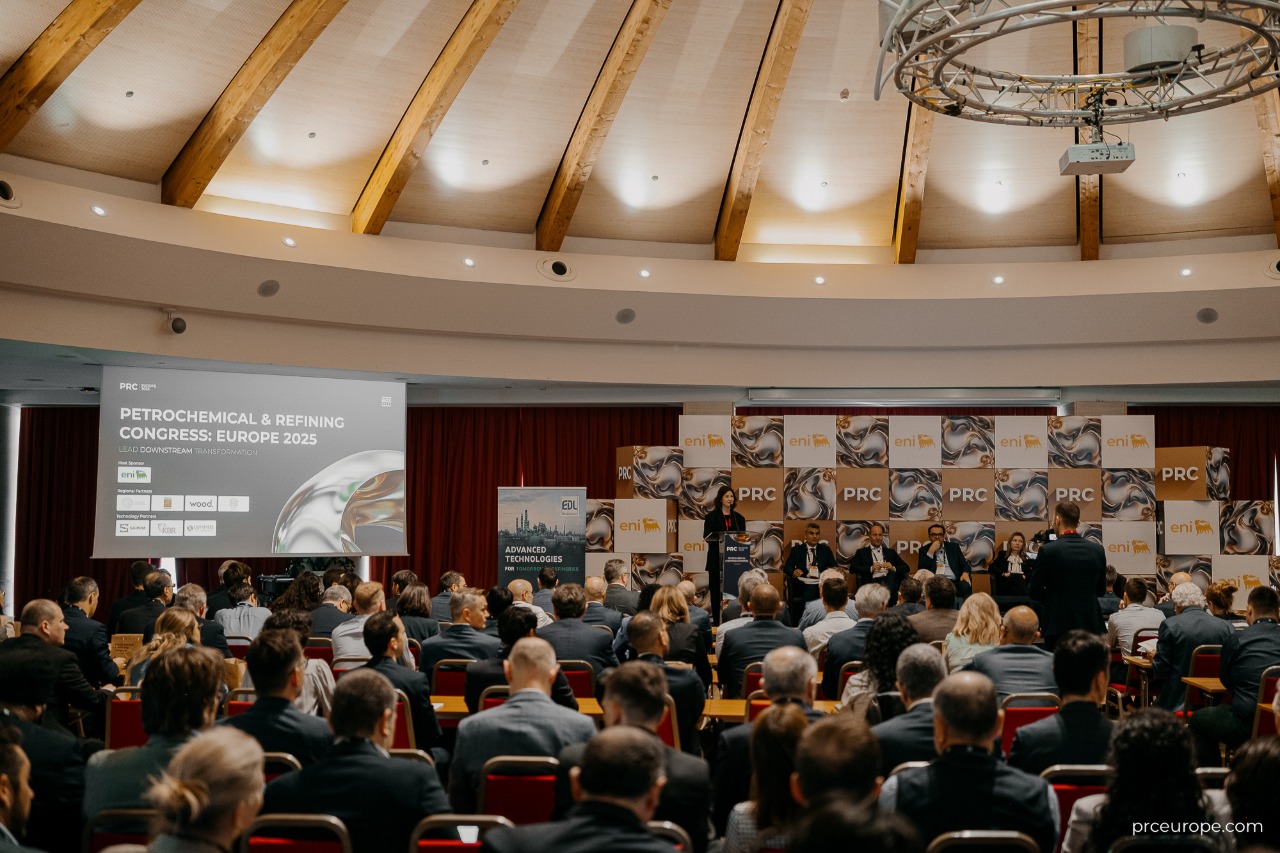
PRC Europe 2026 is built around that kind of cross-functional exchange: the event gathers senior management, heads of technical and operational departments and leading technical specialists. Among the confirmed speakers are top industry voices: Domenico Marzocchi (Segment Sales Manager at Watlow), Aksel Aksam (Vice President Low Carbon Hydrogen & Derivatives at Technip Energies), Dr. Sorin Ivanovici (Head of Hydrogen & CCU at OMV Downstream GmbH), Bosco Chiramel (Senior Engineer at Hindustan Petroleum Corp. Ltd. - Mumbai Refinery) and others.
For engineers, technical decision-makers, project leaders and downstream transformation specialists trying to move beyond theory, PRC Europe 2026 creates a practical opportunity to discuss hydrogen questions directly with people working on integration, infrastructure and implementation in real downstream settings.
Learn more about the Congress: https://sh.bgs.group/44b