Skip to main contentEngineering Courses, Mentoring & Jobs | EveryEng
Hazardous Area Classification for Oil and Gas Industries banner

Hazardous Area Classification for Oil and Gas Industries

Hazardous Area Classification for Oil and Gas Industries banner
Self-paced Beginner

Hazardous Area Classification for Oil and Gas Industries

4(34)
2072 views
₹ 499
71 min
Anytime
Hindi
Sawrabh Raj
Sawrabh RajSr Instrumentation Design Engineer, Global Trainer- Instrumentation Design
  • 7-day money-back guarantee
  • Lifetime access
  • Certificate of completion
Volume pricing for groups of 5+

Why enroll

Participants join this course to gain a solid understanding of hazardous area classification and its critical role in preventing fires and explosions in oil and gas facilities. They seek to learn how to assess and classify hazardous zones accurately, ensuring compliance with international safety standards. The course equips them with the skills to select and install the right equipment for explosive environments safely. Ultimately, it helps professionals enhance workplace safety, minimize risks, and improve operational efficiency.

Is this course for you?

You should take this if

  • You work in Oil & Gas Upstream or Energy & Utilities
  • You're a Electrical Engineering / Instrumentation Engineering professional
  • You prefer self-paced learning you can revisit

You should skip if

  • You need a different specialisation outside Electrical Engineering
  • You need live interaction with an instructor

Course details

Hazardous area classification in the oil and gas industry refers to the systematic assessment and categorization of areas where flammable gases, vapors, or combustible dust may be present in quantities that could create an explosion or fire risk. This classification determines the level of protection needed for electrical and mechanical equipment to prevent ignition.

It is important to ensure the safety of personnel, equipment, and facilities by identifying and mitigating risks associated with explosive atmospheres. More details about hazardous area classification is covered here: What is Hazardous Area Classification? Steps and Guides

This online pre-recorded course is designed to provide participants with a comprehensive understanding of hazardous area classification principles, standards, and best practices as applied in the oil and gas industry. By the end of the course, participants will be able to:

  1. Understand Fundamental Concepts:
    Gain in-depth knowledge of the principles behind hazardous area classification, including the nature of explosive atmospheres and the factors contributing to fire and explosion risks.

  2. Familiarize with Standards and Regulations:
    Explore international standards and guidelines ensuring compliance with global and regional safety requirements.

  3. Perform Hazardous Area Classification:
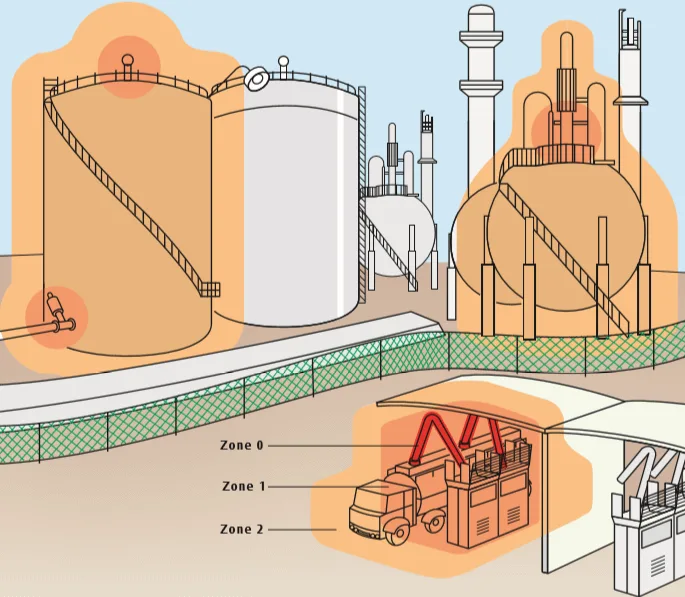
    Learn how to assess, classify, and document hazardous areas, including identifying Zones (0, 1, 2) and Divisions (1, 2) based on the frequency and duration of explosive atmospheres.

  4. Select and Install Appropriate Equipment:
    Understand the selection criteria for certified electrical and mechanical equipment suitable for hazardous environments and ensure proper installation practices.

  5. Enhance Safety and Risk Management:
    Develop strategies to mitigate risks in hazardous areas through proper planning, ventilation, monitoring, and maintenance procedures.

This course empowers participants to apply these principles effectively, ensuring safety, compliance, and operational efficiency in oil and gas facilities.

Course suitable for

Key topics covered

  • Hazardous Area Classification for Oil and Gas

Course content

The course is readily available, allowing learners to start and complete it at their own pace.

1 lectures1 hr 11 min

Opportunities that await you!

Career opportunities

₹499

Access anytime

Questions and Answers