
Live Online Class Advanced
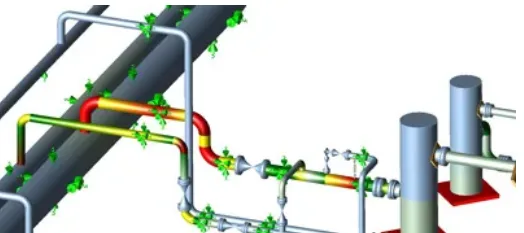
Seismic Analysis of Piping Systems & Upcoming ASME B31E
4(87)
41 views
₹ 14999
4 hrs
Next month
English
41 views

Anindya BhattacharyaAsset Engineer
- 7-day money-back guarantee
- Session recordings included
- Anytime Learning
- Learn from Industry Expert
Why enroll
Your instructor
Anindya Bhattacharya
Asset Engineer- Static Mechanical
Asset Engineer
28Courses
3Articles
521Learners
4.1Avg rating
23Followers
Is this course for you?
You should take this if
- You work in Oil & Gas Downstream or Energy & Utilities
- You're a Piping & Layout Engineering professional
- You have 3+ years of hands-on experience in this field
- You prefer live, instructor-led training with Q&A
You should skip if
- You're new to this field with no prior experience
- You need a different specialisation outside Piping & Layout Engineering
- You need fully self-paced, on-demand content
Course details
Course suitable for
Key topics covered
Training details
This is a live course that has a scheduled start date.
Why people choose EveryEng
Industry-aligned courses, expert training, hands-on learning, recognized certifications, and job opportunities-all in a flexible and supportive environment.
