Skip to main contentEngineering Courses, Mentoring & Jobs | EveryEng
Basic Course on Solid Control in Drilling Fluids banner

Basic Course on Solid Control in Drilling Fluids

Basic Course on Solid Control in Drilling Fluids banner
Live online Beginner

Basic Course on Solid Control in Drilling Fluids

4(12)
639 views
COMPLETED
2 hrs
Next month
English

Dr Surekha Prabhu
Dr Surekha PrabhuResearcher/ Consultant
  • Session recordings included
  • Certificate of completion
  • Foundational Learning
  • Access to Study Materials
Volume pricing for groups of 5+

Why enroll

After this course, participants will be able to:

✅ Explain the impact of drilled solids on drilling efficiency.

✅ Operate and troubleshoot solids control equipment.

✅ Apply corrective measures for common solids control issues.

✅ Optimize drilling fluid performance through effective solids removal.

Is this course for you?

You should take this if

  • You work in Oil & Gas Upstream
  • You're a Geoscience / Petroleum Technology professional
  • You prefer live, instructor-led training with Q&A

You should skip if

  • You need a different specialisation outside Geoscience
  • You need fully self-paced, on-demand content

Course details

This short, practical course covers the fundamentals of solids control in drilling fluids, essential for maintaining fluid performance, reducing costs, and preventing drilling problems. Designed for drilling engineers, mud engineers, and rig crews, it provides actionable knowledge on equipment, best practices, and troubleshooting.

Course Objectives

By the end of this session, participants will:

✔ Understand why solids control is critical in drilling operations.

✔ Learn the key equipment used in solids removal.

✔ Identify common problems caused by poor solids control.

✔ Apply best practices to optimize solids removal efficiency.

Course suitable for

Key topics covered

1. Importance of Solids Control

• Effects of excessive drilled solids on:

o Mud rheology (viscosity, gel strength)

o Rate of Penetration (ROP)

o Equipment wear (pump erosion, bit balling)

o Costs (waste disposal, dilution expenses)

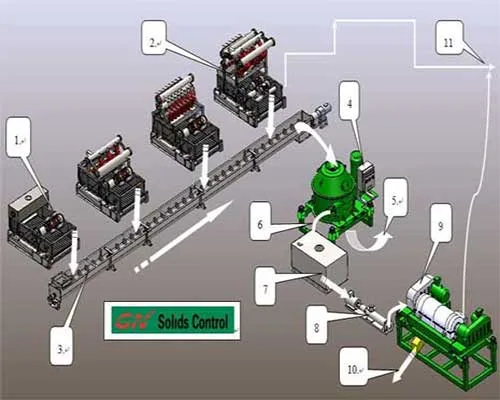
2. Solids Control Equipment & Their Roles

3. Common Solids Control Problems & Solutions

4. Best Practices for Efficient Solids Control

• Proper equipment sequencing (shaker → desander → desilter → centrifuge)

• Regular maintenance (screen inspection, hydrocyclone checks)

• Monitoring mud properties (solids content, rheology)

• Environmental & cost-saving benefits of effective solids control

Opportunities that await you!

Career opportunities

Training details

This is a live course that has a scheduled start date.

COMPLETED

Coming in Next Month

Questions and Answers