












































Technical Courses

Soft-Skills Trainings

Seminar & Conferences

Articles & Blogs

Jobs / Hiring

Internship Options

Project Based Freelancing

Communities & Consultation

Product image

Machining Science

Engineering Academy

Engineering Academy

Learn Without Limits: Free Engineering Courses

FREE

Product image

Machining Science

  • Trainers feedback

    0

    (0 reviews)

    Engineering Academy

    Engineering Academy

    Learn Without Limits: Free Engineering Courses

  • Course type

    Watch to learn anytime

  • Course duration

    598 Min

  • Course start date & time

    Access anytime

  • Language

    English

Why enroll

Boost your machining skills with our expert-led course! Learn cutting-edge techniques, optimize processes, and produce high-precision parts. Enroll now and transform your career!

Opportunities that awaits you!

Certificate thumbnail

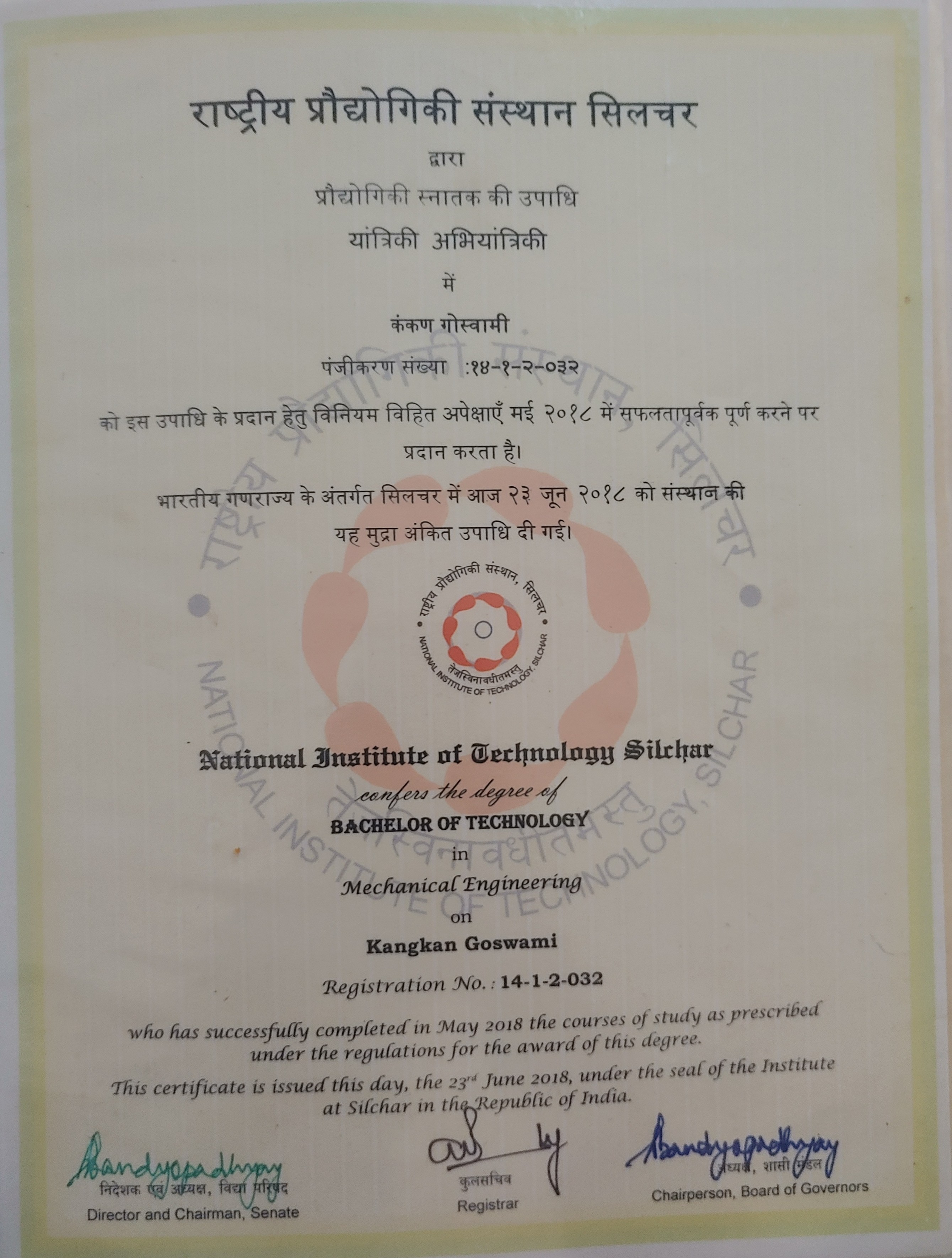
Earn a course completion certificate

Add this credential to your LinkedIn profile, resume, or CV. Share it on social media and in your performance review

Career opportunities

Course content

The course is readily available, allowing learners to start and complete it at their own pace.

Video info icon

Machining Science

20 Lectures

598 min

  • Lesson icon

    Introduction

    27 min

  • Lesson icon

    Mechanism of plastic deformation

    29 min

  • Lesson icon

    Basic machining parameters, Cutting Tools & Types of Machining

    29 min

  • Lesson icon

    Types of Chips, Tool nomenclature and tool angles

    30 min

  • Lesson icon

    Tool nomenclature in Normal Rake System

    28 min

  • Lesson icon

    Selection of Tool angles

    29 min

  • Lesson icon

    Forces in machining

    30 min

  • Lesson icon

    Stress, Strain and Strain Rate

    30 min

  • Lesson icon

    Numerical Examples

    29 min

  • Lesson icon

    Friction in metal cutting

    30 min

  • Lesson icon

    Practical Machining Operations

    30 min

  • Lesson icon

    Slab Milling; Measurement of Cutting Forces

    31 min

  • Lesson icon

    Dynamometers

    32 min

  • Lesson icon

    Factors affecting tool life

    30 min

  • Lesson icon

    Mechanics of Grinding Process

    30 min

  • Lesson icon

    Chip Length and specific energy in Grinding

    30 min

  • Lesson icon

    Grinding wheel wear, Oblique Cutting

    31 min

  • Lesson icon

    Rake angles in oblique cutting

    30 min

  • Lesson icon

    Economics of Machining

    33 min

  • Lesson icon

    Surface Finish

    30 min

Course details

Machining science involves the study of the principles and processes of material removal, focusing on the interactions between cutting tools, workpieces, and machine tools. It encompasses the mechanics of cutting, tool wear, surface finish, and the effects of various machining parameters such as speed, feed, and depth of cut. Understanding machining science is crucial for optimizing machining operations, improving product quality, and reducing costs. By applying scientific principles and analytical techniques, machinists and engineers can predict and control machining outcomes, troubleshoot problems, and develop innovative solutions for complex machining challenges. Effective application of machining science enables the production of high-precision parts and components with optimal surface finish, dimensional accuracy, and material properties.

Source: Youtube Channel NPTEL

Course suitable for

  • Automotive
  • Mechanical

Key topics covered

- Mechanics of Cutting:

- Cutting forces and power

- Tool geometry and materials

- Tool Wear and Failure:

- Wear mechanisms and types

- Tool life prediction and optimization

- Surface Finish and Integrity:

- Surface roughness and topography

- Residual stresses and surface damage

- Machining Parameters:

- Speed, feed, and depth of cut

- Optimization techniques

- Machining Processes:

- Turning, milling, drilling, and grinding

- Advanced machining techniques (e.g., CNC, EDM)

- Materials and Machinability:

- Material properties and behavior

Why people choose EveryEng

Industry-aligned courses, expert training, hands-on learning, recognized certifications, and job opportunities—all in a flexible and supportive environment.

Engineering Academy

Engineering Academy

Learn Without Limits: Free Engineering Courses

Questions and Answers

Q: What are the primary differences between conventional machining and CNC machining?

A: Conventional machining involves manual control of machine tools such as lathes, milling machines, and drills, where the operator directly controls the cutting process. CNC (Computer Numerical Control) machining, on the other hand, uses computer programs to automate and control machine tool operations, allowing for higher precision, repeatability, and efficiency. CNC machines can produce complex geometries and are widely used in modern manufacturing. For more details, you can refer to: https://www.sciencedirect.com/topics/engineering/computer-numerical-control