












































Search icon
Search icon

Technical Courses

Soft-Skills Trainings

Seminar & Conferences

Articles & Blogs

Jobs / Hiring

Internship Options

Project Based Freelancing

Communities & Consultation

Product image

Fabrication Technology

$ 20

Product image

Fabrication Technology

  • Trainers feedback

    0

    (0 reviews)

  • Course type

    Instructor led live training

  • Course duration

    2 Hrs

  • Course start date & time

    Coming in Next Month

  • Language

    English

Why enroll

Opportunities that awaits you!

Certificate thumbnail

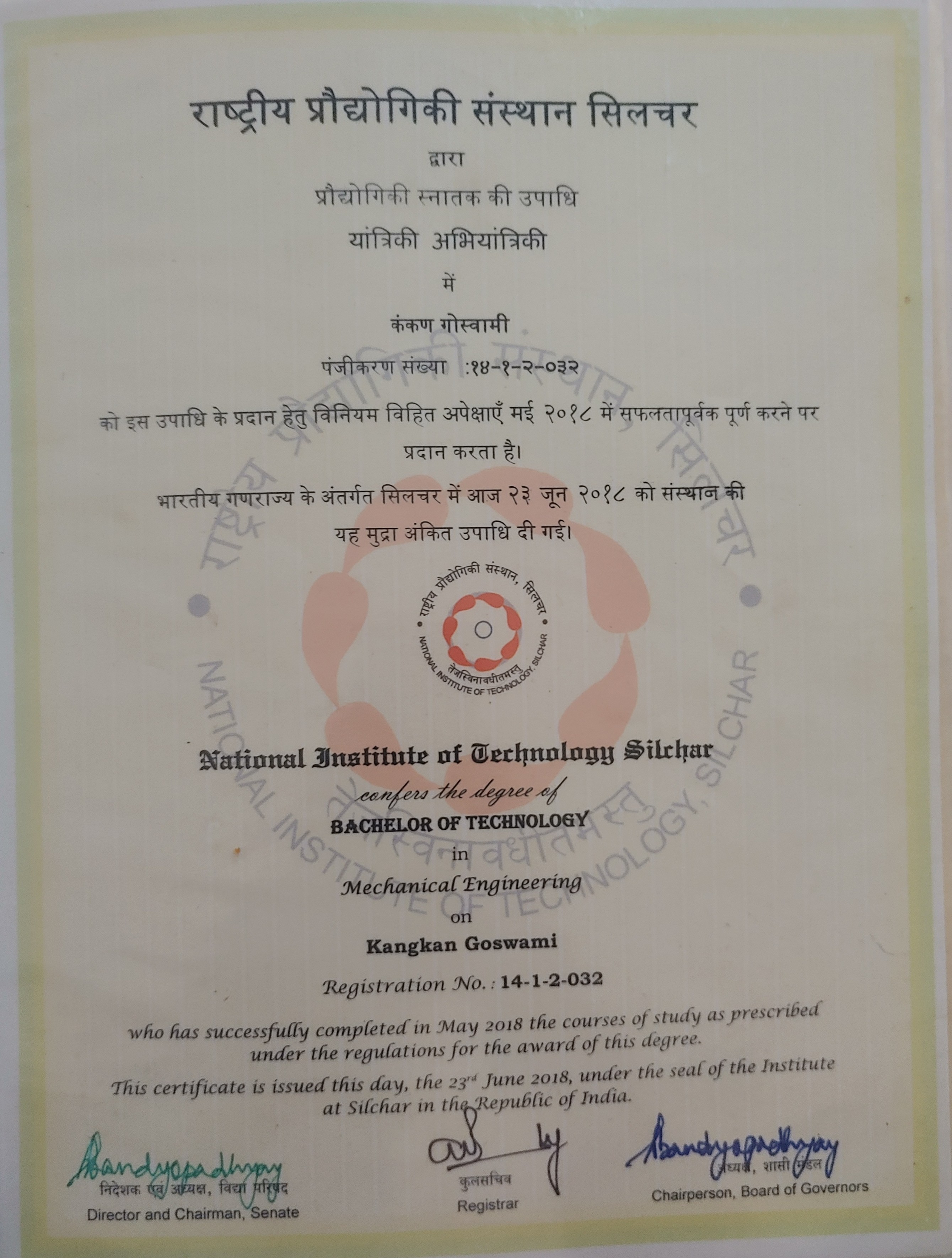
Earn a course completion certificate

Add this credential to your LinkedIn profile, resume, or CV. Share it on social media and in your performance review

Career opportunities

Course details

This course offers an in-depth exploration of fabrication technology, focusing on the principles, techniques, and best practices involved in the fabrication of metal components and structures. It is designed for professionals involved in the manufacturing, construction, and engineering sectors who need a thorough understanding of the latest fabrication technologies and methodologies. Participants will learn about various fabrication processes, equipment, materials, and quality control practices essential for producing high-quality, durable components.

Course suitable for

  • Aerospace
  • Automotive
  • Mechanics & Turbomachinery
  • Mechanical
  • Metallurgy & Material Science
  • Production

Key topics covered

  1. Introduction to Fabrication Technology

    • Overview of the fabrication process and its role in manufacturing

    • Types of materials commonly used in fabrication (metals, plastics, composites)

    • Understanding fabrication tolerances and precision requirements

    • Basic principles of material behavior, including stress, strain, and fatigue

    • Applications of fabricated products in different industries (e.g., automotive, aerospace, construction)

  2. Materials Selection for Fabrication

    • Properties of materials: strength, ductility, thermal resistance, and corrosion resistance

    • Factors influencing material choice for specific fabrication applications

    • Introduction to metals: carbon steel, stainless steel, aluminum, alloys, and non-ferrous metals

    • Polymers, composites, and advanced materials in modern fabrication

    • Materials testing methods: tensile testing, hardness testing, and impact testing

    • Selecting the right material for welding, cutting, or machining

  3. Fabrication Processes and Techniques

    • Cutting Techniques:

      • Overview of cutting processes: mechanical cutting, laser cutting, waterjet cutting, and plasma cutting

      • Applications and advantages of each cutting method

      • Precision cutting vs. rough cutting in fabrication

    • Welding Processes:

      • Introduction to welding methods: MIG (Metal Inert Gas), TIG (Tungsten Inert Gas), Stick welding, and Flux-Cored Arc Welding (FCAW)

      • Welding metallurgy: how heat affects the properties of materials

      • Welding joint design and preparation

      • Weld defects and quality assurance

      • Safety precautions in welding (e.g., PPE, ventilation, fire hazards)

    • Forming Processes:

      • Introduction to bending, rolling, and stamping

      • Techniques for forming sheet metal, tubes, and plates

      • Hydraulic vs. mechanical forming equipment

      • Applications of forming processes in fabrication

    • Machining Processes:

      • Introduction to CNC (Computer Numerical Control) machining and turning

      • Milling, drilling, and lathing techniques for precise fabrication

      • Automation and robotics in machining

      • Machining tolerances and finishes for different fabrication requirements

    • Assembly Techniques:

      • Overview of assembly methods: mechanical fastening, riveting, adhesive bonding, and welding

      • Importance of alignment and fit-up in assembly

      • Techniques for assembling complex systems and subassemblies

  4. Advanced Fabrication Technologies

    • CNC Machining:

      • Principles of CNC programming and machine operations

      • Types of CNC machines: mills, lathes, and routers

      • Integrating CAD (Computer-Aided Design) with CNC for efficient fabrication

      • Benefits of CNC in precision and repeatability

    • Additive Manufacturing (3D Printing):

      • Overview of additive manufacturing technologies: FDM (Fused Deposition Modeling), SLA (Stereolithography), SLS (Selective Laser Sintering)

      • Materials used in 3D printing: plastics, metals, composites

      • Advantages and limitations of 3D printing in fabrication

      • Applications of 3D printing in prototyping, tooling, and low-volume production

    • Robotic Welding and Automation:

      • Introduction to robotics in welding and fabrication

      • Advantages of robotic automation in welding, material handling, and assembly

      • Programming and operating robotic welding systems

      • Safety considerations and human-robot collaboration

  5. Quality Control in Fabrication

    • Importance of quality control (QC) in fabrication processes

    • Inspection methods: visual inspection, dimensional checks, and non-destructive testing (NDT)

    • NDT techniques: ultrasonic testing, X-ray inspection, dye penetrant testing, magnetic particle inspection

    • Understanding fabrication tolerances and their impact on product quality

    • Managing fabrication defects: common causes and solutions

    • ISO standards and quality certifications in fabrication (e.g., ISO 9001, ASME standards)

    • Implementing statistical process control (SPC) in fabrication

  6. Safety in Fabrication

    • Identifying hazards in fabrication environments: chemical, thermal, electrical, and mechanical risks

    • Personal protective equipment (PPE) for fabrication workers

    • Safe practices for working with welding equipment, cutting tools, and machinery

    • Fire safety and the prevention of explosive atmospheres in fabrication shops

    • Ergonomics and worker health in fabrication environments

    • Workplace safety regulations and compliance with OSHA standards

    • Safety protocols for working with hazardous materials and gases

  7. Cost-Effective Fabrication Practices

    • Understanding the factors influencing fabrication costs: materials, labor, equipment, and overhead

    • Reducing fabrication costs through process optimization and automation

    • Implementing lean manufacturing principles in fabrication

    • Strategies for minimizing waste and improving material utilization

    • Cost-benefit analysis of different fabrication methods

    • Scheduling and project management in fabrication projects to reduce downtime and improve efficiency

  8. Sustainability in Fabrication

    • Sustainable fabrication practices and the role of recycling in manufacturing

    • Eco-friendly materials and processes in fabrication

    • Reducing the environmental impact of fabrication processes (e.g., energy efficiency, waste reduction)

    • Green certifications and sustainability standards in fabrication

    • The role of fabrication technology in achieving corporate sustainability goals

  9. Industry Standards and Codes

    • Overview of key fabrication standards and codes: ASME, ASTM, ISO, API, and AWS

    • Compliance with national and international fabrication standards

    • Role of standards in ensuring product quality, safety, and reliability

    • Regulatory compliance for fabrication in different industries (e.g., oil and gas, aerospace, automotive)

  10. Trends and Innovations in Fabrication Technology

    • The future of fabrication technology: Industry 4.0, smart manufacturing, and digital twins

    • The impact of artificial intelligence (AI) and machine learning in fabrication processes

    • Integrating IoT (Internet of Things) and real-time data collection in fabrication shops

    • The rise of modular construction and prefabrication in large-scale projects

    • Emerging materials and fabrication techniques for advanced applications (e.g., carbon fiber composites, nanomaterials)

Training details

This is a live course that has a scheduled start date.

Live session

Why people choose EveryEng

Industry-aligned courses, expert training, hands-on learning, recognized certifications, and job opportunities—all in a flexible and supportive environment.

$ 20

- $ 0 Early bird discount

Coming in Next Month

Questions and Answers