
Work with Ashok Khopkar
₹ 2000 / Hr
Courses
Courses Ashok Khopkar has authored or contributed to.

Fundamentals of LPG Storage Systems and Compliance (Module 3 of 8)
Ashok Khopkar • Online
$20
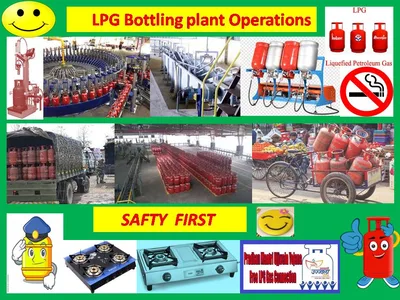
LPG bottling plant operation sequence and machinery used (Introductory course)
Ashok Khopkar • Online
 Aug 10, 2024 · 6:04 AM - 1 Hrs
 COMPLETED
View Course
Fundamentals of LPG Bottling Plant Operations: Machinery and Sequence
Ashok Khopkar • E-Learning
Free
View CourseArticles
Articles Ashok Khopkar has authored or contributed to.
Current Company / College
Self- employed -- freelance consultant
City
Mumbai
Country
India
Professional Experience
Sr. management - General manager at the time retirement
Professional Career Summary
Thorough professional, with "Will give my best" attitude. Passionate learner and dedicated teacher.
"Abhi to main Jawan hoo" is the moto.
Graduate mech engineer from VJTI (Mumbai), with more than 50 years experience in various fields, and full spectrum of senior level responsibilities from design to commissioning, Including systems for manufacturing and QA/QC
Professional training: Process Plant maintenance, vibration analysis, hydraulics , pneumatics, CNC machines, Value analysis and costing, project planning, 3d modelling software.
Few words about fields of experience:
Ø Industrial valves, Special valves and special fittings on ships, (Frigates), Boiler fittings, Filters, strainers, Level gages
Ø LPG and other gas Storage / Handling systems, Pumps, Vapourisers, Safety fittings,
Ø LPG cylinder filling and checking machinery, conveyor systems, related control and Flameproof equipment
Ø Plant layout, piping drawings, P & I Ds,
Membership: IIPE- Life member (Indian Institution of Plant Engineers)
Published e-bulletin for some industry associations
Invited by engg. colleges as industry expert, for assessment of projects done by students
Delivered lectures on specified subjects.
Currently:
ü Provides technical support to some engineering companies
ü Conduct training program for fresh mech. engg. graduates to make them more employable
Conduct training programs for employees of MSMEs, basic engineering knowledge booster programme
On On the Agenda: Acquire sufficient knowledge of Smart material, Emerging manufacturing processes
Areas of interest :
Machine shop activities, Piping, Product manufacture and QA systems, Automation and controls, Training,
Credentials / Achievement:
Developed import substitutes and other products for naval and merchant ships, oil and gas, gas bottling, filtration
Reviews
Feedback from participants who've learned with Ashok Khopkar.
Good snapshot of the LPG value chain; the Module 2 bottling-plant throughput calc and cylinder turnaround example stuck. It's mostly practical for oilgas ops, but I wasn't sold on the market sizing section and wished there was more on capex vs opex tradeoffs.

Sonu Kumar
--
Came in expecting something closer to prod patterns, and it mostly met that bar for an oilgas context. The section on the LPG bottling plant walkthrough, especially the cylinder tracking flow and where audits break, stuck because it maps cleanly to arch and infra tradeoffs we argue about in PRs. I wasn't sold on the market sizing chapter; felt thin and light on obs metrics or RPS-style thinking. Still, it's given me better ammo for the conversations that actually matter with ops and product.

Module 2’s bottling-plant capex spreadsheet and the propane vs butane pricing parity example stuck, since it's mapping classroom math to day-one ops in oilgas LPG. mostly useful, though I wasn't sold on the light treatment of safety regs and wished there was more on distribution infra beyond cylinders.

Bridges legacy oilgas ops to current LPG growth without hand-waving; the Module 2 “cylinder lifecycle” diagram and the bottling-plant throughput example stuck, especially how infra constraints cap RPS at the gate. it's mostly practical, though I wasn't sold on the light treatment of safety compliance and wished for more on prod forecasting beyond imports.

Yacine BE
--
The module on LPG cylinder bottling economics—specifically the walk-through of distributor margin math in Chapter 3—felt practical for scoping infra spend and ops tradeoffs. It didn't go far on safety/regulatory detail, which matters in oilgas, but for team leads pressure-testing costs, it's a decent skim between meetings.

Felt closer to a mentor’s whiteboard than a packaged class, especially in how it bridges legacy LPG ops with more modern thinking. Chapter 3’s bottling-plant cashflow example, where he maps cylinder recert delays to dealer churn, stuck; it’s the kind of prod reality you don’t see in decks. i've been translating some of that into how we think about arch and infra, even borrowing obs/RPS framing without pretending LPG runs like k8s. Mostly worked, though I wasn’t sold on the light touch around digital reporting, but the failure-mode framing made the time count.

Chapter on mass vs volume at 15°C with the butane example—it's mostly useful, wished more on custody transfer math.

Amit Bodke
--
Chapter 3’s mass‑vs‑volume LPG conversion with temp correction stuck; it's practical, though I wished more on custody transfer meters.

Ved Naik
Engineering Leader
Most days the pain point is the async layer between policy, infra, and actual ops, and this course tackled that gap instead of hand-waving it. The Module 3 walkthrough on cylinder distribution economics stuck, especially the table where depot turnaround time and RPS-equivalent demand were mapped to headcount; I’ve used a similar sketch in prod planning for energyutilities work. It didn’t waste time selling LPG, more about where jobs cluster and where they don’t, which matters when you’re scoping arch options for a client. There’s some light repetition in the market-sizing bits, and I wasn’t sold on the short detour into retail branding, but the logistics and safety sections landed. The safety audit example tied obs metrics back to infra decisions in a way that felt practical. It’s tightened up the vocabulary we use in design sessions when LPG comes up, which saves cycles in PRs and client calls.

Ashok Khopkar
Consultant
Ran into this while dealing with a few go-to-market bottlenecks at work. Module 4 dragged a bit, and the quizzes assume you’ve already got local pricing data handy. After that, it got useful fast. The section on autogas fleet conversions stuck with me, especially the break‑even calc at ~18k km/year and how margins shift with cylinder vs bulk supply. I liked the clear walk-through of the LPG value chain arch and where jobs actually sit across oilgas and energyutilities. It’s practical enough to map ideas to prod realities without pretending it’s a repo or PR checklist. i've already flagged a couple edge cases around rural distribution that the course explains cleanly.

Grabbed this over a weekend and ended up finishing it, which wasn't the plan between client calls. Framed like a practical PR review of LPG markets, with enough arch and infra cost talk to map ideas to prod decisions instead of slides. The section on “Cylinder Distribution Models” stuck, especially the break-even math on last‑mile delivery and how regulation skews margins in energyutilities. Mostly worked for me, though I wished the demand modeling had better obs examples; the back third finally gets concrete.

Amol Mahadik
--
The way the course breaks down choices and tradeoffs is what pulled me in; mapping LPG use cases to decision logic felt closer to reviewing an arch doc than a sales pitch. Chapter 3’s autogas fleet conversion example, especially the margin math around cylinder logistics vs bulk, stuck with me. It's mostly tight, though I wasn't sold on the skim over safety regs in energyutilities; more on ops obs would’ve helped. left with fewer “it works” assumptions and a clearer model of why it does.

Yash Tong
--
Left with a cleaner mental model of how the LPG value chain hangs together, closer to reading a clear arch doc than marketing. The cylinder circulation section stuck: the bottling-plant walk‑through breaking turnaround into safety checks, fill rates, and truck dwell time felt like infra obs for an energyutilities system—where bottlenecks show up in prod. Framed jobs and ops impacts in a way my team can map to CI gates and PR reviews; wasn't sold on the light treatment of regional regulation, though. it's lingered longer than most between meetings.

Akmal Ashhad
--
The terminology and role labels took longer to parse than expected; module 4 dragged a bit on market taxonomy. That said, the naming conventions around distributors vs. aggregators actually made me rethink a few standards we’ve baked into prod docs. The section on “Cylinder exchange cashflow” in chapter 3 stuck, especially the worked example comparing depot-owned vs. franchised fleets. It maps cleanly to real ops decisions, similar to how we argue arch tradeoffs in PRs. Not much on infra or CI, but the anti-patterns list around subsidy dependence was useful. I’ve already flagged a couple notes for our energyutilities repo.

Dr Surekha Prabhu
Researcher/ Consultant
Good grounding if you're new to LPG; the NFPA 58 80% fill-limit walk-through in Module 3 stuck, with the vapor pressure chart and relief valve check. It's practical for day-one ops in oilgas, though I wasn't sold on the quick math section—wished there was more on cold-weather expansion calcs and incident obs.

sarath Selvaraj
Piping Engineer
Chapter 4’s example comparing ultrasonic tank sensors to load cells, plus the SCADA-to-cloud bridge diagram, made the LPG context click beyond slides. Mostly good for a beginner, though I wasn't sold on the quick skim of data arch and infra—wished there was more on ops, obs, and how this lands in prod.

MOHAMMAD SAFWAN
Mechanical engineer
Material’s packed, but it doesn’t drown you in buzzwords, which helped me get through it between calls. As a freelancer I look for stuff I can map to outcomes, and the section on LPG supply chain digitization clicked, especially the example walking through smart cylinder tracking and how telemetry feeds ops dashboards. The chapter that stuck was the short case on IoT meters reducing delivery misses; the flowchart there felt like reading a clean arch doc in a repo, not a slide dump. A few spots drifted academic, and I wasn’t sold on the blockchain tangent, though it was brief. Still, it framed things in a way I could relate to prod tradeoffs, CI-style rollout thinking, and obs gaps—even if this isn’t k8s land. came away with fewer blind spots around LPG infra and where tech actually fits, which I didn’t expect going in.

Firojul Mallick
Engineer
Quick ramp for beginners; the section on “Smart Cylinder Telemetry” where they sketch RPS from valve sensors to a k8s ingest stuck with me. Mostly useful, though I wasn't sold on the CI bit—wished there was more on prod rollouts and obs in LPG depots.

Asakti sinha
Engineer
Came in needing a cleaner mental model of the LPG tech stack and where data actually flows from plant to cloud. The section on cylinder telemetry ingestion, especially the SCADA-to-MQTT bridge example in Chapter 4, stuck because it mapped arch choices to RPS and infra cost. Useful for aligning the team before PRs and CI debates; it frames prod vs pilot tradeoffs and obs without overcooking k8s. Mostly works, though I wasn't sold on the survey and wished for more on outage drills; still, I feel better prepared for the incident post-mortems we keep running.

Rajesh R
Student
Used this to sanity-check assumptions our team had locked in around LPG digitization. Small gripe first: module 2 lingered on market definitions, and the labs assume you’ve already got a cloud account and sample data wired up. After that, it picked up. The “Chapter 3: Cylinder Tracking with RFID” walk-through stuck, especially the failure modes around scan latency and reconciliation back to the ERP. Framed the arch choices without pretending everything’s prod-perfect. The section mapping telemetry to ops KPIs helped me translate ideas into a repo sketch and a PR plan, even if k8s/CI details were light. I’ve got cleaner lines between infra, obs, and business metrics now. Some grey areas feel less fuzzy.

ragini kumari
Student
The way each pattern was framed with decision trees pulled me in more than the slides. In the Smart Cylinder Telemetry section, the RFID vs NB-IoT branch and the quick RPS math for depot ingest stuck. It's beginner-aimed, so the arch stays high level; I wasn't sold on the infra sizing assumptions for prod rollout, and wished for a bit more on obs once things break. Still, I've been sketching decision trees again when debugging cross-system issues, which hasn't been my default lately.
kizito iloafunam
student
The way testability was framed ran deeper than expected for a beginner costing course—bridging legacy thinking with modern product constraints. A concrete moment that stuck was the “Cost Tree” section where a PR adds a feature and you trace RPS to infra line items, then sanity-check prod impact. it helped connect CI decisions, k8s sizing, and obs costs; it's not magic, just clearer math. Mostly good; I wasn't sold on the quick pass over cloud pricing quirks, but the mental models should age better than any version bump.

edward pappoe
Engineer/consultant
was comparing it to two other LPG explainers and this one held up better for a beginner. The section on odorization stuck, especially the ethyl mercaptan example and how leak checks differ at cylinder vs bulk tanks, which helped me map safety flows like infra obs. I wasn't sold on the skim over cold-weather vapor pressure and storage regs; wished there was more there. I'll probably point a few teammates in energyutilities to it, like sharing a clean PR.

Shubham Deep
Engineer
The emphasis here leans toward established practices rather than shortcuts, which fits an intro on LPG ops. Framing the plant as a system with interlocks and human checks felt closer to prod reality than slideware. The section on the rotary carousel filler, specifically the step-by-step on tare setting and the interlock that halts fill on valve mis-seat, stuck; that’s the kind of micro-detail people miss until obs lights up for the wrong reason. I wasn't sold on the brief treatment of failure modes—would've liked a bit more on what breaks first at higher RPS and how infra choices change maintenance windows. Some metaphors drift into software (PR/CI analogies), but they mostly land and help anchor the arch without hand-waving. the back third, when it walks through leak testing, evacuation, and dispatch sequencing, is where the course finally clicks and stops feeling abstract.
Sonu Kumar
--
Used it to sanity-check a few assumptions our team had locked in around LPG bottling flow before touching prod docs. The Chapter 3 walkthrough on vacuum purge then leak check, especially the moment they pause on the carousel filler interlock logic, stuck; it mapped cleanly to how I think about infra gates and obs alarms during CI. I wasn't sold on the maintenance section, wished there was more on failure modes under peak RPS. Still, the sequence clarity has sped up how fast I debug mismatches between arch diagrams and what’s actually happening.

Mercy Gundi
--
Much of the flow lined up with problems we’re dealing with this sprint on the LPG line, especially handoffs between filling, leak test, and dispatch in oilgas ops. The walk-through of the bottling sequence in Module 3, when they pause on vacuum evacuation timing and the water bath leak test, stuck because it mirrors what breaks when infra drifts. It's practical and close to plant reality; diagrams helped, though I wasn't sold on the quick skim of safety interlocks and wished there was more on failure modes.

Compared against a couple other intros, this one landed better. The Module 3 walk-through of evacuation and purging before the filling carousel, plus the check‑weigh scale interlock example, finally clicked; tying it to ops obs like alarm thresholds helped me map a process arch the way I'd review infra in prod. i've been translating that flow into my own notes like a repo PR, thinking about throughput as RPS (cylinders/hour), which fits how my brain works. Wasn't sold on the skim over maintenance and VRU failure modes in oilgas/energyutilities, but it did clear up misconceptions.

Covers the kinds of failures that wake you up during a 3am call, which is what I needed for LPG bottling ops in oilgas. The walk-through of the carousel filling sequence, especially the check‑weigher interlock and reject chute logic, stuck because it maps cleanly to how alarms show up in obs when prod is noisy. wasn't sold on the brief skim of valve crimping tolerances; wished there was a bit more on maintenance drift. Examples land at a workable level without being dumbed down, so I could map them back to our infra notes quickly.

ahmed ali
--
Sat through plenty of intro ops courses; this one actually has teeth, and it's not just slides. The section on the filling carousel interlocks, especially the cutaway at 12:30 showing tare vs gross weigh cells and the leak-test water bath, stuck. Maps cleanly to how I'd think about arch and obs in prod; the RPS analogies during valve sequencing helped, even if CI and k8s mentions felt a bit forced for energyutilities. Mostly good, though I wasn't sold on the skimpy failure-mode coverage during cylinder changeover; it's lingered longer than most.
Good bridge from legacy shop-floor ops to modern infra thinking; the Chapter 3 walk-through on the carousel filler interlocks and vapor return check stuck. It's mostly beginner-friendly, though I wasn't sold on the skim over emergency shutdown logic and wished there was more obs on RPS during peak prod in energyutilities.
Pradip Bala
--
Clear walkthrough of the bottling sequence, especially Chapter 4’s rotary carousel cut-off timing example and the water-bath leak test dwell times. As a grad entering oilgas ops, it mapped theory to the prod floor, though I wasn't sold on the brief treatment of emergency shutdown interlocks—wished there was more on failure modes.

Krishna Kumar
Student
Picked this up to sharpen system design thinking, but framed in an LPG bottling context rather than software. The walkthrough of the end to end sequence helped align ops, safety, and infra concerns, which matters when changes hit prod. One concrete bit that stuck was the section on the Filling Carousel Interlocks, especially the moment where the purge-to-fill handoff is shown with valve states and sensor latches. I've sat in PRs arguing about obs gaps, and for energy utilities the leak test reject logic example mapped cleanly to how teams reason about failure modes. Mostly clear for beginner to intermediate, though I wasn't sold on the maintenance chapter; wished there was more on calibration drift and what operators actually do during changeovers. It doesn’t pretend everything is happy-path, and the way it calls out edge cases like stuck checkweighers or ESD trips is where it helps a team make fewer bad calls.

Kiran Kakatkar
Chairman Emeritus PAM Systems
Between meetings, the Module 3 walk-through of the filling carousel, check-weigher, and water-bath leak test made the sequence click; it's close to what I've seen in prod at small energyutilities depots. Mostly beginner-friendly, but I wasn't sold on the compressor sizing math—wished there was one numeric example tied to cylinder/hr and plant infra.

Clear walkthrough of SMPV Rule 18 during the emergency shutoff valve demo, especially the spacing callouts around the LPG bullets and dyke walls in Chapter 3. It's useful for oilgas infra reviews, though I wasn't sold on the brief treatment of leak detection obs and wished there was more on alarm testing cadence.
Shubham Deep
Engineer
Module 3 on firewater sizing dragged a bit, and the diagrams felt dated. After that, the course handles tradeoffs better than most safety content; it doesn’t pretend SMPV compliance is just box‑ticking. The separation‑distance table walkthrough in the LPG storage yard chapter stuck, especially the note on how wind rose data changes layout decisions. As a freelancer bouncing between oilgas clients, I liked the pragmatic tone. It reads like an arch review: constraints first, then choices. The emergency shutoff valve example mapped cleanly to prod thinking—what fails, what’s monitored, what’s manual. I've skimmed similar material before; this one reduced the mental clutter. Not flashy, but efficient, and I didn’t feel it was padding for beginners.
Ved Naik
Engineering Leader
Coming from maintaining legacy safety checklists alongside newer digital permits, this course reframed how I think about refactors in oilgas ops without pretending everything’s greenfield. The bit that stuck was the walk-through of the separation-distance table and dyke wall capacity calc for an LPG storage yard; seeing how SMPV expectations map to actual yard layouts felt like reading old arch docs and then sanity-checking them against prod constraints. It wasn’t flashy, but the example tying fire water ring main coverage to monitor placement was practical, the kind of thing I’d drop into a repo note before a PR. I’ve already compared it to how we reason about infra in k8s: guardrails first, then automation, with obs to catch drift. mostly landed for beginner/intermediate, though I wasn’t sold on the brief earthing section and wished there was more on ESD testing cadence. Still, it nudged me to trim some overgrown checklists in CI and focus on what actually caps risk, not just boosts RPS on paper.

Harit Naik
Manager
The course doesn’t sugarcoat safety work; it shows why the harder path exists in oilgas yards and when shortcuts bite. The section walking through SMPV Rule 44 water-spray coverage and the dyke wall height table stuck, especially the example calculating exposure for a 30‑MT bullet. From a TeamLead lens, it helps align ops and infra so prod audits don’t turn into fire drills, and it’s priced sensibly. wasn't sold on the light treatment of emergency drills, but the mechanics finally feel less like black magic.
Ashok Khopkar
Consultant
The scenarios felt close to real ops, not sanitized case studies, and it's easier to map them to prod decisions. The Chapter 4 walkthrough on cylinder refill turnaround, where the spreadsheet flips when truck dwell hits 90 minutes, stuck with me because it mirrors how small arch choices blow up infra costs. I've shipped stuff where obs lag hid the problem until RPS cratered, so that example landed. Bootcamp grad here, and the pacing works between meetings; short sections I could skim like a repo between PRs. wasn't sold on the k8s analogy in the LPG distribution section, and I wished there was more on safety audits tied to CI-style gates, but that's nitpicking. Still useful even if you only mine the anti-patterns on distributor margin math and vendor lock-in.

Sai Kiran
Student
Feels authored by someone who's pushed systems into prod, not a slide-deck theorist, and the framing keeps pulling back to arch and constraints. The section on LPG bottling plant throughput where they map cylinder fills to RPS and failure modes stuck with me. I wasn't sold on the market sizing chapter; it leans high-level and I wished for more on infra/obs analogs like monitoring losses across distribution. Still, it gets points across I'd normally need a senior to whiteboard between PRs.

ABOUBAKAR SIDIK PATEKUMCHE
Étudiants
Parts of the course mirrored problems we’re juggling in the current sprint, especially mapping business flows to real constraints instead of slides. The section on LPG cylinder tracking economics in Chapter 4 stuck; the example tying depot turnaround time to safety checks felt like prod incidents we’ve debugged, just without k8s and obs dashboards. I wasn’t sold on the light treatment of pricing volatility in oilgas, and I wished there was more on digital infra beyond spreadsheets. Walking away with fewer open questions and firmer answers than I expected.

Naim Khan
--
Came to this while thinking about systems that don’t fall over once traffic creeps past ~10k RPS, and it mostly stayed grounded. The section on LPG cylinder tracking during festival spikes—where they walk through the RPS jump and backpressure callouts—was the part that stuck; it mapped cleanly to real oilgas ops. I’ve already pulled a few ideas into a prod PR around obs in k8s; wasn’t sold on the lighter treatment of CI and infra tradeoffs. Debugging in prod has been faster since.

Needed a fast way to get folks aligned before the next RFC, and this LPG course did that better than expected. The section on bottling plant flow, especially the slide walking through cylinder filling checks and valve failure modes, stuck because it felt like tracing a PR from repo to prod. I kept mapping the safety gates to arch and infra reviews, and even the throughput math echoed RPS thinking—it's familiar. Mostly worked for me, though I wasn't sold on the light treatment of k8s-style obs analogies.

Abhijit Sarkar
student
The scaling angle is what pulled me in, but quick gripe first: module 3 dragged a bit, and the labs assume you’ve already got basic infra and spreadsheets set up. After that, it clicked. The section on LPG bottling ops, specifically the example where they model cylinder turnaround like RPS constraints, stuck with me. It maps cleanly to how I think about prod bottlenecks and CI queues. The supply-chain chapter also tied pricing swings to storage limits in a way that felt practical, not academic. I’ve been around oilgas adjacently, and the cost/throughput framing translates. Not perfect, but I’m leaving with a clearer handle on where to tune for efficiency instead of guessing.

Shreya Pandey
Consltant
It flags version-to-version changes up front, which is helpful, but module 3 dragged and repeated basic definitions longer than needed. After that, it got practical fast. The walkthrough of Rule 18 with the brake interlock example stuck; seeing the exact wording tied to a roadside check made it click. Annexure 7’s placarding table was another useful stop—clear enough to turn into an ops checklist without guesswork. As a freelancer bouncing between clients, I care about fewer surprises in prod ops, and this maps rules to what inspectors actually ask. It’s simple, but not careless. I’ve already gone back a couple times to re-read the emergency response steps and valve isolation notes.
Ashok Khopkar
Consultant
Came in wanting a clearer picture of how the moving parts actually fit when hauling bulk LPG under SMPV. The walk-through of Rule 19 pre-trip checks and the clip showing excess flow valve behavior during a hose rupture stuck. Framing safety like arch/infra helped—think CI gates before prod, placarding as obs, and RPS as tanker throughput limits. Wasn't sold on the thin coverage of mock drills, but it's still time well spent even if you've shipped stuff in prod for years.
Shubham Deep
Engineer
Initially, I wasn’t sure what to expect from this course. Coming from field work in oil & gas and some exposure to energy utilities, the “beginner” label made me worry it might be too high level. It actually helped fill a gap I’ve had around LPG systems, especially how upstream LPG properties translate into real household appliance behavior. The sections on LPG composition, vapor pressure, and cylinder storage tied directly into issues we see with domestic LPG stoves and regulators. Understanding why certain appliances struggle in cold conditions was useful, and the breakdown of basic LPG distribution in utility-style networks helped connect dots I hadn’t fully put together before. One challenge was keeping up with all the safety terminology and codes early on—it took a bit of rewatching to separate what’s critical in practice versus background theory. A practical takeaway was the step-by-step approach to regulator sizing and leak testing. That’s already been applied on a small residential conversion project, and it made conversations with installers more concrete. The course didn’t try to oversell itself and stayed close to how things actually work on site. Overall, it felt grounded in real engineering practice.

Raj Pravin
NDT technician
At first glance, the topics looked familiar, but the depth surprised me. Even at a beginner level, the course dug into LPG behavior in a way that connects well to real oil & gas operations and downstream household appliance use. The sections on vapor pressure versus temperature and basic cylinder storage rules were stronger than expected, especially when compared with how loosely these topics are sometimes handled in entry-level energy utilities training. One challenge was mentally translating the simplified examples into messy field conditions. For instance, regulator sizing was explained clearly, but edge cases like low ambient temperatures or partially filled cylinders required extra thought, since those are where systems usually fail in practice. That gap mirrors what happens on actual projects, so it was a useful friction point. A practical takeaway was a more structured approach to leak detection and odorization checks, which applies directly to residential LPG appliance installations and small distribution networks. Seeing how small design decisions propagate at the system level—safety, maintenance, and user behavior—was valuable. The content felt aligned with practical engineering demands.
Coming into this course, I had some prior exposure to the subject from oilgas projects, but mostly at a systems level. What stood out was how LPG fundamentals were tied down to household appliance interfaces, not just storage and transport. The sections on vaporization, regulator staging, and odorization lined up reasonably well with industry practices I’ve seen in energy utilities, especially when comparing LPG distribution to piped natural gas. One challenge was adjusting to the beginner framing. Some simplifications around safety distances and cylinder changeover logic gloss over real-world constraints, like tight residential sites or mixed propane–butane blends. Cold-weather edge cases, where vapor pressure drops and appliances start misbehaving, could have used more emphasis because that’s where field calls usually spike. A practical takeaway was the regulator sizing and pressure drop walkthrough. The rule-of-thumb approach for matching appliance demand to cylinder capacity is something I’ll actually reuse when reviewing small residential designs. It also highlighted system-level implications, like how a poorly sized regulator can cascade into nuisance shutdowns across multiple household appliances. Overall, it felt grounded in real engineering practice, even if a few corners were intentionally smoothed for beginners.
Coming into this course, I had some prior exposure to the subject, mostly from oil & gas projects adjacent to LPG storage. The material covers the basics well, but what stood out was how it tied LPG properties to real use in energy utilities and household appliances. For example, the sections on vaporization rates and pressure regulators connected directly to why residential stoves misbehave under cold-start conditions, which is an edge case that gets glossed over in many industry handovers. One challenge was reconciling the simplified examples with field reality. In practice, LPG distribution in utilities has to deal with mixed cylinder and bulk tank setups, local code differences, and aging regulators that don’t match the textbook curves. That gap took some mental translation. Still, comparing the course approach to standard oil and gas practices around safety valves and odorization helped frame the risks at a system level, especially leakage detection downstream of the regulator. A practical takeaway was a clearer checklist for regulator sizing and leak testing before commissioning household appliances. It’s basic, but useful. I can see this being useful in long-term project work.
Ashok Khopkar
Consultant
Coming into this course, I had some prior exposure to the subject. From an oil & gas background, the LPG fundamentals were familiar in parts, but the way the course tied LPG production to downstream use in household appliances was useful. Coverage of vapor pressure behavior, cylinder storage, and basic regulator function aligned reasonably well with what’s seen in energy utilities, though simplified for a beginner audience. One challenge was the pacing around safety and codes. Topics like odorization standards and leak detection were touched on, but without clearly distinguishing refinery practices versus local utility or residential norms. That gap can confuse newcomers, especially when edge cases like cold-weather vaporization or partially filled cylinders come into play. Those are situations where systems fail in the real world, not on slides. A practical takeaway was the step-by-step logic for cylinder changeover and regulator sizing, which can be directly applied when troubleshooting LPG-fed household appliances with unstable flames or pressure drops. Comparing this with industry practice, the course stays light on documentation and compliance, but that’s expected at this level. At a system level, it does reinforce how small handling errors propagate into safety and supply issues. The content felt aligned with practical engineering demands.

At first glance, the topics looked familiar, but the depth surprised me. Coming from oil & gas projects and some exposure to energy utilities, the LPG framing was more practical than expected for a beginner course. The sections on LPG storage, vaporization behavior, and regulator sizing connected well to what’s actually seen in field installations, especially when compared to pipeline natural gas practices. Coverage of household appliance interfaces—like burner compatibility and combustion air requirements—highlighted failure modes that don’t always show up in design reviews. One challenge was reconciling the simplified explanations with the reality of varying local codes and standards. For example, odorization and leak detection were presented cleanly, but edge cases such as cold-weather vaporization limits or partial cylinder drawdown need more judgment than the slides suggest. Still, that tension mirrors real work. A practical takeaway was a clearer checklist for cylinder changeover systems and first-stage regulator placement, which will be useful when reviewing small commercial or residential LPG setups. System-level implications, like how appliance demand spikes affect downstream pressure stability, were addressed better than in many utility onboarding courses. Overall, it felt grounded in real engineering practice.

At first glance, the topics looked familiar, but the depth surprised me. Coming from field work around LPG skids, the oil & gas basics like propane–butane composition and vaporization curves were a good refresher, but the course went further into why pressure drops happen at low draw rates. That cleared up a gap I’ve had on a small energy utilities project supporting a mixed residential network. The household appliance sections were more useful than expected. Understanding regulator sizing, burner aeration, and common failure modes helped connect upstream decisions to what actually happens at the stove or water heater. One challenge was keeping the safety standards straight, especially where oilgas practices overlap with utility codes—had to pause and rewatch the part on leak testing and odorization. A practical takeaway was a simple checklist for cylinder handling and regulator inspection that’s already been shared with a site tech. The beginner level didn’t feel watered down; it focused on fundamentals that get skipped on the job. Overall, the material tied directly to real installations and troubleshooting. It definitely strengthened my technical clarity.
Sujan Kumar
Oil and gas, Energy metering
At first glance, the topics looked familiar, but the depth surprised me. Coming from field work in oil and gas and some exposure to energy utilities, LPG always sat in a gray area for me, especially where it crosses into household appliance use. The sections on LPG properties, vaporization behavior, and cylinder storage finally connected the dots between upstream fuel handling and what actually happens at a customer site. Coverage of regulators, pressure reduction stages, and basic distribution layouts felt very relevant to small utility and residential projects. One challenge was keeping the pressure units and temperature effects straight during the examples, especially when comparing bottled LPG setups versus piped systems. A couple of scenarios required slowing down and reworking the math to make sense of real operating conditions. The most practical takeaway was a clearer method for selecting and positioning regulators and safety devices for domestic installations. That’s already been useful on a small retrofit involving LPG-fired cooking equipment. The course filled a knowledge gap between theory and everyday appliance connections without overcomplicating things. Overall, it felt grounded in real engineering practice.

sunil singhal
Manager
This course turned out to be more technical than I anticipated. Coming from day-to-day work around oilgas systems, it helped connect LPG theory with what actually happens on site. The sections on LPG properties, vapor pressure behavior, and cylinder storage limits filled a real knowledge gap, especially when compared to pipeline natural gas work. Coverage of householdappliance interfaces like regulators, burners, and changeover valves was useful, since those are often treated as “plug and play” without enough engineering thought. One challenge was wrapping my head around vaporization rates under different ambient conditions. At first, the calculations felt abstract, but tying them back to real cylinder sizing and load demand made it click. The course also touched on energyutilities perspectives, like small-scale LPG distribution and safety zoning, which helped explain why certain site layouts are non-negotiable. A practical takeaway was learning how to properly size regulators and check downstream appliance compatibility instead of relying on rule-of-thumb values. That’s already influencing how LPG setups are reviewed on current projects. The content felt aligned with practical engineering demands.

At first glance, the topics looked familiar, but the depth surprised me. Coming from a maintenance role that touches both oil & gas operations and household appliance servicing, LPG always felt like a “known unknown.” The course did a solid job breaking down LPG properties, cylinder handling, and regulator behavior without drifting into theory for theory’s sake. The sections on vaporization rates and basic safety systems tied directly into issues seen on small distribution projects and residential installations. One challenge was keeping up with the terminology around pressure regulation and utility-side distribution versus end-use appliances. A bit more visual walkthrough there would’ve helped, but rewatching those modules cleared things up. What really filled a gap was understanding how energy utilities manage LPG differently from natural gas, especially in off-grid setups. A practical takeaway was learning how improper cylinder placement affects appliance performance, something that was immediately applied on a site visit the following week. That alone saved troubleshooting time. The course isn’t flashy, but it’s grounded in real use cases. I can see this being useful in long-term project work.
Krishna Kumar
Student
Coming into this course, I had some prior exposure to the subject, mostly from working around LPG installations on small industrial sites. The material helped fill gaps between oil & gas basics and how LPG actually behaves in day‑to‑day use. Topics like vapor pressure changes with temperature and proper odorization practices were explained in a way that connected directly to safety incidents I’ve seen. Coverage of regulators and pressure reduction for household appliances, especially cooktops and space heaters, was also useful, not just theory. One challenge was keeping up with the terminology differences between bulk LPG systems and city gas distribution in energy utilities. It took a bit of effort to map those concepts to the mixed setups we deal with on projects. Still, the explanations around cylinder storage, clearance requirements, and leak detection made things click. A practical takeaway was a simple, repeatable checklist for commissioning LPG systems—checking regulator sizing, hose materials, and basic leak testing before handover. That’s already been applied on a small retrofit job. The content felt aligned with practical engineering demands.
Shubham Deep
Engineer
At first glance, the topics looked familiar, but the depth surprised me. Coming from a maintenance role that touches both oil & gas operations and household appliance servicing, LPG always felt like a “known unknown.” The course did a solid job breaking down LPG properties, cylinder handling, and regulator behavior without drifting into theory for theory’s sake. The sections on vaporization rates and basic safety systems tied directly into issues seen on small distribution projects and residential installations. One challenge was keeping up with the terminology around pressure regulation and utility-side distribution versus end-use appliances. A bit more visual walkthrough there would’ve helped, but rewatching those modules cleared things up. What really filled a gap was understanding how energy utilities manage LPG differently from natural gas, especially in off-grid setups. A practical takeaway was learning how improper cylinder placement affects appliance performance, something that was immediately applied on a site visit the following week. That alone saved troubleshooting time. The course isn’t flashy, but it’s grounded in real use cases. I can see this being useful in long-term project work.

How You're Connected
See the shortest path between you and Ashok Khopkar through the EveryEng network.
No connection path found to this engineer.
Engineering breadth
Ashok Khopkar has demonstrated 32 skills across 4 engineering domains on EveryEng. Each ring shows how much of that domain's skill taxonomy Ashok covers — expand a domain to see specific skills and proficiency levels.