
Courses
Courses Thiago Oliveira has authored or contributed to.

Articles
Articles Thiago Oliveira has authored or contributed to.

Total Experience
13 Years
Reviews
Feedback from participants who've learned with Thiago Oliveira.
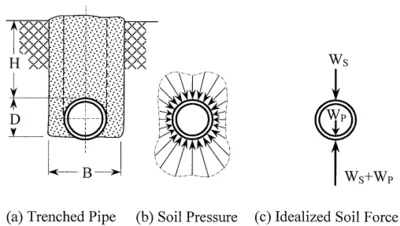
At first glance, the topics looked familiar, but the depth surprised me. The course went beyond basic HDPE properties and got into time‑dependent creep behavior and soil‑structure interaction, which is often glossed over in oil & gas projects. Discussion around thermal expansion under temperature cycling was particularly relevant, especially when compared with steel practices used in gathering lines and power plant cooling water systems in energy utilities. One challenge was reconciling code-based stress limits with manufacturer strain criteria. In practice, those don’t always line up, and the course didn’t pretend they do. The section on restrained vs unrestrained systems highlighted edge cases like partially buried lines near pump stations, where assumptions break down and surge from pump trips becomes the governing case rather than steady-state pressure. A practical takeaway was a clearer method for checking long-term allowable strain considering creep rupture, not just short-term stress. That changes anchoring and thrust block decisions at a system level, especially for buried HDPE replacing legacy steel. Compared with common industry shortcuts, the approach here was more conservative but defensible. Overall, it felt grounded in real engineering practice.

Rajesh R
Student
This course turned out to be more technical than I anticipated. The focus on HDPE behavior under real operating conditions was useful for my work in oil & gas and energy utilities, especially around buried pipelines and water transfer lines. Topics like viscoelastic creep, thermal expansion, and soil–pipe interaction were covered in a way that connected back to field constraints, not just equations. The sections tying HDPE stress checks to ASME B31.4 concepts and utility pressure systems helped fill a gap I had when moving from steel to plastic systems. One challenge was wrapping my head around time‑dependent stress and how to realistically model long‑term temperature and pressure cycles without over‑conservatism. Translating that theory into stress analysis software took some effort and a bit of rework. A practical takeaway was a clearer method for defining load cases, restraint assumptions, and when thrust blocks or anchors actually matter for HDPE. This has already been applied on a small pipeline reroute project where expansion and burial depth were concerns. It definitely strengthened my technical clarity.

sarath Selvaraj
Piping Engineer
This course turned out to be more technical than I anticipated. The focus on HDPE behavior under real operating conditions was useful for my work in oil & gas and energy utilities, especially around buried pipelines and water transfer lines. Topics like viscoelastic creep, thermal expansion, and soil–pipe interaction were covered in a way that connected back to field constraints, not just equations. The sections tying HDPE stress checks to ASME B31.4 concepts and utility pressure systems helped fill a gap I had when moving from steel to plastic systems. One challenge was wrapping my head around time‑dependent stress and how to realistically model long‑term temperature and pressure cycles without over‑conservatism. Translating that theory into stress analysis software took some effort and a bit of rework. A practical takeaway was a clearer method for defining load cases, restraint assumptions, and when thrust blocks or anchors actually matter for HDPE. This has already been applied on a small pipeline reroute project where expansion and burial depth were concerns. It definitely strengthened my technical clarity.

Tarun Kumar
Junior designer
Coming into this course, I had some prior exposure to the subject through oil & gas gathering lines and a few energy utilities water projects, but HDPE stress behavior was always a weak spot. Most of my background was steel under ASME B31, so the viscoelastic side of HDPE, especially creep and temperature derating, was something I hadn’t fully internalized. The course went beyond basic pipe theory and got into thermal expansion management, buried pipe loads, and how sustained vs occasional loads really matter for HDPE. One challenge was working through the long-term hydrostatic strength curves and understanding how they translate into allowable stress over a 20–30 year design life. That part took some re-reading and cross-checking with ISO 4427 and AWWA guidance. A practical takeaway was a clearer approach to defining load cases for aboveground HDPE in utility pipe racks, including restraint spacing and anchor assumptions. That’s already helped on a small gas distribution upgrade where expansion was previously hand-waved. The content felt aligned with practical engineering demands.

Muhammad Shahab
Engineer
Coming into this course, I had some prior exposure to the subject, mostly from oil & gas gathering systems and a few energy utilities water projects. The focus on HDPE behavior versus steel was useful, especially around temperature‑dependent modulus and long‑term creep, which are often glossed over in industry practice. In many utility jobs, stress checks are still treated like rigid pipe with a safety factor, and this course pushed harder on strain‑based design and allowable deformation, which aligns better with how HDPE actually fails. One real challenge was reconciling software outputs with hand checks. The way thermal expansion, Poisson effects, and restraint conditions interact can give non‑intuitive results, particularly for buried lines with partial restraint. Edge cases like pump start‑up surge and uneven soil stiffness were discussed, and those are exactly where HDPE systems get into trouble if assumptions are sloppy. A practical takeaway was a clearer approach to anchor spacing and transitions to steel, considering system‑level impacts like load transfer to valves and fittings. Compared to common oil and gas specs, the methodology here felt more defensible. It definitely strengthened my technical clarity.

Chaitanya Khandekar
Stress Engineer
Initially, I wasn’t sure what to expect from this course. The scope is narrow, but it goes deeper than most HDPE modules I’ve seen in oil & gas and energy utilities training. The sections on thermal expansion and long‑term creep were particularly relevant, especially when compared against how we usually treat steel under ASME B31 assumptions. HDPE’s viscoelastic behavior and time‑dependent modulus were handled realistically, not glossed over. One challenge during the course was reconciling manufacturer creep data with real operating envelopes—temperature cycling, pressure surges, and soil restraint rarely line up as cleanly as the examples suggest. The discussion around soil‑pipe interaction and how poor backfill can dominate stress outcomes was a good reminder of system‑level effects, not just pipe math. Edge cases like steel‑to‑HDPE transitions and anchored vs. unanchored runs were addressed better than expected, and compared well with current gas distribution practices. A practical takeaway was a more disciplined way to screen expansion and anchor spacing before jumping into software, which should save time during early design. Some examples felt simplified, but the logic holds. I can see this being useful in long-term project work.

ANIKET JAGTAP
piping stress engineer
Initially, I wasn’t sure what to expect from this course. HDPE piping stress analysis isn’t something most oil & gas or energy utilities teams cover in depth, and on recent water injection and utility tie-in projects it’s been a real gap. The course went straight into the differences between HDPE and steel, especially viscoelastic behavior, temperature‑dependent modulus, and long-term creep, which is where most designs get shaky. One challenge was wrapping my head around how to properly account for sustained loads over 20–30 years and not over‑constrain the model. The discussion around creep rupture curves and how they affect allowable stresses was particularly useful, even though it took a bit to connect that back to real project inputs. There was also solid coverage of how this plays out in oil & gas gathering lines and energy utilities water systems, where thermal expansion and burial conditions drive most failures. A practical takeaway was learning how to set realistic load cases and anchor spacing assumptions so the stress results actually match field behavior. That alone will save rework on future designs. The content felt aligned with practical engineering demands.
Dave Zhang
Piping Engineer/P. Eng./P.Eng./P,Eng.
At first glance, the topics looked familiar, but the depth surprised me. Coming from oil & gas and energy utilities projects, HDPE piping always felt “simpler” than steel, and this course corrected that assumption pretty quickly. The sections on viscoelastic behavior and long-term creep under sustained loads were especially relevant, since those effects don’t show up the same way they do in ASME B31.3 steel systems. Thermal expansion management and soil–pipe interaction for buried lines were also covered in a way that tied back to real installation constraints. One challenge was wrapping my head around how temperature derating and time-dependent modulus affect stress results in analysis software. It took a bit to unlearn some steel-based habits. The walkthrough of load cases for aboveground versus buried HDPE helped close that gap. A practical takeaway was a clearer method for setting anchor and guide spacing while accounting for surge pressure and temperature swings, which comes up a lot in water and utility transfer lines. This knowledge feels immediately usable, and I can see this being useful in long-term project work.
Ank G
Engineering Manager
This course turned out to be more technical than I anticipated. The focus on HDPE behavior under sustained loads filled a gap left by most oil & gas and energy utilities standards that still lean heavily toward steel assumptions. Time was spent on viscoelastic creep, temperature derating, and how those actually affect stress checks in buried and aboveground runs, which matched issues seen on a gas gathering project last year. One challenge was wrapping my head around how to translate long‑term modulus reduction into practical load cases. The examples helped, but it still took some back-and-forth to reconcile theory with what our stress software can realistically model. Coverage of thermal expansion, anchor spacing, and surge/water hammer considerations was especially relevant for utility pipelines tied into pump stations. A practical takeaway was a clearer approach to defining allowable stresses over design life and not just at installation. That directly changed how restraint spacing is justified on an HDPE fuel transfer line currently in design. The course avoided fluff and didn’t oversimplify code gray areas, which was refreshing. Overall, it felt grounded in real engineering practice.

Initially, I wasn’t sure what to expect from this course. HDPE piping stress analysis isn’t something most oil & gas or energy utilities teams cover in depth, and on recent water injection and utility tie-in projects it’s been a real gap. The course went straight into the differences between HDPE and steel, especially viscoelastic behavior, temperature‑dependent modulus, and long-term creep, which is where most designs get shaky. One challenge was wrapping my head around how to properly account for sustained loads over 20–30 years and not over‑constrain the model. The discussion around creep rupture curves and how they affect allowable stresses was particularly useful, even though it took a bit to connect that back to real project inputs. There was also solid coverage of how this plays out in oil & gas gathering lines and energy utilities water systems, where thermal expansion and burial conditions drive most failures. A practical takeaway was learning how to set realistic load cases and anchor spacing assumptions so the stress results actually match field behavior. That alone will save rework on future designs. The content felt aligned with practical engineering demands.

Sachin Nagavkar
Senior Stress Engineer
This course turned out to be more technical than I anticipated. The focus on HDPE behavior under sustained loads filled a gap left by most oil & gas and energy utilities standards that still lean heavily toward steel assumptions. Time was spent on viscoelastic creep, temperature derating, and how those actually affect stress checks in buried and aboveground runs, which matched issues seen on a gas gathering project last year. One challenge was wrapping my head around how to translate long‑term modulus reduction into practical load cases. The examples helped, but it still took some back-and-forth to reconcile theory with what our stress software can realistically model. Coverage of thermal expansion, anchor spacing, and surge/water hammer considerations was especially relevant for utility pipelines tied into pump stations. A practical takeaway was a clearer approach to defining allowable stresses over design life and not just at installation. That directly changed how restraint spacing is justified on an HDPE fuel transfer line currently in design. The course avoided fluff and didn’t oversimplify code gray areas, which was refreshing. Overall, it felt grounded in real engineering practice.

Muhammad Ramadhan Ismukada Syahrif
Piping Engineer
At first glance, the topics looked familiar, but the depth surprised me. The course went beyond basic pipe mechanics and dug into HDPE’s viscoelastic behavior, which is often glossed over in oil & gas gathering systems and energy utility water networks. The sections on long-term creep rupture and temperature-dependent modulus were especially relevant when compared with how steel pipelines are usually handled under ASME B31 codes. One challenge was reconciling time-dependent strain limits with pressure surge cases near pump stations. In practice, surge analysis in utilities often assumes linear elastic response, and this course forced a rethink of that assumption for HDPE. The discussion on soil–pipe interaction for buried lines was also useful, particularly when considering edge cases like partially restrained installations or transitions to steel at metering skids. A practical takeaway was a clearer method for selecting material properties over the design life rather than defaulting to short-term values, which has real system-level implications for leak risk and maintenance planning. Compared with common industry shortcuts, the analysis framework here was more conservative but defensible. The content felt aligned with practical engineering demands.

Coming into this course, I had some prior exposure to the subject. Most of my background was steel piping in oil & gas facilities, so HDPE always felt a bit hand-wavy on past projects. This course helped close that gap, especially around how viscoelastic behavior actually affects stress analysis over time. One area that stood out was thermal expansion modeling for HDPE in energy utilities, particularly long buried water transmission lines near pump stations. The discussion around temperature-dependent modulus and creep was useful, and also a bit challenging to wrap my head around at first. Shifting away from the usual ASME B31.3 mindset and thinking in terms of strain-based limits took some effort. Another solid section was on restraint conditions and anchor spacing, which tied directly to issues seen on an oil & gas produced-water line project last year. A practical takeaway was a clearer approach to setting up load cases that account for long-term operating temperature rather than just installation conditions. That’s something that can be applied immediately on ongoing utility pipeline work. Overall, it definitely strengthened my technical clarity.

Omkar Sabale
Piping stress engineer
Coming into this course, I had some prior exposure to the subject from oil & gas gathering line work and a few energy utilities projects using HDPE for water and wastewater service. The material went beyond the usual “steel mindset” and forced a rethink around viscoelastic behavior, especially creep rupture and temperature‑dependent modulus, which is still poorly handled in many industry tools. One challenge was reconciling long‑term creep calculations with short‑term surge and installation loads. In practice, those load cases often get mixed or oversimplified, and the course showed where that can lead to non‑conservative anchor and restraint designs. The discussion around soil–pipe interaction and how assumptions change between above‑ground oil & gas headers and buried utility mains was particularly useful. Compared to common B31-style approaches used for steel, the strain‑based acceptance criteria for HDPE were a good reminder that allowable stress thinking doesn’t translate cleanly. A practical takeaway was a clearer workflow for setting up load cases that separate thermal expansion, pressure, and time‑dependent effects, plus sanity checks for edge cases like partially restrained crossings. The content felt aligned with practical engineering demands.

This course turned out to be more technical than I anticipated. Coming from oil & gas pipeline work and some energy utilities projects, most HDPE training I’ve seen stays high level, but this one dug into stress analysis details that actually matter in the field. The sections on thermal expansion, long-term creep behavior, and how HDPE responds differently than steel under sustained loads were especially relevant. Soil-pipe interaction and restraint assumptions tied directly into issues I’ve dealt with on buried water and gas distribution lines. One real challenge was wrapping my head around time-dependent allowable stresses and how to justify them during design reviews. The course didn’t magically simplify that, but it gave a clearer framework for interpreting manufacturer data and applying it consistently in calculations. That filled a gap I’ve had when switching between ASME-style thinking and utility standards. A practical takeaway was learning how to space anchors and guides to control expansion without over-constraining the system, something that can be applied immediately on pump station tie-ins and utility corridors. I can see this being useful in long-term project work.
SARVAGYA KUMAR MISHRA
Engineer
At first glance, the topics looked familiar, but the depth surprised me. Coming from oil & gas and energy utilities projects, HDPE piping always felt “simpler” than steel, and this course corrected that assumption pretty quickly. The sections on viscoelastic behavior and long-term creep under sustained loads were especially relevant, since those effects don’t show up the same way they do in ASME B31.3 steel systems. Thermal expansion management and soil–pipe interaction for buried lines were also covered in a way that tied back to real installation constraints. One challenge was wrapping my head around how temperature derating and time-dependent modulus affect stress results in analysis software. It took a bit to unlearn some steel-based habits. The walkthrough of load cases for aboveground versus buried HDPE helped close that gap. A practical takeaway was a clearer method for setting anchor and guide spacing while accounting for surge pressure and temperature swings, which comes up a lot in water and utility transfer lines. This knowledge feels immediately usable, and I can see this being useful in long-term project work.

Jorge M
Student
Initially, I wasn’t sure what to expect from this course, especially given how thin most material is on HDPE compared to steel systems. The focus on stress analysis for HDPE piping filled a real gap for work done in oil & gas gathering lines and energy utilities distribution networks. Topics like thermal expansion behavior, creep over time, and allowable strain criteria were handled in a way that actually reflects field conditions, not just textbook assumptions. One challenge was wrapping my head around how temperature-dependent modulus and long-term hydrostatic design basis affect load cases. That’s something rarely covered well, and it took some effort to translate it into a workable model. The sections on buried piping, restraint assumptions, and interaction with pump station layouts were immediately relevant to a current pipeline integrity review. A practical takeaway was learning how to set up realistic anchor spacing and expansion scenarios in stress software without over-constraining the model. That alone will save time on future analyses. The course didn’t oversell HDPE, and it was honest about its limits versus steel in higher-pressure systems. Overall, it felt grounded in real engineering practice.

Uzair Sain
PIPING STRESS ENGINEER
Initially, I wasn’t sure what to expect from this course. HDPE piping stress analysis sits in an awkward space between classical steel pipe methods and polymer behavior, and that came through pretty clearly. The sections on viscoelastic creep, long‑term pressure derating, and thermal expansion were directly relevant to oil & gas gathering systems and energy utilities water distribution, where HDPE is often treated too casually compared to steel. One challenge was reconciling the analytical methods with real code guidance. Unlike ASME B31.3 or B31.4, HDPE relies more on manufacturer data and standards like AWWA, which makes edge cases—temperature cycling, partially restrained lines, or above‑ground runs—harder to judge. The course didn’t fully resolve that, but it did frame the problem honestly. A practical takeaway was how to think about restraint and soil‑structure interaction at a system level, especially how small changes in burial conditions or anchor spacing can drive stress and deformation over time. That’s something often missed in industry practice, particularly in utilities work where legacy assumptions carry forward. Overall, it felt grounded in real engineering practice.

Priyanshu Singh
Mechanical Engineer
Coming into this course, I had some prior exposure to the subject from oil & gas gathering line work and a few energy utilities projects using HDPE for water and wastewater service. The material went beyond the usual “steel mindset” and forced a rethink around viscoelastic behavior, especially creep rupture and temperature‑dependent modulus, which is still poorly handled in many industry tools. One challenge was reconciling long‑term creep calculations with short‑term surge and installation loads. In practice, those load cases often get mixed or oversimplified, and the course showed where that can lead to non‑conservative anchor and restraint designs. The discussion around soil–pipe interaction and how assumptions change between above‑ground oil & gas headers and buried utility mains was particularly useful. Compared to common B31-style approaches used for steel, the strain‑based acceptance criteria for HDPE were a good reminder that allowable stress thinking doesn’t translate cleanly. A practical takeaway was a clearer workflow for setting up load cases that separate thermal expansion, pressure, and time‑dependent effects, plus sanity checks for edge cases like partially restrained crossings. The content felt aligned with practical engineering demands.

Harshil Thakarar
Piping Design Engineer
How You're Connected
See the shortest path between you and Thiago Oliveira through the EveryEng network.
No connection path found to this engineer.
Engineering breadth
Thiago Oliveira has demonstrated 0 skills across 1 engineering domains on EveryEng. Each ring shows how much of that domain's skill taxonomy Thiago covers — expand a domain to see specific skills and proficiency levels.