

Article details
1. Introduction: The Evolution of Seismic Design
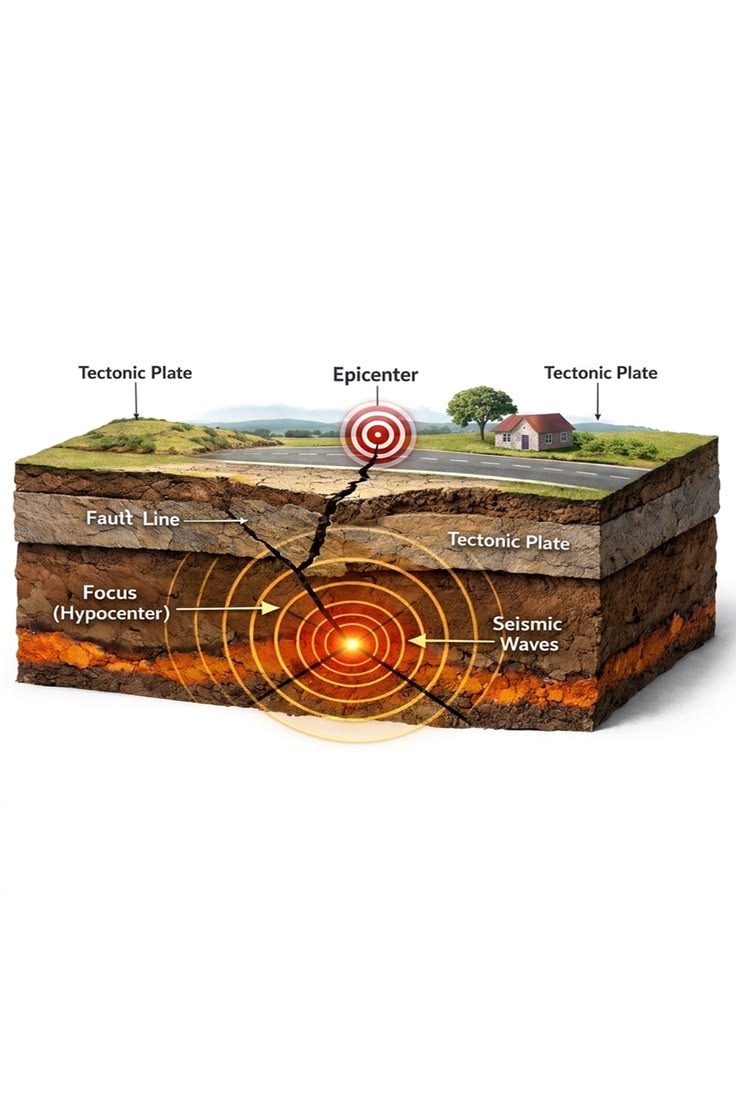
Earthquakes impose immense, unpredictable kinetic energy onto civil infrastructure, testing the absolute limits of structural materials. Historically, building codes relied on ductile yielding—allowing structural beams, columns, and connection joints to bend plastically during a major seismic event. While this energy-dissipating mechanism successfully prevents structural collapse and saves lives, it comes at a steep price: permanent structural damage, expensive post-earthquake repairs, and prolonged building closures.
Modern structural engineering has shifted from simply surviving earthquakes to achieving seismic resilience and operational continuity. By integrating smart base isolation systems and fluid viscous dampers (FVDs) into high-rise buildings, critical facilities, and long-span bridges, engineers can intercept, absorb, and dissipate seismic energy before it wreaks havoc on primary load-bearing frames.
2. The Core Technical Mechanism
Effective seismic mitigation relies on two primary strategies: decoupling the structure from ground motion and dissipating kinetic energy through specialized damping hardware.
A. Base Isolation Systems: Decoupling Ground Motion
Base isolation involves inserting a flexible structural layer between a building's substructure (foundation) and its superstructure.
Elastomeric & Lead-Rubber Bearings: Composed of alternating layers of rubber and steel plates with a central lead core, these bearings provide high vertical load capacity while offering extremely low horizontal stiffness.
Friction Pendulum Systems (FPS): Articulated sliders resting on concave spherical stainless steel surfaces use pendulum physics to lengthen the natural period of the structure.
By lengthening the natural period of the building far beyond the dominant high-frequency energy waves of an earthquake, base isolators act as shock absorbers for the entire structure, reducing seismic accelerations transmitted to upper floors by up to 70–80%.
B. Fluid Viscous Dampers (FVDs): Energy Dissipation
When base isolation alone is insufficient—particularly in slender supertall towers or long-span bridges subjected to multi-directional ground shaking—Fluid Viscous Dampers are deployed within structural bracing systems.
Hydraulic Operation: An FVD operates similarly to heavy-duty automotive shock absorbers. It consists of a sealed, stainless steel cylinder filled with silicone fluid and a piston head with precision flow orifices.
Out-of-Phase Damping: As an earthquake causes structural inter-story drift, the piston rod is forced through the fluid chamber. The restricted passage of fluid generates high damping forces. Crucially, these damping forces peak when structural velocity is highest (at the neutral point of displacement), whereas structural elastic stress peaks at maximum displacement. This 90-degree phase shift prevents resonant amplification.
Energy Conversion: FVDs convert destructive kinetic energy into harmless thermal energy, dissipating it safely out of the structural framework.
3. Practical Applications in Infrastructure
Integrating dampers and isolators transforms how structures behave during extreme seismic events across various civil engineering disciplines:
A. High-Rise Towers and Diagonal Bracing
In tall buildings, FVDs are typically integrated into chevron or diagonal steel bracing frames. During severe winds or earthquakes, the dampers absorb lateral sway forces, reducing inter-story drift and preventing secondary non-structural damage (such as cracked drywall, shattered glass, and broken MEP lines) that typically paralyze building operations after a disaster.
B. Bridge Piers and Viaducts
Long-span bridges and highway viaducts are vulnerable to out-of-phase movements between adjacent deck spans and support piers. Installing fluid viscous dampers at expansion joints and bearing seats limits relative displacement during seismic shaking, protecting fragile concrete columns from shear failure and keeping critical transportation lifelines open for emergency response.
Conclusion
Earthquake mitigation has evolved from accepting structural damage toward active energy management. By combining base isolation to decouple buildings from ground acceleration with fluid viscous dampers to dissipate kinetic energy as heat, civil engineers can protect primary structural members and keep them within their elastic limits. This advanced approach ensures that critical infrastructure not only survives major seismic events, but remains safe, operational, and resilient for the future.