

Article details
Pipeline Engineering: Principles, Systems, and Modern Practices
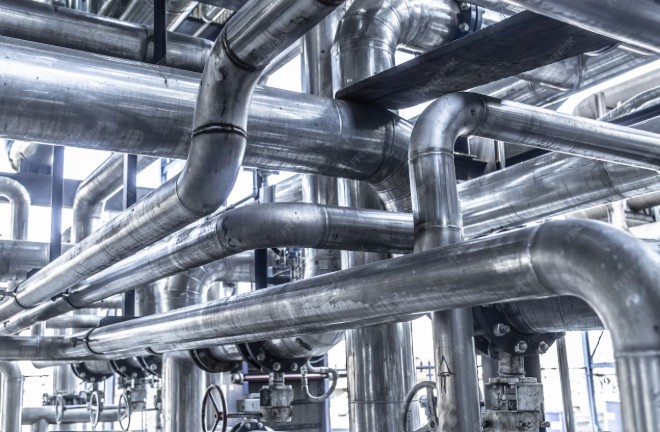
Pipeline engineering is a specialized branch of engineering focused on the design, analysis, construction, operation, and maintenance of pipelines used to transport fluids such as oil, gas, water, chemicals, and slurries over long distances safely and efficiently. From cross-country crude oil pipelines to city water distribution networks and high-pressure gas transmission lines, pipelines form the invisible backbone of modern infrastructure and energy systems.
As global demand for energy, water, and industrial products grows, pipeline engineering has evolved into a multidisciplinary field that blends mechanical engineering, civil engineering, materials science, corrosion engineering, instrumentation, and safety management.
Historical Perspective and Importance
Pipelines have existed in rudimentary forms since ancient civilizations used clay pipes to transport water. Modern pipeline engineering, however, took shape during the industrial revolution and expanded rapidly with the discovery of petroleum and natural gas. Today, thousands of kilometers of pipelines operate across continents, oceans, deserts, mountains, and cities.
Countries with vast energy resources—such as United States, Russia, Saudi Arabia, and India—depend heavily on pipeline networks for energy transportation. In India, major trunk lines operated by GAIL (India) Limited and Indian Oil Corporation Limited connect refineries, terminals, and consumption centers across states.
Pipelines are preferred over road, rail, or marine transport because they offer:
Continuous and uninterrupted flow
Lower operating cost over long distances
High safety when properly designed
Minimal environmental footprint
Reduced human intervention
Types of Pipelines
Pipeline systems vary depending on the fluid, pressure, terrain, and application.
1. Oil Pipelines
Used for transporting crude oil and refined petroleum products from wells to refineries and from refineries to depots.
2. Gas Pipelines
High-pressure pipelines transporting natural gas across long distances to cities and industries.
3. Water Pipelines
Used in municipal supply, irrigation, and industrial water transport.
4. Slurry Pipelines
Carry mixtures of solids and liquids, such as coal slurry or mineral concentrates.
5. Chemical Pipelines
Transport hazardous and corrosive chemicals within industrial plants.
Key Engineering Disciplines in Pipeline Projects
Pipeline engineering is not limited to laying pipes in the ground. It involves several technical domains:
Route Selection and Survey
Engineers analyze terrain, soil conditions, population density, environmental constraints, and right-of-way issues before deciding the pipeline route.
Hydraulic Design
Determining pipe diameter, flow rate, pressure drop, pump/compressor requirements, and fluid properties.
Mechanical Design
Wall thickness calculation, stress analysis, flexibility analysis, and material selection according to codes.
Structural and Civil Engineering
Trenching, river crossings, road crossings, supports, and anchor blocks.
Materials and Corrosion Engineering
Coatings, cathodic protection, and corrosion allowance to ensure long service life.
Instrumentation and Control
SCADA systems, leak detection, pressure monitoring, and flow control.
Codes and Standards Governing Pipeline Engineering
Pipeline design must comply with international standards to ensure safety and reliability. The most widely followed codes include:
American Society of Mechanical Engineers (ASME) B31 Series
B31.4 – Liquid transportation systems
B31.8 – Gas transmission and distribution
B31.3 – Process piping (within plants)
American Petroleum Institute (API) Standards
API 5L – Line pipe specification
API 1104 – Welding of pipelines
International Organization for Standardization (ISO) 13623 – Petroleum and natural gas industries pipeline transportation systems
Compliance with these codes ensures structural integrity, operational safety, and regulatory acceptance.
Design Considerations in Pipeline Engineering
Pipe Material Selection
Carbon steel is commonly used due to strength and cost effectiveness, while stainless steel and HDPE are used for corrosive and low-pressure applications.
Wall Thickness Calculation
Based on internal pressure, material strength, design factor, corrosion allowance, and safety factor.
Stress Analysis
Pipelines experience stresses due to:
Internal pressure
Temperature changes
Soil movement
Seismic activity
External loads
Thermal Expansion and Flexibility
Long pipelines expand and contract with temperature. Expansion loops and anchors are designed to accommodate movement.
Corrosion Protection
External coatings (3LPE, FBE)
Cathodic protection (impressed current or sacrificial anode)
Internal corrosion inhibitors
Construction Techniques
Pipeline construction varies depending on terrain and environment:
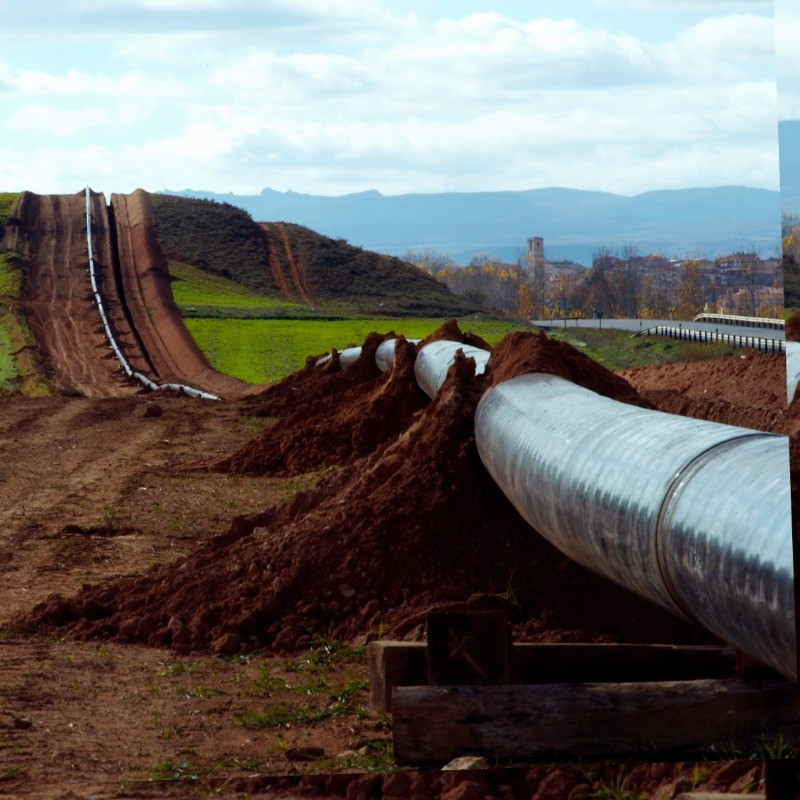
Open trench method (most common)
Horizontal Directional Drilling (HDD) for river/road crossings
Above-ground pipelines on supports in deserts or rocky areas
Subsea pipelines for offshore fields
Each method requires strict quality control during welding, coating, lowering, backfilling, and hydrostatic testing.
Testing and Commissioning
Before commissioning, pipelines undergo rigorous tests:
Hydrostatic pressure testing
Pigging and cleaning
Non-destructive testing (NDT) of welds
Leak detection checks
SCADA calibration
These tests verify mechanical strength and leak-tightness.
Operation and Maintenance
Pipeline operation involves continuous monitoring of:
Pressure and flow rates
Temperature
Leak detection systems
Corrosion monitoring
Maintenance activities include intelligent pigging, cathodic protection surveys, and periodic inspections.
Safety and Risk Management
Pipelines carry hazardous fluids under high pressure, making safety critical. Risk management includes:
Hazard identification (HAZID)
Quantitative risk assessment (QRA)
Emergency response planning
Right-of-way monitoring
Modern pipelines integrate real-time monitoring systems to quickly detect anomalies.
Environmental and Regulatory Considerations
Pipeline projects must address:
Environmental impact assessment (EIA)
Forest and wildlife clearances
Land acquisition and social impact
Spill containment planning
Sustainable practices and strict compliance reduce environmental risks.
Role of Digital Technologies
Modern pipeline engineering uses:
GIS for route planning
SCADA for monitoring
Drone inspections
Digital twins and predictive maintenance
AI-based leak detection algorithms
These technologies enhance reliability and reduce operational costs.
Career Opportunities in Pipeline Engineering
Pipeline engineering offers diverse career roles:
Pipeline design engineer
Stress analysis engineer
Corrosion engineer
Construction engineer
Integrity engineer
SCADA and instrumentation specialist
Industries include oil & gas, water utilities, petrochemicals, and infrastructure development.
Future of Pipeline Engineering
With the global shift toward cleaner energy, pipelines are now being adapted for:
Hydrogen transport
CO₂ pipelines for carbon capture
Biofuel transportation
Pipeline engineers will play a key role in enabling the energy transition.
Conclusion
Pipeline engineering is a vital discipline that ensures the safe, efficient, and economical transportation of essential fluids across vast distances. It combines technical precision, safety awareness, environmental responsibility, and modern technology. As infrastructure demands grow and energy systems evolve, the importance of skilled pipeline engineers will continue to rise.
From route selection to commissioning and long-term integrity management, pipeline engineering remains at the heart of industrial progress and sustainable development.


 Aug 29, 2026


