
Courses
Courses Mohamed FadlAllah has authored or contributed to.
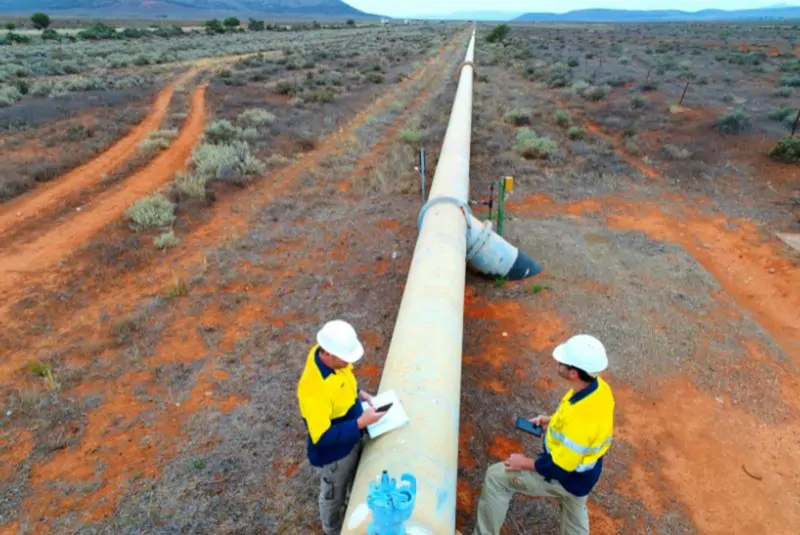
Onshore Pipeline Engineering: A Career Guide
Mohamed FadlAllah • E-Learning
Free
View Course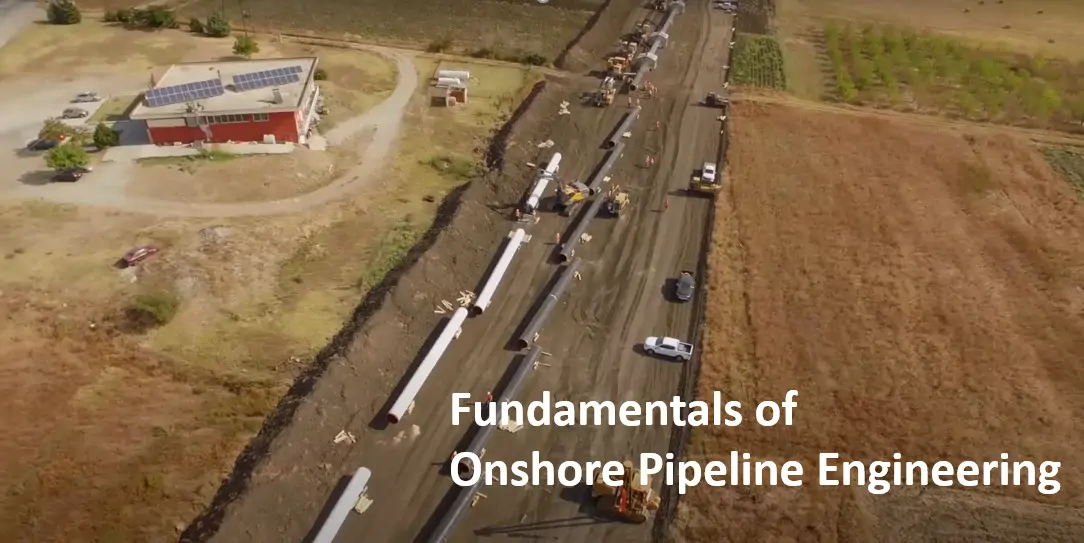
Master Onshore Pipeline Engineering: Comprehensive Course from Basics to Advanced Concepts
Mohamed FadlAllah • E-Learning
₹89,999
Articles
Articles Mohamed FadlAllah has authored or contributed to.

Total Experience
6 Years
Current Company / College
Petroleum Pipelines Company
City
Cairo
Professional Experience
7 Years - Pipeline Engineer
Reviews
Feedback from participants who've learned with Mohamed FadlAllah.
Chapter 4's MAOP calc walkthrough made pipeline basics click; it's mostly practical, though I wished for more on integrity digs.

Came in to sanity-check it for L&D spend and ended up learning more than expected, bridging old field heuristics with how we explain infra choices now. The pressure design chapter stuck, especially the worked Barlow’s formula example where they tweak safety factors and show how wall thickness shifts under a small RPS change. It’s beginner oilgas, but the arch framing maps cleanly to how we review specs in a repo and tighten PRs—my notes are clearer already. Mostly worked; I wasn't sold on the short integrity management section and wished for more on ILI tradeoffs.

Mithun VM
--
Good orientation to oilgas pipeline infra; the Chapter 2 table comparing ASME B31.4 vs B31.8 and the MAOP calc example stuck. As a beginner guide it's mostly fine, but I wasn't sold on the permitting section—wished there was more on ROW sequencing and how it shows up in early arch decisions.

Joined halfway through the modules and still got oriented fast, which matters when you’re fitting this between prod fires. The section that stuck was Chapter 4’s worked example sizing wall thickness from MAOP, then tying it to corrosion allowance; seeing the numbers move beat slides. The instructor’s aside on how ROW permitting timelines mess with arch decisions felt real, not academic, and maps cleanly to how infra work actually gets blocked. It's beginner-level, mostly, and I wasn’t sold on the quick skim of hydrotest acceptance criteria; wished there was more on failure modes and obs during commissioning. Still, the way the case study traces a change from calc to drawing to a mock PR in the repo mirrors day-to-day review flow. For oilgas folks new to pipelines, it connects dots without pretending you’re running k8s. I’ll probably be sharper on comments in my next PR, especially around assumptions that sneak past CI.

Rushikesh Patil
Engineer
Team debates around a new onshore line mirrored a lot of the questions this course pokes at, so it landed at the right time. As a grad entrant, it's been helpful seeing theory tied to infra choices like route selection, wall thickness, and how ops constraints show up later in prod. The moment that stuck was Chapter 4’s MAOP walkthrough using Barlow, then flipping to the example where a class location change forces a recheck; that felt close to a real PR comment. There's also a clear section on construction sequencing and hydrotest hold times—small detail, but it explained why schedules slip. Mostly good, though I wasn't sold on the quick pass over integrity management and pigging; wished there was a bit more on obs data once the line is live. went from accepting “it works” to understanding why certain calls get made.

José Mussa
--
Good framing for non-oilgas engineers; the Chapter 2 ROW permitting flowchart and the hydrotest volume calc example made the physical infra constraints concrete. It's mostly high-level, which fits beginner, but I wasn't sold on the brief arch vs ops split—wished there was more on prod handoff and obs once the line's live.

The Module 3 ROW permitting walkthrough—especially the county checklist—connected classroom specs to real infra work, and Chapter 5's corrosion case made pressure class math stick in field obs. It's a clear ramp for beginner/intermediate folks into oilgas pipelines, though I wasn't sold on the skim of hydrotest calcs and wanted more on tie-in sequencing.

MD ZISHAN
ENGINEER
Good grounding for hires; the Module 4 ROW permitting walkthrough and county variance example stuck because it's close to what lands on my desk in oil & gas infra. Not sold on the brief hydrotest math section—I wished there was more on ASME B31.8 edge cases before letting folks touch prod PRs they don't know.

Muhammad Ramadhan Ismukada Syahrif
Piping Engineer
Content assumes you’ve at least walked a terminal and seen a P&ID, which I liked; it skips the kindergarten stuff and gets to how lines actually behave in the field. The section on ASME B31.8 where they walk through a hydrotest pressure calc and then tie it back to MAOP stuck with me, especially the example showing what breaks first when temp swings. I’m a freelancer bouncing between infra gigs, so mapping that to real obs from prod incidents in energyutilities felt practical, not academic. there's also a short chapter on ROW constraints and valve spacing that helped me explain tradeoffs to a client without dragging out a whiteboard. Mostly worked for me, though I wasn’t sold on the corrosion module—it rushed CP and I wished there was more on inspection intervals. I’ve already reused the throughput vs pressure loss example when scoping a small expansion, and that alone saved me a few back-and-forths.

Shehbaaz khan
Technical Sales Engineer
Hit a conceptual ceiling around onshore pipelines; this course broke it cleanly without fluff. The section on class location and MAOP, especially the worked ASME B31.8 example, stuck because it mapped decisions to cost and schedule impacts my team actually argues about in infra reviews—I’ve reused that framing in PRs. wasn't sold on the brief detour comparing pipeline ops to k8s-style obs; helpful, but thin. Still, it's a pragmatic take on oilgas pipelines that skips the over-complication and stays usable between meetings.

Benedict Edike
Engineer/Piping/HND/Piping
This course assumes you've already tripped over the usual pitfalls and want a cleaner path through onshore pipeline work. The MAOP calc walkthrough in the design module, where they step through Barlow and then tie it to a PHMSA class location example, stuck because it's exactly what clients ask for when scoping infra. I wasn't sold on the career-planning bits early on and wished there was more on vendor coordination during hydrotest prep. The quality stays pretty even across modules, which I've found is rare.

chetan anand
--
The syllabus read heavy, but the lectures stayed lean and scoped. The MAOP walkthrough in the Design Basis module, running ASME B31.8 math through a class-location flip at milepost 42, stuck. as a software arch guy, mapping valve spacing and ROW constraints to infra tradeoffs felt like prod capacity planning; fewer slides, more obs. I wasn't sold on the light treatment of permitting risk in oilgas, and I'd have liked a repo of calc sheets, but it's good enough that I've gone back twice to re-read sections.

Been around long enough to spot padding; this wasn't that. The chapter on ASME B31.8 MAOP calc with the spreadsheet walk-through stuck; seeing how a valve spacing decision ripples through arch and ops was useful for mentoring juniors. Mostly aimed at beginners, so I wasn't sold on the skimpy failure modes section; wished there was more on oilgas integrity mgmt and obs once in prod. Still, the hydraulics example converting RPS to line fill finally demystified what felt like magic under the hood.

At first glance the syllabus looked heavy, yet the delivery stayed lean and paced. The chapter on ASME B31.8 class locations, especially the worked example on MAOP vs hydrotest margins, stuck; the numbers tracked like a clean PR review in prod infra. It's beginner-friendly, but I wasn't sold on the corrosion section; wished for more on coatings vs CP tradeoffs and a brief pigging failure case. Good enough that I've circled back twice to re-read the design-factor table and right-of-way permitting notes.

Felt like dropping into a senior engineer’s whiteboard session, translated well for someone used to prod and infra decisions. The MAOP walkthrough in the hydraulics section stuck, especially the example where a small elevation change flipped the safety margin; that’s the kind of thing you’d catch before a PR, not after. It's mostly beginner-level, and I wasn't sold on the light coverage of integrity management; wished there was more on inline inspection data, even a quick nod for oilgas folks. walked out with clearer opinions on tradeoffs, not just more notes.

Harshit Pal
--
The async handoffs between survey, ROW, and construction were my blocker, and this tackled that head-on. The Module 2 timeline that walks a permit change from environmental review to field rework stuck, especially the SCADA alarm example tied back to ops obs and infra, not just paper. I've got minor gripes: the leak detection math felt rushed, and I wasn't sold on the brief oilgas market overview. still, it nudged how I think about scaling crews and throughput in prod, more like managing RPS than heroics.

Kept catching myself jotting notes I’d actually reuse later, which doesn’t happen much with beginner courses. The early arch framing of how onshore pipelines fit into oilgas infra felt grounded, and the Class Location walkthrough in the MAOP calculation section (the step-by-step hoop stress example) stuck because it mirrors how I sanity-check numbers in prod. It’s not trying to be flashy; it maps concepts to field constraints in a way that translates to PRs and design reviews, even if the tooling analogies lean old-school. I wasn’t sold on the short HDD crossing segment—would’ve liked more failure modes and obs from recent projects—but for an intro it mostly lands. Some comparisons to CI gates and change control helped bridge worlds, even if k8s metaphors only go so far. This has moved off my watch pile and into the list I pass around when juniors ask where to start.
Came in trying to tighten how we document infra work, but module 2 dragged a bit and the labs assume you’ve already got the Excel templates wired up. After that, it picked up. The Chapter 4 MAOP calc walkthrough stuck with me—the Barlow equation sheet and how they annotate assumptions felt like something I’d actually keep in a repo and reference during a PR review. Good gap-filler for beginners jumping into oilgas without much arch context. I liked the ROW permitting checklist in Chapter 6 too; practical, not fluffy. It’s not flashy, but it helped me connect field constraints to design choices, and the examples felt closer to working calc sheets than toy demos most courses ship.

At first glance, the topics looked familiar, but the depth surprised me. The sections on hydraulic analysis and stress/flexibility design went beyond the usual oil & gas overview and actually tied assumptions back to field constraints, like elevation-driven transients and seasonal throughput changes. Coverage of ASME B31.4/B31.8 alignment with real construction practices felt closer to what’s done on active onshore projects than what’s typically taught. One challenge was keeping track of the system-level interactions between corrosion control, coating selection, and long-term integrity management. In practice, those decisions get split across teams, and the course made it clear how easy it is to create problems at interfaces, especially for energy utilities that later repurpose lines for water or mixed service. The discussion on edge cases—such as road crossings, unstable soils, and tie-ins near existing facilities—matched issues commonly seen in oil & gas brownfield work. A practical takeaway was the structured way to sanity-check hydraulic models against operating data before locking wall thickness or pump sizing. That’s directly applicable and not common in chemical or pharmaceutical pipeline design, where margins are often handled differently. Overall, it felt grounded in real engineering practice.
Tarak Komara
--
Initially, I wasn’t sure what to expect from this course given my background in oil & gas pipeline projects and energy utilities work. The content went deeper than anticipated, especially around hydraulic analysis and stress/flexibility checks tied to ASME B31.4/B31.8. One thing that stood out was how the course handled edge cases like river crossings and high-consequence areas, which often get oversimplified compared to real-world constraints. A challenge came up while working through the transient flow examples. Matching surge analysis assumptions with how compressor stations actually operate in the field took some effort, and the course didn’t completely smooth that gap. Still, it was useful to see the system-level implications of valve closure timing on downstream integrity. Compared to typical industry practice, the integrity management section was more structured, particularly around corrosion control and inline inspection planning. In chemical and pharmaceutical pipelines, that level of rigor is often assumed but not well documented; here it was spelled out. A practical takeaway was the clearer framework for MAOP verification and wall thickness selection when regulatory and land access constraints conflict. That’s something that will directly influence how future route selection studies are framed. I can see this being useful in long-term project work.

This course turned out to be more technical than I anticipated. The depth on onshore pipeline hydraulics and stress analysis went beyond the usual overview and felt closer to what’s actually done on oil & gas transmission projects. Route selection discussions tied soil mechanics and constructability into the design choices, which aligns better with field reality than the purely theoretical approaches often seen. Coverage of ASME B31.4/B31.8 and integrity management practices reflected current industry expectations in both oil & gas and energy utilities, especially around corrosion control and inspection planning. One challenge was keeping up with how many variables interact at once—hydraulics, wall thickness, temperature effects, and construction constraints don’t stay neatly separated. Some edge cases, like river crossings or high-consequence areas near populated zones, highlighted how conservative assumptions can ripple through the whole system design and cost model. A practical takeaway was a clearer framework for linking hydraulic calculations with material selection and long-term integrity strategy, rather than treating them as separate tasks. Compared with past projects, this approach should reduce late-stage redesigns and surprises during commissioning. I can see this being useful in long-term project work.

Sudherson Jagannathan
engineer
Coming into this course, I had some prior exposure to the subject from oil & gas transmission projects, but the material went deeper than expected in a few key areas. The sections on hydraulic analysis and stress design under ASME B31.8 were particularly grounded in real pipeline behavior, not just ideal calculations. Coverage of corrosion control and integrity management tied in well with how energy utilities actually operate long-lived assets, especially when pipelines start interfacing with chemical and pharmaceutical users who demand tighter contamination control. One challenge was reconciling the code-based design approach with constructability and terrain constraints. The course highlighted edge cases like road crossings and differential settlement, which are often glossed over but tend to drive most field changes. Compared with some industry practices I’ve seen, the emphasis on early route selection tradeoffs and geohazard screening was more systematic and less reactive. A practical takeaway was the reminder to always validate steady-state hydraulic designs against transient scenarios during pump trips or valve closures. That systems-level view, linking design, construction, and long-term operation, was useful. It definitely strengthened my technical clarity.

Initially, I wasn’t sure what to expect from this course, given how crowded pipeline content already is in the oil & gas space. What stood out was how the material tied design calculations back to construction and long‑term integrity, which is often missing in energy utilities training. The sections on hydraulic profiling and wall thickness selection were solid, especially when pressure transients and elevation changes were treated as system-level issues rather than isolated checks. One challenge was the pace of the stress and flexibility analysis module. It assumes comfort with codes like ASME B31 and jumps quickly into load combinations; a brief comparison with how these checks are simplified in real EPC workflows would have helped. Still, edge cases like road crossings, high water table soils, and corrosion under insulation were handled realistically and aligned with what’s seen on operating pipelines. Compared with industry practice, the integrity management portion was closer to how operators actually think, particularly around corrosion control and inspection intervals rather than textbook frequencies. A practical takeaway was the clearer linkage between route selection decisions and future OPEX, something chemical and pharmaceutical utilities often underestimate when repurposing lines. It definitely strengthened my technical clarity.

Coming into this course, I had some prior exposure to the subject, mostly from oil & gas transmission projects tied into broader energy utilities networks. What stood out was how the material linked hydraulic design, stress analysis, and integrity management instead of treating them as silos. The sections on ASME B31.4/B31.8 interpretation reflected how these codes are actually applied in industry, including edge cases like road crossings and class location changes that tend to get oversimplified on the job. One challenge was keeping the system-level view during the advanced stress and flexibility modules. It’s easy to run software and miss constructability constraints, especially when soil data is poor or conservative assumptions start driving wall thickness beyond what procurement can realistically source. The course handled that tension better than most, and the discussion around corrosion control trade-offs versus inspection frequency was particularly relevant to long-term operations. A practical takeaway was a clearer framework for route selection decisions, balancing hydraulic efficiency against permitting and maintenance access. Compared to some internal company training, this went deeper into why certain compromises are made. Overall, it felt grounded in real engineering practice.

Shahbaz Ali
--
At first glance, the topics looked familiar, but the depth surprised me. Working mostly in oil & gas transmission, the sections on hydraulic analysis and ASME B31.8 design went beyond what’s usually covered in day‑to‑day design reviews. Route selection tied to constructability and environmental constraints was especially relevant, since recent energy utilities projects I’ve been on struggled with late changes driven by soil and ROW issues. One challenge was keeping up with the pace in the stress and flexibility analysis modules. The examples were solid, but it took a second pass to fully connect the theory with real pipeline restraint conditions and temperature effects. Still, that effort paid off. A practical takeaway was the structured approach to wall thickness and MAOP calculations, including how corrosion allowance and future integrity management tie back to early design decisions. That’s already influenced how I review vendor calculations and align them with inspection and monitoring plans during operations. The integrity management and corrosion control sections also helped close a knowledge gap between design and long-term operation, which is often overlooked in oil and gas projects. This feels directly applicable to ongoing work, not just academic. I can see this being useful in long-term project work.

Anup Kumar Dey
Owner of https://whatispiping.com/
Initially, I wasn’t sure what to expect from this course, given how many pipeline courses stay at a conceptual level. This one went deeper into oil & gas realities, especially around hydraulic analysis, MAOP determination, and how ASME B31.4/B31.8 requirements actually drive wall thickness and material selection. The sections tying corrosion control to integrity management were solid, and the comparison between liquid lines and gas transmission systems reflected what’s seen in energy utilities versus upstream oil and gas operations. One challenge was the pace when multiple standards were referenced back-to-back. Jumping between API, ASME, and ISO without a consolidated comparison table took some effort, particularly when stress analysis assumptions changed depending on jurisdiction. Edge cases like road crossings, high consequence areas, and unstable soils were handled better than expected, and the discussion on construction tolerances versus design assumptions mirrored field experience. A practical takeaway was the structured approach to route selection and risk ranking, which is directly usable on early-phase projects. The course also highlighted system-level implications, like how small hydraulic conservatisms can cascade into compressor sizing or pump station spacing. Overall, it felt grounded in real engineering practice.

Coming into this course, I had some prior exposure to the subject, mostly from oil & gas transmission projects tied into broader energy utilities networks. What stood out was how the material linked hydraulic design, stress analysis, and integrity management instead of treating them as silos. The sections on ASME B31.4/B31.8 interpretation reflected how these codes are actually applied in industry, including edge cases like road crossings and class location changes that tend to get oversimplified on the job. One challenge was keeping the system-level view during the advanced stress and flexibility modules. It’s easy to run software and miss constructability constraints, especially when soil data is poor or conservative assumptions start driving wall thickness beyond what procurement can realistically source. The course handled that tension better than most, and the discussion around corrosion control trade-offs versus inspection frequency was particularly relevant to long-term operations. A practical takeaway was a clearer framework for route selection decisions, balancing hydraulic efficiency against permitting and maintenance access. Compared to some internal company training, this went deeper into why certain compromises are made. Overall, it felt grounded in real engineering practice.

This course turned out to be more technical than I anticipated. The depth on onshore pipeline design went beyond slides and actually reflected what shows up in oil & gas and energy utilities projects. The sections on hydraulic analysis and wall thickness selection using ASME B31.4/B31.8 were solid, especially when pressure transients and elevation changes were treated as system-level issues rather than isolated calculations. Corrosion control and integrity management were also handled realistically, with internal corrosion and coating damage discussed alongside inspection methods. One challenge was keeping track of how different code requirements interact with local regulatory constraints during route selection. That’s something even experienced engineers trip over, and it would have helped to see one more worked example. Still, the treatment of edge cases—like crossings in high consequence areas and thermal expansion in long restrained segments—matched what’s seen in operating assets. A practical takeaway was a clearer framework for linking stress analysis, constructability, and long-term maintenance instead of treating them as separate phases. Compared to typical industry training, this felt less theoretical and closer to how multidisciplinary pipeline teams actually work. The content felt aligned with practical engineering demands.
At first glance, the topics looked familiar, but the depth surprised me. The sections on hydraulic analysis and stress/flexibility design went beyond the usual oil & gas overview and actually tied assumptions back to field constraints, like elevation-driven transients and seasonal throughput changes. Coverage of ASME B31.4/B31.8 alignment with real construction practices felt closer to what’s done on active onshore projects than what’s typically taught. One challenge was keeping track of the system-level interactions between corrosion control, coating selection, and long-term integrity management. In practice, those decisions get split across teams, and the course made it clear how easy it is to create problems at interfaces, especially for energy utilities that later repurpose lines for water or mixed service. The discussion on edge cases—such as road crossings, unstable soils, and tie-ins near existing facilities—matched issues commonly seen in oil & gas brownfield work. A practical takeaway was the structured way to sanity-check hydraulic models against operating data before locking wall thickness or pump sizing. That’s directly applicable and not common in chemical or pharmaceutical pipeline design, where margins are often handled differently. Overall, it felt grounded in real engineering practice.

This course turned out to be more technical than I anticipated. Coming from an oil & gas background, the deep dive into ASME B31.4/B31.8 requirements and onshore pipeline stress analysis helped close a few gaps left from learning things piecemeal on projects. The sections on hydraulic analysis and pressure control were especially relevant, since current work involves tying a new crude line into existing energy utilities infrastructure. One challenge was keeping pace with the integrity management and corrosion control modules. Concepts like coating selection, CP design basics, and inline inspection data interpretation were dense, and it took a second pass to connect them to real operating scenarios. Still, that effort paid off when reviewing a pigging and inspection plan at work and actually understanding the assumptions behind it. A practical takeaway was a clearer, step-by-step approach to wall thickness calculations and code compliance checks, which is already being reused for early feasibility estimates. The construction and NDT coverage also helped frame better questions for contractors during bid evaluations. Overall, the material filled a real knowledge gap between design theory and field execution. The content felt aligned with practical engineering demands.

Sreejith Menon
Engineer
Coming into this course, I had some prior exposure to the subject through oil & gas pipeline projects, but most of it was fragmented and learned on the job. The structured coverage of route selection, hydraulic analysis, and ASME/API code application helped close a real knowledge gap, especially around how early design decisions affect long-term integrity. Stress and flexibility analysis was an area that finally clicked, mainly because the examples tied back to real onshore constraints like soil movement and road crossings. One challenge was keeping up with the volume of standards referenced. Jumping between ASME B31.4, B31.8, and integrity requirements took some effort, and a few sections required a second pass. Still, that mirrors real work in energy utilities and oil & gas, where nothing sits in one document anyway. A practical takeaway was the step-by-step approach to wall thickness selection and corrosion allowance. That workflow was immediately usable on a brownfield pipeline review currently on my desk. The integrity management and leak detection discussions were also relevant for interfacing with operations teams, something often missing in design-focused training. It definitely strengthened my technical clarity.

How You're Connected
See the shortest path between you and Mohamed FadlAllah through the EveryEng network.
No connection path found to this engineer.
Engineering breadth
Mohamed FadlAllah has demonstrated 3 skills across 1 engineering domains on EveryEng. Each ring shows how much of that domain's skill taxonomy Mohamed covers — expand a domain to see specific skills and proficiency levels.