

Article details
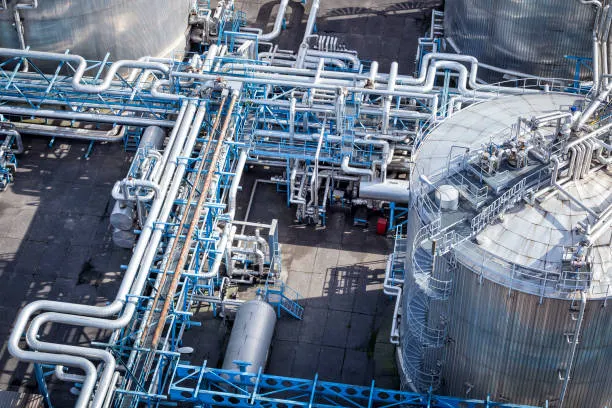
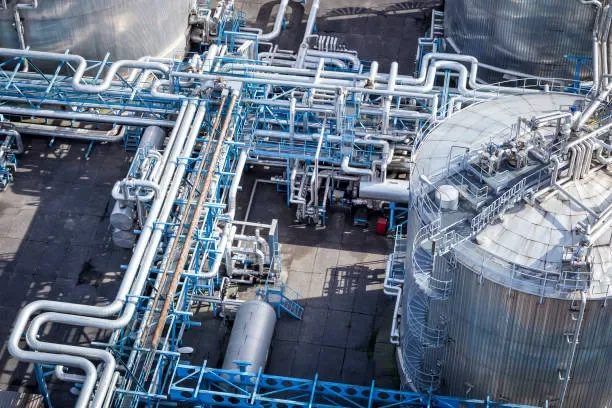
When you look at a large oil refinery, power plant, chemical facility, or manufacturing plant, one of the first things you notice is the complex network of pipes running throughout the facility. These pipes transport liquids, gases, steam, chemicals, and other materials from one piece of equipment to another.
Designing this complex network is the responsibility of piping engineering.
Piping engineering is a specialized engineering discipline that combines mechanical engineering principles, process requirements, materials science, structural considerations, and safety requirements to create reliable piping systems.
But piping engineering is much more than simply deciding where a pipe should go. It involves everything from selecting pipe materials and sizes to analyzing thermal expansion, designing supports, preparing drawings, and ensuring compliance with engineering codes and standards.
Let's take a closer look at what piping engineering means and why it is so important.
What Is Piping Engineering?
Piping engineering is the engineering discipline involved in designing, analyzing, selecting, installing, and maintaining piping systems used to transport fluids and gases.
A piping system typically consists of pipes and a wide range of components such as valves, fittings, flanges, supports, strainers, expansion joints, and instruments.
The main objective is to develop a piping system that can safely transport its contents under specified operating conditions while remaining economical, accessible, and reliable.
A piping engineer must consider questions such as:
What size should the pipe be?
Which material should be used?
What pressure and temperature will the pipe experience?
How should the pipe be routed?
How will thermal expansion be accommodated?
Where should supports be installed?
Will the piping impose excessive loads on connected equipment?
Can operators and maintenance personnel safely access the system?
Which codes and standards apply?
These questions demonstrate why piping engineering is an important part of industrial project design.
Where Is Piping Engineering Used?
Piping engineering is essential wherever fluids or gases need to be transported within an industrial facility.
Some of the major industries include:
Oil and gas
Petrochemical
Chemical processing
Power generation
Pharmaceutical manufacturing
Water treatment
Food and beverage
Mining
LNG and gas processing
Steel and metal processing
For example, in an oil refinery, piping systems transport crude oil, fuel, steam, cooling water, chemicals, and various intermediate and finished products between process units and equipment.
In a power plant, piping systems may transport steam, feedwater, cooling water, fuel, and other utilities.
Why Is Piping Engineering Important?
A piping system may look simple from the outside, but industrial piping can operate under extremely demanding conditions.
Some systems carry fluids at very high pressures. Others operate at temperatures ranging from extremely cold to extremely hot. Certain systems transport toxic, corrosive, or highly flammable materials.
A piping failure can therefore result in:
Production interruptions
Equipment damage
Environmental releases
Safety hazards
Expensive repairs
Loss of revenue
Proper piping engineering helps reduce these risks.
A well-designed system should not only function during normal operation but should also account for conditions such as startup, shutdown, maintenance, thermal expansion, pressure changes, wind, and seismic loads where applicable.
What Does a Piping Engineer Do?
A piping engineer can be involved in almost every stage of an industrial project.
Their responsibilities may include the following.
Piping Layout
Piping layout is one of the most important activities in piping engineering.
The engineer determines how pipes should be routed around equipment, structures, platforms, roads, cable trays, and other plant systems.
The layout must provide adequate space for:
Operation
Maintenance
Inspection
Equipment removal
Valve access
Construction
Safety
A good layout is not necessarily the shortest route. The best route is one that provides an appropriate balance between safety, functionality, cost, accessibility, and constructability.
Pipe Sizing
Pipes must be sized according to the process requirements.
The engineer considers parameters such as:
Flow rate
Pressure
Temperature
Fluid properties
Velocity
Pressure drop
An undersized pipe can result in excessive pressure loss and high fluid velocity. An oversized pipe, on the other hand, can increase material and construction costs.
Therefore, selecting the appropriate pipe size is an important engineering decision.
Material Selection
The material used for a piping system depends heavily on the service conditions.
A piping engineer may need to evaluate:
Operating temperature
Operating pressure
Corrosion
Erosion
Chemical compatibility
Mechanical strength
Cost
Applicable specifications
Common piping materials include carbon steel, stainless steel, alloy steels, and various non-metallic materials.
Selecting the correct material helps extend the service life of the system and reduce the risk of premature failure.
Piping Stress Analysis
One of the more specialized areas of piping engineering is piping stress analysis.
Pipes do not remain completely stationary when operating conditions change.
Consider a pipe carrying a hot fluid. As the pipe heats up, it expands. When it cools, it contracts. If the pipe cannot move freely, thermal expansion can create significant forces and stresses.
Piping stress analysis evaluates these effects and determines whether the piping system has sufficient flexibility.
It may also consider loads caused by:
Pipe weight
Internal pressure
Temperature
Wind
Seismic activity
Relief-valve reactions
Equipment connections
Occasional operating conditions
The objective is to ensure that piping stresses remain within acceptable limits and that connected equipment is not subjected to excessive loads.
Pipe Supports
Pipes need support to control their weight and movement.
Depending on the application, piping systems may use different types of supports, including:
Pipe shoes
Hangers
Guides
Anchors
Spring supports
Rigid supports
Support locations must be carefully selected.
Too few supports can result in excessive sagging or vibration, while an inappropriate support arrangement can restrict thermal movement and increase stress.
Piping Components
A piping engineer works with much more than straight lengths of pipe.
A typical system can include:
Elbows
Tees
Reducers
Flanges
Valves
Gaskets
Strainers
Expansion joints
Drains and vents
Specialty components
Instrument connections
Each component must be correctly selected and incorporated into the design.
For example, valves need to be located so that they can be safely operated and maintained. Drains and vents may also need to be positioned to support safe operation and maintenance.
Important Piping Engineering Drawings
Engineering drawings are essential for communicating the design to other project teams.
P&ID
The Piping and Instrumentation Diagram (P&ID) shows the process relationship between equipment, piping, valves, instruments, and other components.
P&IDs provide important information that piping engineers use when developing the physical piping layout.
Piping Layout Drawings
These drawings show the physical arrangement of piping and equipment within the plant.
They help engineers determine routing, elevations, clearances, access, and support requirements.
Piping Isometric Drawings
An isometric drawing provides a detailed representation of a particular piping line.
It can contain information about:
Pipe dimensions
Fittings
Valves
Weld locations
Supports
Material requirements
Insulation
Fabrication details
These drawings are particularly important during fabrication and construction.
Piping Codes and Standards
Safety and reliability are fundamental to piping design, which is why engineers work according to recognized codes, standards, regulations, and project specifications.
Depending on the application, engineers may work with standards and codes from organizations such as ASME, API, ASTM, ANSI, ISO, and NFPA.
The applicable requirements depend on factors such as the type of facility, piping service, operating conditions, and project location.
A piping engineer must therefore understand not only design principles but also the requirements governing the specific system being designed.
Piping Engineering and Other Disciplines
Piping engineering does not work independently.
It requires continuous coordination with other disciplines, including:
Process engineering
Mechanical engineering
Civil and structural engineering
Electrical engineering
Instrumentation and control
Materials engineering
Construction
Operations and maintenance
For example, process engineers provide information about flow rates, pressures, temperatures, and fluid properties. Piping engineers use this information to develop the physical piping system.
Similarly, piping engineers must coordinate with structural engineers to ensure that pipe supports can be properly installed and supported.
Piping Engineering Software
Modern piping projects increasingly rely on specialized engineering and design software.
Depending on their responsibilities, piping professionals may use software for:
3D plant modeling
Piping layout
Stress analysis
Hydraulic calculations
Isometric drawing generation
Material management
Design coordination
Knowledge of CAD and 3D plant-design tools can be particularly valuable for engineers working on large industrial projects.
What Skills Does a Piping Engineer Need?
A successful piping engineer needs both technical knowledge and practical engineering judgment.
Important skills include:
Understanding of engineering fundamentals
Knowledge of piping components
Knowledge of materials
Ability to read P&IDs and drawings
Understanding of piping codes and standards
Piping layout knowledge
Stress-analysis fundamentals
CAD and 3D modeling skills
Problem-solving ability
Communication skills
Attention to detail
Practical exposure to fabrication, construction, commissioning, and plant operations can also help engineers understand how their designs perform in the real world.
Piping Engineering in Project Development
Piping engineering typically progresses through several stages during an industrial project.
A simplified workflow may look like this:
Process Design → P&IDs → Equipment Layout → Piping Layout → Pipe Sizing → Material Selection → Stress Analysis → Support Design → Isometrics → Fabrication → Installation → Inspection → Testing → Commissioning
The exact process varies from project to project, but piping engineers remain involved throughout multiple stages.
Difference Between Piping Design and Piping Engineering
Although the terms are often used together, piping design and piping engineering can have slightly different meanings.
Piping design generally focuses on the physical design of the piping system—routing, equipment arrangement, components, supports, and drawings.
Piping engineering has a broader scope and may include design calculations, material selection, stress analysis, specifications, technical evaluation, code compliance, procurement support, construction support, and troubleshooting.
In many organizations, however, the responsibilities overlap.
Career Opportunities in Piping Engineering
Piping engineering can offer career opportunities across several industries.
A professional may begin in a junior or design role and gradually develop expertise in areas such as:
Piping layout
Piping design
Stress analysis
Piping materials
Engineering project coordination
Construction
Commissioning
Plant maintenance
Project engineering
With experience, piping professionals may progress into senior engineering, lead engineering, discipline management, or project management positions.
Final Thoughts
Piping engineering is a vital part of modern industrial infrastructure. Every refinery, chemical plant, power station, and processing facility depends on carefully designed piping systems to move materials safely and efficiently.
From selecting the right pipe material and size to designing layouts, analyzing stresses, positioning supports, preparing drawings, and coordinating construction, piping engineers have a wide range of responsibilities.
The discipline combines engineering theory with practical problem-solving. A successful piping engineer must understand not only how a piping system works on paper, but also how it will be fabricated, installed, operated, inspected, and maintained in the real world.
In simple terms, piping engineering is the art and science of designing piping systems that are safe, reliable, efficient, economical, and fit for their intended service.