
Connect with Anup Kumar Dey
₹ 2500 / Hr
Work with Anup Kumar Dey
₹ 8000 / Hr
Courses
Courses Anup Kumar Dey has authored or contributed to.

Mastering WRC 537 & 297 Calculations with Caesar II: A Practical Guide
Anup Kumar Dey • E-Learning
₹799

Learn How to Read a Pipeline Alignment Drawing with Practical Example
Anup Kumar Dey • E-Learning
₹1,799

Stress Analysis of Distillation Column Piping/ Tower Piping
Anup Kumar Dey • E-Learning
₹799
Articles
Articles Anup Kumar Dey has authored or contributed to.

Total Experience
20 Years
Current Company / College
Whatispiping.com
City
Muscat
Professional Experience
10+ Years - Senior Piping Engineer
2 Years - Senior Pipeline Engineer
Reviews
Feedback from participants who've learned with Anup Kumar Dey.
.

Sandesh Naik
--
Thanks everyeng

Engineering Academy
Learn Without Limits: Free Engineering Courses
The course is well structured and very informative. This is my first course at EveryEng and was insightful. Thank you Anup Kumar Dey

The WRC 537 nozzle-on-shell example—the 8-in nozzle on a 36-in shell in the Caesar II walkthrough—made the hand calc to software mapping click; it's practical for oilgas work in prod. track fills gaps fast, though I wasn't sold on the skim of WRC 297 fatigue cycles and wished for more obs before pushing a PR.

Content’s tight and fairly jargon-light, but module 2 labs assume Caesar II is already licensed and the units prefs are set; lost a few minutes hunting menus. After that, it clicks. The walkthrough on PSV tailpipe loads in Chapter 3 stuck with me, especially setting the occasional case for relief thrust and why the nozzle restraint matters more than extra guides. Clear explanation of sustained vs occasional without overteaching. As a freelancer, I care about getting an answer into prod quickly, and this stayed focused on decisions that affect stress checks, not tool trivia. oilgas context felt natural without drifting. I’ve already applied the mental framing to a different arch review, and it holds up regardless of the exact Caesar II screens.

Arjun Prasannakumar
Engineer
One gripe first: the labs assume Caesar II is already licensed and configured; a quick note on version quirks would’ve saved time. After that, the material stays grounded in real-world constraints instead of toy problems. The walkthrough in the section on PSV discharge piping, especially the moment where you set up the occasional load case for relief and see how the sustained vs occasional combo shifts stresses, stuck with me. It maps cleanly to what I’ve seen on oilgas projects in prod. Explanations are terse, engineer-to-engineer. No fluff. I’ve already pulled a couple ideas into our arch notes for infra reviews. Module pacing was fine, though one example ran a bit long. Planning to point a few folks on my team at it.

AYO UB
--
Feels closer to a mentor walking a screen than a canned class, which helped bridge legacy piping habits to modern Caesar II workflows. The bit that stuck was the PSV thrust load case setup—watching the switch to W+P+T and the nozzle load check at the pump discharge clarified why some prod PR lines fail stress even when arch looks fine; don’t overthink the GUI. It's beginner-friendly, though I wasn't sold on the light treatment of API 521 tie-backs and wished there was more on boundary conditions for infra tie-ins. gets stronger a few modules in as the examples stack.

Left with a cleaner mental map of how PSV piping pieces fit together, from loads to checks, which helps when coaching juniors across teams. As a TeamLead, that matters more than fancy tricks; it's a beginner course and mostly hits the bar without burning budget or calendar, useful if you need folks productive in prod reviews fast. The section on setting up the PSV reaction force and mapping it to an Occasional load case in Caesar II (the example where wind + PSV discharge get combined) stuck, especially how the screenshots lined up with the code check output. I wasn't sold on the brief treatment of nozzle flexibility; a bit more on when to model vs hand-wave would've helped, given oilgas realities. quick aside: the repo-style file naming and CI-style checklist framing felt familiar, even if this isn't k8s or infra. What landed best was the discussion on consistency tradeoffs between assumptions, documentation, and review time; that's the stuff that actually scales in a team.

Elamurugu Pandiyan
manager
Useful for juniors; the Chapter 3 tailpipe thermal expansion example in CAESAR II stuck—it's basic arch, wasn't sold on sustained load coverage.

Good walkthrough for a beginner; the section where you build the PSV tailpipe and set W+P+T load cases in CAESAR II stuck, especially the expansion loop tweak before running statics. it's useful for day-one energyutilities work, though I wasn't sold on the nozzle load checks—wished there was more on API 520/521 tie-ins.

Safiur Rahman
I'm in the process induatry Bsically in chemical injection package industry want to learn regarding that
Section 5's time-history slug force setup in CAESAR II clicked; it's beginner-friendly, though I wasn't sold on the validation checks.

Vijay Joshi
--
Feels aimed at folks who’ve already tripped over the obvious failure modes and want a calmer pass through them. The beginner tag fits, but it doesn’t talk down; it assumes you’ve seen a pipe rack shake once in prod and want to know why. The section that stuck was the CAESAR II load case setup where they flip between sustained and occasional for slug forces, then show the displacement jump when you change slug length from 10D to 20D. That’s the kind of concrete knob-twiddling I need when I’m jumping between infra work and oilgas analyses. I wasn’t sold on the dynamic side at first; wished there was more on coupling assumptions and where the math gets hand-wavy. Still, the examples map closely to how this shows up outside a slide deck—rare for course content, especially when you’re under time pressure.
Arjun Prasannakumar
Engineer
Our team’s been circling the same piping arch questions for months, especially around slug loads in CAESAR II. The bit in Chapter 4 where you import the time-history force file and compare static vs dynamic reactions at Node 120 finally clicked, and it wasn’t hand-wavy. i've already mapped that to prod oilgas lines, pulling obs plots of support loads before opening a PR. I wasn’t sold on the light treatment of damping assumptions, but it still felt like a good use of PD time between meetings.

Sahaya Eugine
Engineer
This course hit a few bottlenecks I've been running into on slug checks in oilgas piping. The section on setting up time-history load cases in CAESAR II, especially the example where the slug length is stepped and the restraint forces spike at ~18 s, stuck. It stays beginner-level; wasn't sold on the brief nod to dynamic combo rules, and I wished there was more on tying results back to arch/infra decisions in prod. Still, for understanding where RPS jumps come from and how to read the plots without overfitting, it's useful.
Tarun Rajak
--
The emphasis on maintainability aligned with how I think about infra, not just calculations for prod. Chapter 3’s worked example sizing an expansion loop at the tank nozzle, then checking allowable loads against API 650 stuck with me, especially the sketch showing thermal growth paths. I've got a software brain, so the PR-style walkthrough helped, though I wasn't sold on how briefly anchors vs guides were treated. Framing stresses around common failure modes in energyutilities contexts made the tradeoffs clear without overcomplicating it.

Dense and detailed. The design rationale behind the examples is what set it apart.

Nitin
--
It's a good bridge from legacy tank codes to modern piping arch; the Chapter 3 nozzle load calc walkthrough, especially the API 650 allowable check example, stuck. Maps cleanly to infra work in oilgas prod, though I wasn't sold on the skimpy thermal expansion coverage and wished there was more on wind/seismic combos.

MD ZISHAN
ENGINEER
Good on-ramps for a beginner; the Chapter 4 walkthrough on tank nozzle loads using Caesar II inputs stuck, especially the sustained vs occasional combo. it's practical for day-to-day calc checks, though I wasn't sold on the thin coverage of thermal expansion loops and wished there was more on wind/seismic cases.
Minor gripe first: the setup bit assumes you’ve already got Caesar II licensed and your units dialed in; beginners might stumble there. After that, the rationale behind each choice is spelled out instead of buried in prior assumptions, which helped bridge older calc habits to how we actually model today. The section on PSV tailpipe routing around the first elbow, where he tweaks the restraint stiffness and shows the stress jump in Caesar II, stuck with me. Clear ties back to code checks and ops realities in energy utilities. It’s applied, not theoretical, and maps cleanly to how I’d review a PR or sanity-check arch decisions in prod. quality stayed even across modules, which isn’t common.

THET NAING TUN
Piping Material Engineer
Good baseline for a team ramping up on PSV piping; the Caesar II walkthrough on the tailpipe thermal expansion case and occasional load combo (the B31.3 sustained vs occasional example) stuck. It's mostly fine for junior engineers, but I wasn't sold on the skimpy k8s-style obs of relief header interaction—wished there was more on plant-wide arch impacts in energyutilities.

Ved Naik
Engineering Leader
Came in wanting to pressure-test our current PSV layout against what Caesar II actually expects, not theory. The beginner framing helped; it walks from load cases to supports without assuming prior arch or stress background, which matters when you're touching oilgas infra that ends up in prod. The section on setting up the relieving case with thermal + wind, and the note about checking nozzle loads against API limits, stuck because it mapped cleanly to a real PR I had open. Mostly good pace, though I wasn't sold on the long recap of basic pipe stress terms, and I wished there was a bit more on odd layouts like dual PSVs on a common header. examples use screenshots from Caesar II v12; ours is newer, but it's close enough. Left with notes I can drop into the repo and wire into CI checks, and the takeaways feel concrete and technically grounded.
Needed a pragmatic walkthrough for PSV piping stress, and this mostly fit between meetings. As a TeamLead, I care if juniors can take it to prod without me rewriting the arch, and the beginner pacing helped. The moment that stuck was Module 3’s API 521 relief load combo table and the Caesar II screenshot where they flip from sustained to occasional and explain why the spring hanger is a bad idea on the discharge leg. I wasn't sold on the brief detour into generic pipe stress theory; wished there was more on restraint stiffness assumptions and vendor data gaps. energyutilities examples felt familiar, which helped with context. Cost-wise it's fine; I’ve already sent two timestamps to the team, and I've gone back twice to re-check the PSV-to-header routing notes.

Sreejith Menon
Engineer
Came in needing a clearer mental model of the PSV discharge stack and how Caesar II treats it across cases. The section on setting up the relieving load case and checking nozzle loads on the example vertical stack stuck, especially the moment where the expansion loop flipped the governing stress; that’s a decision point I’ve seen argued in reviews. It's mostly beginner‑paced, which is fine for onboarding, though I wasn't sold on the brief coverage of thermal transients. Now I can explain the why behind calls I used to hand‑wave in infra discussions.

Section headers pulled me in, and the lessons mostly delivered for a beginner track. The PSV tailpipe load case walkthrough—setting thrust at the valve, occasional combo, then checking nozzle loads vs code stress stuck because it mirrored a real handoff before prod. got me comfortable wiring a Caesar II model without guessing at arch assumptions or infra constraints. Wasn't sold on the thin treatment of supports near the vent, but the examples still held up despite the version gap.
The section headers pulled me in, and the content mostly delivered without fluff. As a bootcamp grad filling gaps, seeing the UG-28 external pressure chart walked step-by-step with numbers for OD, t, and L stuck. The vacuum example where they flip from internal pressure intuition to buckling checks made it click, especially the note about corrosion allowance being ignored for collapse. I liked the quick asides that map this to prod checks or a PR review, even if it's not code. wasn't sold on the handwave around material selection; wished there was a bit more on how oilgas specs treat allowable stress under vacuum. Still, it cleaned up questions I've been half-ignoring for a year, and now I can sanity-check calcs before they hit a repo or CI.

Sourav yadav
--
The P&ID walkthrough in 'Early Career Skills', especially the pump suction line example, connected classroom symbols to how I'd read drawings. it's mostly clear for beginners, though I wasn't sold on the short stress calc segment—wished there was more on B31.3 basics and how it shows up in isos.

Rohan Dhawale
Engineer
This course turned out to be more technical than I anticipated. Coming from oil & gas and energy utilities projects, HDPE lines were often treated as “low risk,” especially for utility water and chemical transfer, so the deeper dive into viscoelastic behavior and long-term creep was overdue. The sections on thermal expansion, support spacing, and anchoring were especially relevant to a district cooling network job where HDPE headers were seeing unexpected movement. One real challenge was adjusting my thinking away from metallic piping assumptions. Load cases that work fine for carbon steel don’t translate cleanly to HDPE, and the time-dependent material behavior took some effort to model correctly in the software. There’s a bit of a learning curve there, particularly when combining pressure, temperature, and installation effects. A practical takeaway was a clearer method for checking allowable stresses over time and setting anchor locations to control growth without over-restraining the line. That’s already been applied on a small revamp at a utilities plant. The course filled a gap that normal pipe stress training doesn’t cover well, and I can see this being useful in long-term project work.

Rajaraman N
Student
Initially, I wasn’t sure what to expect from this course. HDPE piping was always treated as “low risk” on a few oil & gas water injection and energy utilities projects I’ve worked on, so formal stress analysis rarely came up. This course filled that gap pretty directly. The sections on viscoelastic behavior and creep really stood out, especially when tied to thermal expansion and long-term loading. Those topics aren’t handled the same way as carbon steel, and that difference is where past designs went wrong. One challenge was getting comfortable with the time‑dependent material properties in the software models—it took a bit of trial and error to understand how temperature cycles actually affect stress over years, not just startup cases. What helped was the focus on practical items like support spacing, anchoring philosophy, and how internal pressure interacts with flexibility. That translated well to an ongoing utilities project involving above-ground HDPE lines near pump stations, where expansion and restraint are real issues. The biggest takeaway was having a structured way to justify design decisions instead of relying on rules of thumb. I can see this being useful in long-term project work.
Bassem Belkhiri
Student
This course turned out to be more technical than I anticipated. Coming from oil & gas gathering systems and water utility networks, HDPE is often treated as a “flexible, low-risk” option, and that assumption gets challenged pretty quickly here. The sections on viscoelastic behavior, creep rupture, and thermal expansion were especially relevant when compared against how we normally handle carbon steel under ASME codes. One challenge was shifting away from metallic piping instincts. Boundary conditions and anchoring philosophy for HDPE behave very differently, and a few early exercises exposed how easy it is to over‑constrain the model and inflate stresses. The discussion on edge cases—like long above‑ground runs with temperature cycling or buried lines transitioning to pump stations—matched issues seen in energy utilities more than textbook examples. What stood out was the system-level implication of support spacing and restraint strategy. A practical takeaway was a clearer method for setting anchor locations and allowing controlled movement, instead of relying on rules of thumb used in industry. The software walkthroughs weren’t flashy, but they mirrored real project constraints and imperfect data. I can see this being useful in long-term project work, especially where HDPE is replacing steel without fully updating the design mindset.

Manoj Kumar
Pipeline engineer
Initially, I wasn’t sure what to expect from this course, given how HDPE lines are still treated as “secondary” in many oil & gas and energy utilities projects. The material went deeper than typical vendor guidance, especially around viscoelastic behavior, creep rupture, and how thermal expansion actually redistributes loads at the system level. That part aligned well with issues seen in gas gathering lines and utility water mains, where long straight runs behave very differently over time compared to steel. One challenge was adjusting to the time‑dependent modulus assumptions in the stress models. Translating short-term test data into long-term operating cases isn’t something most industry practices document clearly, so it took effort to reconcile the theory with conservative design expectations. Edge cases like partially restrained buried HDPE and mixed anchor/support conditions were handled realistically, not glossed over. A practical takeaway was a more defensible approach to support spacing and anchoring, especially for temperature cycling cases that utilities often underestimate. The discussion on pressure plus thermal interaction was useful when compared to how metallic piping rules are often misapplied to polymers. The content felt aligned with practical engineering demands.

Samuel Shivaraj
Senior Chief Engineer
Coming into this course, I had some prior exposure to the subject, mostly from oil & gas gathering lines and water utility projects where HDPE was treated as “simple” piping. This course pushed back on that assumption in a useful way. The treatment of viscoelastic behavior, creep, and temperature-dependent modulus was closer to reality than what’s typically done in industry, where metallic piping rules still get copy‑pasted. One challenge was adjusting the analysis mindset away from sustained vs occasional stress checks used in steel systems. Getting the time-dependent inputs right in the software, especially for long-term pressure and thermal expansion cases, took effort and a few iterations. Edge cases like soil restraint, rapid temperature swings near pump stations, and pressure transients in energy utilities were discussed more honestly than expected. From a system-level view, the impact of support spacing and anchoring strategy on connected equipment loads was a good reminder, particularly for buried-to-aboveground transitions. Compared to common oil & gas practices, the course was more conservative on creep rupture but more realistic overall. A practical takeaway was how to justify flexible routing and anchor locations using actual material behavior instead of rules of thumb. It definitely strengthened my technical clarity.

Luis Ruiz
Piping senior engineer
Coming into this course, I had some prior exposure to the subject from water and produced-water lines in oil & gas and a few energy utilities projects, but HDPE was usually treated as “low risk.” The course does a decent job of challenging that assumption, especially around viscoelastic behavior and long-term creep under sustained pressure. One area that stood out was how thermal expansion and support spacing are handled differently compared to carbon steel systems commonly used in oil & gas. In utilities work, we often rely on rules of thumb; here, the discussion showed where those shortcuts break down, particularly at pump stations and buried–to–aboveground transitions. Edge cases like rapid temperature cycling and pressure transients were addressed better than expected. A real challenge was wrapping my head around time-dependent material properties in the stress software. Coming from metallic piping analysis, the modeling assumptions take some adjustment, and a few iterations were needed before results made sense. The most practical takeaway was a clearer approach to anchoring philosophy and restraint layout that considers system-level behavior, not just local stresses. I can see this being useful in long-term project work.
Thiago Oliveira
Engineer
This course turned out to be more technical than I anticipated. Coming from oil & gas gathering systems and water utility networks, HDPE is often treated as a “flexible, low-risk” option, and that assumption gets challenged pretty quickly here. The sections on viscoelastic behavior, creep rupture, and thermal expansion were especially relevant when compared against how we normally handle carbon steel under ASME codes. One challenge was shifting away from metallic piping instincts. Boundary conditions and anchoring philosophy for HDPE behave very differently, and a few early exercises exposed how easy it is to over‑constrain the model and inflate stresses. The discussion on edge cases—like long above‑ground runs with temperature cycling or buried lines transitioning to pump stations—matched issues seen in energy utilities more than textbook examples. What stood out was the system-level implication of support spacing and restraint strategy. A practical takeaway was a clearer method for setting anchor locations and allowing controlled movement, instead of relying on rules of thumb used in industry. The software walkthroughs weren’t flashy, but they mirrored real project constraints and imperfect data. I can see this being useful in long-term project work, especially where HDPE is replacing steel without fully updating the design mindset.

Wasim Khan S
Senior Piping Engineer
Coming into this course, I had some prior exposure to the subject from oil & gas and energy utilities projects, mostly treating HDPE lines as “simple” compared to steel. That assumption caused issues on a recent water injection tie-in where thermal expansion and support spacing were clearly underestimated. The course helped close that gap by digging into viscoelastic behavior, creep, and how temperature-dependent modulus really changes load cases over time. One challenge was getting comfortable with long-term vs short-term material properties. Switching mindset from metallic piping stress limits to allowable strain and time-based effects took some effort, especially during the software exercises. The examples around anchoring philosophy and how internal pressure interacts with thermal loads were useful, and not something usually covered in standard piping courses. A practical takeaway was the structured approach to defining load cases for HDPE in buried vs aboveground service. That’s already been applied on an energy utilities cooling water project, mainly to justify revised support spacing and avoid over-constraining the line. The content felt grounded in real failures rather than theory. I can see this being useful in long-term project work.

Abdul Jalal Mohammad
Mechanical / Piping
This course turned out to be more technical than I anticipated. Coming from an energy utilities background with some exposure to oil & gas water handling lines, HDPE was always treated as “flexible enough, no worries.” The sessions on viscoelastic behavior, creep rupture, and how temperature derating actually affects long-term stress changed that view pretty fast. One challenge was getting comfortable with time‑dependent material properties and translating them into the stress analysis software. Metallic piping logic doesn’t map cleanly to HDPE, and the learning curve around load cases and sustained vs occasional stresses took some effort. That said, the examples around thermal expansion loops, anchor spacing, and soil interaction were directly applicable to a small HDPE header we’re currently reviewing for a utility-scale energy project. A practical takeaway was how to justify support spacing and anchor locations using calculated strain limits instead of rule-of-thumb spacing tables. That filled a real knowledge gap, especially for buried lines in gas distribution and utility cooling water systems. Overall, it felt grounded in real engineering practice.
Siddharth S Kumar
Engineer
At first glance, the topics looked familiar, but the depth surprised me. Coming from oil & gas and energy utilities work, HDPE lines often get treated as “flexible so it’ll be fine,” especially in water transfer and utility piping around pump stations. This course pushed back on that assumption with real stress analysis detail. The sections on viscoelastic behavior, creep, and thermal expansion were especially useful. In metallic systems I’m used to relying on code allowables, but HDPE needs a different mindset. One challenge was unlearning some steel piping habits, particularly around anchor placement and how long-term temperature effects drive stresses more than short-term pressure. Setting up the material models in the stress software also took some effort at first. A practical takeaway was a clearer method for defining support spacing and anchor strategies for buried and above-ground HDPE runs. That immediately helped on a utility pipeline reroute we’re reviewing, where temperature swings and soil restraint were previously hand-waved. The instructor’s software perspective showed how the theory actually translates into models you can defend in design reviews. The content felt aligned with practical engineering demands.

Chandrashekhar Hull
Senior Project engineer
This course turned out to be more technical than I anticipated. Coming from oil & gas and energy utilities projects, HDPE has often been treated as “easy pipe,” especially in water, cooling, and low‑pressure hydrocarbon service. The sessions went straight into viscoelastic behavior, long‑term creep, and how temperature cycles actually govern stress envelopes, which is very different from carbon steel practices used in gas gathering or utility cooling networks. One challenge was mentally stepping away from metallic code assumptions. Load cases that feel secondary in oil & gas—like slow thermal transients or soil restraint variability—become primary drivers for HDPE. The software walkthroughs were useful, though keeping track of time‑dependent modulus inputs and boundary conditions took effort, especially for buried lines and mixed anchor–guide scenarios. A practical takeaway was how support spacing and anchoring strategy directly affect long‑term strain limits, not just short‑term stress checks. That has system‑level implications for pump nozzle loads and tie‑ins to steel headers, which are common in energy utility plants. Edge cases like partial restraint and uneven temperature profiles were discussed in a realistic way, closer to field conditions than typical design guides. It definitely strengthened my technical clarity.

Karthik S
Engineer
This course turned out to be more technical than I anticipated. Coming from oil & gas gathering systems and water utility networks, HDPE is often treated as a “flexible, low-risk” option, and that assumption gets challenged pretty quickly here. The sections on viscoelastic behavior, creep rupture, and thermal expansion were especially relevant when compared against how we normally handle carbon steel under ASME codes. One challenge was shifting away from metallic piping instincts. Boundary conditions and anchoring philosophy for HDPE behave very differently, and a few early exercises exposed how easy it is to over‑constrain the model and inflate stresses. The discussion on edge cases—like long above‑ground runs with temperature cycling or buried lines transitioning to pump stations—matched issues seen in energy utilities more than textbook examples. What stood out was the system-level implication of support spacing and restraint strategy. A practical takeaway was a clearer method for setting anchor locations and allowing controlled movement, instead of relying on rules of thumb used in industry. The software walkthroughs weren’t flashy, but they mirrored real project constraints and imperfect data. I can see this being useful in long-term project work, especially where HDPE is replacing steel without fully updating the design mindset.

Venkatesh R
--
Coming into this course, I had some prior exposure to the subject, mostly from dealing with HDPE lines on oil & gas produced water projects and a few energy utilities cooling water systems. HDPE was often treated as “flexible so it’ll be fine,” and this course directly addressed that gap. The sections on viscoelastic behavior, creep under sustained pressure, and thermal expansion were especially relevant, since those are the areas that tend to get hand‑waved in real projects. One challenge was wrapping my head around how temperature-dependent modulus and long-term creep are actually modeled in stress analysis software. That part took a bit of rewatching, but it connected once the examples tied back to real support spacing and anchoring decisions. Seeing how improper restraint can drive excessive movement helped explain a past field issue we had with flange leakage on an HDPE header. A practical takeaway was a clearer method for deciding when to rely on flexibility versus when to introduce anchors or guides, especially for buried vs aboveground runs. That’s already feeding into an ongoing utility pipeline reroute study. Overall, it felt grounded in real engineering practice.

Deveshkumar Chavan
Engineer
This course turned out to be more technical than I anticipated. Coming from oil & gas and energy utilities projects, HDPE lines were often treated as low-risk compared to carbon steel, so the deeper dive into viscoelastic behavior and long-term creep was a real eye-opener. The sections on thermal expansion, internal pressure effects, and how support spacing changes with temperature helped close a clear knowledge gap from day-to-day design work. One challenge was wrapping my head around time-dependent behavior in the stress analysis software. Metallic piping logic doesn’t translate cleanly, and the learning curve was noticeable in the first few sessions. Still, working through anchoring philosophy and restraint modeling made things click. A practical takeaway was a more defensible approach to support and anchor layout for HDPE in utility water and gas distribution systems. That was applied almost immediately on a small energy utilities upgrade where thermal movement had been underestimated earlier. The course didn’t oversimplify, which I appreciated, and the examples reflected field conditions rather than ideal models. The content felt aligned with practical engineering demands.

Pranav Prajapati
Engineer
Initially, I wasn’t sure what to expect from this course. HDPE piping had always been treated as secondary on a couple of oil & gas water injection and produced-water projects I’ve worked on, especially compared to carbon steel lines. The course quickly highlighted why that mindset causes problems, particularly around viscoelastic creep and thermal expansion behavior. One area that filled a real knowledge gap was how HDPE stress analysis differs from metallic systems, especially when dealing with temperature cycles and long above-ground runs common in energy utilities networks. The discussion on support spacing, anchoring philosophy, and pressure effects under sustained loads was directly relevant to a gas distribution header I’m currently reviewing. Seeing how internal pressure and temperature interact over time helped explain a sagging issue we’d previously written off as installation error. A challenge was adjusting to the software-based approach, since HDPE modeling assumptions are less intuitive than traditional pipe stress tools used in oil & gas. It took some effort to stop forcing steel logic onto plastic systems. A practical takeaway was a clear method to define anchor locations and allowable spans for HDPE lines under real operating conditions. The content felt aligned with practical engineering demands.

vishal Maurya
Engineer
Coming into this course, I had some prior exposure to the subject from water and produced-water lines in oil & gas and a few energy utilities projects, but HDPE was usually treated as “low risk.” The course does a decent job of challenging that assumption, especially around viscoelastic behavior and long-term creep under sustained pressure. One area that stood out was how thermal expansion and support spacing are handled differently compared to carbon steel systems commonly used in oil & gas. In utilities work, we often rely on rules of thumb; here, the discussion showed where those shortcuts break down, particularly at pump stations and buried–to–aboveground transitions. Edge cases like rapid temperature cycling and pressure transients were addressed better than expected. A real challenge was wrapping my head around time-dependent material properties in the stress software. Coming from metallic piping analysis, the modeling assumptions take some adjustment, and a few iterations were needed before results made sense. The most practical takeaway was a clearer approach to anchoring philosophy and restraint layout that considers system-level behavior, not just local stresses. I can see this being useful in long-term project work.
Mohamed Badawi
Piping
Coming into this course, I had some prior exposure to the subject from oil & gas gathering lines and a few energy utilities projects where HDPE was treated as “simple pipe.” This course challenged that assumption pretty quickly. The sections on viscoelastic creep and temperature-dependent modulus were especially relevant, since those are usually hand-waved in industry compared to steel piping under ASME B31. One challenge was shifting away from metallic stress analysis habits. Load cases like sustained vs. expansion don’t map cleanly to HDPE, and the time-dependent behavior took some effort to internalize. The software exercises helped, but there were edge cases—like long buried lines with partial restraint—where judgment still matters more than the model output. What stood out was the discussion on support spacing and anchoring philosophy. In oil and gas we often over-anchor; here the system-level implication is that too much restraint can actually drive higher long-term strain. A practical takeaway was how to justify fewer anchors while still satisfying pressure and thermal limits, especially for above-ground utility piping. Compared to typical industry practice, this course felt more honest about uncertainties and failure modes. Overall, it felt grounded in real engineering practice.

Koushik Sriramulu
Senior Piping Engineer
Coming into this course, I had some prior exposure to the subject from water and produced-water lines in oil & gas and a few energy utilities projects, but HDPE was usually treated as “low risk.” The course does a decent job of challenging that assumption, especially around viscoelastic behavior and long-term creep under sustained pressure. One area that stood out was how thermal expansion and support spacing are handled differently compared to carbon steel systems commonly used in oil & gas. In utilities work, we often rely on rules of thumb; here, the discussion showed where those shortcuts break down, particularly at pump stations and buried–to–aboveground transitions. Edge cases like rapid temperature cycling and pressure transients were addressed better than expected. A real challenge was wrapping my head around time-dependent material properties in the stress software. Coming from metallic piping analysis, the modeling assumptions take some adjustment, and a few iterations were needed before results made sense. The most practical takeaway was a clearer approach to anchoring philosophy and restraint layout that considers system-level behavior, not just local stresses. I can see this being useful in long-term project work.

Muhammad Shahab
Engineer
This course turned out to be more technical than I anticipated. Coming from oil & gas and energy utilities projects, HDPE has often been treated as “easy pipe,” especially in water, cooling, and low‑pressure hydrocarbon service. The sessions went straight into viscoelastic behavior, long‑term creep, and how temperature cycles actually govern stress envelopes, which is very different from carbon steel practices used in gas gathering or utility cooling networks. One challenge was mentally stepping away from metallic code assumptions. Load cases that feel secondary in oil & gas—like slow thermal transients or soil restraint variability—become primary drivers for HDPE. The software walkthroughs were useful, though keeping track of time‑dependent modulus inputs and boundary conditions took effort, especially for buried lines and mixed anchor–guide scenarios. A practical takeaway was how support spacing and anchoring strategy directly affect long‑term strain limits, not just short‑term stress checks. That has system‑level implications for pump nozzle loads and tie‑ins to steel headers, which are common in energy utility plants. Edge cases like partial restraint and uneven temperature profiles were discussed in a realistic way, closer to field conditions than typical design guides. It definitely strengthened my technical clarity.

20MEF085 SUKANTH M S
Engineer
This course turned out to be more technical than I anticipated. Coming from oil & gas gathering systems and water utility networks, HDPE is often treated as a “flexible, low-risk” option, and that assumption gets challenged pretty quickly here. The sections on viscoelastic behavior, creep rupture, and thermal expansion were especially relevant when compared against how we normally handle carbon steel under ASME codes. One challenge was shifting away from metallic piping instincts. Boundary conditions and anchoring philosophy for HDPE behave very differently, and a few early exercises exposed how easy it is to over‑constrain the model and inflate stresses. The discussion on edge cases—like long above‑ground runs with temperature cycling or buried lines transitioning to pump stations—matched issues seen in energy utilities more than textbook examples. What stood out was the system-level implication of support spacing and restraint strategy. A practical takeaway was a clearer method for setting anchor locations and allowing controlled movement, instead of relying on rules of thumb used in industry. The software walkthroughs weren’t flashy, but they mirrored real project constraints and imperfect data. I can see this being useful in long-term project work, especially where HDPE is replacing steel without fully updating the design mindset.

خالد شمام
engineer
This course turned out to be more technical than I anticipated. Coming from oil & gas and energy utilities projects, HDPE lines were often treated as “low risk,” especially for utility water and chemical transfer, so the deeper dive into viscoelastic behavior and long-term creep was overdue. The sections on thermal expansion, support spacing, and anchoring were especially relevant to a district cooling network job where HDPE headers were seeing unexpected movement. One real challenge was adjusting my thinking away from metallic piping assumptions. Load cases that work fine for carbon steel don’t translate cleanly to HDPE, and the time-dependent material behavior took some effort to model correctly in the software. There’s a bit of a learning curve there, particularly when combining pressure, temperature, and installation effects. A practical takeaway was a clearer method for checking allowable stresses over time and setting anchor locations to control growth without over-restraining the line. That’s already been applied on a small revamp at a utilities plant. The course filled a gap that normal pipe stress training doesn’t cover well, and I can see this being useful in long-term project work.

Dennis Bravoure
engineer
Initially, I wasn’t sure what to expect from this course. HDPE piping was always treated as “low risk” on a few oil & gas water injection and energy utilities projects I’ve worked on, so formal stress analysis rarely came up. This course filled that gap pretty directly. The sections on viscoelastic behavior and creep really stood out, especially when tied to thermal expansion and long-term loading. Those topics aren’t handled the same way as carbon steel, and that difference is where past designs went wrong. One challenge was getting comfortable with the time‑dependent material properties in the software models—it took a bit of trial and error to understand how temperature cycles actually affect stress over years, not just startup cases. What helped was the focus on practical items like support spacing, anchoring philosophy, and how internal pressure interacts with flexibility. That translated well to an ongoing utilities project involving above-ground HDPE lines near pump stations, where expansion and restraint are real issues. The biggest takeaway was having a structured way to justify design decisions instead of relying on rules of thumb. I can see this being useful in long-term project work.

Uzair Sain
PIPING STRESS ENGINEER
Coming into this course, I had some prior exposure to the subject, mostly from oil & gas gathering lines and water utility projects where HDPE was treated as “simple” piping. This course pushed back on that assumption in a useful way. The treatment of viscoelastic behavior, creep, and temperature-dependent modulus was closer to reality than what’s typically done in industry, where metallic piping rules still get copy‑pasted. One challenge was adjusting the analysis mindset away from sustained vs occasional stress checks used in steel systems. Getting the time-dependent inputs right in the software, especially for long-term pressure and thermal expansion cases, took effort and a few iterations. Edge cases like soil restraint, rapid temperature swings near pump stations, and pressure transients in energy utilities were discussed more honestly than expected. From a system-level view, the impact of support spacing and anchoring strategy on connected equipment loads was a good reminder, particularly for buried-to-aboveground transitions. Compared to common oil & gas practices, the course was more conservative on creep rupture but more realistic overall. A practical takeaway was how to justify flexible routing and anchor locations using actual material behavior instead of rules of thumb. It definitely strengthened my technical clarity.

azozie uchenna
HSE Officer
At first glance, the topics looked familiar, but the depth surprised me. HDPE gets treated as “forgiving” in a lot of oil & gas and energy utilities projects, especially in water injection lines and buried utility headers, and this course directly challenged that assumption. The sections on viscoelastic creep and temperature-dependent modulus were more detailed than what’s typically covered in company guidelines, and the comparison with metallic piping practices was useful to reset expectations. One challenge was mentally shifting away from linear elastic thinking. Long-term creep under sustained pressure, combined with thermal expansion, creates edge cases that don’t show up during commissioning but matter over years of operation. That’s something many utilities overlook until supports start walking or anchors see unexpected loads. A practical takeaway was the structured approach to support spacing and anchoring philosophy, especially for above-ground HDPE runs exposed to ambient temperature swings. This ties directly into system-level reliability, not just local stress checks. The discussion on standards versus real installation practices also felt honest, reflecting what actually happens on sites. Overall, it felt grounded in real engineering practice.
Mohamed Abdelhameed
Engineer
Coming into this course, I had some prior exposure to the subject from oil & gas gathering lines and a few energy utilities projects where HDPE was treated as “simple pipe.” This course challenged that assumption pretty quickly. The sections on viscoelastic creep and temperature-dependent modulus were especially relevant, since those are usually hand-waved in industry compared to steel piping under ASME B31. One challenge was shifting away from metallic stress analysis habits. Load cases like sustained vs. expansion don’t map cleanly to HDPE, and the time-dependent behavior took some effort to internalize. The software exercises helped, but there were edge cases—like long buried lines with partial restraint—where judgment still matters more than the model output. What stood out was the discussion on support spacing and anchoring philosophy. In oil and gas we often over-anchor; here the system-level implication is that too much restraint can actually drive higher long-term strain. A practical takeaway was how to justify fewer anchors while still satisfying pressure and thermal limits, especially for above-ground utility piping. Compared to typical industry practice, this course felt more honest about uncertainties and failure modes. Overall, it felt grounded in real engineering practice.
At first glance, the topics looked familiar, but the depth surprised me. HDPE is often treated as “forgiving,” especially in oil & gas water injection lines and energy utilities like district cooling networks, and this course pushed back on that assumption with data. The sections on viscoelastic behavior and temperature‑dependent modulus were more detailed than what I usually see in company design notes, and it highlighted why metallic piping rules don’t translate cleanly. One real challenge was wrapping my head around creep over long operating windows and how it changes load paths at supports. In practice, many of us still size supports using simplified spans borrowed from vendor tables, which can miss edge cases like partially restrained buried lines or mixed steel‑to‑HDPE transitions. The course handled those scenarios better than expected and showed system‑level implications, especially near pumps and tie‑ins. A practical takeaway was a more disciplined approach to anchoring strategy and support spacing, particularly for thermal expansion in above‑ground utility headers. Compared to common oil & gas practices, this was more conservative but defensible. The content felt aligned with practical engineering demands.

Jagmohan Sahoo
Piping engineer
Coming into this course, I had some prior exposure to the subject from working on oil & gas gathering lines and a few energy utilities water networks, but HDPE was always treated as “flexible, so it’ll be fine.” This course closed that gap. The sections on viscoelastic behavior and creep under sustained internal pressure were especially relevant, since those effects don’t show up the same way as in carbon steel lines. One challenge was getting comfortable with time-dependent stress checks and how temperature cycles really drive thermal expansion in HDPE. It took a bit of effort to stop thinking in metallic piping terms, especially around anchors and restraints. The software walkthroughs helped, though there was a learning curve translating field layouts into a clean model. A practical takeaway was how to set realistic support spacing and anchoring philosophy for buried versus above-ground runs. That insight is already being applied on a utility cooling water project where HDPE is replacing old CS piping. The discussion around failure cases in oil & gas service also helped justify why stress analysis is not optional anymore. Overall, the content felt aligned with practical engineering demands.

Ashvin S
Student
This course turned out to be more technical than I anticipated. Coming from oil & gas gathering systems and energy utilities water networks, HDPE is often treated as “forgiving,” so the deep dive into viscoelastic behavior, creep rupture, and temperature-dependent modulus was overdue. The discussion around thermal expansion control and anchor strategy contrasted sharply with metallic piping practices typically used in gas transmission or district cooling systems, and that comparison was useful. One challenge was recalibrating assumptions around allowable stresses. In steel, limits feel crisp; with HDPE, long-term creep and time-dependent relaxation introduce edge cases that don’t sit neatly in standard load cases. The software exercises helped, but interpreting results—especially for buried lines with uneven soil restraint—took some effort. A practical takeaway was how support spacing and restraint philosophy directly affect system-level reliability, not just local stress checks. The course also highlighted failure modes seen in utilities projects, like joint pullout during thermal cycles, which often get missed during design reviews. The material wasn’t polished for beginners, but that realism mirrors industry conditions. Overall, it felt grounded in real engineering practice.

venkateswara rao tammiri
Sr.Engineer Piping
Initially, I wasn’t sure what to expect from this course. HDPE piping was always treated as “low risk” on a few oil & gas water injection and energy utilities projects I’ve worked on, so formal stress analysis rarely came up. This course filled that gap pretty directly. The sections on viscoelastic behavior and creep really stood out, especially when tied to thermal expansion and long-term loading. Those topics aren’t handled the same way as carbon steel, and that difference is where past designs went wrong. One challenge was getting comfortable with the time‑dependent material properties in the software models—it took a bit of trial and error to understand how temperature cycles actually affect stress over years, not just startup cases. What helped was the focus on practical items like support spacing, anchoring philosophy, and how internal pressure interacts with flexibility. That translated well to an ongoing utilities project involving above-ground HDPE lines near pump stations, where expansion and restraint are real issues. The biggest takeaway was having a structured way to justify design decisions instead of relying on rules of thumb. I can see this being useful in long-term project work.
shashank KT
Piping
Initially, I wasn’t sure what to expect from this course. HDPE piping was always treated as “low risk” on a few oil & gas water injection and energy utilities projects I’ve worked on, so formal stress analysis rarely came up. This course filled that gap pretty directly. The sections on viscoelastic behavior and creep really stood out, especially when tied to thermal expansion and long-term loading. Those topics aren’t handled the same way as carbon steel, and that difference is where past designs went wrong. One challenge was getting comfortable with the time‑dependent material properties in the software models—it took a bit of trial and error to understand how temperature cycles actually affect stress over years, not just startup cases. What helped was the focus on practical items like support spacing, anchoring philosophy, and how internal pressure interacts with flexibility. That translated well to an ongoing utilities project involving above-ground HDPE lines near pump stations, where expansion and restraint are real issues. The biggest takeaway was having a structured way to justify design decisions instead of relying on rules of thumb. I can see this being useful in long-term project work.

Srinivasan Rangarajan
Senior Piping Engineer
At first glance, the topics looked familiar, but the depth surprised me. Coming from oil & gas and energy utilities work, HDPE lines often get treated as “flexible so it’ll be fine,” especially in water transfer and utility piping around pump stations. This course pushed back on that assumption with real stress analysis detail. The sections on viscoelastic behavior, creep, and thermal expansion were especially useful. In metallic systems I’m used to relying on code allowables, but HDPE needs a different mindset. One challenge was unlearning some steel piping habits, particularly around anchor placement and how long-term temperature effects drive stresses more than short-term pressure. Setting up the material models in the stress software also took some effort at first. A practical takeaway was a clearer method for defining support spacing and anchor strategies for buried and above-ground HDPE runs. That immediately helped on a utility pipeline reroute we’re reviewing, where temperature swings and soil restraint were previously hand-waved. The instructor’s software perspective showed how the theory actually translates into models you can defend in design reviews. The content felt aligned with practical engineering demands.

Hiren Galathiya
Assistant manager - Projects
Initially, I wasn’t sure what to expect from this course. HDPE piping had always been treated as secondary on a couple of oil & gas water injection and produced-water projects I’ve worked on, especially compared to carbon steel lines. The course quickly highlighted why that mindset causes problems, particularly around viscoelastic creep and thermal expansion behavior. One area that filled a real knowledge gap was how HDPE stress analysis differs from metallic systems, especially when dealing with temperature cycles and long above-ground runs common in energy utilities networks. The discussion on support spacing, anchoring philosophy, and pressure effects under sustained loads was directly relevant to a gas distribution header I’m currently reviewing. Seeing how internal pressure and temperature interact over time helped explain a sagging issue we’d previously written off as installation error. A challenge was adjusting to the software-based approach, since HDPE modeling assumptions are less intuitive than traditional pipe stress tools used in oil & gas. It took some effort to stop forcing steel logic onto plastic systems. A practical takeaway was a clear method to define anchor locations and allowable spans for HDPE lines under real operating conditions. The content felt aligned with practical engineering demands.

Ragul Raj
Piping
At first glance, the topics looked familiar, but the depth surprised me. HDPE is often treated as “forgiving,” especially in oil & gas water injection lines and energy utilities like district cooling networks, and this course pushed back on that assumption with data. The sections on viscoelastic behavior and temperature‑dependent modulus were more detailed than what I usually see in company design notes, and it highlighted why metallic piping rules don’t translate cleanly. One real challenge was wrapping my head around creep over long operating windows and how it changes load paths at supports. In practice, many of us still size supports using simplified spans borrowed from vendor tables, which can miss edge cases like partially restrained buried lines or mixed steel‑to‑HDPE transitions. The course handled those scenarios better than expected and showed system‑level implications, especially near pumps and tie‑ins. A practical takeaway was a more disciplined approach to anchoring strategy and support spacing, particularly for thermal expansion in above‑ground utility headers. Compared to common oil & gas practices, this was more conservative but defensible. The content felt aligned with practical engineering demands.
Swatantra prakash Singh
Maintenance head
Coming into this course, I had some prior exposure to the subject, mostly from dealing with HDPE lines on oil & gas produced water projects and a few energy utilities cooling water systems. HDPE was often treated as “flexible so it’ll be fine,” and this course directly addressed that gap. The sections on viscoelastic behavior, creep under sustained pressure, and thermal expansion were especially relevant, since those are the areas that tend to get hand‑waved in real projects. One challenge was wrapping my head around how temperature-dependent modulus and long-term creep are actually modeled in stress analysis software. That part took a bit of rewatching, but it connected once the examples tied back to real support spacing and anchoring decisions. Seeing how improper restraint can drive excessive movement helped explain a past field issue we had with flange leakage on an HDPE header. A practical takeaway was a clearer method for deciding when to rely on flexibility versus when to introduce anchors or guides, especially for buried vs aboveground runs. That’s already feeding into an ongoing utility pipeline reroute study. Overall, it felt grounded in real engineering practice.

Islam Khaled
Engineer
At first glance, the topics looked familiar, but the depth surprised me. Coming from oil & gas and energy utilities projects, HDPE lines were often treated as secondary compared to carbon steel, especially in water injection and utility headers. This course clearly addressed that gap, particularly around viscoelastic behavior, creep, and long-term thermal expansion effects that don’t show up the same way in metallic systems. One challenge was getting comfortable with how time-dependent material properties change the way loads are evaluated. Shifting from a “steel mindset” to HDPE took some effort, especially when reviewing support spacing and anchor design under temperature cycles. The sessions on internal pressure effects and restraint modeling helped make that transition clearer. A practical takeaway was how to realistically model buried vs above-ground HDPE piping and apply appropriate flexibility assumptions. That’s already been useful on a small pump station upgrade where HDPE was selected for corrosion resistance. The software walkthroughs tied the theory to actual design checks instead of abstract equations. Overall, it felt grounded in real engineering practice.

alok pratap
Piping Material Engineer
Coming into this course, I had some prior exposure to the subject from oil & gas water injection lines and a few energy utilities projects, but HDPE stress behavior was always treated a bit casually on site. This course helped close that gap, especially around viscoelastic behavior, long-term creep, and how thermal expansion actually drives loads in flexible systems. What stood out was the focus on support spacing, anchoring philosophy, and internal pressure effects, which are very relevant for HDPE headers used in utility cooling water and low-pressure oilfield services. One real challenge during the course was getting comfortable with translating material properties and creep factors into the stress analysis software without defaulting to metallic piping assumptions. That took some back and forth and a couple of mistakes on my end. A practical takeaway was a clearer method to justify anchor locations and expansion allowances during design reviews. That’s already been applied on a small HDPE pipeline rerouting job where failures had previously been brushed off as installation issues. The course stayed grounded in field realities and didn’t oversimplify things. It definitely strengthened my technical clarity.

Manjeet R Rajput
Engineer
This course turned out to be more technical than I anticipated. Coming from oil & gas gathering systems and energy utilities water networks, HDPE is often treated as “forgiving,” so the deep dive into viscoelastic behavior, creep rupture, and temperature-dependent modulus was overdue. The discussion around thermal expansion control and anchor strategy contrasted sharply with metallic piping practices typically used in gas transmission or district cooling systems, and that comparison was useful. One challenge was recalibrating assumptions around allowable stresses. In steel, limits feel crisp; with HDPE, long-term creep and time-dependent relaxation introduce edge cases that don’t sit neatly in standard load cases. The software exercises helped, but interpreting results—especially for buried lines with uneven soil restraint—took some effort. A practical takeaway was how support spacing and restraint philosophy directly affect system-level reliability, not just local stress checks. The course also highlighted failure modes seen in utilities projects, like joint pullout during thermal cycles, which often get missed during design reviews. The material wasn’t polished for beginners, but that realism mirrors industry conditions. Overall, it felt grounded in real engineering practice.

Saurav Jain
Lead piping engineer
This course turned out to be more technical than I anticipated. Coming from oil & gas and energy utilities projects, HDPE has often been treated as “easy pipe,” especially in water, cooling, and low‑pressure hydrocarbon service. The sessions went straight into viscoelastic behavior, long‑term creep, and how temperature cycles actually govern stress envelopes, which is very different from carbon steel practices used in gas gathering or utility cooling networks. One challenge was mentally stepping away from metallic code assumptions. Load cases that feel secondary in oil & gas—like slow thermal transients or soil restraint variability—become primary drivers for HDPE. The software walkthroughs were useful, though keeping track of time‑dependent modulus inputs and boundary conditions took effort, especially for buried lines and mixed anchor–guide scenarios. A practical takeaway was how support spacing and anchoring strategy directly affect long‑term strain limits, not just short‑term stress checks. That has system‑level implications for pump nozzle loads and tie‑ins to steel headers, which are common in energy utility plants. Edge cases like partial restraint and uneven temperature profiles were discussed in a realistic way, closer to field conditions than typical design guides. It definitely strengthened my technical clarity.

Rushikesh Patil
Engineer
Coming into this course, I had some prior exposure to the subject, mostly from oil & gas gathering lines and water utility projects where HDPE was treated as “simple” piping. This course pushed back on that assumption in a useful way. The treatment of viscoelastic behavior, creep, and temperature-dependent modulus was closer to reality than what’s typically done in industry, where metallic piping rules still get copy‑pasted. One challenge was adjusting the analysis mindset away from sustained vs occasional stress checks used in steel systems. Getting the time-dependent inputs right in the software, especially for long-term pressure and thermal expansion cases, took effort and a few iterations. Edge cases like soil restraint, rapid temperature swings near pump stations, and pressure transients in energy utilities were discussed more honestly than expected. From a system-level view, the impact of support spacing and anchoring strategy on connected equipment loads was a good reminder, particularly for buried-to-aboveground transitions. Compared to common oil & gas practices, the course was more conservative on creep rupture but more realistic overall. A practical takeaway was how to justify flexible routing and anchor locations using actual material behavior instead of rules of thumb. It definitely strengthened my technical clarity.

Anugerah Indraji
Piping Engineer dan Construction
This course turned out to be more technical than I anticipated. Coming from oil & gas and energy utilities projects, HDPE lines were often treated as low-risk compared to carbon steel, so the deeper dive into viscoelastic behavior and long-term creep was a real eye-opener. The sections on thermal expansion, internal pressure effects, and how support spacing changes with temperature helped close a clear knowledge gap from day-to-day design work. One challenge was wrapping my head around time-dependent behavior in the stress analysis software. Metallic piping logic doesn’t translate cleanly, and the learning curve was noticeable in the first few sessions. Still, working through anchoring philosophy and restraint modeling made things click. A practical takeaway was a more defensible approach to support and anchor layout for HDPE in utility water and gas distribution systems. That was applied almost immediately on a small energy utilities upgrade where thermal movement had been underestimated earlier. The course didn’t oversimplify, which I appreciated, and the examples reflected field conditions rather than ideal models. The content felt aligned with practical engineering demands.
At first glance, the topics looked familiar, but the depth surprised me. HDPE is often treated as “non-critical” compared to carbon steel in oil & gas or water transmission for energy utilities, and this course directly challenged that mindset. The sections on viscoelastic behavior, creep rupture, and temperature-dependent modulus were especially relevant when compared against traditional ASME-based metallic piping assumptions. One area that stood out was how thermal expansion and support spacing in HDPE can drive system loads very differently than steel. In gas distribution and produced-water lines, those movements can push loads into valves and pump nozzles that are usually ignored. Edge cases like aboveground HDPE in hot climates versus buried lines were discussed in a practical way, which aligns with issues seen in utility corridors. A real challenge was adjusting to time-dependent stress checks; coming from metallic pipe stress analysis, the long-term creep criteria took some effort to internalize. The practical takeaway was a clearer method to justify anchor locations and restraint strategy without over-constraining the system. Overall, the course bridged a gap between theory and field reality, especially when compared to common industry shortcuts. I can see this being useful in long-term project work.

Ahmed Nauman Bashir Butt
Engineer
Initially, I wasn’t sure what to expect from this course, especially since HDPE lines are still treated as “non-critical” on many oil & gas and energy utilities projects. That assumption has caused issues on a gas distribution upgrade I worked on, where thermal expansion and poor anchoring led to joint movement. The course did a solid job explaining how HDPE behaves differently from steel, particularly viscoelastic creep and temperature-dependent modulus. Stress evaluation under internal pressure and thermal loads finally made sense, instead of relying on rules of thumb. One real challenge was getting comfortable with the software modeling approach, especially defining proper restraints and long-term load cases, but the step-by-step walkthroughs helped. What stood out was the focus on practical design decisions. Support spacing calculations and anchor placement were things I could immediately apply to an energy utilities pipeline rerouting job. The discussion around field installation tolerances versus analysis assumptions also filled a knowledge gap that textbooks usually skip. This wasn’t abstract theory; it connected directly to real HDPE failures seen in oil & gas facilities. It definitely strengthened my technical clarity.

saboor mohammed
Engineer
This course turned out to be more technical than I anticipated. Coming from oil & gas gathering systems and water utility networks, HDPE is often treated as a “flexible, low-risk” option, and that assumption gets challenged pretty quickly here. The sections on viscoelastic behavior, creep rupture, and thermal expansion were especially relevant when compared against how we normally handle carbon steel under ASME codes. One challenge was shifting away from metallic piping instincts. Boundary conditions and anchoring philosophy for HDPE behave very differently, and a few early exercises exposed how easy it is to over‑constrain the model and inflate stresses. The discussion on edge cases—like long above‑ground runs with temperature cycling or buried lines transitioning to pump stations—matched issues seen in energy utilities more than textbook examples. What stood out was the system-level implication of support spacing and restraint strategy. A practical takeaway was a clearer method for setting anchor locations and allowing controlled movement, instead of relying on rules of thumb used in industry. The software walkthroughs weren’t flashy, but they mirrored real project constraints and imperfect data. I can see this being useful in long-term project work, especially where HDPE is replacing steel without fully updating the design mindset.

Ashish Chaudhari
Student
This course turned out to be more technical than I anticipated. Coming from oil & gas gathering systems and water utility networks, HDPE is often treated as a “flexible, low-risk” option, and that assumption gets challenged pretty quickly here. The sections on viscoelastic behavior, creep rupture, and thermal expansion were especially relevant when compared against how we normally handle carbon steel under ASME codes. One challenge was shifting away from metallic piping instincts. Boundary conditions and anchoring philosophy for HDPE behave very differently, and a few early exercises exposed how easy it is to over‑constrain the model and inflate stresses. The discussion on edge cases—like long above‑ground runs with temperature cycling or buried lines transitioning to pump stations—matched issues seen in energy utilities more than textbook examples. What stood out was the system-level implication of support spacing and restraint strategy. A practical takeaway was a clearer method for setting anchor locations and allowing controlled movement, instead of relying on rules of thumb used in industry. The software walkthroughs weren’t flashy, but they mirrored real project constraints and imperfect data. I can see this being useful in long-term project work, especially where HDPE is replacing steel without fully updating the design mindset.
MD ZISHAN
ENGINEER
Initially, I wasn’t sure what to expect from this course. HDPE piping was always treated as “low risk” on a few oil & gas water injection and energy utilities projects I’ve worked on, so formal stress analysis rarely came up. This course filled that gap pretty directly. The sections on viscoelastic behavior and creep really stood out, especially when tied to thermal expansion and long-term loading. Those topics aren’t handled the same way as carbon steel, and that difference is where past designs went wrong. One challenge was getting comfortable with the time‑dependent material properties in the software models—it took a bit of trial and error to understand how temperature cycles actually affect stress over years, not just startup cases. What helped was the focus on practical items like support spacing, anchoring philosophy, and how internal pressure interacts with flexibility. That translated well to an ongoing utilities project involving above-ground HDPE lines near pump stations, where expansion and restraint are real issues. The biggest takeaway was having a structured way to justify design decisions instead of relying on rules of thumb. I can see this being useful in long-term project work.

Tanmay Poulekar
Mechanical Project Officer
At first glance, the topics looked familiar, but the depth surprised me. Coming from oil & gas and energy utilities projects, HDPE lines were often treated as secondary compared to carbon steel, especially in water injection and utility headers. This course clearly addressed that gap, particularly around viscoelastic behavior, creep, and long-term thermal expansion effects that don’t show up the same way in metallic systems. One challenge was getting comfortable with how time-dependent material properties change the way loads are evaluated. Shifting from a “steel mindset” to HDPE took some effort, especially when reviewing support spacing and anchor design under temperature cycles. The sessions on internal pressure effects and restraint modeling helped make that transition clearer. A practical takeaway was how to realistically model buried vs above-ground HDPE piping and apply appropriate flexibility assumptions. That’s already been useful on a small pump station upgrade where HDPE was selected for corrosion resistance. The software walkthroughs tied the theory to actual design checks instead of abstract equations. Overall, it felt grounded in real engineering practice.
jayasharathi Iyapillai
Senior Piping stress Engineer
At first glance, the topics looked familiar, but the depth surprised me. Coming from oil & gas and energy utilities work, HDPE lines often get treated as “flexible so it’ll be fine,” especially in water transfer and utility piping around pump stations. This course pushed back on that assumption with real stress analysis detail. The sections on viscoelastic behavior, creep, and thermal expansion were especially useful. In metallic systems I’m used to relying on code allowables, but HDPE needs a different mindset. One challenge was unlearning some steel piping habits, particularly around anchor placement and how long-term temperature effects drive stresses more than short-term pressure. Setting up the material models in the stress software also took some effort at first. A practical takeaway was a clearer method for defining support spacing and anchor strategies for buried and above-ground HDPE runs. That immediately helped on a utility pipeline reroute we’re reviewing, where temperature swings and soil restraint were previously hand-waved. The instructor’s software perspective showed how the theory actually translates into models you can defend in design reviews. The content felt aligned with practical engineering demands.

Janak Jayasekara
Engineer
Coming into this course, I had some prior exposure to the subject from working on oil & gas gathering lines and a few energy utilities water networks, but HDPE was always treated as “flexible, so it’ll be fine.” This course closed that gap. The sections on viscoelastic behavior and creep under sustained internal pressure were especially relevant, since those effects don’t show up the same way as in carbon steel lines. One challenge was getting comfortable with time-dependent stress checks and how temperature cycles really drive thermal expansion in HDPE. It took a bit of effort to stop thinking in metallic piping terms, especially around anchors and restraints. The software walkthroughs helped, though there was a learning curve translating field layouts into a clean model. A practical takeaway was how to set realistic support spacing and anchoring philosophy for buried versus above-ground runs. That insight is already being applied on a utility cooling water project where HDPE is replacing old CS piping. The discussion around failure cases in oil & gas service also helped justify why stress analysis is not optional anymore. Overall, the content felt aligned with practical engineering demands.

Siddhesh Lad
Student
Initially, I wasn’t sure what to expect from this course, especially since HDPE lines are often treated as low-risk in oil & gas and energy utilities projects. Coming from a background working on produced water pipelines and utility cooling water systems, that assumption has caused issues on site. The course went deep into viscoelastic behavior, creep, and temperature-dependent modulus, which filled a real gap for me. Metallic piping rules don’t translate well to HDPE, and that mismatch was a challenge on a recent pump station revamp where excessive sag showed up after commissioning. The sections on thermal expansion, support spacing, and anchoring logic helped connect theory to what actually happens in the field. One practical takeaway was learning how to model long HDPE runs with realistic boundary conditions instead of over-constraining them, something directly applicable to buried utility lines and aboveground oil & gas headers. The stress checks tied back to standards were useful without being academic. Some parts required slowing down, especially the creep-related load cases, but that’s expected. Overall, it felt grounded in real engineering practice.

Priyanshu Singh
Mechanical Engineer
Coming into this course, I had some prior exposure to the subject, mostly from oil & gas gathering lines and water utility projects where HDPE was treated as “simple” piping. This course pushed back on that assumption in a useful way. The treatment of viscoelastic behavior, creep, and temperature-dependent modulus was closer to reality than what’s typically done in industry, where metallic piping rules still get copy‑pasted. One challenge was adjusting the analysis mindset away from sustained vs occasional stress checks used in steel systems. Getting the time-dependent inputs right in the software, especially for long-term pressure and thermal expansion cases, took effort and a few iterations. Edge cases like soil restraint, rapid temperature swings near pump stations, and pressure transients in energy utilities were discussed more honestly than expected. From a system-level view, the impact of support spacing and anchoring strategy on connected equipment loads was a good reminder, particularly for buried-to-aboveground transitions. Compared to common oil & gas practices, the course was more conservative on creep rupture but more realistic overall. A practical takeaway was how to justify flexible routing and anchor locations using actual material behavior instead of rules of thumb. It definitely strengthened my technical clarity.

Vijaya Sekhar Bantupalli
Engineer
Coming into this course, I had some prior exposure to the subject from working on oil & gas gathering lines and a few energy utilities water networks, but HDPE was always treated as “flexible, so it’ll be fine.” This course closed that gap. The sections on viscoelastic behavior and creep under sustained internal pressure were especially relevant, since those effects don’t show up the same way as in carbon steel lines. One challenge was getting comfortable with time-dependent stress checks and how temperature cycles really drive thermal expansion in HDPE. It took a bit of effort to stop thinking in metallic piping terms, especially around anchors and restraints. The software walkthroughs helped, though there was a learning curve translating field layouts into a clean model. A practical takeaway was how to set realistic support spacing and anchoring philosophy for buried versus above-ground runs. That insight is already being applied on a utility cooling water project where HDPE is replacing old CS piping. The discussion around failure cases in oil & gas service also helped justify why stress analysis is not optional anymore. Overall, the content felt aligned with practical engineering demands.

M&P Engineer
Engineer
At first glance, the topics looked familiar, but the depth surprised me. Coming from oil & gas and energy utilities work, HDPE lines often get treated as “flexible so it’ll be fine,” especially in water transfer and utility piping around pump stations. This course pushed back on that assumption with real stress analysis detail. The sections on viscoelastic behavior, creep, and thermal expansion were especially useful. In metallic systems I’m used to relying on code allowables, but HDPE needs a different mindset. One challenge was unlearning some steel piping habits, particularly around anchor placement and how long-term temperature effects drive stresses more than short-term pressure. Setting up the material models in the stress software also took some effort at first. A practical takeaway was a clearer method for defining support spacing and anchor strategies for buried and above-ground HDPE runs. That immediately helped on a utility pipeline reroute we’re reviewing, where temperature swings and soil restraint were previously hand-waved. The instructor’s software perspective showed how the theory actually translates into models you can defend in design reviews. The content felt aligned with practical engineering demands.

Om Patel
Engineer
This course turned out to be more technical than I anticipated. Coming from oil & gas and energy utilities projects, HDPE has often been treated as “simple plastic pipe,” so the deeper dive into viscoelastic behavior and time‑dependent creep was overdue. The sections on thermal expansion, restraint philosophy, and support spacing highlighted why HDPE can’t be evaluated with the same assumptions used for carbon steel lines in refineries or utility water networks. One challenge was adjusting to the stress analysis methodology itself. Setting up load cases that properly capture long‑term creep versus short‑term operating conditions took some iteration, especially when comparing software outputs to what field teams usually expect. Edge cases like long above‑ground runs, temperature cycling, and HDPE‑to‑steel transitions were handled more realistically than typical industry shortcuts. A practical takeaway was a clearer approach to anchoring strategy—when to rely on soil restraint or flexibility versus when positive anchors are actually required. That has direct system‑level implications for pump loads and nozzle forces, particularly in energy utility applications where HDPE is tied into rigid equipment. The content felt aligned with practical engineering demands.

Antonio Carmona
Engineer
This course turned out to be more technical than I anticipated. Coming from oil & gas and energy utilities projects, HDPE has often been treated as “easy pipe,” especially in water, cooling, and low‑pressure hydrocarbon service. The sessions went straight into viscoelastic behavior, long‑term creep, and how temperature cycles actually govern stress envelopes, which is very different from carbon steel practices used in gas gathering or utility cooling networks. One challenge was mentally stepping away from metallic code assumptions. Load cases that feel secondary in oil & gas—like slow thermal transients or soil restraint variability—become primary drivers for HDPE. The software walkthroughs were useful, though keeping track of time‑dependent modulus inputs and boundary conditions took effort, especially for buried lines and mixed anchor–guide scenarios. A practical takeaway was how support spacing and anchoring strategy directly affect long‑term strain limits, not just short‑term stress checks. That has system‑level implications for pump nozzle loads and tie‑ins to steel headers, which are common in energy utility plants. Edge cases like partial restraint and uneven temperature profiles were discussed in a realistic way, closer to field conditions than typical design guides. It definitely strengthened my technical clarity.

Anandh Jeganathan
student
Initially, I wasn’t sure what to expect from this course, especially since HDPE lines are often treated as low-risk in oil & gas and energy utilities projects. Coming from a background working on produced water pipelines and utility cooling water systems, that assumption has caused issues on site. The course went deep into viscoelastic behavior, creep, and temperature-dependent modulus, which filled a real gap for me. Metallic piping rules don’t translate well to HDPE, and that mismatch was a challenge on a recent pump station revamp where excessive sag showed up after commissioning. The sections on thermal expansion, support spacing, and anchoring logic helped connect theory to what actually happens in the field. One practical takeaway was learning how to model long HDPE runs with realistic boundary conditions instead of over-constraining them, something directly applicable to buried utility lines and aboveground oil & gas headers. The stress checks tied back to standards were useful without being academic. Some parts required slowing down, especially the creep-related load cases, but that’s expected. Overall, it felt grounded in real engineering practice.

Faisal Ahsan
Consultant
At first glance, the topics looked familiar, but the depth surprised me. HDPE piping gets treated as “non-critical” on many oil & gas water handling projects, and this course challenged that assumption pretty quickly. The sections on viscoelastic behavior, creep, and thermal expansion were especially relevant, since those are the areas that usually get hand‑waved during design reviews in energy utilities work. One challenge was unlearning metallic piping assumptions. Applying the same stress limits and support logic simply doesn’t work for HDPE, and it took some effort to adjust to time‑dependent behavior and temperature sensitivity. The walkthroughs on support spacing, anchoring philosophy, and pressure plus thermal load combinations helped close that gap. What stood out was the practical angle—seeing how stress analysis decisions tie back to field installation issues and long-term deformation. A key takeaway was how small layout changes can significantly reduce sustained stress without adding cost, something already applicable to a cooling water header redesign currently on the desk. The material feels grounded in real failures and real constraints, not theory for theory’s sake. I can see this being useful in long-term project work.

Pratyush Kumar
Engineering Undergraduate
Initially, I wasn’t sure what to expect from this course. HDPE piping has often been treated as secondary in oil & gas facilities and energy utilities, especially for produced water lines or cooling water networks, so the level of rigor here caught me a bit off guard. The material property discussion around viscoelastic creep and temperature-dependent modulus was solid, and it clearly highlighted why metallic piping assumptions break down. In my experience on pump stations and LNG utility headers, thermal expansion and long unsupported runs are exactly where HDPE systems get into trouble. The course handled those edge cases well, including differences between buried and above‑ground layouts and what happens during abnormal temperature excursions. One challenge was wrapping my head around time-dependent behavior in stress software. Coming from mostly steel systems, it took effort to stop expecting a single elastic modulus to tell the whole story. Some of the examples showed how easy it is to under-predict long-term displacements if creep isn’t modeled properly. A practical takeaway was being more conservative with anchoring strategy and explicitly checking long-term load cases, not just installation and operating snapshots. Compared to common industry shortcuts, this approach feels more defensible at a system level. Overall, it felt grounded in real engineering practice.

Daniel Mrakpor
Engineer
Coming into this course, I had some prior exposure to the subject from water and produced-water lines in oil & gas and a few energy utilities projects, but HDPE was usually treated as “low risk.” The course does a decent job of challenging that assumption, especially around viscoelastic behavior and long-term creep under sustained pressure. One area that stood out was how thermal expansion and support spacing are handled differently compared to carbon steel systems commonly used in oil & gas. In utilities work, we often rely on rules of thumb; here, the discussion showed where those shortcuts break down, particularly at pump stations and buried–to–aboveground transitions. Edge cases like rapid temperature cycling and pressure transients were addressed better than expected. A real challenge was wrapping my head around time-dependent material properties in the stress software. Coming from metallic piping analysis, the modeling assumptions take some adjustment, and a few iterations were needed before results made sense. The most practical takeaway was a clearer approach to anchoring philosophy and restraint layout that considers system-level behavior, not just local stresses. I can see this being useful in long-term project work.

Kirk Lebona
Supervisor
Initially, I wasn’t sure what to expect from this course, especially since HDPE lines are still treated as “non-critical” on many oil & gas and energy utilities projects. That assumption has caused issues on a gas distribution upgrade I worked on, where thermal expansion and poor anchoring led to joint movement. The course did a solid job explaining how HDPE behaves differently from steel, particularly viscoelastic creep and temperature-dependent modulus. Stress evaluation under internal pressure and thermal loads finally made sense, instead of relying on rules of thumb. One real challenge was getting comfortable with the software modeling approach, especially defining proper restraints and long-term load cases, but the step-by-step walkthroughs helped. What stood out was the focus on practical design decisions. Support spacing calculations and anchor placement were things I could immediately apply to an energy utilities pipeline rerouting job. The discussion around field installation tolerances versus analysis assumptions also filled a knowledge gap that textbooks usually skip. This wasn’t abstract theory; it connected directly to real HDPE failures seen in oil & gas facilities. It definitely strengthened my technical clarity.

Md. Shamim Ahmad
Pipeline engineer
Initially, I wasn’t sure what to expect from this course, especially since HDPE lines are often treated as low-risk in oil & gas and energy utilities projects. Coming from a background working on produced water pipelines and utility cooling water systems, that assumption has caused issues on site. The course went deep into viscoelastic behavior, creep, and temperature-dependent modulus, which filled a real gap for me. Metallic piping rules don’t translate well to HDPE, and that mismatch was a challenge on a recent pump station revamp where excessive sag showed up after commissioning. The sections on thermal expansion, support spacing, and anchoring logic helped connect theory to what actually happens in the field. One practical takeaway was learning how to model long HDPE runs with realistic boundary conditions instead of over-constraining them, something directly applicable to buried utility lines and aboveground oil & gas headers. The stress checks tied back to standards were useful without being academic. Some parts required slowing down, especially the creep-related load cases, but that’s expected. Overall, it felt grounded in real engineering practice.
Coming into this course, I had some prior exposure to the subject from water and produced-water lines in oil & gas and a few energy utilities projects, but HDPE was usually treated as “low risk.” The course does a decent job of challenging that assumption, especially around viscoelastic behavior and long-term creep under sustained pressure. One area that stood out was how thermal expansion and support spacing are handled differently compared to carbon steel systems commonly used in oil & gas. In utilities work, we often rely on rules of thumb; here, the discussion showed where those shortcuts break down, particularly at pump stations and buried–to–aboveground transitions. Edge cases like rapid temperature cycling and pressure transients were addressed better than expected. A real challenge was wrapping my head around time-dependent material properties in the stress software. Coming from metallic piping analysis, the modeling assumptions take some adjustment, and a few iterations were needed before results made sense. The most practical takeaway was a clearer approach to anchoring philosophy and restraint layout that considers system-level behavior, not just local stresses. I can see this being useful in long-term project work.

Mohammed Shabbirhasan
Piping Stress Engineer
This course turned out to be more technical than I anticipated. Coming from oil & gas gathering systems and energy utilities water networks, HDPE is often treated as “forgiving,” so the deep dive into viscoelastic behavior, creep rupture, and temperature-dependent modulus was overdue. The discussion around thermal expansion control and anchor strategy contrasted sharply with metallic piping practices typically used in gas transmission or district cooling systems, and that comparison was useful. One challenge was recalibrating assumptions around allowable stresses. In steel, limits feel crisp; with HDPE, long-term creep and time-dependent relaxation introduce edge cases that don’t sit neatly in standard load cases. The software exercises helped, but interpreting results—especially for buried lines with uneven soil restraint—took some effort. A practical takeaway was how support spacing and restraint philosophy directly affect system-level reliability, not just local stress checks. The course also highlighted failure modes seen in utilities projects, like joint pullout during thermal cycles, which often get missed during design reviews. The material wasn’t polished for beginners, but that realism mirrors industry conditions. Overall, it felt grounded in real engineering practice.

belkacem kisri
ingénieur calcul
Coming into this course, I had some prior exposure to the subject from oil & gas gathering lines and water/energy utilities networks where HDPE often gets treated as “flexible so it’ll be fine.” That assumption is exactly where problems start, and the course does a decent job of confronting that mindset. The sections on viscoelastic behavior, creep rupture, and temperature-dependent modulus were especially relevant. In gas distribution and produced-water lines, long-term deformation and anchor loads are usually the edge cases that get missed compared to steel-based practices. One challenge was mapping real installation conditions into the stress software—things like burial restraint assumptions and installation temperature are not always obvious, and small changes there swing results a lot. What stood out was the comparison with metallic piping methods and where they clearly break down for HDPE. Support spacing rules, thermal expansion handling, and joint behavior need a different logic, particularly for energy utility networks with wide seasonal temperature swings. A practical takeaway was being more deliberate about defining time-dependent material properties and checking system-level effects, not just local stresses. The content felt aligned with practical engineering demands.
Shrenik G
Stress engineer
Initially, I wasn’t sure what to expect from this course. HDPE piping had always been treated as secondary on a couple of oil & gas water injection and produced-water projects I’ve worked on, especially compared to carbon steel lines. The course quickly highlighted why that mindset causes problems, particularly around viscoelastic creep and thermal expansion behavior. One area that filled a real knowledge gap was how HDPE stress analysis differs from metallic systems, especially when dealing with temperature cycles and long above-ground runs common in energy utilities networks. The discussion on support spacing, anchoring philosophy, and pressure effects under sustained loads was directly relevant to a gas distribution header I’m currently reviewing. Seeing how internal pressure and temperature interact over time helped explain a sagging issue we’d previously written off as installation error. A challenge was adjusting to the software-based approach, since HDPE modeling assumptions are less intuitive than traditional pipe stress tools used in oil & gas. It took some effort to stop forcing steel logic onto plastic systems. A practical takeaway was a clear method to define anchor locations and allowable spans for HDPE lines under real operating conditions. The content felt aligned with practical engineering demands.
Muhammad Moeed Alam
Lead Project Engineer
At first glance, the topics looked familiar, but the depth surprised me. Coming from oil & gas and energy utilities work, HDPE lines often get treated as “flexible so it’ll be fine,” especially in water transfer and utility piping around pump stations. This course pushed back on that assumption with real stress analysis detail. The sections on viscoelastic behavior, creep, and thermal expansion were especially useful. In metallic systems I’m used to relying on code allowables, but HDPE needs a different mindset. One challenge was unlearning some steel piping habits, particularly around anchor placement and how long-term temperature effects drive stresses more than short-term pressure. Setting up the material models in the stress software also took some effort at first. A practical takeaway was a clearer method for defining support spacing and anchor strategies for buried and above-ground HDPE runs. That immediately helped on a utility pipeline reroute we’re reviewing, where temperature swings and soil restraint were previously hand-waved. The instructor’s software perspective showed how the theory actually translates into models you can defend in design reviews. The content felt aligned with practical engineering demands.

Athul murali
Piping stress Engineer
At first glance, the topics looked familiar, but the depth surprised me. Coming from oil & gas and energy utilities work, HDPE lines often get treated as “flexible so it’ll be fine,” especially in water transfer and utility piping around pump stations. This course pushed back on that assumption with real stress analysis detail. The sections on viscoelastic behavior, creep, and thermal expansion were especially useful. In metallic systems I’m used to relying on code allowables, but HDPE needs a different mindset. One challenge was unlearning some steel piping habits, particularly around anchor placement and how long-term temperature effects drive stresses more than short-term pressure. Setting up the material models in the stress software also took some effort at first. A practical takeaway was a clearer method for defining support spacing and anchor strategies for buried and above-ground HDPE runs. That immediately helped on a utility pipeline reroute we’re reviewing, where temperature swings and soil restraint were previously hand-waved. The instructor’s software perspective showed how the theory actually translates into models you can defend in design reviews. The content felt aligned with practical engineering demands.

Rajesh R
Student
Initially, I wasn’t sure what to expect from this course, given how HDPE lines are still treated as “secondary” in many oil & gas and energy utilities projects. The material went deeper than typical vendor guidance, especially around viscoelastic behavior, creep rupture, and how thermal expansion actually redistributes loads at the system level. That part aligned well with issues seen in gas gathering lines and utility water mains, where long straight runs behave very differently over time compared to steel. One challenge was adjusting to the time‑dependent modulus assumptions in the stress models. Translating short-term test data into long-term operating cases isn’t something most industry practices document clearly, so it took effort to reconcile the theory with conservative design expectations. Edge cases like partially restrained buried HDPE and mixed anchor/support conditions were handled realistically, not glossed over. A practical takeaway was a more defensible approach to support spacing and anchoring, especially for temperature cycling cases that utilities often underestimate. The discussion on pressure plus thermal interaction was useful when compared to how metallic piping rules are often misapplied to polymers. The content felt aligned with practical engineering demands.
SANDIP BUKTARE
Student
Initially, I wasn’t sure what to expect from this course, especially since HDPE lines are still treated as “low risk” in a lot of oil & gas and energy utilities projects. The content quickly moved past that assumption and dug into viscoelastic behavior, creep rupture limits, and how temperature-dependent modulus really drives system response. That part was refreshing, because in industry we often still apply metallic piping logic and hope for the best. One challenge was mentally adjusting to time-dependent stress checks and long-term strain limits, which don’t fit neatly with typical CAESAR-style workflows used on steel systems. The discussion around thermal expansion, support spacing, and anchor strategy highlighted edge cases like buried-to-aboveground transitions and tie-ins to rigid equipment, which are common failure points in utility networks. Compared to standard oil & gas practices, the course made it clear that over-constraining HDPE can be worse than under-supporting it. A practical takeaway was a more disciplined approach to defining load cases and restraint assumptions early, before modeling anything. At a system level, this changes how reliability and maintenance planning should be viewed for HDPE networks. It definitely strengthened my technical clarity.

EDIXON GOICOCHEA CRUZADO
Ingeniería
At first glance, the topics looked familiar, but the depth surprised me. HDPE gets treated as “forgiving” in a lot of oil & gas and energy utilities projects, especially in water injection lines and buried utility headers, and this course directly challenged that assumption. The sections on viscoelastic creep and temperature-dependent modulus were more detailed than what’s typically covered in company guidelines, and the comparison with metallic piping practices was useful to reset expectations. One challenge was mentally shifting away from linear elastic thinking. Long-term creep under sustained pressure, combined with thermal expansion, creates edge cases that don’t show up during commissioning but matter over years of operation. That’s something many utilities overlook until supports start walking or anchors see unexpected loads. A practical takeaway was the structured approach to support spacing and anchoring philosophy, especially for above-ground HDPE runs exposed to ambient temperature swings. This ties directly into system-level reliability, not just local stress checks. The discussion on standards versus real installation practices also felt honest, reflecting what actually happens on sites. Overall, it felt grounded in real engineering practice.

Harish R
Piping Stress Engineer
This course turned out to be more technical than I anticipated. Coming from oil & gas gathering systems and energy utilities water networks, HDPE is often treated as “forgiving,” so the deep dive into viscoelastic behavior, creep rupture, and temperature-dependent modulus was overdue. The discussion around thermal expansion control and anchor strategy contrasted sharply with metallic piping practices typically used in gas transmission or district cooling systems, and that comparison was useful. One challenge was recalibrating assumptions around allowable stresses. In steel, limits feel crisp; with HDPE, long-term creep and time-dependent relaxation introduce edge cases that don’t sit neatly in standard load cases. The software exercises helped, but interpreting results—especially for buried lines with uneven soil restraint—took some effort. A practical takeaway was how support spacing and restraint philosophy directly affect system-level reliability, not just local stress checks. The course also highlighted failure modes seen in utilities projects, like joint pullout during thermal cycles, which often get missed during design reviews. The material wasn’t polished for beginners, but that realism mirrors industry conditions. Overall, it felt grounded in real engineering practice.
At first glance, the topics looked familiar, but the depth surprised me. Coming from oil & gas and energy utilities work, HDPE lines often get treated as “flexible so it’ll be fine,” especially in water transfer and utility piping around pump stations. This course pushed back on that assumption with real stress analysis detail. The sections on viscoelastic behavior, creep, and thermal expansion were especially useful. In metallic systems I’m used to relying on code allowables, but HDPE needs a different mindset. One challenge was unlearning some steel piping habits, particularly around anchor placement and how long-term temperature effects drive stresses more than short-term pressure. Setting up the material models in the stress software also took some effort at first. A practical takeaway was a clearer method for defining support spacing and anchor strategies for buried and above-ground HDPE runs. That immediately helped on a utility pipeline reroute we’re reviewing, where temperature swings and soil restraint were previously hand-waved. The instructor’s software perspective showed how the theory actually translates into models you can defend in design reviews. The content felt aligned with practical engineering demands.

Rupesh Kuthe
Mechanical Engineer
Initially, I wasn’t sure what to expect from this course. HDPE piping was always treated as “low risk” on a few oil & gas water injection and energy utilities projects I’ve worked on, so formal stress analysis rarely came up. This course filled that gap pretty directly. The sections on viscoelastic behavior and creep really stood out, especially when tied to thermal expansion and long-term loading. Those topics aren’t handled the same way as carbon steel, and that difference is where past designs went wrong. One challenge was getting comfortable with the time‑dependent material properties in the software models—it took a bit of trial and error to understand how temperature cycles actually affect stress over years, not just startup cases. What helped was the focus on practical items like support spacing, anchoring philosophy, and how internal pressure interacts with flexibility. That translated well to an ongoing utilities project involving above-ground HDPE lines near pump stations, where expansion and restraint are real issues. The biggest takeaway was having a structured way to justify design decisions instead of relying on rules of thumb. I can see this being useful in long-term project work.

Kourosh Mashayekh
Pipe Stress Engineer
Initially, I wasn’t sure what to expect from this course, given how HDPE lines are still treated as “secondary” in many oil & gas and energy utilities projects. The material went deeper than typical vendor guidance, especially around viscoelastic behavior, creep rupture, and how thermal expansion actually redistributes loads at the system level. That part aligned well with issues seen in gas gathering lines and utility water mains, where long straight runs behave very differently over time compared to steel. One challenge was adjusting to the time‑dependent modulus assumptions in the stress models. Translating short-term test data into long-term operating cases isn’t something most industry practices document clearly, so it took effort to reconcile the theory with conservative design expectations. Edge cases like partially restrained buried HDPE and mixed anchor/support conditions were handled realistically, not glossed over. A practical takeaway was a more defensible approach to support spacing and anchoring, especially for temperature cycling cases that utilities often underestimate. The discussion on pressure plus thermal interaction was useful when compared to how metallic piping rules are often misapplied to polymers. The content felt aligned with practical engineering demands.

Pavan Barhate
Engineer
This course turned out to be more technical than I anticipated. Coming from oil & gas and energy utilities projects, HDPE was often treated as “flexible enough” and pushed through without real stress checks, especially on water transfer lines and small gas gathering systems. The sessions went deep into viscoelastic behavior, creep limits, and how thermal expansion actually governs most HDPE failures, which filled a real gap in my day-to-day understanding. One challenge was wrapping my head around time‑dependent material properties and translating that into stress analysis software inputs. Metallic piping logic doesn’t directly apply, and it took a bit of effort to stop thinking in purely elastic terms. The walkthroughs on temperature-dependent modulus and long-term pressure derating helped make that transition. What stood out was the practical treatment of support spacing, anchoring philosophy, and how poor installation practices in utilities pump stations can quietly overload HDPE lines. A clear takeaway was a repeatable approach to checking expansion loops and anchor loads before construction, not after leaks show up. This is already influencing how HDPE lines are reviewed on current energy utility projects. It definitely strengthened my technical clarity.

SYED KARIMULLAH
Piping Engineer
This course turned out to be more technical than I anticipated. Coming from an energy utilities background with some exposure to oil & gas water handling lines, HDPE was always treated as “flexible enough, no worries.” The sessions on viscoelastic behavior, creep rupture, and how temperature derating actually affects long-term stress changed that view pretty fast. One challenge was getting comfortable with time‑dependent material properties and translating them into the stress analysis software. Metallic piping logic doesn’t map cleanly to HDPE, and the learning curve around load cases and sustained vs occasional stresses took some effort. That said, the examples around thermal expansion loops, anchor spacing, and soil interaction were directly applicable to a small HDPE header we’re currently reviewing for a utility-scale energy project. A practical takeaway was how to justify support spacing and anchor locations using calculated strain limits instead of rule-of-thumb spacing tables. That filled a real knowledge gap, especially for buried lines in gas distribution and utility cooling water systems. Overall, it felt grounded in real engineering practice.

Sakhib Shaikh
Engineer
At first glance, the topics looked familiar, but the depth surprised me. HDPE gets treated as “forgiving” in a lot of oil & gas and energy utilities projects, especially in water injection lines and buried utility headers, and this course directly challenged that assumption. The sections on viscoelastic creep and temperature-dependent modulus were more detailed than what’s typically covered in company guidelines, and the comparison with metallic piping practices was useful to reset expectations. One challenge was mentally shifting away from linear elastic thinking. Long-term creep under sustained pressure, combined with thermal expansion, creates edge cases that don’t show up during commissioning but matter over years of operation. That’s something many utilities overlook until supports start walking or anchors see unexpected loads. A practical takeaway was the structured approach to support spacing and anchoring philosophy, especially for above-ground HDPE runs exposed to ambient temperature swings. This ties directly into system-level reliability, not just local stress checks. The discussion on standards versus real installation practices also felt honest, reflecting what actually happens on sites. Overall, it felt grounded in real engineering practice.

Mahdi Jafari
Piping engineer
This course turned out to be more technical than I anticipated. Coming from oil & gas and energy utilities projects, HDPE lines were often treated as “low risk,” especially for utility water and chemical transfer, so the deeper dive into viscoelastic behavior and long-term creep was overdue. The sections on thermal expansion, support spacing, and anchoring were especially relevant to a district cooling network job where HDPE headers were seeing unexpected movement. One real challenge was adjusting my thinking away from metallic piping assumptions. Load cases that work fine for carbon steel don’t translate cleanly to HDPE, and the time-dependent material behavior took some effort to model correctly in the software. There’s a bit of a learning curve there, particularly when combining pressure, temperature, and installation effects. A practical takeaway was a clearer method for checking allowable stresses over time and setting anchor locations to control growth without over-restraining the line. That’s already been applied on a small revamp at a utilities plant. The course filled a gap that normal pipe stress training doesn’t cover well, and I can see this being useful in long-term project work.

Balaji Paskanti
Engineer
Coming into this course, I had some prior exposure to the subject, mostly from dealing with HDPE lines on oil & gas produced water projects and a few energy utilities cooling water systems. HDPE was often treated as “flexible so it’ll be fine,” and this course directly addressed that gap. The sections on viscoelastic behavior, creep under sustained pressure, and thermal expansion were especially relevant, since those are the areas that tend to get hand‑waved in real projects. One challenge was wrapping my head around how temperature-dependent modulus and long-term creep are actually modeled in stress analysis software. That part took a bit of rewatching, but it connected once the examples tied back to real support spacing and anchoring decisions. Seeing how improper restraint can drive excessive movement helped explain a past field issue we had with flange leakage on an HDPE header. A practical takeaway was a clearer method for deciding when to rely on flexibility versus when to introduce anchors or guides, especially for buried vs aboveground runs. That’s already feeding into an ongoing utility pipeline reroute study. Overall, it felt grounded in real engineering practice.

gagan Kadekar
student
Coming into this course, I had some prior exposure to the subject, mostly from oil & gas gathering lines and water utility projects where HDPE was treated as “simple” piping. This course pushed back on that assumption in a useful way. The treatment of viscoelastic behavior, creep, and temperature-dependent modulus was closer to reality than what’s typically done in industry, where metallic piping rules still get copy‑pasted. One challenge was adjusting the analysis mindset away from sustained vs occasional stress checks used in steel systems. Getting the time-dependent inputs right in the software, especially for long-term pressure and thermal expansion cases, took effort and a few iterations. Edge cases like soil restraint, rapid temperature swings near pump stations, and pressure transients in energy utilities were discussed more honestly than expected. From a system-level view, the impact of support spacing and anchoring strategy on connected equipment loads was a good reminder, particularly for buried-to-aboveground transitions. Compared to common oil & gas practices, the course was more conservative on creep rupture but more realistic overall. A practical takeaway was how to justify flexible routing and anchor locations using actual material behavior instead of rules of thumb. It definitely strengthened my technical clarity.

Ariel Gramajo
ENGINEER
At first glance, the topics looked familiar, but the depth surprised me. Coming from oil & gas and energy utilities projects, HDPE lines were often treated as secondary compared to carbon steel, especially in water injection and utility headers. This course clearly addressed that gap, particularly around viscoelastic behavior, creep, and long-term thermal expansion effects that don’t show up the same way in metallic systems. One challenge was getting comfortable with how time-dependent material properties change the way loads are evaluated. Shifting from a “steel mindset” to HDPE took some effort, especially when reviewing support spacing and anchor design under temperature cycles. The sessions on internal pressure effects and restraint modeling helped make that transition clearer. A practical takeaway was how to realistically model buried vs above-ground HDPE piping and apply appropriate flexibility assumptions. That’s already been useful on a small pump station upgrade where HDPE was selected for corrosion resistance. The software walkthroughs tied the theory to actual design checks instead of abstract equations. Overall, it felt grounded in real engineering practice.
Satish Patel
Design Engineer
At first glance, the topics looked familiar, but the depth surprised me. HDPE gets treated as “forgiving” in a lot of oil & gas and energy utilities projects, especially in water injection lines and buried utility headers, and this course directly challenged that assumption. The sections on viscoelastic creep and temperature-dependent modulus were more detailed than what’s typically covered in company guidelines, and the comparison with metallic piping practices was useful to reset expectations. One challenge was mentally shifting away from linear elastic thinking. Long-term creep under sustained pressure, combined with thermal expansion, creates edge cases that don’t show up during commissioning but matter over years of operation. That’s something many utilities overlook until supports start walking or anchors see unexpected loads. A practical takeaway was the structured approach to support spacing and anchoring philosophy, especially for above-ground HDPE runs exposed to ambient temperature swings. This ties directly into system-level reliability, not just local stress checks. The discussion on standards versus real installation practices also felt honest, reflecting what actually happens on sites. Overall, it felt grounded in real engineering practice.
Rahul Bhalerao
Stress Analysis
This course turned out to be more technical than I anticipated. Coming from oil & gas gathering systems and energy utilities water networks, HDPE is often treated as “forgiving,” so the deep dive into viscoelastic behavior, creep rupture, and temperature-dependent modulus was overdue. The discussion around thermal expansion control and anchor strategy contrasted sharply with metallic piping practices typically used in gas transmission or district cooling systems, and that comparison was useful. One challenge was recalibrating assumptions around allowable stresses. In steel, limits feel crisp; with HDPE, long-term creep and time-dependent relaxation introduce edge cases that don’t sit neatly in standard load cases. The software exercises helped, but interpreting results—especially for buried lines with uneven soil restraint—took some effort. A practical takeaway was how support spacing and restraint philosophy directly affect system-level reliability, not just local stress checks. The course also highlighted failure modes seen in utilities projects, like joint pullout during thermal cycles, which often get missed during design reviews. The material wasn’t polished for beginners, but that realism mirrors industry conditions. Overall, it felt grounded in real engineering practice.
Karthikeyan Ramesh
Engineer
Coming into this course, I had some prior exposure to the subject, mostly from dealing with HDPE lines on oil & gas produced water projects and a few energy utilities cooling water systems. HDPE was often treated as “flexible so it’ll be fine,” and this course directly addressed that gap. The sections on viscoelastic behavior, creep under sustained pressure, and thermal expansion were especially relevant, since those are the areas that tend to get hand‑waved in real projects. One challenge was wrapping my head around how temperature-dependent modulus and long-term creep are actually modeled in stress analysis software. That part took a bit of rewatching, but it connected once the examples tied back to real support spacing and anchoring decisions. Seeing how improper restraint can drive excessive movement helped explain a past field issue we had with flange leakage on an HDPE header. A practical takeaway was a clearer method for deciding when to rely on flexibility versus when to introduce anchors or guides, especially for buried vs aboveground runs. That’s already feeding into an ongoing utility pipeline reroute study. Overall, it felt grounded in real engineering practice.

jibran akram
Engineer
Coming into this course, I had some prior exposure to the subject from oil & gas water injection lines and a few energy utilities projects, but HDPE stress behavior was always treated a bit casually on site. This course helped close that gap, especially around viscoelastic behavior, long-term creep, and how thermal expansion actually drives loads in flexible systems. What stood out was the focus on support spacing, anchoring philosophy, and internal pressure effects, which are very relevant for HDPE headers used in utility cooling water and low-pressure oilfield services. One real challenge during the course was getting comfortable with translating material properties and creep factors into the stress analysis software without defaulting to metallic piping assumptions. That took some back and forth and a couple of mistakes on my end. A practical takeaway was a clearer method to justify anchor locations and expansion allowances during design reviews. That’s already been applied on a small HDPE pipeline rerouting job where failures had previously been brushed off as installation issues. The course stayed grounded in field realities and didn’t oversimplify things. It definitely strengthened my technical clarity.

Eduardo Biasuz
Student / Engineering / Intern
Initially, I wasn’t sure what to expect from this course, given how HDPE lines are still treated as “secondary” in many oil & gas and energy utilities projects. The material went deeper than typical vendor guidance, especially around viscoelastic behavior, creep rupture, and how thermal expansion actually redistributes loads at the system level. That part aligned well with issues seen in gas gathering lines and utility water mains, where long straight runs behave very differently over time compared to steel. One challenge was adjusting to the time‑dependent modulus assumptions in the stress models. Translating short-term test data into long-term operating cases isn’t something most industry practices document clearly, so it took effort to reconcile the theory with conservative design expectations. Edge cases like partially restrained buried HDPE and mixed anchor/support conditions were handled realistically, not glossed over. A practical takeaway was a more defensible approach to support spacing and anchoring, especially for temperature cycling cases that utilities often underestimate. The discussion on pressure plus thermal interaction was useful when compared to how metallic piping rules are often misapplied to polymers. The content felt aligned with practical engineering demands.

Senthilkumar Sundaram
Engineer
At first glance, the topics looked familiar, but the depth surprised me. Coming from oil & gas and energy utilities projects, HDPE lines were often treated as secondary compared to carbon steel, especially in water injection and utility headers. This course clearly addressed that gap, particularly around viscoelastic behavior, creep, and long-term thermal expansion effects that don’t show up the same way in metallic systems. One challenge was getting comfortable with how time-dependent material properties change the way loads are evaluated. Shifting from a “steel mindset” to HDPE took some effort, especially when reviewing support spacing and anchor design under temperature cycles. The sessions on internal pressure effects and restraint modeling helped make that transition clearer. A practical takeaway was how to realistically model buried vs above-ground HDPE piping and apply appropriate flexibility assumptions. That’s already been useful on a small pump station upgrade where HDPE was selected for corrosion resistance. The software walkthroughs tied the theory to actual design checks instead of abstract equations. Overall, it felt grounded in real engineering practice.

Dhaval Rana
Piping Stress Engineer
Initially, I wasn’t sure what to expect from this course, given how HDPE lines are still treated as “secondary” in many oil & gas and energy utilities projects. The material went deeper than typical vendor guidance, especially around viscoelastic behavior, creep rupture, and how thermal expansion actually redistributes loads at the system level. That part aligned well with issues seen in gas gathering lines and utility water mains, where long straight runs behave very differently over time compared to steel. One challenge was adjusting to the time‑dependent modulus assumptions in the stress models. Translating short-term test data into long-term operating cases isn’t something most industry practices document clearly, so it took effort to reconcile the theory with conservative design expectations. Edge cases like partially restrained buried HDPE and mixed anchor/support conditions were handled realistically, not glossed over. A practical takeaway was a more defensible approach to support spacing and anchoring, especially for temperature cycling cases that utilities often underestimate. The discussion on pressure plus thermal interaction was useful when compared to how metallic piping rules are often misapplied to polymers. The content felt aligned with practical engineering demands.

Jesús Guedez
Piping Engineer
At first glance, the topics looked familiar, but the depth surprised me. HDPE is often treated casually in oil & gas gathering systems and energy utilities water networks, and this course challenged that mindset with solid stress fundamentals. The discussion around viscoelastic behavior, creep rupture limits, and temperature-dependent modulus was more rigorous than what’s typically applied in brownfield utility projects. One challenge was unlearning metallic piping assumptions. Translating expansion stress logic into displacement‑driven checks for HDPE took some effort, especially when reviewing edge cases like long above‑ground runs near pump stations or buried-to-aboveground transitions common in gas distribution and cooling water systems. The software examples highlighted how sensitive results are to support spacing and boundary conditions, which is often glossed over in industry practice. What stood out was the system-level view—how anchor strategy, soil restraint assumptions, and installation temperature can drive long-term performance more than pressure alone. A practical takeaway was a clearer method to justify support spacing and flexible routing without over-constraining the line, something directly applicable to utility corridors and remote oilfield layouts. It definitely strengthened my technical clarity.

Mario Sergio
Engineer
This course turned out to be more technical than I anticipated. Coming from oil & gas and energy utilities projects, HDPE lines were often treated as “low risk,” especially for utility water and chemical transfer, so the deeper dive into viscoelastic behavior and long-term creep was overdue. The sections on thermal expansion, support spacing, and anchoring were especially relevant to a district cooling network job where HDPE headers were seeing unexpected movement. One real challenge was adjusting my thinking away from metallic piping assumptions. Load cases that work fine for carbon steel don’t translate cleanly to HDPE, and the time-dependent material behavior took some effort to model correctly in the software. There’s a bit of a learning curve there, particularly when combining pressure, temperature, and installation effects. A practical takeaway was a clearer method for checking allowable stresses over time and setting anchor locations to control growth without over-restraining the line. That’s already been applied on a small revamp at a utilities plant. The course filled a gap that normal pipe stress training doesn’t cover well, and I can see this being useful in long-term project work.

mukund talekar
Piping engineer
This course turned out to be more technical than I anticipated. Coming from oil & gas gathering systems and water utility networks, HDPE is often treated as a “flexible, low-risk” option, and that assumption gets challenged pretty quickly here. The sections on viscoelastic behavior, creep rupture, and thermal expansion were especially relevant when compared against how we normally handle carbon steel under ASME codes. One challenge was shifting away from metallic piping instincts. Boundary conditions and anchoring philosophy for HDPE behave very differently, and a few early exercises exposed how easy it is to over‑constrain the model and inflate stresses. The discussion on edge cases—like long above‑ground runs with temperature cycling or buried lines transitioning to pump stations—matched issues seen in energy utilities more than textbook examples. What stood out was the system-level implication of support spacing and restraint strategy. A practical takeaway was a clearer method for setting anchor locations and allowing controlled movement, instead of relying on rules of thumb used in industry. The software walkthroughs weren’t flashy, but they mirrored real project constraints and imperfect data. I can see this being useful in long-term project work, especially where HDPE is replacing steel without fully updating the design mindset.
Somnath Jagtap
Manager
At first glance, the topics looked familiar, but the depth surprised me. Coming from oil & gas and energy utilities projects, HDPE lines were often treated as secondary compared to carbon steel, especially in water injection and utility headers. This course clearly addressed that gap, particularly around viscoelastic behavior, creep, and long-term thermal expansion effects that don’t show up the same way in metallic systems. One challenge was getting comfortable with how time-dependent material properties change the way loads are evaluated. Shifting from a “steel mindset” to HDPE took some effort, especially when reviewing support spacing and anchor design under temperature cycles. The sessions on internal pressure effects and restraint modeling helped make that transition clearer. A practical takeaway was how to realistically model buried vs above-ground HDPE piping and apply appropriate flexibility assumptions. That’s already been useful on a small pump station upgrade where HDPE was selected for corrosion resistance. The software walkthroughs tied the theory to actual design checks instead of abstract equations. Overall, it felt grounded in real engineering practice.
Sharath Mc
Engineer
This course turned out to be more technical than I anticipated. Coming from oil & gas and energy utilities projects, HDPE was often treated as “flexible enough” and pushed through without real stress checks, especially on water transfer lines and small gas gathering systems. The sessions went deep into viscoelastic behavior, creep limits, and how thermal expansion actually governs most HDPE failures, which filled a real gap in my day-to-day understanding. One challenge was wrapping my head around time‑dependent material properties and translating that into stress analysis software inputs. Metallic piping logic doesn’t directly apply, and it took a bit of effort to stop thinking in purely elastic terms. The walkthroughs on temperature-dependent modulus and long-term pressure derating helped make that transition. What stood out was the practical treatment of support spacing, anchoring philosophy, and how poor installation practices in utilities pump stations can quietly overload HDPE lines. A clear takeaway was a repeatable approach to checking expansion loops and anchor loads before construction, not after leaks show up. This is already influencing how HDPE lines are reviewed on current energy utility projects. It definitely strengthened my technical clarity.

Maulik Bhatt
Engineer
Coming into this course, I had some prior exposure to the subject from oil & gas gathering lines and water/energy utilities networks where HDPE often gets treated as “flexible so it’ll be fine.” That assumption is exactly where problems start, and the course does a decent job of confronting that mindset. The sections on viscoelastic behavior, creep rupture, and temperature-dependent modulus were especially relevant. In gas distribution and produced-water lines, long-term deformation and anchor loads are usually the edge cases that get missed compared to steel-based practices. One challenge was mapping real installation conditions into the stress software—things like burial restraint assumptions and installation temperature are not always obvious, and small changes there swing results a lot. What stood out was the comparison with metallic piping methods and where they clearly break down for HDPE. Support spacing rules, thermal expansion handling, and joint behavior need a different logic, particularly for energy utility networks with wide seasonal temperature swings. A practical takeaway was being more deliberate about defining time-dependent material properties and checking system-level effects, not just local stresses. The content felt aligned with practical engineering demands.

Amit Patil
Engineer
Coming into this course, I had some prior exposure to the subject, mostly from oil & gas gathering lines and water utility projects where HDPE was treated as “simple” piping. This course pushed back on that assumption in a useful way. The treatment of viscoelastic behavior, creep, and temperature-dependent modulus was closer to reality than what’s typically done in industry, where metallic piping rules still get copy‑pasted. One challenge was adjusting the analysis mindset away from sustained vs occasional stress checks used in steel systems. Getting the time-dependent inputs right in the software, especially for long-term pressure and thermal expansion cases, took effort and a few iterations. Edge cases like soil restraint, rapid temperature swings near pump stations, and pressure transients in energy utilities were discussed more honestly than expected. From a system-level view, the impact of support spacing and anchoring strategy on connected equipment loads was a good reminder, particularly for buried-to-aboveground transitions. Compared to common oil & gas practices, the course was more conservative on creep rupture but more realistic overall. A practical takeaway was how to justify flexible routing and anchor locations using actual material behavior instead of rules of thumb. It definitely strengthened my technical clarity.

indika sunarko
Piping engineer
Initially, I wasn’t sure what to expect from this course. HDPE piping was always treated as “low risk” on a few oil & gas water injection and energy utilities projects I’ve worked on, so formal stress analysis rarely came up. This course filled that gap pretty directly. The sections on viscoelastic behavior and creep really stood out, especially when tied to thermal expansion and long-term loading. Those topics aren’t handled the same way as carbon steel, and that difference is where past designs went wrong. One challenge was getting comfortable with the time‑dependent material properties in the software models—it took a bit of trial and error to understand how temperature cycles actually affect stress over years, not just startup cases. What helped was the focus on practical items like support spacing, anchoring philosophy, and how internal pressure interacts with flexibility. That translated well to an ongoing utilities project involving above-ground HDPE lines near pump stations, where expansion and restraint are real issues. The biggest takeaway was having a structured way to justify design decisions instead of relying on rules of thumb. I can see this being useful in long-term project work.

Ajay Gupta
Piping stress Engineer
This course turned out to be more technical than I anticipated. Coming from an energy utilities background with some exposure to oil & gas water handling lines, HDPE was always treated as “flexible enough, no worries.” The sessions on viscoelastic behavior, creep rupture, and how temperature derating actually affects long-term stress changed that view pretty fast. One challenge was getting comfortable with time‑dependent material properties and translating them into the stress analysis software. Metallic piping logic doesn’t map cleanly to HDPE, and the learning curve around load cases and sustained vs occasional stresses took some effort. That said, the examples around thermal expansion loops, anchor spacing, and soil interaction were directly applicable to a small HDPE header we’re currently reviewing for a utility-scale energy project. A practical takeaway was how to justify support spacing and anchor locations using calculated strain limits instead of rule-of-thumb spacing tables. That filled a real knowledge gap, especially for buried lines in gas distribution and utility cooling water systems. Overall, it felt grounded in real engineering practice.

Salman Chougle
Senior Principal Engineer
Initially, I wasn’t sure what to expect from this course. HDPE piping has often been treated as secondary in oil & gas facilities and energy utilities, especially for produced water lines or cooling water networks, so the level of rigor here caught me a bit off guard. The material property discussion around viscoelastic creep and temperature-dependent modulus was solid, and it clearly highlighted why metallic piping assumptions break down. In my experience on pump stations and LNG utility headers, thermal expansion and long unsupported runs are exactly where HDPE systems get into trouble. The course handled those edge cases well, including differences between buried and above‑ground layouts and what happens during abnormal temperature excursions. One challenge was wrapping my head around time-dependent behavior in stress software. Coming from mostly steel systems, it took effort to stop expecting a single elastic modulus to tell the whole story. Some of the examples showed how easy it is to under-predict long-term displacements if creep isn’t modeled properly. A practical takeaway was being more conservative with anchoring strategy and explicitly checking long-term load cases, not just installation and operating snapshots. Compared to common industry shortcuts, this approach feels more defensible at a system level. Overall, it felt grounded in real engineering practice.

A D
Sr. Piping stress Engineer
Coming into this course, I had some prior exposure to the subject from oil & gas gathering lines and a few energy utilities projects where HDPE was treated as “simple pipe.” This course challenged that assumption pretty quickly. The sections on viscoelastic creep and temperature-dependent modulus were especially relevant, since those are usually hand-waved in industry compared to steel piping under ASME B31. One challenge was shifting away from metallic stress analysis habits. Load cases like sustained vs. expansion don’t map cleanly to HDPE, and the time-dependent behavior took some effort to internalize. The software exercises helped, but there were edge cases—like long buried lines with partial restraint—where judgment still matters more than the model output. What stood out was the discussion on support spacing and anchoring philosophy. In oil and gas we often over-anchor; here the system-level implication is that too much restraint can actually drive higher long-term strain. A practical takeaway was how to justify fewer anchors while still satisfying pressure and thermal limits, especially for above-ground utility piping. Compared to typical industry practice, this course felt more honest about uncertainties and failure modes. Overall, it felt grounded in real engineering practice.

Abhemanyu Palaniswamy Chandrasekaran
Graduated
Coming into this course, I had some prior exposure to the subject from oil & gas gathering lines and water/energy utilities networks where HDPE often gets treated as “flexible so it’ll be fine.” That assumption is exactly where problems start, and the course does a decent job of confronting that mindset. The sections on viscoelastic behavior, creep rupture, and temperature-dependent modulus were especially relevant. In gas distribution and produced-water lines, long-term deformation and anchor loads are usually the edge cases that get missed compared to steel-based practices. One challenge was mapping real installation conditions into the stress software—things like burial restraint assumptions and installation temperature are not always obvious, and small changes there swing results a lot. What stood out was the comparison with metallic piping methods and where they clearly break down for HDPE. Support spacing rules, thermal expansion handling, and joint behavior need a different logic, particularly for energy utility networks with wide seasonal temperature swings. A practical takeaway was being more deliberate about defining time-dependent material properties and checking system-level effects, not just local stresses. The content felt aligned with practical engineering demands.

Kalidindi Prasad Raju
Engineer
Coming into this course, I had some prior exposure to the subject from oil & gas and energy utilities projects, mostly treating HDPE lines as “simple” compared to steel. That assumption caused issues on a recent water injection tie-in where thermal expansion and support spacing were clearly underestimated. The course helped close that gap by digging into viscoelastic behavior, creep, and how temperature-dependent modulus really changes load cases over time. One challenge was getting comfortable with long-term vs short-term material properties. Switching mindset from metallic piping stress limits to allowable strain and time-based effects took some effort, especially during the software exercises. The examples around anchoring philosophy and how internal pressure interacts with thermal loads were useful, and not something usually covered in standard piping courses. A practical takeaway was the structured approach to defining load cases for HDPE in buried vs aboveground service. That’s already been applied on an energy utilities cooling water project, mainly to justify revised support spacing and avoid over-constraining the line. The content felt grounded in real failures rather than theory. I can see this being useful in long-term project work.
Saravanan Loganathan
Engineer
At first glance, the topics looked familiar, but the depth surprised me. Coming from oil & gas and energy utilities work, HDPE was always treated as “forgiving,” especially on water and low‑pressure gas lines. This course filled a clear gap around viscoelastic behavior, creep, and how thermal expansion actually drives stresses over time, not just at startup. One challenge was unlearning the metallic piping mindset. Applying restraint logic, anchor placement, and support spacing to a flexible HDPE system took some effort, especially when modeling temperature cycles and sustained loads together. The walkthroughs on pressure effects and long‑term modulus helped make sense of why some field failures show up years later. A practical takeaway was a simple, repeatable approach to defining load cases and boundary conditions for HDPE in stress software. That’s already been used on a small utility pipeline reroute where ground settlement and temperature swings were concerns. The discussion around codes and allowable limits was also useful for justifying designs during reviews. Overall, the course felt grounded in real projects rather than theory. It definitely strengthened my technical clarity.
Johan Cruz
Mechanical Engineer
Coming into this course, I had some prior exposure to the subject from oil & gas gathering lines and water/energy utilities networks where HDPE often gets treated as “flexible so it’ll be fine.” That assumption is exactly where problems start, and the course does a decent job of confronting that mindset. The sections on viscoelastic behavior, creep rupture, and temperature-dependent modulus were especially relevant. In gas distribution and produced-water lines, long-term deformation and anchor loads are usually the edge cases that get missed compared to steel-based practices. One challenge was mapping real installation conditions into the stress software—things like burial restraint assumptions and installation temperature are not always obvious, and small changes there swing results a lot. What stood out was the comparison with metallic piping methods and where they clearly break down for HDPE. Support spacing rules, thermal expansion handling, and joint behavior need a different logic, particularly for energy utility networks with wide seasonal temperature swings. A practical takeaway was being more deliberate about defining time-dependent material properties and checking system-level effects, not just local stresses. The content felt aligned with practical engineering demands.

adem zidi
Engineer
This course turned out to be more technical than I anticipated. Coming from oil & gas gathering systems and energy utilities water networks, HDPE is often treated as “forgiving,” so the deep dive into viscoelastic behavior, creep rupture, and temperature-dependent modulus was overdue. The discussion around thermal expansion control and anchor strategy contrasted sharply with metallic piping practices typically used in gas transmission or district cooling systems, and that comparison was useful. One challenge was recalibrating assumptions around allowable stresses. In steel, limits feel crisp; with HDPE, long-term creep and time-dependent relaxation introduce edge cases that don’t sit neatly in standard load cases. The software exercises helped, but interpreting results—especially for buried lines with uneven soil restraint—took some effort. A practical takeaway was how support spacing and restraint philosophy directly affect system-level reliability, not just local stress checks. The course also highlighted failure modes seen in utilities projects, like joint pullout during thermal cycles, which often get missed during design reviews. The material wasn’t polished for beginners, but that realism mirrors industry conditions. Overall, it felt grounded in real engineering practice.

Saurabh Kumar Gupta
Mechanical Engineer
Initially, I wasn’t sure what to expect from this course. HDPE piping was always treated as “low risk” on a few oil & gas water injection and energy utilities projects I’ve worked on, so formal stress analysis rarely came up. This course filled that gap pretty directly. The sections on viscoelastic behavior and creep really stood out, especially when tied to thermal expansion and long-term loading. Those topics aren’t handled the same way as carbon steel, and that difference is where past designs went wrong. One challenge was getting comfortable with the time‑dependent material properties in the software models—it took a bit of trial and error to understand how temperature cycles actually affect stress over years, not just startup cases. What helped was the focus on practical items like support spacing, anchoring philosophy, and how internal pressure interacts with flexibility. That translated well to an ongoing utilities project involving above-ground HDPE lines near pump stations, where expansion and restraint are real issues. The biggest takeaway was having a structured way to justify design decisions instead of relying on rules of thumb. I can see this being useful in long-term project work.

At first glance, the topics looked familiar, but the depth surprised me. HDPE is often treated as “forgiving,” especially in oil & gas water injection lines and energy utilities like district cooling networks, and this course pushed back on that assumption with data. The sections on viscoelastic behavior and temperature‑dependent modulus were more detailed than what I usually see in company design notes, and it highlighted why metallic piping rules don’t translate cleanly. One real challenge was wrapping my head around creep over long operating windows and how it changes load paths at supports. In practice, many of us still size supports using simplified spans borrowed from vendor tables, which can miss edge cases like partially restrained buried lines or mixed steel‑to‑HDPE transitions. The course handled those scenarios better than expected and showed system‑level implications, especially near pumps and tie‑ins. A practical takeaway was a more disciplined approach to anchoring strategy and support spacing, particularly for thermal expansion in above‑ground utility headers. Compared to common oil & gas practices, this was more conservative but defensible. The content felt aligned with practical engineering demands.

vijay cyprus
Engineer
At first glance, the topics looked familiar, but the depth surprised me. HDPE gets treated as “forgiving” in a lot of oil & gas and energy utilities projects, especially in water injection lines and buried utility headers, and this course directly challenged that assumption. The sections on viscoelastic creep and temperature-dependent modulus were more detailed than what’s typically covered in company guidelines, and the comparison with metallic piping practices was useful to reset expectations. One challenge was mentally shifting away from linear elastic thinking. Long-term creep under sustained pressure, combined with thermal expansion, creates edge cases that don’t show up during commissioning but matter over years of operation. That’s something many utilities overlook until supports start walking or anchors see unexpected loads. A practical takeaway was the structured approach to support spacing and anchoring philosophy, especially for above-ground HDPE runs exposed to ambient temperature swings. This ties directly into system-level reliability, not just local stress checks. The discussion on standards versus real installation practices also felt honest, reflecting what actually happens on sites. Overall, it felt grounded in real engineering practice.

Aahil Sheikh
Piping engineer
Coming into this course, I had some prior exposure to the subject from working on oil & gas gathering lines and a few energy utilities water networks, but HDPE was always treated as “flexible, so it’ll be fine.” This course closed that gap. The sections on viscoelastic behavior and creep under sustained internal pressure were especially relevant, since those effects don’t show up the same way as in carbon steel lines. One challenge was getting comfortable with time-dependent stress checks and how temperature cycles really drive thermal expansion in HDPE. It took a bit of effort to stop thinking in metallic piping terms, especially around anchors and restraints. The software walkthroughs helped, though there was a learning curve translating field layouts into a clean model. A practical takeaway was how to set realistic support spacing and anchoring philosophy for buried versus above-ground runs. That insight is already being applied on a utility cooling water project where HDPE is replacing old CS piping. The discussion around failure cases in oil & gas service also helped justify why stress analysis is not optional anymore. Overall, the content felt aligned with practical engineering demands.

Dattatray Dakare
Engineer
At first glance, the topics looked familiar, but the depth surprised me. Coming from oil & gas and energy utilities projects, HDPE lines were often treated as secondary compared to carbon steel, especially in water injection and utility headers. This course clearly addressed that gap, particularly around viscoelastic behavior, creep, and long-term thermal expansion effects that don’t show up the same way in metallic systems. One challenge was getting comfortable with how time-dependent material properties change the way loads are evaluated. Shifting from a “steel mindset” to HDPE took some effort, especially when reviewing support spacing and anchor design under temperature cycles. The sessions on internal pressure effects and restraint modeling helped make that transition clearer. A practical takeaway was how to realistically model buried vs above-ground HDPE piping and apply appropriate flexibility assumptions. That’s already been useful on a small pump station upgrade where HDPE was selected for corrosion resistance. The software walkthroughs tied the theory to actual design checks instead of abstract equations. Overall, it felt grounded in real engineering practice.

Andre Toguti
Engineer
This course turned out to be more technical than I anticipated. Coming from oil & gas gathering systems and water utility networks, HDPE is often treated as a “flexible, low-risk” option, and that assumption gets challenged pretty quickly here. The sections on viscoelastic behavior, creep rupture, and thermal expansion were especially relevant when compared against how we normally handle carbon steel under ASME codes. One challenge was shifting away from metallic piping instincts. Boundary conditions and anchoring philosophy for HDPE behave very differently, and a few early exercises exposed how easy it is to over‑constrain the model and inflate stresses. The discussion on edge cases—like long above‑ground runs with temperature cycling or buried lines transitioning to pump stations—matched issues seen in energy utilities more than textbook examples. What stood out was the system-level implication of support spacing and restraint strategy. A practical takeaway was a clearer method for setting anchor locations and allowing controlled movement, instead of relying on rules of thumb used in industry. The software walkthroughs weren’t flashy, but they mirrored real project constraints and imperfect data. I can see this being useful in long-term project work, especially where HDPE is replacing steel without fully updating the design mindset.

madhusoodhana raghavendran
QA/QC Manager
Coming into this course, I had some prior exposure to the subject from oil & gas gathering lines and water/energy utilities networks where HDPE often gets treated as “flexible so it’ll be fine.” That assumption is exactly where problems start, and the course does a decent job of confronting that mindset. The sections on viscoelastic behavior, creep rupture, and temperature-dependent modulus were especially relevant. In gas distribution and produced-water lines, long-term deformation and anchor loads are usually the edge cases that get missed compared to steel-based practices. One challenge was mapping real installation conditions into the stress software—things like burial restraint assumptions and installation temperature are not always obvious, and small changes there swing results a lot. What stood out was the comparison with metallic piping methods and where they clearly break down for HDPE. Support spacing rules, thermal expansion handling, and joint behavior need a different logic, particularly for energy utility networks with wide seasonal temperature swings. A practical takeaway was being more deliberate about defining time-dependent material properties and checking system-level effects, not just local stresses. The content felt aligned with practical engineering demands.

Daniel Kparobor Mrakpor
ENGINEER
Initially, I wasn’t sure what to expect from this course, given how HDPE lines are still treated as “secondary” in many oil & gas and energy utilities projects. The material went deeper than typical vendor guidance, especially around viscoelastic behavior, creep rupture, and how thermal expansion actually redistributes loads at the system level. That part aligned well with issues seen in gas gathering lines and utility water mains, where long straight runs behave very differently over time compared to steel. One challenge was adjusting to the time‑dependent modulus assumptions in the stress models. Translating short-term test data into long-term operating cases isn’t something most industry practices document clearly, so it took effort to reconcile the theory with conservative design expectations. Edge cases like partially restrained buried HDPE and mixed anchor/support conditions were handled realistically, not glossed over. A practical takeaway was a more defensible approach to support spacing and anchoring, especially for temperature cycling cases that utilities often underestimate. The discussion on pressure plus thermal interaction was useful when compared to how metallic piping rules are often misapplied to polymers. The content felt aligned with practical engineering demands.

Alberto Guerrero
Senior Piping Engineer
At first glance, the topics looked familiar, but the depth surprised me. HDPE is often treated as “forgiving,” especially in oil & gas water injection lines and energy utilities like district cooling networks, and this course pushed back on that assumption with data. The sections on viscoelastic behavior and temperature‑dependent modulus were more detailed than what I usually see in company design notes, and it highlighted why metallic piping rules don’t translate cleanly. One real challenge was wrapping my head around creep over long operating windows and how it changes load paths at supports. In practice, many of us still size supports using simplified spans borrowed from vendor tables, which can miss edge cases like partially restrained buried lines or mixed steel‑to‑HDPE transitions. The course handled those scenarios better than expected and showed system‑level implications, especially near pumps and tie‑ins. A practical takeaway was a more disciplined approach to anchoring strategy and support spacing, particularly for thermal expansion in above‑ground utility headers. Compared to common oil & gas practices, this was more conservative but defensible. The content felt aligned with practical engineering demands.
Akash Yadav
Engineer
At first glance, the topics looked familiar, but the depth surprised me. HDPE is often treated as “forgiving,” especially in oil & gas water injection lines and energy utilities like district cooling networks, and this course pushed back on that assumption with data. The sections on viscoelastic behavior and temperature‑dependent modulus were more detailed than what I usually see in company design notes, and it highlighted why metallic piping rules don’t translate cleanly. One real challenge was wrapping my head around creep over long operating windows and how it changes load paths at supports. In practice, many of us still size supports using simplified spans borrowed from vendor tables, which can miss edge cases like partially restrained buried lines or mixed steel‑to‑HDPE transitions. The course handled those scenarios better than expected and showed system‑level implications, especially near pumps and tie‑ins. A practical takeaway was a more disciplined approach to anchoring strategy and support spacing, particularly for thermal expansion in above‑ground utility headers. Compared to common oil & gas practices, this was more conservative but defensible. The content felt aligned with practical engineering demands.

Karthik Narayanan R
Piping Engineer
This course turned out to be more technical than I anticipated. Coming from oil & gas and energy utilities projects, HDPE lines were often treated as “low risk,” especially for utility water and chemical transfer, so the deeper dive into viscoelastic behavior and long-term creep was overdue. The sections on thermal expansion, support spacing, and anchoring were especially relevant to a district cooling network job where HDPE headers were seeing unexpected movement. One real challenge was adjusting my thinking away from metallic piping assumptions. Load cases that work fine for carbon steel don’t translate cleanly to HDPE, and the time-dependent material behavior took some effort to model correctly in the software. There’s a bit of a learning curve there, particularly when combining pressure, temperature, and installation effects. A practical takeaway was a clearer method for checking allowable stresses over time and setting anchor locations to control growth without over-restraining the line. That’s already been applied on a small revamp at a utilities plant. The course filled a gap that normal pipe stress training doesn’t cover well, and I can see this being useful in long-term project work.

Ahmed Modaikher
Stress Piping Engineer
Coming into this course, I had some prior exposure to the subject from oil & gas gathering lines and a few energy utilities projects where HDPE was treated as “simple pipe.” This course challenged that assumption pretty quickly. The sections on viscoelastic creep and temperature-dependent modulus were especially relevant, since those are usually hand-waved in industry compared to steel piping under ASME B31. One challenge was shifting away from metallic stress analysis habits. Load cases like sustained vs. expansion don’t map cleanly to HDPE, and the time-dependent behavior took some effort to internalize. The software exercises helped, but there were edge cases—like long buried lines with partial restraint—where judgment still matters more than the model output. What stood out was the discussion on support spacing and anchoring philosophy. In oil and gas we often over-anchor; here the system-level implication is that too much restraint can actually drive higher long-term strain. A practical takeaway was how to justify fewer anchors while still satisfying pressure and thermal limits, especially for above-ground utility piping. Compared to typical industry practice, this course felt more honest about uncertainties and failure modes. Overall, it felt grounded in real engineering practice.

Sudhir Mirajkar
Senior piping Engineer
This course turned out to be more technical than I anticipated. Coming from an energy utilities background with some exposure to oil & gas water handling lines, HDPE was always treated as “flexible enough, no worries.” The sessions on viscoelastic behavior, creep rupture, and how temperature derating actually affects long-term stress changed that view pretty fast. One challenge was getting comfortable with time‑dependent material properties and translating them into the stress analysis software. Metallic piping logic doesn’t map cleanly to HDPE, and the learning curve around load cases and sustained vs occasional stresses took some effort. That said, the examples around thermal expansion loops, anchor spacing, and soil interaction were directly applicable to a small HDPE header we’re currently reviewing for a utility-scale energy project. A practical takeaway was how to justify support spacing and anchor locations using calculated strain limits instead of rule-of-thumb spacing tables. That filled a real knowledge gap, especially for buried lines in gas distribution and utility cooling water systems. Overall, it felt grounded in real engineering practice.

sunil singhal
Manager
Coming into this course, I had some prior exposure to the subject from oil & gas water injection lines and a few energy utilities projects, but HDPE stress behavior was always treated a bit casually on site. This course helped close that gap, especially around viscoelastic behavior, long-term creep, and how thermal expansion actually drives loads in flexible systems. What stood out was the focus on support spacing, anchoring philosophy, and internal pressure effects, which are very relevant for HDPE headers used in utility cooling water and low-pressure oilfield services. One real challenge during the course was getting comfortable with translating material properties and creep factors into the stress analysis software without defaulting to metallic piping assumptions. That took some back and forth and a couple of mistakes on my end. A practical takeaway was a clearer method to justify anchor locations and expansion allowances during design reviews. That’s already been applied on a small HDPE pipeline rerouting job where failures had previously been brushed off as installation issues. The course stayed grounded in field realities and didn’t oversimplify things. It definitely strengthened my technical clarity.

Harikumar Vangapalli
Manager
This course turned out to be more technical than I anticipated. Coming from oil & gas and energy utilities projects, HDPE was often treated as “flexible enough” and pushed through without real stress checks, especially on water transfer lines and small gas gathering systems. The sessions went deep into viscoelastic behavior, creep limits, and how thermal expansion actually governs most HDPE failures, which filled a real gap in my day-to-day understanding. One challenge was wrapping my head around time‑dependent material properties and translating that into stress analysis software inputs. Metallic piping logic doesn’t directly apply, and it took a bit of effort to stop thinking in purely elastic terms. The walkthroughs on temperature-dependent modulus and long-term pressure derating helped make that transition. What stood out was the practical treatment of support spacing, anchoring philosophy, and how poor installation practices in utilities pump stations can quietly overload HDPE lines. A clear takeaway was a repeatable approach to checking expansion loops and anchor loads before construction, not after leaks show up. This is already influencing how HDPE lines are reviewed on current energy utility projects. It definitely strengthened my technical clarity.

Bhagwat Phad
Engineer
Coming into this course, I had some prior exposure to the subject, mostly from dealing with HDPE lines on oil & gas produced water projects and a few energy utilities cooling water systems. HDPE was often treated as “flexible so it’ll be fine,” and this course directly addressed that gap. The sections on viscoelastic behavior, creep under sustained pressure, and thermal expansion were especially relevant, since those are the areas that tend to get hand‑waved in real projects. One challenge was wrapping my head around how temperature-dependent modulus and long-term creep are actually modeled in stress analysis software. That part took a bit of rewatching, but it connected once the examples tied back to real support spacing and anchoring decisions. Seeing how improper restraint can drive excessive movement helped explain a past field issue we had with flange leakage on an HDPE header. A practical takeaway was a clearer method for deciding when to rely on flexibility versus when to introduce anchors or guides, especially for buried vs aboveground runs. That’s already feeding into an ongoing utility pipeline reroute study. Overall, it felt grounded in real engineering practice.

Rafay Saeed
Mechanical Engineer Rotating
Coming into this course, I had some prior exposure to the subject, mostly from dealing with HDPE lines on oil & gas produced water projects and a few energy utilities cooling water systems. HDPE was often treated as “flexible so it’ll be fine,” and this course directly addressed that gap. The sections on viscoelastic behavior, creep under sustained pressure, and thermal expansion were especially relevant, since those are the areas that tend to get hand‑waved in real projects. One challenge was wrapping my head around how temperature-dependent modulus and long-term creep are actually modeled in stress analysis software. That part took a bit of rewatching, but it connected once the examples tied back to real support spacing and anchoring decisions. Seeing how improper restraint can drive excessive movement helped explain a past field issue we had with flange leakage on an HDPE header. A practical takeaway was a clearer method for deciding when to rely on flexibility versus when to introduce anchors or guides, especially for buried vs aboveground runs. That’s already feeding into an ongoing utility pipeline reroute study. Overall, it felt grounded in real engineering practice.

Srinivas Oddepalli
Lead Project Manager
This course turned out to be more technical than I anticipated. Coming from oil & gas and energy utilities projects, HDPE lines were often treated as low-risk compared to carbon steel, so the deeper dive into viscoelastic behavior and long-term creep was a real eye-opener. The sections on thermal expansion, internal pressure effects, and how support spacing changes with temperature helped close a clear knowledge gap from day-to-day design work. One challenge was wrapping my head around time-dependent behavior in the stress analysis software. Metallic piping logic doesn’t translate cleanly, and the learning curve was noticeable in the first few sessions. Still, working through anchoring philosophy and restraint modeling made things click. A practical takeaway was a more defensible approach to support and anchor layout for HDPE in utility water and gas distribution systems. That was applied almost immediately on a small energy utilities upgrade where thermal movement had been underestimated earlier. The course didn’t oversimplify, which I appreciated, and the examples reflected field conditions rather than ideal models. The content felt aligned with practical engineering demands.
Chaitanya Khandekar
Stress Engineer
Initially, I wasn’t sure what to expect from this course, especially since HDPE lines are still treated as “low risk” in a lot of oil & gas and energy utilities projects. The content quickly moved past that assumption and dug into viscoelastic behavior, creep rupture limits, and how temperature-dependent modulus really drives system response. That part was refreshing, because in industry we often still apply metallic piping logic and hope for the best. One challenge was mentally adjusting to time-dependent stress checks and long-term strain limits, which don’t fit neatly with typical CAESAR-style workflows used on steel systems. The discussion around thermal expansion, support spacing, and anchor strategy highlighted edge cases like buried-to-aboveground transitions and tie-ins to rigid equipment, which are common failure points in utility networks. Compared to standard oil & gas practices, the course made it clear that over-constraining HDPE can be worse than under-supporting it. A practical takeaway was a more disciplined approach to defining load cases and restraint assumptions early, before modeling anything. At a system level, this changes how reliability and maintenance planning should be viewed for HDPE networks. It definitely strengthened my technical clarity.

saidi ramzi
Engineering
Initially, I wasn’t sure what to expect from this course. HDPE piping has often been treated as secondary in oil & gas facilities and energy utilities, especially for produced water lines or cooling water networks, so the level of rigor here caught me a bit off guard. The material property discussion around viscoelastic creep and temperature-dependent modulus was solid, and it clearly highlighted why metallic piping assumptions break down. In my experience on pump stations and LNG utility headers, thermal expansion and long unsupported runs are exactly where HDPE systems get into trouble. The course handled those edge cases well, including differences between buried and above‑ground layouts and what happens during abnormal temperature excursions. One challenge was wrapping my head around time-dependent behavior in stress software. Coming from mostly steel systems, it took effort to stop expecting a single elastic modulus to tell the whole story. Some of the examples showed how easy it is to under-predict long-term displacements if creep isn’t modeled properly. A practical takeaway was being more conservative with anchoring strategy and explicitly checking long-term load cases, not just installation and operating snapshots. Compared to common industry shortcuts, this approach feels more defensible at a system level. Overall, it felt grounded in real engineering practice.

Ajinkya Potkar
Assistant Manager
Coming into this course, I had some prior exposure to the subject, mostly from dealing with HDPE lines on oil & gas produced water projects and a few energy utilities cooling water systems. HDPE was often treated as “flexible so it’ll be fine,” and this course directly addressed that gap. The sections on viscoelastic behavior, creep under sustained pressure, and thermal expansion were especially relevant, since those are the areas that tend to get hand‑waved in real projects. One challenge was wrapping my head around how temperature-dependent modulus and long-term creep are actually modeled in stress analysis software. That part took a bit of rewatching, but it connected once the examples tied back to real support spacing and anchoring decisions. Seeing how improper restraint can drive excessive movement helped explain a past field issue we had with flange leakage on an HDPE header. A practical takeaway was a clearer method for deciding when to rely on flexibility versus when to introduce anchors or guides, especially for buried vs aboveground runs. That’s already feeding into an ongoing utility pipeline reroute study. Overall, it felt grounded in real engineering practice.

Sudheerkumar Dadi
Student
Coming into this course, I had some prior exposure to the subject from oil & gas water injection lines and a few energy utilities projects, but HDPE stress behavior was always treated a bit casually on site. This course helped close that gap, especially around viscoelastic behavior, long-term creep, and how thermal expansion actually drives loads in flexible systems. What stood out was the focus on support spacing, anchoring philosophy, and internal pressure effects, which are very relevant for HDPE headers used in utility cooling water and low-pressure oilfield services. One real challenge during the course was getting comfortable with translating material properties and creep factors into the stress analysis software without defaulting to metallic piping assumptions. That took some back and forth and a couple of mistakes on my end. A practical takeaway was a clearer method to justify anchor locations and expansion allowances during design reviews. That’s already been applied on a small HDPE pipeline rerouting job where failures had previously been brushed off as installation issues. The course stayed grounded in field realities and didn’t oversimplify things. It definitely strengthened my technical clarity.

Vinoth Balu
Piping Design Engineer ( Stress and Materials)
Initially, I wasn’t sure what to expect from this course. HDPE piping was always treated as “low risk” on a few oil & gas water injection and energy utilities projects I’ve worked on, so formal stress analysis rarely came up. This course filled that gap pretty directly. The sections on viscoelastic behavior and creep really stood out, especially when tied to thermal expansion and long-term loading. Those topics aren’t handled the same way as carbon steel, and that difference is where past designs went wrong. One challenge was getting comfortable with the time‑dependent material properties in the software models—it took a bit of trial and error to understand how temperature cycles actually affect stress over years, not just startup cases. What helped was the focus on practical items like support spacing, anchoring philosophy, and how internal pressure interacts with flexibility. That translated well to an ongoing utilities project involving above-ground HDPE lines near pump stations, where expansion and restraint are real issues. The biggest takeaway was having a structured way to justify design decisions instead of relying on rules of thumb. I can see this being useful in long-term project work.
James Parslow
Piping Engineer
This course turned out to be more technical than I anticipated. Coming from oil & gas and energy utilities projects, HDPE has often been treated as “simple plastic pipe,” so the deeper dive into viscoelastic behavior and time‑dependent creep was overdue. The sections on thermal expansion, restraint philosophy, and support spacing highlighted why HDPE can’t be evaluated with the same assumptions used for carbon steel lines in refineries or utility water networks. One challenge was adjusting to the stress analysis methodology itself. Setting up load cases that properly capture long‑term creep versus short‑term operating conditions took some iteration, especially when comparing software outputs to what field teams usually expect. Edge cases like long above‑ground runs, temperature cycling, and HDPE‑to‑steel transitions were handled more realistically than typical industry shortcuts. A practical takeaway was a clearer approach to anchoring strategy—when to rely on soil restraint or flexibility versus when positive anchors are actually required. That has direct system‑level implications for pump loads and nozzle forces, particularly in energy utility applications where HDPE is tied into rigid equipment. The content felt aligned with practical engineering demands.

Jorge M
Student
Coming into this course, I had some prior exposure to the subject, mostly from dealing with HDPE lines on oil & gas produced water projects and a few energy utilities cooling water systems. HDPE was often treated as “flexible so it’ll be fine,” and this course directly addressed that gap. The sections on viscoelastic behavior, creep under sustained pressure, and thermal expansion were especially relevant, since those are the areas that tend to get hand‑waved in real projects. One challenge was wrapping my head around how temperature-dependent modulus and long-term creep are actually modeled in stress analysis software. That part took a bit of rewatching, but it connected once the examples tied back to real support spacing and anchoring decisions. Seeing how improper restraint can drive excessive movement helped explain a past field issue we had with flange leakage on an HDPE header. A practical takeaway was a clearer method for deciding when to rely on flexibility versus when to introduce anchors or guides, especially for buried vs aboveground runs. That’s already feeding into an ongoing utility pipeline reroute study. Overall, it felt grounded in real engineering practice.

HAMMICHE SIEF MOHAMED
Engineer
This course turned out to be more technical than I anticipated. Coming from oil & gas and energy utilities projects, HDPE lines were often treated as “low risk,” especially for utility water and chemical transfer, so the deeper dive into viscoelastic behavior and long-term creep was overdue. The sections on thermal expansion, support spacing, and anchoring were especially relevant to a district cooling network job where HDPE headers were seeing unexpected movement. One real challenge was adjusting my thinking away from metallic piping assumptions. Load cases that work fine for carbon steel don’t translate cleanly to HDPE, and the time-dependent material behavior took some effort to model correctly in the software. There’s a bit of a learning curve there, particularly when combining pressure, temperature, and installation effects. A practical takeaway was a clearer method for checking allowable stresses over time and setting anchor locations to control growth without over-restraining the line. That’s already been applied on a small revamp at a utilities plant. The course filled a gap that normal pipe stress training doesn’t cover well, and I can see this being useful in long-term project work.

At first glance, the topics looked familiar, but the depth surprised me. HDPE piping gets treated as “non-critical” on many oil & gas water handling projects, and this course challenged that assumption pretty quickly. The sections on viscoelastic behavior, creep, and thermal expansion were especially relevant, since those are the areas that usually get hand‑waved during design reviews in energy utilities work. One challenge was unlearning metallic piping assumptions. Applying the same stress limits and support logic simply doesn’t work for HDPE, and it took some effort to adjust to time‑dependent behavior and temperature sensitivity. The walkthroughs on support spacing, anchoring philosophy, and pressure plus thermal load combinations helped close that gap. What stood out was the practical angle—seeing how stress analysis decisions tie back to field installation issues and long-term deformation. A key takeaway was how small layout changes can significantly reduce sustained stress without adding cost, something already applicable to a cooling water header redesign currently on the desk. The material feels grounded in real failures and real constraints, not theory for theory’s sake. I can see this being useful in long-term project work.
Merle Meki
ETUDE
This course turned out to be more technical than I anticipated. Coming from oil & gas and energy utilities projects, HDPE lines were often treated as “low risk,” especially for utility water and chemical transfer, so the deeper dive into viscoelastic behavior and long-term creep was overdue. The sections on thermal expansion, support spacing, and anchoring were especially relevant to a district cooling network job where HDPE headers were seeing unexpected movement. One real challenge was adjusting my thinking away from metallic piping assumptions. Load cases that work fine for carbon steel don’t translate cleanly to HDPE, and the time-dependent material behavior took some effort to model correctly in the software. There’s a bit of a learning curve there, particularly when combining pressure, temperature, and installation effects. A practical takeaway was a clearer method for checking allowable stresses over time and setting anchor locations to control growth without over-restraining the line. That’s already been applied on a small revamp at a utilities plant. The course filled a gap that normal pipe stress training doesn’t cover well, and I can see this being useful in long-term project work.
Initially, I wasn’t sure what to expect from this course, especially since HDPE lines are still treated as “low risk” in a lot of oil & gas and energy utilities projects. The content quickly moved past that assumption and dug into viscoelastic behavior, creep rupture limits, and how temperature-dependent modulus really drives system response. That part was refreshing, because in industry we often still apply metallic piping logic and hope for the best. One challenge was mentally adjusting to time-dependent stress checks and long-term strain limits, which don’t fit neatly with typical CAESAR-style workflows used on steel systems. The discussion around thermal expansion, support spacing, and anchor strategy highlighted edge cases like buried-to-aboveground transitions and tie-ins to rigid equipment, which are common failure points in utility networks. Compared to standard oil & gas practices, the course made it clear that over-constraining HDPE can be worse than under-supporting it. A practical takeaway was a more disciplined approach to defining load cases and restraint assumptions early, before modeling anything. At a system level, this changes how reliability and maintenance planning should be viewed for HDPE networks. It definitely strengthened my technical clarity.

Shifas N
Piping Stress Engineer
This course turned out to be more technical than I anticipated. Coming from oil & gas gathering systems and energy utilities water networks, HDPE is often treated as “forgiving,” so the deep dive into viscoelastic behavior, creep rupture, and temperature-dependent modulus was overdue. The discussion around thermal expansion control and anchor strategy contrasted sharply with metallic piping practices typically used in gas transmission or district cooling systems, and that comparison was useful. One challenge was recalibrating assumptions around allowable stresses. In steel, limits feel crisp; with HDPE, long-term creep and time-dependent relaxation introduce edge cases that don’t sit neatly in standard load cases. The software exercises helped, but interpreting results—especially for buried lines with uneven soil restraint—took some effort. A practical takeaway was how support spacing and restraint philosophy directly affect system-level reliability, not just local stress checks. The course also highlighted failure modes seen in utilities projects, like joint pullout during thermal cycles, which often get missed during design reviews. The material wasn’t polished for beginners, but that realism mirrors industry conditions. Overall, it felt grounded in real engineering practice.
At first glance, the topics looked familiar, but the depth surprised me. Coming from oil & gas and energy utilities projects, HDPE lines were often treated as secondary compared to carbon steel, especially in water injection and utility headers. This course clearly addressed that gap, particularly around viscoelastic behavior, creep, and long-term thermal expansion effects that don’t show up the same way in metallic systems. One challenge was getting comfortable with how time-dependent material properties change the way loads are evaluated. Shifting from a “steel mindset” to HDPE took some effort, especially when reviewing support spacing and anchor design under temperature cycles. The sessions on internal pressure effects and restraint modeling helped make that transition clearer. A practical takeaway was how to realistically model buried vs above-ground HDPE piping and apply appropriate flexibility assumptions. That’s already been useful on a small pump station upgrade where HDPE was selected for corrosion resistance. The software walkthroughs tied the theory to actual design checks instead of abstract equations. Overall, it felt grounded in real engineering practice.
DHINAKARAN KATHAVARAYAN
Senior Piping Engineer
At first glance, the topics looked familiar, but the depth surprised me. HDPE is often treated as “non-critical” compared to carbon steel in oil & gas or water transmission for energy utilities, and this course directly challenged that mindset. The sections on viscoelastic behavior, creep rupture, and temperature-dependent modulus were especially relevant when compared against traditional ASME-based metallic piping assumptions. One area that stood out was how thermal expansion and support spacing in HDPE can drive system loads very differently than steel. In gas distribution and produced-water lines, those movements can push loads into valves and pump nozzles that are usually ignored. Edge cases like aboveground HDPE in hot climates versus buried lines were discussed in a practical way, which aligns with issues seen in utility corridors. A real challenge was adjusting to time-dependent stress checks; coming from metallic pipe stress analysis, the long-term creep criteria took some effort to internalize. The practical takeaway was a clearer method to justify anchor locations and restraint strategy without over-constraining the system. Overall, the course bridged a gap between theory and field reality, especially when compared to common industry shortcuts. I can see this being useful in long-term project work.

Rubab Saghir
Project engineer
Initially, I wasn’t sure what to expect from this course, especially since HDPE lines are still treated as “low risk” in a lot of oil & gas and energy utilities projects. The content quickly moved past that assumption and dug into viscoelastic behavior, creep rupture limits, and how temperature-dependent modulus really drives system response. That part was refreshing, because in industry we often still apply metallic piping logic and hope for the best. One challenge was mentally adjusting to time-dependent stress checks and long-term strain limits, which don’t fit neatly with typical CAESAR-style workflows used on steel systems. The discussion around thermal expansion, support spacing, and anchor strategy highlighted edge cases like buried-to-aboveground transitions and tie-ins to rigid equipment, which are common failure points in utility networks. Compared to standard oil & gas practices, the course made it clear that over-constraining HDPE can be worse than under-supporting it. A practical takeaway was a more disciplined approach to defining load cases and restraint assumptions early, before modeling anything. At a system level, this changes how reliability and maintenance planning should be viewed for HDPE networks. It definitely strengthened my technical clarity.

Rishikesh Ayare
Engineer
Coming into this course, I had some prior exposure to the subject from oil & gas water injection lines and a few energy utilities projects, but HDPE stress behavior was always treated a bit casually on site. This course helped close that gap, especially around viscoelastic behavior, long-term creep, and how thermal expansion actually drives loads in flexible systems. What stood out was the focus on support spacing, anchoring philosophy, and internal pressure effects, which are very relevant for HDPE headers used in utility cooling water and low-pressure oilfield services. One real challenge during the course was getting comfortable with translating material properties and creep factors into the stress analysis software without defaulting to metallic piping assumptions. That took some back and forth and a couple of mistakes on my end. A practical takeaway was a clearer method to justify anchor locations and expansion allowances during design reviews. That’s already been applied on a small HDPE pipeline rerouting job where failures had previously been brushed off as installation issues. The course stayed grounded in field realities and didn’t oversimplify things. It definitely strengthened my technical clarity.

Rajesh S
Senior piping designer
Coming into this course, I had some prior exposure to the subject from working on oil & gas gathering lines and a few energy utilities water networks, but HDPE was always treated as “flexible, so it’ll be fine.” This course closed that gap. The sections on viscoelastic behavior and creep under sustained internal pressure were especially relevant, since those effects don’t show up the same way as in carbon steel lines. One challenge was getting comfortable with time-dependent stress checks and how temperature cycles really drive thermal expansion in HDPE. It took a bit of effort to stop thinking in metallic piping terms, especially around anchors and restraints. The software walkthroughs helped, though there was a learning curve translating field layouts into a clean model. A practical takeaway was how to set realistic support spacing and anchoring philosophy for buried versus above-ground runs. That insight is already being applied on a utility cooling water project where HDPE is replacing old CS piping. The discussion around failure cases in oil & gas service also helped justify why stress analysis is not optional anymore. Overall, the content felt aligned with practical engineering demands.
Felix Nwokoloh
Engineer
Coming into this course, I had some prior exposure to the subject, mostly from dealing with HDPE lines on oil & gas produced water projects and a few energy utilities cooling water systems. HDPE was often treated as “flexible so it’ll be fine,” and this course directly addressed that gap. The sections on viscoelastic behavior, creep under sustained pressure, and thermal expansion were especially relevant, since those are the areas that tend to get hand‑waved in real projects. One challenge was wrapping my head around how temperature-dependent modulus and long-term creep are actually modeled in stress analysis software. That part took a bit of rewatching, but it connected once the examples tied back to real support spacing and anchoring decisions. Seeing how improper restraint can drive excessive movement helped explain a past field issue we had with flange leakage on an HDPE header. A practical takeaway was a clearer method for deciding when to rely on flexibility versus when to introduce anchors or guides, especially for buried vs aboveground runs. That’s already feeding into an ongoing utility pipeline reroute study. Overall, it felt grounded in real engineering practice.

Carlos Garcia
Engineering
Initially, I wasn’t sure what to expect from this course, especially since HDPE lines are often treated as low-risk in oil & gas and energy utilities projects. Coming from a background working on produced water pipelines and utility cooling water systems, that assumption has caused issues on site. The course went deep into viscoelastic behavior, creep, and temperature-dependent modulus, which filled a real gap for me. Metallic piping rules don’t translate well to HDPE, and that mismatch was a challenge on a recent pump station revamp where excessive sag showed up after commissioning. The sections on thermal expansion, support spacing, and anchoring logic helped connect theory to what actually happens in the field. One practical takeaway was learning how to model long HDPE runs with realistic boundary conditions instead of over-constraining them, something directly applicable to buried utility lines and aboveground oil & gas headers. The stress checks tied back to standards were useful without being academic. Some parts required slowing down, especially the creep-related load cases, but that’s expected. Overall, it felt grounded in real engineering practice.

Prashant Patil
Engineer
This course turned out to be more technical than I anticipated. Coming from oil & gas and energy utilities projects, HDPE lines were often treated as low-risk compared to carbon steel, so the deeper dive into viscoelastic behavior and long-term creep was a real eye-opener. The sections on thermal expansion, internal pressure effects, and how support spacing changes with temperature helped close a clear knowledge gap from day-to-day design work. One challenge was wrapping my head around time-dependent behavior in the stress analysis software. Metallic piping logic doesn’t translate cleanly, and the learning curve was noticeable in the first few sessions. Still, working through anchoring philosophy and restraint modeling made things click. A practical takeaway was a more defensible approach to support and anchor layout for HDPE in utility water and gas distribution systems. That was applied almost immediately on a small energy utilities upgrade where thermal movement had been underestimated earlier. The course didn’t oversimplify, which I appreciated, and the examples reflected field conditions rather than ideal models. The content felt aligned with practical engineering demands.

M Asif Baig
Engineering
This course turned out to be more technical than I anticipated. Coming from oil & gas and energy utilities projects, HDPE has often been treated as “easy pipe,” especially in water, cooling, and low‑pressure hydrocarbon service. The sessions went straight into viscoelastic behavior, long‑term creep, and how temperature cycles actually govern stress envelopes, which is very different from carbon steel practices used in gas gathering or utility cooling networks. One challenge was mentally stepping away from metallic code assumptions. Load cases that feel secondary in oil & gas—like slow thermal transients or soil restraint variability—become primary drivers for HDPE. The software walkthroughs were useful, though keeping track of time‑dependent modulus inputs and boundary conditions took effort, especially for buried lines and mixed anchor–guide scenarios. A practical takeaway was how support spacing and anchoring strategy directly affect long‑term strain limits, not just short‑term stress checks. That has system‑level implications for pump nozzle loads and tie‑ins to steel headers, which are common in energy utility plants. Edge cases like partial restraint and uneven temperature profiles were discussed in a realistic way, closer to field conditions than typical design guides. It definitely strengthened my technical clarity.

Dhiren Patel
Manager
Coming into this course, I had some prior exposure to the subject from oil & gas gathering lines and a few energy utilities projects where HDPE was treated as “simple pipe.” This course challenged that assumption pretty quickly. The sections on viscoelastic creep and temperature-dependent modulus were especially relevant, since those are usually hand-waved in industry compared to steel piping under ASME B31. One challenge was shifting away from metallic stress analysis habits. Load cases like sustained vs. expansion don’t map cleanly to HDPE, and the time-dependent behavior took some effort to internalize. The software exercises helped, but there were edge cases—like long buried lines with partial restraint—where judgment still matters more than the model output. What stood out was the discussion on support spacing and anchoring philosophy. In oil and gas we often over-anchor; here the system-level implication is that too much restraint can actually drive higher long-term strain. A practical takeaway was how to justify fewer anchors while still satisfying pressure and thermal limits, especially for above-ground utility piping. Compared to typical industry practice, this course felt more honest about uncertainties and failure modes. Overall, it felt grounded in real engineering practice.

Bhushan Patil
Engineer
At first glance, the topics looked familiar, but the depth surprised me. Coming from oil & gas and energy utilities work, HDPE was always treated as “forgiving,” especially on water and low‑pressure gas lines. This course filled a clear gap around viscoelastic behavior, creep, and how thermal expansion actually drives stresses over time, not just at startup. One challenge was unlearning the metallic piping mindset. Applying restraint logic, anchor placement, and support spacing to a flexible HDPE system took some effort, especially when modeling temperature cycles and sustained loads together. The walkthroughs on pressure effects and long‑term modulus helped make sense of why some field failures show up years later. A practical takeaway was a simple, repeatable approach to defining load cases and boundary conditions for HDPE in stress software. That’s already been used on a small utility pipeline reroute where ground settlement and temperature swings were concerns. The discussion around codes and allowable limits was also useful for justifying designs during reviews. Overall, the course felt grounded in real projects rather than theory. It definitely strengthened my technical clarity.

Brave Raj
Engineering
Coming into this course, I had some prior exposure to the subject from oil & gas gathering lines and a few energy utilities projects where HDPE was treated as “simple pipe.” This course challenged that assumption pretty quickly. The sections on viscoelastic creep and temperature-dependent modulus were especially relevant, since those are usually hand-waved in industry compared to steel piping under ASME B31. One challenge was shifting away from metallic stress analysis habits. Load cases like sustained vs. expansion don’t map cleanly to HDPE, and the time-dependent behavior took some effort to internalize. The software exercises helped, but there were edge cases—like long buried lines with partial restraint—where judgment still matters more than the model output. What stood out was the discussion on support spacing and anchoring philosophy. In oil and gas we often over-anchor; here the system-level implication is that too much restraint can actually drive higher long-term strain. A practical takeaway was how to justify fewer anchors while still satisfying pressure and thermal limits, especially for above-ground utility piping. Compared to typical industry practice, this course felt more honest about uncertainties and failure modes. Overall, it felt grounded in real engineering practice.

Farhan Naim
piping stress engineer
This course turned out to be more technical than I anticipated. Coming from oil & gas and energy utilities projects, HDPE lines were often treated as “low risk,” especially for utility water and chemical transfer, so the deeper dive into viscoelastic behavior and long-term creep was overdue. The sections on thermal expansion, support spacing, and anchoring were especially relevant to a district cooling network job where HDPE headers were seeing unexpected movement. One real challenge was adjusting my thinking away from metallic piping assumptions. Load cases that work fine for carbon steel don’t translate cleanly to HDPE, and the time-dependent material behavior took some effort to model correctly in the software. There’s a bit of a learning curve there, particularly when combining pressure, temperature, and installation effects. A practical takeaway was a clearer method for checking allowable stresses over time and setting anchor locations to control growth without over-restraining the line. That’s already been applied on a small revamp at a utilities plant. The course filled a gap that normal pipe stress training doesn’t cover well, and I can see this being useful in long-term project work.
Martin Dave Cruz
Engineer
At first glance, the topics looked familiar, but the depth surprised me. HDPE gets treated as “forgiving” in a lot of oil & gas and energy utilities projects, especially in water injection lines and buried utility headers, and this course directly challenged that assumption. The sections on viscoelastic creep and temperature-dependent modulus were more detailed than what’s typically covered in company guidelines, and the comparison with metallic piping practices was useful to reset expectations. One challenge was mentally shifting away from linear elastic thinking. Long-term creep under sustained pressure, combined with thermal expansion, creates edge cases that don’t show up during commissioning but matter over years of operation. That’s something many utilities overlook until supports start walking or anchors see unexpected loads. A practical takeaway was the structured approach to support spacing and anchoring philosophy, especially for above-ground HDPE runs exposed to ambient temperature swings. This ties directly into system-level reliability, not just local stress checks. The discussion on standards versus real installation practices also felt honest, reflecting what actually happens on sites. Overall, it felt grounded in real engineering practice.

Rico Perdana Putra
Piping Engineer (Stress & Layout)
Coming into this course, I had some prior exposure to the subject from oil & gas gathering lines and water/energy utilities networks where HDPE often gets treated as “flexible so it’ll be fine.” That assumption is exactly where problems start, and the course does a decent job of confronting that mindset. The sections on viscoelastic behavior, creep rupture, and temperature-dependent modulus were especially relevant. In gas distribution and produced-water lines, long-term deformation and anchor loads are usually the edge cases that get missed compared to steel-based practices. One challenge was mapping real installation conditions into the stress software—things like burial restraint assumptions and installation temperature are not always obvious, and small changes there swing results a lot. What stood out was the comparison with metallic piping methods and where they clearly break down for HDPE. Support spacing rules, thermal expansion handling, and joint behavior need a different logic, particularly for energy utility networks with wide seasonal temperature swings. A practical takeaway was being more deliberate about defining time-dependent material properties and checking system-level effects, not just local stresses. The content felt aligned with practical engineering demands.

Álvaro Blanco
Sr. Piping Engineer
This course turned out to be more technical than I anticipated. Coming from oil & gas and energy utilities projects, HDPE was often treated as “flexible enough” and pushed through without real stress checks, especially on water transfer lines and small gas gathering systems. The sessions went deep into viscoelastic behavior, creep limits, and how thermal expansion actually governs most HDPE failures, which filled a real gap in my day-to-day understanding. One challenge was wrapping my head around time‑dependent material properties and translating that into stress analysis software inputs. Metallic piping logic doesn’t directly apply, and it took a bit of effort to stop thinking in purely elastic terms. The walkthroughs on temperature-dependent modulus and long-term pressure derating helped make that transition. What stood out was the practical treatment of support spacing, anchoring philosophy, and how poor installation practices in utilities pump stations can quietly overload HDPE lines. A clear takeaway was a repeatable approach to checking expansion loops and anchor loads before construction, not after leaks show up. This is already influencing how HDPE lines are reviewed on current energy utility projects. It definitely strengthened my technical clarity.

Aryan Patil
Undergraduate Student
This course turned out to be more technical than I anticipated. Coming from oil & gas and energy utilities projects, HDPE lines were often treated as low-risk compared to carbon steel, so the deeper dive into viscoelastic behavior and long-term creep was a real eye-opener. The sections on thermal expansion, internal pressure effects, and how support spacing changes with temperature helped close a clear knowledge gap from day-to-day design work. One challenge was wrapping my head around time-dependent behavior in the stress analysis software. Metallic piping logic doesn’t translate cleanly, and the learning curve was noticeable in the first few sessions. Still, working through anchoring philosophy and restraint modeling made things click. A practical takeaway was a more defensible approach to support and anchor layout for HDPE in utility water and gas distribution systems. That was applied almost immediately on a small energy utilities upgrade where thermal movement had been underestimated earlier. The course didn’t oversimplify, which I appreciated, and the examples reflected field conditions rather than ideal models. The content felt aligned with practical engineering demands.

jeeson george
Piping Engineer
At first glance, the topics looked familiar, but the depth surprised me. Coming from oil & gas and energy utilities work, HDPE lines often get treated as “flexible so it’ll be fine,” especially in water transfer and utility piping around pump stations. This course pushed back on that assumption with real stress analysis detail. The sections on viscoelastic behavior, creep, and thermal expansion were especially useful. In metallic systems I’m used to relying on code allowables, but HDPE needs a different mindset. One challenge was unlearning some steel piping habits, particularly around anchor placement and how long-term temperature effects drive stresses more than short-term pressure. Setting up the material models in the stress software also took some effort at first. A practical takeaway was a clearer method for defining support spacing and anchor strategies for buried and above-ground HDPE runs. That immediately helped on a utility pipeline reroute we’re reviewing, where temperature swings and soil restraint were previously hand-waved. The instructor’s software perspective showed how the theory actually translates into models you can defend in design reviews. The content felt aligned with practical engineering demands.

Abhishek Kundgir Patil
Student
This course turned out to be more technical than I anticipated. Coming from oil & gas and energy utilities projects, HDPE has often been treated as “simple plastic pipe,” so the deeper dive into viscoelastic behavior and time‑dependent creep was overdue. The sections on thermal expansion, restraint philosophy, and support spacing highlighted why HDPE can’t be evaluated with the same assumptions used for carbon steel lines in refineries or utility water networks. One challenge was adjusting to the stress analysis methodology itself. Setting up load cases that properly capture long‑term creep versus short‑term operating conditions took some iteration, especially when comparing software outputs to what field teams usually expect. Edge cases like long above‑ground runs, temperature cycling, and HDPE‑to‑steel transitions were handled more realistically than typical industry shortcuts. A practical takeaway was a clearer approach to anchoring strategy—when to rely on soil restraint or flexibility versus when positive anchors are actually required. That has direct system‑level implications for pump loads and nozzle forces, particularly in energy utility applications where HDPE is tied into rigid equipment. The content felt aligned with practical engineering demands.

Anup Kumar Dey
Owner of https://whatispiping.com/
At first glance, the topics looked familiar, but the depth surprised me. HDPE is often treated as “forgiving,” especially in oil & gas water injection lines and energy utilities like district cooling networks, and this course pushed back on that assumption with data. The sections on viscoelastic behavior and temperature‑dependent modulus were more detailed than what I usually see in company design notes, and it highlighted why metallic piping rules don’t translate cleanly. One real challenge was wrapping my head around creep over long operating windows and how it changes load paths at supports. In practice, many of us still size supports using simplified spans borrowed from vendor tables, which can miss edge cases like partially restrained buried lines or mixed steel‑to‑HDPE transitions. The course handled those scenarios better than expected and showed system‑level implications, especially near pumps and tie‑ins. A practical takeaway was a more disciplined approach to anchoring strategy and support spacing, particularly for thermal expansion in above‑ground utility headers. Compared to common oil & gas practices, this was more conservative but defensible. The content felt aligned with practical engineering demands.

Manikandan Natarajan
Engineer
This course turned out to be more technical than I anticipated. Coming from an energy utilities background with some exposure to oil & gas water handling lines, HDPE was always treated as “flexible enough, no worries.” The sessions on viscoelastic behavior, creep rupture, and how temperature derating actually affects long-term stress changed that view pretty fast. One challenge was getting comfortable with time‑dependent material properties and translating them into the stress analysis software. Metallic piping logic doesn’t map cleanly to HDPE, and the learning curve around load cases and sustained vs occasional stresses took some effort. That said, the examples around thermal expansion loops, anchor spacing, and soil interaction were directly applicable to a small HDPE header we’re currently reviewing for a utility-scale energy project. A practical takeaway was how to justify support spacing and anchor locations using calculated strain limits instead of rule-of-thumb spacing tables. That filled a real knowledge gap, especially for buried lines in gas distribution and utility cooling water systems. Overall, it felt grounded in real engineering practice.

Abdel Rahmani
Manager
At first glance, the topics looked familiar, but the depth surprised me. HDPE gets treated as “forgiving” in a lot of oil & gas and energy utilities projects, especially in water injection lines and buried utility headers, and this course directly challenged that assumption. The sections on viscoelastic creep and temperature-dependent modulus were more detailed than what’s typically covered in company guidelines, and the comparison with metallic piping practices was useful to reset expectations. One challenge was mentally shifting away from linear elastic thinking. Long-term creep under sustained pressure, combined with thermal expansion, creates edge cases that don’t show up during commissioning but matter over years of operation. That’s something many utilities overlook until supports start walking or anchors see unexpected loads. A practical takeaway was the structured approach to support spacing and anchoring philosophy, especially for above-ground HDPE runs exposed to ambient temperature swings. This ties directly into system-level reliability, not just local stress checks. The discussion on standards versus real installation practices also felt honest, reflecting what actually happens on sites. Overall, it felt grounded in real engineering practice.

Komati Satyanarayana
Engineer
Coming into this course, I had some prior exposure to the subject from water and produced-water lines in oil & gas and a few energy utilities projects, but HDPE was usually treated as “low risk.” The course does a decent job of challenging that assumption, especially around viscoelastic behavior and long-term creep under sustained pressure. One area that stood out was how thermal expansion and support spacing are handled differently compared to carbon steel systems commonly used in oil & gas. In utilities work, we often rely on rules of thumb; here, the discussion showed where those shortcuts break down, particularly at pump stations and buried–to–aboveground transitions. Edge cases like rapid temperature cycling and pressure transients were addressed better than expected. A real challenge was wrapping my head around time-dependent material properties in the stress software. Coming from metallic piping analysis, the modeling assumptions take some adjustment, and a few iterations were needed before results made sense. The most practical takeaway was a clearer approach to anchoring philosophy and restraint layout that considers system-level behavior, not just local stresses. I can see this being useful in long-term project work.

Faisal Altaf
Engineering Manager
Coming into this course, I had some prior exposure to the subject from oil & gas water injection lines and a few energy utilities projects, but HDPE stress behavior was always treated a bit casually on site. This course helped close that gap, especially around viscoelastic behavior, long-term creep, and how thermal expansion actually drives loads in flexible systems. What stood out was the focus on support spacing, anchoring philosophy, and internal pressure effects, which are very relevant for HDPE headers used in utility cooling water and low-pressure oilfield services. One real challenge during the course was getting comfortable with translating material properties and creep factors into the stress analysis software without defaulting to metallic piping assumptions. That took some back and forth and a couple of mistakes on my end. A practical takeaway was a clearer method to justify anchor locations and expansion allowances during design reviews. That’s already been applied on a small HDPE pipeline rerouting job where failures had previously been brushed off as installation issues. The course stayed grounded in field realities and didn’t oversimplify things. It definitely strengthened my technical clarity.
Jai Krishna
--
At first glance, the topics looked familiar, but the depth surprised me. Coming from oil & gas and energy utilities work, HDPE lines often get treated as “flexible so it’ll be fine,” especially in water transfer and utility piping around pump stations. This course pushed back on that assumption with real stress analysis detail. The sections on viscoelastic behavior, creep, and thermal expansion were especially useful. In metallic systems I’m used to relying on code allowables, but HDPE needs a different mindset. One challenge was unlearning some steel piping habits, particularly around anchor placement and how long-term temperature effects drive stresses more than short-term pressure. Setting up the material models in the stress software also took some effort at first. A practical takeaway was a clearer method for defining support spacing and anchor strategies for buried and above-ground HDPE runs. That immediately helped on a utility pipeline reroute we’re reviewing, where temperature swings and soil restraint were previously hand-waved. The instructor’s software perspective showed how the theory actually translates into models you can defend in design reviews. The content felt aligned with practical engineering demands.

Abrar Mirza
Assistant Manager
Initially, I wasn’t sure what to expect from this course, especially since HDPE lines are often treated as low-risk in oil & gas and energy utilities projects. Coming from a background working on produced water pipelines and utility cooling water systems, that assumption has caused issues on site. The course went deep into viscoelastic behavior, creep, and temperature-dependent modulus, which filled a real gap for me. Metallic piping rules don’t translate well to HDPE, and that mismatch was a challenge on a recent pump station revamp where excessive sag showed up after commissioning. The sections on thermal expansion, support spacing, and anchoring logic helped connect theory to what actually happens in the field. One practical takeaway was learning how to model long HDPE runs with realistic boundary conditions instead of over-constraining them, something directly applicable to buried utility lines and aboveground oil & gas headers. The stress checks tied back to standards were useful without being academic. Some parts required slowing down, especially the creep-related load cases, but that’s expected. Overall, it felt grounded in real engineering practice.
Nishil Patel
Chief Design Engineer
Initially, I wasn’t sure what to expect from this course. HDPE piping has often been treated as secondary in oil & gas facilities and energy utilities, especially for produced water lines or cooling water networks, so the level of rigor here caught me a bit off guard. The material property discussion around viscoelastic creep and temperature-dependent modulus was solid, and it clearly highlighted why metallic piping assumptions break down. In my experience on pump stations and LNG utility headers, thermal expansion and long unsupported runs are exactly where HDPE systems get into trouble. The course handled those edge cases well, including differences between buried and above‑ground layouts and what happens during abnormal temperature excursions. One challenge was wrapping my head around time-dependent behavior in stress software. Coming from mostly steel systems, it took effort to stop expecting a single elastic modulus to tell the whole story. Some of the examples showed how easy it is to under-predict long-term displacements if creep isn’t modeled properly. A practical takeaway was being more conservative with anchoring strategy and explicitly checking long-term load cases, not just installation and operating snapshots. Compared to common industry shortcuts, this approach feels more defensible at a system level. Overall, it felt grounded in real engineering practice.

VENKATESAN ARUNACHALAM
Mechanical Engineer
Initially, I wasn’t sure what to expect from this course, especially since HDPE lines are often treated as low-risk in oil & gas and energy utilities projects. Coming from a background working on produced water pipelines and utility cooling water systems, that assumption has caused issues on site. The course went deep into viscoelastic behavior, creep, and temperature-dependent modulus, which filled a real gap for me. Metallic piping rules don’t translate well to HDPE, and that mismatch was a challenge on a recent pump station revamp where excessive sag showed up after commissioning. The sections on thermal expansion, support spacing, and anchoring logic helped connect theory to what actually happens in the field. One practical takeaway was learning how to model long HDPE runs with realistic boundary conditions instead of over-constraining them, something directly applicable to buried utility lines and aboveground oil & gas headers. The stress checks tied back to standards were useful without being academic. Some parts required slowing down, especially the creep-related load cases, but that’s expected. Overall, it felt grounded in real engineering practice.
Rohan Dhawale
Engineer
This course turned out to be more technical than I anticipated. Coming from oil & gas gathering systems and water utility networks, HDPE is often treated as a “flexible, low-risk” option, and that assumption gets challenged pretty quickly here. The sections on viscoelastic behavior, creep rupture, and thermal expansion were especially relevant when compared against how we normally handle carbon steel under ASME codes. One challenge was shifting away from metallic piping instincts. Boundary conditions and anchoring philosophy for HDPE behave very differently, and a few early exercises exposed how easy it is to over‑constrain the model and inflate stresses. The discussion on edge cases—like long above‑ground runs with temperature cycling or buried lines transitioning to pump stations—matched issues seen in energy utilities more than textbook examples. What stood out was the system-level implication of support spacing and restraint strategy. A practical takeaway was a clearer method for setting anchor locations and allowing controlled movement, instead of relying on rules of thumb used in industry. The software walkthroughs weren’t flashy, but they mirrored real project constraints and imperfect data. I can see this being useful in long-term project work, especially where HDPE is replacing steel without fully updating the design mindset.

Vinay G Honnali
Jr Piping Stress Engineer
This course turned out to be more technical than I anticipated. Coming from oil & gas and energy utilities projects, HDPE lines were often treated as “low risk,” especially for utility water and chemical transfer, so the deeper dive into viscoelastic behavior and long-term creep was overdue. The sections on thermal expansion, support spacing, and anchoring were especially relevant to a district cooling network job where HDPE headers were seeing unexpected movement. One real challenge was adjusting my thinking away from metallic piping assumptions. Load cases that work fine for carbon steel don’t translate cleanly to HDPE, and the time-dependent material behavior took some effort to model correctly in the software. There’s a bit of a learning curve there, particularly when combining pressure, temperature, and installation effects. A practical takeaway was a clearer method for checking allowable stresses over time and setting anchor locations to control growth without over-restraining the line. That’s already been applied on a small revamp at a utilities plant. The course filled a gap that normal pipe stress training doesn’t cover well, and I can see this being useful in long-term project work.

sasikumar krishnan
Piping Engineer
Coming into this course, I had some prior exposure to the subject from water and produced-water lines in oil & gas and a few energy utilities projects, but HDPE was usually treated as “low risk.” The course does a decent job of challenging that assumption, especially around viscoelastic behavior and long-term creep under sustained pressure. One area that stood out was how thermal expansion and support spacing are handled differently compared to carbon steel systems commonly used in oil & gas. In utilities work, we often rely on rules of thumb; here, the discussion showed where those shortcuts break down, particularly at pump stations and buried–to–aboveground transitions. Edge cases like rapid temperature cycling and pressure transients were addressed better than expected. A real challenge was wrapping my head around time-dependent material properties in the stress software. Coming from metallic piping analysis, the modeling assumptions take some adjustment, and a few iterations were needed before results made sense. The most practical takeaway was a clearer approach to anchoring philosophy and restraint layout that considers system-level behavior, not just local stresses. I can see this being useful in long-term project work.

Akshay Desai
Piping Engineer
This course turned out to be more technical than I anticipated. Coming from oil & gas and energy utilities projects, HDPE lines were often treated as low-risk compared to carbon steel, so the deeper dive into viscoelastic behavior and long-term creep was a real eye-opener. The sections on thermal expansion, internal pressure effects, and how support spacing changes with temperature helped close a clear knowledge gap from day-to-day design work. One challenge was wrapping my head around time-dependent behavior in the stress analysis software. Metallic piping logic doesn’t translate cleanly, and the learning curve was noticeable in the first few sessions. Still, working through anchoring philosophy and restraint modeling made things click. A practical takeaway was a more defensible approach to support and anchor layout for HDPE in utility water and gas distribution systems. That was applied almost immediately on a small energy utilities upgrade where thermal movement had been underestimated earlier. The course didn’t oversimplify, which I appreciated, and the examples reflected field conditions rather than ideal models. The content felt aligned with practical engineering demands.

Derrick Nichyporuk
Chief Engineer
This course turned out to be more technical than I anticipated. Coming from oil & gas and energy utilities projects, HDPE has often been treated as “easy pipe,” especially in water, cooling, and low‑pressure hydrocarbon service. The sessions went straight into viscoelastic behavior, long‑term creep, and how temperature cycles actually govern stress envelopes, which is very different from carbon steel practices used in gas gathering or utility cooling networks. One challenge was mentally stepping away from metallic code assumptions. Load cases that feel secondary in oil & gas—like slow thermal transients or soil restraint variability—become primary drivers for HDPE. The software walkthroughs were useful, though keeping track of time‑dependent modulus inputs and boundary conditions took effort, especially for buried lines and mixed anchor–guide scenarios. A practical takeaway was how support spacing and anchoring strategy directly affect long‑term strain limits, not just short‑term stress checks. That has system‑level implications for pump nozzle loads and tie‑ins to steel headers, which are common in energy utility plants. Edge cases like partial restraint and uneven temperature profiles were discussed in a realistic way, closer to field conditions than typical design guides. It definitely strengthened my technical clarity.

Tarun Kumar Rajak
Piping engineer
At first glance, the topics looked familiar, but the depth surprised me. HDPE is often treated casually in oil & gas gathering systems and energy utilities water networks, and this course challenged that mindset with solid stress fundamentals. The discussion around viscoelastic behavior, creep rupture limits, and temperature-dependent modulus was more rigorous than what’s typically applied in brownfield utility projects. One challenge was unlearning metallic piping assumptions. Translating expansion stress logic into displacement‑driven checks for HDPE took some effort, especially when reviewing edge cases like long above‑ground runs near pump stations or buried-to-aboveground transitions common in gas distribution and cooling water systems. The software examples highlighted how sensitive results are to support spacing and boundary conditions, which is often glossed over in industry practice. What stood out was the system-level view—how anchor strategy, soil restraint assumptions, and installation temperature can drive long-term performance more than pressure alone. A practical takeaway was a clearer method to justify support spacing and flexible routing without over-constraining the line, something directly applicable to utility corridors and remote oilfield layouts. It definitely strengthened my technical clarity.

arthur berthol
Engineer
Coming into this course, I had some prior exposure to the subject from oil & gas and energy utilities projects, mostly treating HDPE lines as “simple” compared to steel. That assumption caused issues on a recent water injection tie-in where thermal expansion and support spacing were clearly underestimated. The course helped close that gap by digging into viscoelastic behavior, creep, and how temperature-dependent modulus really changes load cases over time. One challenge was getting comfortable with long-term vs short-term material properties. Switching mindset from metallic piping stress limits to allowable strain and time-based effects took some effort, especially during the software exercises. The examples around anchoring philosophy and how internal pressure interacts with thermal loads were useful, and not something usually covered in standard piping courses. A practical takeaway was the structured approach to defining load cases for HDPE in buried vs aboveground service. That’s already been applied on an energy utilities cooling water project, mainly to justify revised support spacing and avoid over-constraining the line. The content felt grounded in real failures rather than theory. I can see this being useful in long-term project work.

Pranav Patwa
Manager
This course turned out to be more technical than I anticipated. Coming from oil & gas and energy utilities projects, HDPE has often been treated as “simple plastic pipe,” so the deeper dive into viscoelastic behavior and time‑dependent creep was overdue. The sections on thermal expansion, restraint philosophy, and support spacing highlighted why HDPE can’t be evaluated with the same assumptions used for carbon steel lines in refineries or utility water networks. One challenge was adjusting to the stress analysis methodology itself. Setting up load cases that properly capture long‑term creep versus short‑term operating conditions took some iteration, especially when comparing software outputs to what field teams usually expect. Edge cases like long above‑ground runs, temperature cycling, and HDPE‑to‑steel transitions were handled more realistically than typical industry shortcuts. A practical takeaway was a clearer approach to anchoring strategy—when to rely on soil restraint or flexibility versus when positive anchors are actually required. That has direct system‑level implications for pump loads and nozzle forces, particularly in energy utility applications where HDPE is tied into rigid equipment. The content felt aligned with practical engineering demands.

Mohammed Musthafa
PIPE STRESS ENGINEER
Initially, I wasn’t sure what to expect from this course, especially since HDPE lines are still treated as “low risk” in a lot of oil & gas and energy utilities projects. The content quickly moved past that assumption and dug into viscoelastic behavior, creep rupture limits, and how temperature-dependent modulus really drives system response. That part was refreshing, because in industry we often still apply metallic piping logic and hope for the best. One challenge was mentally adjusting to time-dependent stress checks and long-term strain limits, which don’t fit neatly with typical CAESAR-style workflows used on steel systems. The discussion around thermal expansion, support spacing, and anchor strategy highlighted edge cases like buried-to-aboveground transitions and tie-ins to rigid equipment, which are common failure points in utility networks. Compared to standard oil & gas practices, the course made it clear that over-constraining HDPE can be worse than under-supporting it. A practical takeaway was a more disciplined approach to defining load cases and restraint assumptions early, before modeling anything. At a system level, this changes how reliability and maintenance planning should be viewed for HDPE networks. It definitely strengthened my technical clarity.

Galibali Shaikh
Piping Engineer
At first glance, the topics looked familiar, but the depth surprised me. HDPE gets treated as “forgiving” in a lot of oil & gas and energy utilities projects, especially in water injection lines and buried utility headers, and this course directly challenged that assumption. The sections on viscoelastic creep and temperature-dependent modulus were more detailed than what’s typically covered in company guidelines, and the comparison with metallic piping practices was useful to reset expectations. One challenge was mentally shifting away from linear elastic thinking. Long-term creep under sustained pressure, combined with thermal expansion, creates edge cases that don’t show up during commissioning but matter over years of operation. That’s something many utilities overlook until supports start walking or anchors see unexpected loads. A practical takeaway was the structured approach to support spacing and anchoring philosophy, especially for above-ground HDPE runs exposed to ambient temperature swings. This ties directly into system-level reliability, not just local stress checks. The discussion on standards versus real installation practices also felt honest, reflecting what actually happens on sites. Overall, it felt grounded in real engineering practice.

mido tlemcen
ConMon Analyst
At first glance, the topics looked familiar, but the depth surprised me. HDPE is often treated as “non-critical” compared to carbon steel in oil & gas or water transmission for energy utilities, and this course directly challenged that mindset. The sections on viscoelastic behavior, creep rupture, and temperature-dependent modulus were especially relevant when compared against traditional ASME-based metallic piping assumptions. One area that stood out was how thermal expansion and support spacing in HDPE can drive system loads very differently than steel. In gas distribution and produced-water lines, those movements can push loads into valves and pump nozzles that are usually ignored. Edge cases like aboveground HDPE in hot climates versus buried lines were discussed in a practical way, which aligns with issues seen in utility corridors. A real challenge was adjusting to time-dependent stress checks; coming from metallic pipe stress analysis, the long-term creep criteria took some effort to internalize. The practical takeaway was a clearer method to justify anchor locations and restraint strategy without over-constraining the system. Overall, the course bridged a gap between theory and field reality, especially when compared to common industry shortcuts. I can see this being useful in long-term project work.

Sajan Chaudhari
Sr. MANAGER PIPING
At first glance, the topics looked familiar, but the depth surprised me. HDPE is often treated as “forgiving,” especially in oil & gas water injection lines and energy utilities like district cooling networks, and this course pushed back on that assumption with data. The sections on viscoelastic behavior and temperature‑dependent modulus were more detailed than what I usually see in company design notes, and it highlighted why metallic piping rules don’t translate cleanly. One real challenge was wrapping my head around creep over long operating windows and how it changes load paths at supports. In practice, many of us still size supports using simplified spans borrowed from vendor tables, which can miss edge cases like partially restrained buried lines or mixed steel‑to‑HDPE transitions. The course handled those scenarios better than expected and showed system‑level implications, especially near pumps and tie‑ins. A practical takeaway was a more disciplined approach to anchoring strategy and support spacing, particularly for thermal expansion in above‑ground utility headers. Compared to common oil & gas practices, this was more conservative but defensible. The content felt aligned with practical engineering demands.
Sami Ahmed
Engineer
Initially, I wasn’t sure what to expect from this course, especially since HDPE lines are still treated as “non-critical” on many oil & gas and energy utilities projects. That assumption has caused issues on a gas distribution upgrade I worked on, where thermal expansion and poor anchoring led to joint movement. The course did a solid job explaining how HDPE behaves differently from steel, particularly viscoelastic creep and temperature-dependent modulus. Stress evaluation under internal pressure and thermal loads finally made sense, instead of relying on rules of thumb. One real challenge was getting comfortable with the software modeling approach, especially defining proper restraints and long-term load cases, but the step-by-step walkthroughs helped. What stood out was the focus on practical design decisions. Support spacing calculations and anchor placement were things I could immediately apply to an energy utilities pipeline rerouting job. The discussion around field installation tolerances versus analysis assumptions also filled a knowledge gap that textbooks usually skip. This wasn’t abstract theory; it connected directly to real HDPE failures seen in oil & gas facilities. It definitely strengthened my technical clarity.

himanshu desai
Lead piping engineer
At first glance, the topics looked familiar, but the depth surprised me. HDPE gets treated as “forgiving” in a lot of oil & gas and energy utilities projects, especially in water injection lines and buried utility headers, and this course directly challenged that assumption. The sections on viscoelastic creep and temperature-dependent modulus were more detailed than what’s typically covered in company guidelines, and the comparison with metallic piping practices was useful to reset expectations. One challenge was mentally shifting away from linear elastic thinking. Long-term creep under sustained pressure, combined with thermal expansion, creates edge cases that don’t show up during commissioning but matter over years of operation. That’s something many utilities overlook until supports start walking or anchors see unexpected loads. A practical takeaway was the structured approach to support spacing and anchoring philosophy, especially for above-ground HDPE runs exposed to ambient temperature swings. This ties directly into system-level reliability, not just local stress checks. The discussion on standards versus real installation practices also felt honest, reflecting what actually happens on sites. Overall, it felt grounded in real engineering practice.

Arabathussain R
Engineer/area lead engineer/lead engineer/manager
Initially, I wasn’t sure what to expect from this course. HDPE piping was always treated as “low risk” on a few oil & gas water injection and energy utilities projects I’ve worked on, so formal stress analysis rarely came up. This course filled that gap pretty directly. The sections on viscoelastic behavior and creep really stood out, especially when tied to thermal expansion and long-term loading. Those topics aren’t handled the same way as carbon steel, and that difference is where past designs went wrong. One challenge was getting comfortable with the time‑dependent material properties in the software models—it took a bit of trial and error to understand how temperature cycles actually affect stress over years, not just startup cases. What helped was the focus on practical items like support spacing, anchoring philosophy, and how internal pressure interacts with flexibility. That translated well to an ongoing utilities project involving above-ground HDPE lines near pump stations, where expansion and restraint are real issues. The biggest takeaway was having a structured way to justify design decisions instead of relying on rules of thumb. I can see this being useful in long-term project work.

Noor Alam
Mechanical Discipline Engineer
Initially, I wasn’t sure what to expect from this course, especially since HDPE lines are still treated as “non-critical” on many oil & gas and energy utilities projects. That assumption has caused issues on a gas distribution upgrade I worked on, where thermal expansion and poor anchoring led to joint movement. The course did a solid job explaining how HDPE behaves differently from steel, particularly viscoelastic creep and temperature-dependent modulus. Stress evaluation under internal pressure and thermal loads finally made sense, instead of relying on rules of thumb. One real challenge was getting comfortable with the software modeling approach, especially defining proper restraints and long-term load cases, but the step-by-step walkthroughs helped. What stood out was the focus on practical design decisions. Support spacing calculations and anchor placement were things I could immediately apply to an energy utilities pipeline rerouting job. The discussion around field installation tolerances versus analysis assumptions also filled a knowledge gap that textbooks usually skip. This wasn’t abstract theory; it connected directly to real HDPE failures seen in oil & gas facilities. It definitely strengthened my technical clarity.

Sohail Varsi
Engineer
This course turned out to be more technical than I anticipated. Coming from an energy utilities background with some exposure to oil & gas water handling lines, HDPE was always treated as “flexible enough, no worries.” The sessions on viscoelastic behavior, creep rupture, and how temperature derating actually affects long-term stress changed that view pretty fast. One challenge was getting comfortable with time‑dependent material properties and translating them into the stress analysis software. Metallic piping logic doesn’t map cleanly to HDPE, and the learning curve around load cases and sustained vs occasional stresses took some effort. That said, the examples around thermal expansion loops, anchor spacing, and soil interaction were directly applicable to a small HDPE header we’re currently reviewing for a utility-scale energy project. A practical takeaway was how to justify support spacing and anchor locations using calculated strain limits instead of rule-of-thumb spacing tables. That filled a real knowledge gap, especially for buried lines in gas distribution and utility cooling water systems. Overall, it felt grounded in real engineering practice.

Nayan Temkar
Piping Stress Engineer
Initially, I wasn’t sure what to expect from this course, especially since HDPE lines are often treated as low-risk in oil & gas and energy utilities projects. Coming from a background working on produced water pipelines and utility cooling water systems, that assumption has caused issues on site. The course went deep into viscoelastic behavior, creep, and temperature-dependent modulus, which filled a real gap for me. Metallic piping rules don’t translate well to HDPE, and that mismatch was a challenge on a recent pump station revamp where excessive sag showed up after commissioning. The sections on thermal expansion, support spacing, and anchoring logic helped connect theory to what actually happens in the field. One practical takeaway was learning how to model long HDPE runs with realistic boundary conditions instead of over-constraining them, something directly applicable to buried utility lines and aboveground oil & gas headers. The stress checks tied back to standards were useful without being academic. Some parts required slowing down, especially the creep-related load cases, but that’s expected. Overall, it felt grounded in real engineering practice.

Harshil Thakarar
Piping Design Engineer
At first glance, the topics looked familiar, but the depth surprised me. Coming from oil & gas and energy utilities work, HDPE lines often get treated as “flexible so it’ll be fine,” especially in water transfer and utility piping around pump stations. This course pushed back on that assumption with real stress analysis detail. The sections on viscoelastic behavior, creep, and thermal expansion were especially useful. In metallic systems I’m used to relying on code allowables, but HDPE needs a different mindset. One challenge was unlearning some steel piping habits, particularly around anchor placement and how long-term temperature effects drive stresses more than short-term pressure. Setting up the material models in the stress software also took some effort at first. A practical takeaway was a clearer method for defining support spacing and anchor strategies for buried and above-ground HDPE runs. That immediately helped on a utility pipeline reroute we’re reviewing, where temperature swings and soil restraint were previously hand-waved. The instructor’s software perspective showed how the theory actually translates into models you can defend in design reviews. The content felt aligned with practical engineering demands.

Abdelrahman mostafa
Piping Engineer
Initially, I wasn’t sure what to expect from this course. HDPE is still treated as “non-critical” in a lot of oil & gas produced-water systems and even in energy utilities like district cooling networks, so expectations were modest. The course did a decent job of challenging that mindset, especially when it got into viscoelastic behavior, creep rupture, and how thermal expansion actually governs layout more than pressure in many cases. One challenge was adapting to the stress analysis software workflow. Coming from mostly metallic pipe work, the time-dependent material models and load cases took some effort to interpret correctly, and a few edge cases around buried vs. above-ground lines needed extra thought. That said, the comparison with typical steel piping practices helped put things into context and highlighted where common industry shortcuts can backfire. A practical takeaway was a clearer method for setting support spacing and anchor locations while accounting for temperature cycles and long-term creep, not just short-term stresses. The system-level implications—especially interaction with pumps, tie-ins, and civil restraints—were addressed realistically, not academically. I can see this being useful in long-term project work.

Mohd Taj
Piping Stress Engineer
At first glance, the topics looked familiar, but the depth surprised me. HDPE piping gets treated as “non-critical” on many oil & gas water handling projects, and this course challenged that assumption pretty quickly. The sections on viscoelastic behavior, creep, and thermal expansion were especially relevant, since those are the areas that usually get hand‑waved during design reviews in energy utilities work. One challenge was unlearning metallic piping assumptions. Applying the same stress limits and support logic simply doesn’t work for HDPE, and it took some effort to adjust to time‑dependent behavior and temperature sensitivity. The walkthroughs on support spacing, anchoring philosophy, and pressure plus thermal load combinations helped close that gap. What stood out was the practical angle—seeing how stress analysis decisions tie back to field installation issues and long-term deformation. A key takeaway was how small layout changes can significantly reduce sustained stress without adding cost, something already applicable to a cooling water header redesign currently on the desk. The material feels grounded in real failures and real constraints, not theory for theory’s sake. I can see this being useful in long-term project work.

Cyril Chettiar
Senior Piping Stress Engineer
At first glance, the topics looked familiar, but the depth surprised me. Coming from oil & gas and energy utilities work, HDPE lines often get treated as “flexible so it’ll be fine,” especially in water transfer and utility piping around pump stations. This course pushed back on that assumption with real stress analysis detail. The sections on viscoelastic behavior, creep, and thermal expansion were especially useful. In metallic systems I’m used to relying on code allowables, but HDPE needs a different mindset. One challenge was unlearning some steel piping habits, particularly around anchor placement and how long-term temperature effects drive stresses more than short-term pressure. Setting up the material models in the stress software also took some effort at first. A practical takeaway was a clearer method for defining support spacing and anchor strategies for buried and above-ground HDPE runs. That immediately helped on a utility pipeline reroute we’re reviewing, where temperature swings and soil restraint were previously hand-waved. The instructor’s software perspective showed how the theory actually translates into models you can defend in design reviews. The content felt aligned with practical engineering demands.

Vinod Medar
Chemical Engineer
Initially, I wasn’t sure what to expect from this course, given how HDPE lines are still treated as “secondary” in many oil & gas and energy utilities projects. The material went deeper than typical vendor guidance, especially around viscoelastic behavior, creep rupture, and how thermal expansion actually redistributes loads at the system level. That part aligned well with issues seen in gas gathering lines and utility water mains, where long straight runs behave very differently over time compared to steel. One challenge was adjusting to the time‑dependent modulus assumptions in the stress models. Translating short-term test data into long-term operating cases isn’t something most industry practices document clearly, so it took effort to reconcile the theory with conservative design expectations. Edge cases like partially restrained buried HDPE and mixed anchor/support conditions were handled realistically, not glossed over. A practical takeaway was a more defensible approach to support spacing and anchoring, especially for temperature cycling cases that utilities often underestimate. The discussion on pressure plus thermal interaction was useful when compared to how metallic piping rules are often misapplied to polymers. The content felt aligned with practical engineering demands.

rohit jain
Lead Piping Engineer
This course turned out to be more technical than I anticipated. Coming from oil & gas gathering systems and water utility networks, HDPE is often treated as a “flexible, low-risk” option, and that assumption gets challenged pretty quickly here. The sections on viscoelastic behavior, creep rupture, and thermal expansion were especially relevant when compared against how we normally handle carbon steel under ASME codes. One challenge was shifting away from metallic piping instincts. Boundary conditions and anchoring philosophy for HDPE behave very differently, and a few early exercises exposed how easy it is to over‑constrain the model and inflate stresses. The discussion on edge cases—like long above‑ground runs with temperature cycling or buried lines transitioning to pump stations—matched issues seen in energy utilities more than textbook examples. What stood out was the system-level implication of support spacing and restraint strategy. A practical takeaway was a clearer method for setting anchor locations and allowing controlled movement, instead of relying on rules of thumb used in industry. The software walkthroughs weren’t flashy, but they mirrored real project constraints and imperfect data. I can see this being useful in long-term project work, especially where HDPE is replacing steel without fully updating the design mindset.

Adnan Ahmed
Process Engineer
Initially, I wasn’t sure what to expect from this course. HDPE piping has often been treated as secondary in oil & gas facilities and energy utilities, especially for produced water lines or cooling water networks, so the level of rigor here caught me a bit off guard. The material property discussion around viscoelastic creep and temperature-dependent modulus was solid, and it clearly highlighted why metallic piping assumptions break down. In my experience on pump stations and LNG utility headers, thermal expansion and long unsupported runs are exactly where HDPE systems get into trouble. The course handled those edge cases well, including differences between buried and above‑ground layouts and what happens during abnormal temperature excursions. One challenge was wrapping my head around time-dependent behavior in stress software. Coming from mostly steel systems, it took effort to stop expecting a single elastic modulus to tell the whole story. Some of the examples showed how easy it is to under-predict long-term displacements if creep isn’t modeled properly. A practical takeaway was being more conservative with anchoring strategy and explicitly checking long-term load cases, not just installation and operating snapshots. Compared to common industry shortcuts, this approach feels more defensible at a system level. Overall, it felt grounded in real engineering practice.

surendra chavan
Piping Stress Engineer
Initially, I wasn’t sure what to expect from this course. HDPE is still treated as “non-critical” in a lot of oil & gas produced-water systems and even in energy utilities like district cooling networks, so expectations were modest. The course did a decent job of challenging that mindset, especially when it got into viscoelastic behavior, creep rupture, and how thermal expansion actually governs layout more than pressure in many cases. One challenge was adapting to the stress analysis software workflow. Coming from mostly metallic pipe work, the time-dependent material models and load cases took some effort to interpret correctly, and a few edge cases around buried vs. above-ground lines needed extra thought. That said, the comparison with typical steel piping practices helped put things into context and highlighted where common industry shortcuts can backfire. A practical takeaway was a clearer method for setting support spacing and anchor locations while accounting for temperature cycles and long-term creep, not just short-term stresses. The system-level implications—especially interaction with pumps, tie-ins, and civil restraints—were addressed realistically, not academically. I can see this being useful in long-term project work.

abir ben amar
Process engineer
At first glance, the topics looked familiar, but the depth surprised me. Coming from oil & gas and energy utilities projects, HDPE lines were often treated as secondary compared to carbon steel, especially in water injection and utility headers. This course clearly addressed that gap, particularly around viscoelastic behavior, creep, and long-term thermal expansion effects that don’t show up the same way in metallic systems. One challenge was getting comfortable with how time-dependent material properties change the way loads are evaluated. Shifting from a “steel mindset” to HDPE took some effort, especially when reviewing support spacing and anchor design under temperature cycles. The sessions on internal pressure effects and restraint modeling helped make that transition clearer. A practical takeaway was how to realistically model buried vs above-ground HDPE piping and apply appropriate flexibility assumptions. That’s already been useful on a small pump station upgrade where HDPE was selected for corrosion resistance. The software walkthroughs tied the theory to actual design checks instead of abstract equations. Overall, it felt grounded in real engineering practice.

Prashant Kumar
Engineer
At first glance, the topics looked familiar, but the depth surprised me. HDPE is often treated as “forgiving,” especially in oil & gas water injection lines and energy utilities like district cooling networks, and this course pushed back on that assumption with data. The sections on viscoelastic behavior and temperature‑dependent modulus were more detailed than what I usually see in company design notes, and it highlighted why metallic piping rules don’t translate cleanly. One real challenge was wrapping my head around creep over long operating windows and how it changes load paths at supports. In practice, many of us still size supports using simplified spans borrowed from vendor tables, which can miss edge cases like partially restrained buried lines or mixed steel‑to‑HDPE transitions. The course handled those scenarios better than expected and showed system‑level implications, especially near pumps and tie‑ins. A practical takeaway was a more disciplined approach to anchoring strategy and support spacing, particularly for thermal expansion in above‑ground utility headers. Compared to common oil & gas practices, this was more conservative but defensible. The content felt aligned with practical engineering demands.

Suraj kumar Dash
Engineer
This course turned out to be more technical than I anticipated. Coming from oil & gas gathering systems and water utility networks, HDPE is often treated as a “flexible, low-risk” option, and that assumption gets challenged pretty quickly here. The sections on viscoelastic behavior, creep rupture, and thermal expansion were especially relevant when compared against how we normally handle carbon steel under ASME codes. One challenge was shifting away from metallic piping instincts. Boundary conditions and anchoring philosophy for HDPE behave very differently, and a few early exercises exposed how easy it is to over‑constrain the model and inflate stresses. The discussion on edge cases—like long above‑ground runs with temperature cycling or buried lines transitioning to pump stations—matched issues seen in energy utilities more than textbook examples. What stood out was the system-level implication of support spacing and restraint strategy. A practical takeaway was a clearer method for setting anchor locations and allowing controlled movement, instead of relying on rules of thumb used in industry. The software walkthroughs weren’t flashy, but they mirrored real project constraints and imperfect data. I can see this being useful in long-term project work, especially where HDPE is replacing steel without fully updating the design mindset.

ANIKET JAGTAP
piping stress engineer
Initially, I wasn’t sure what to expect from this course. HDPE piping had always been treated as secondary on a couple of oil & gas water injection and produced-water projects I’ve worked on, especially compared to carbon steel lines. The course quickly highlighted why that mindset causes problems, particularly around viscoelastic creep and thermal expansion behavior. One area that filled a real knowledge gap was how HDPE stress analysis differs from metallic systems, especially when dealing with temperature cycles and long above-ground runs common in energy utilities networks. The discussion on support spacing, anchoring philosophy, and pressure effects under sustained loads was directly relevant to a gas distribution header I’m currently reviewing. Seeing how internal pressure and temperature interact over time helped explain a sagging issue we’d previously written off as installation error. A challenge was adjusting to the software-based approach, since HDPE modeling assumptions are less intuitive than traditional pipe stress tools used in oil & gas. It took some effort to stop forcing steel logic onto plastic systems. A practical takeaway was a clear method to define anchor locations and allowable spans for HDPE lines under real operating conditions. The content felt aligned with practical engineering demands.

Sundar Raj
Piping stress engineer
Initially, I wasn’t sure what to expect from this course. HDPE piping was always treated as “low risk” on a few oil & gas water injection and energy utilities projects I’ve worked on, so formal stress analysis rarely came up. This course filled that gap pretty directly. The sections on viscoelastic behavior and creep really stood out, especially when tied to thermal expansion and long-term loading. Those topics aren’t handled the same way as carbon steel, and that difference is where past designs went wrong. One challenge was getting comfortable with the time‑dependent material properties in the software models—it took a bit of trial and error to understand how temperature cycles actually affect stress over years, not just startup cases. What helped was the focus on practical items like support spacing, anchoring philosophy, and how internal pressure interacts with flexibility. That translated well to an ongoing utilities project involving above-ground HDPE lines near pump stations, where expansion and restraint are real issues. The biggest takeaway was having a structured way to justify design decisions instead of relying on rules of thumb. I can see this being useful in long-term project work.

YUSUF SADIQ
Project Engineer
Initially, I wasn’t sure what to expect from this course, especially since HDPE lines are still treated as “non-critical” on many oil & gas and energy utilities projects. That assumption has caused issues on a gas distribution upgrade I worked on, where thermal expansion and poor anchoring led to joint movement. The course did a solid job explaining how HDPE behaves differently from steel, particularly viscoelastic creep and temperature-dependent modulus. Stress evaluation under internal pressure and thermal loads finally made sense, instead of relying on rules of thumb. One real challenge was getting comfortable with the software modeling approach, especially defining proper restraints and long-term load cases, but the step-by-step walkthroughs helped. What stood out was the focus on practical design decisions. Support spacing calculations and anchor placement were things I could immediately apply to an energy utilities pipeline rerouting job. The discussion around field installation tolerances versus analysis assumptions also filled a knowledge gap that textbooks usually skip. This wasn’t abstract theory; it connected directly to real HDPE failures seen in oil & gas facilities. It definitely strengthened my technical clarity.

PRITHWIRAJ K
Piping stress analysis
Initially, I wasn’t sure what to expect from this course, especially since HDPE lines are still treated as “non-critical” on many oil & gas and energy utilities projects. That assumption has caused issues on a gas distribution upgrade I worked on, where thermal expansion and poor anchoring led to joint movement. The course did a solid job explaining how HDPE behaves differently from steel, particularly viscoelastic creep and temperature-dependent modulus. Stress evaluation under internal pressure and thermal loads finally made sense, instead of relying on rules of thumb. One real challenge was getting comfortable with the software modeling approach, especially defining proper restraints and long-term load cases, but the step-by-step walkthroughs helped. What stood out was the focus on practical design decisions. Support spacing calculations and anchor placement were things I could immediately apply to an energy utilities pipeline rerouting job. The discussion around field installation tolerances versus analysis assumptions also filled a knowledge gap that textbooks usually skip. This wasn’t abstract theory; it connected directly to real HDPE failures seen in oil & gas facilities. It definitely strengthened my technical clarity.

said hallouche
Engineer
This course turned out to be more technical than I anticipated. Coming from oil & gas and energy utilities projects, HDPE lines were often treated as low-risk compared to carbon steel, so the deeper dive into viscoelastic behavior and long-term creep was a real eye-opener. The sections on thermal expansion, internal pressure effects, and how support spacing changes with temperature helped close a clear knowledge gap from day-to-day design work. One challenge was wrapping my head around time-dependent behavior in the stress analysis software. Metallic piping logic doesn’t translate cleanly, and the learning curve was noticeable in the first few sessions. Still, working through anchoring philosophy and restraint modeling made things click. A practical takeaway was a more defensible approach to support and anchor layout for HDPE in utility water and gas distribution systems. That was applied almost immediately on a small energy utilities upgrade where thermal movement had been underestimated earlier. The course didn’t oversimplify, which I appreciated, and the examples reflected field conditions rather than ideal models. The content felt aligned with practical engineering demands.

yuen fatt hong
Engineer
Initially, I wasn’t sure what to expect from this course, especially since HDPE lines are still treated as “low risk” in a lot of oil & gas and energy utilities projects. The content quickly moved past that assumption and dug into viscoelastic behavior, creep rupture limits, and how temperature-dependent modulus really drives system response. That part was refreshing, because in industry we often still apply metallic piping logic and hope for the best. One challenge was mentally adjusting to time-dependent stress checks and long-term strain limits, which don’t fit neatly with typical CAESAR-style workflows used on steel systems. The discussion around thermal expansion, support spacing, and anchor strategy highlighted edge cases like buried-to-aboveground transitions and tie-ins to rigid equipment, which are common failure points in utility networks. Compared to standard oil & gas practices, the course made it clear that over-constraining HDPE can be worse than under-supporting it. A practical takeaway was a more disciplined approach to defining load cases and restraint assumptions early, before modeling anything. At a system level, this changes how reliability and maintenance planning should be viewed for HDPE networks. It definitely strengthened my technical clarity.
Stijn Knockaert
Piping Engineer Stress
This course turned out to be more technical than I anticipated. Coming from oil & gas and energy utilities projects, HDPE lines were often treated as “low risk,” especially for utility water and chemical transfer, so the deeper dive into viscoelastic behavior and long-term creep was overdue. The sections on thermal expansion, support spacing, and anchoring were especially relevant to a district cooling network job where HDPE headers were seeing unexpected movement. One real challenge was adjusting my thinking away from metallic piping assumptions. Load cases that work fine for carbon steel don’t translate cleanly to HDPE, and the time-dependent material behavior took some effort to model correctly in the software. There’s a bit of a learning curve there, particularly when combining pressure, temperature, and installation effects. A practical takeaway was a clearer method for checking allowable stresses over time and setting anchor locations to control growth without over-restraining the line. That’s already been applied on a small revamp at a utilities plant. The course filled a gap that normal pipe stress training doesn’t cover well, and I can see this being useful in long-term project work.

Danial Sahebi
Engineer
Initially, I wasn’t sure what to expect from this course. HDPE piping was always treated as “low risk” on a few oil & gas water injection and energy utilities projects I’ve worked on, so formal stress analysis rarely came up. This course filled that gap pretty directly. The sections on viscoelastic behavior and creep really stood out, especially when tied to thermal expansion and long-term loading. Those topics aren’t handled the same way as carbon steel, and that difference is where past designs went wrong. One challenge was getting comfortable with the time‑dependent material properties in the software models—it took a bit of trial and error to understand how temperature cycles actually affect stress over years, not just startup cases. What helped was the focus on practical items like support spacing, anchoring philosophy, and how internal pressure interacts with flexibility. That translated well to an ongoing utilities project involving above-ground HDPE lines near pump stations, where expansion and restraint are real issues. The biggest takeaway was having a structured way to justify design decisions instead of relying on rules of thumb. I can see this being useful in long-term project work.

sarath babu
Senior piping stress engineer
Initially, I wasn’t sure what to expect from this course. HDPE piping has often been treated as secondary in oil & gas facilities and energy utilities, especially for produced water lines or cooling water networks, so the level of rigor here caught me a bit off guard. The material property discussion around viscoelastic creep and temperature-dependent modulus was solid, and it clearly highlighted why metallic piping assumptions break down. In my experience on pump stations and LNG utility headers, thermal expansion and long unsupported runs are exactly where HDPE systems get into trouble. The course handled those edge cases well, including differences between buried and above‑ground layouts and what happens during abnormal temperature excursions. One challenge was wrapping my head around time-dependent behavior in stress software. Coming from mostly steel systems, it took effort to stop expecting a single elastic modulus to tell the whole story. Some of the examples showed how easy it is to under-predict long-term displacements if creep isn’t modeled properly. A practical takeaway was being more conservative with anchoring strategy and explicitly checking long-term load cases, not just installation and operating snapshots. Compared to common industry shortcuts, this approach feels more defensible at a system level. Overall, it felt grounded in real engineering practice.

Muhammed Mulla
Engineer
This course turned out to be more technical than I anticipated. Coming from oil & gas gathering systems and water utility networks, HDPE is often treated as a “flexible, low-risk” option, and that assumption gets challenged pretty quickly here. The sections on viscoelastic behavior, creep rupture, and thermal expansion were especially relevant when compared against how we normally handle carbon steel under ASME codes. One challenge was shifting away from metallic piping instincts. Boundary conditions and anchoring philosophy for HDPE behave very differently, and a few early exercises exposed how easy it is to over‑constrain the model and inflate stresses. The discussion on edge cases—like long above‑ground runs with temperature cycling or buried lines transitioning to pump stations—matched issues seen in energy utilities more than textbook examples. What stood out was the system-level implication of support spacing and restraint strategy. A practical takeaway was a clearer method for setting anchor locations and allowing controlled movement, instead of relying on rules of thumb used in industry. The software walkthroughs weren’t flashy, but they mirrored real project constraints and imperfect data. I can see this being useful in long-term project work, especially where HDPE is replacing steel without fully updating the design mindset.

Omkar Sabale
Piping stress engineer
This course turned out to be more technical than I anticipated. Coming from oil & gas and energy utilities projects, HDPE was often treated as “flexible enough” and pushed through without real stress checks, especially on water transfer lines and small gas gathering systems. The sessions went deep into viscoelastic behavior, creep limits, and how thermal expansion actually governs most HDPE failures, which filled a real gap in my day-to-day understanding. One challenge was wrapping my head around time‑dependent material properties and translating that into stress analysis software inputs. Metallic piping logic doesn’t directly apply, and it took a bit of effort to stop thinking in purely elastic terms. The walkthroughs on temperature-dependent modulus and long-term pressure derating helped make that transition. What stood out was the practical treatment of support spacing, anchoring philosophy, and how poor installation practices in utilities pump stations can quietly overload HDPE lines. A clear takeaway was a repeatable approach to checking expansion loops and anchor loads before construction, not after leaks show up. This is already influencing how HDPE lines are reviewed on current energy utility projects. It definitely strengthened my technical clarity.

Chauhan Mayur
ENGINEER
Coming into this course, I had some prior exposure to the subject from oil & gas gathering lines and a few energy utilities projects where HDPE was treated as “simple pipe.” This course challenged that assumption pretty quickly. The sections on viscoelastic creep and temperature-dependent modulus were especially relevant, since those are usually hand-waved in industry compared to steel piping under ASME B31. One challenge was shifting away from metallic stress analysis habits. Load cases like sustained vs. expansion don’t map cleanly to HDPE, and the time-dependent behavior took some effort to internalize. The software exercises helped, but there were edge cases—like long buried lines with partial restraint—where judgment still matters more than the model output. What stood out was the discussion on support spacing and anchoring philosophy. In oil and gas we often over-anchor; here the system-level implication is that too much restraint can actually drive higher long-term strain. A practical takeaway was how to justify fewer anchors while still satisfying pressure and thermal limits, especially for above-ground utility piping. Compared to typical industry practice, this course felt more honest about uncertainties and failure modes. Overall, it felt grounded in real engineering practice.

dhanush dani
Engineering
This course turned out to be more technical than I anticipated. Coming from oil & gas gathering systems and energy utilities water networks, HDPE is often treated as “forgiving,” so the deep dive into viscoelastic behavior, creep rupture, and temperature-dependent modulus was overdue. The discussion around thermal expansion control and anchor strategy contrasted sharply with metallic piping practices typically used in gas transmission or district cooling systems, and that comparison was useful. One challenge was recalibrating assumptions around allowable stresses. In steel, limits feel crisp; with HDPE, long-term creep and time-dependent relaxation introduce edge cases that don’t sit neatly in standard load cases. The software exercises helped, but interpreting results—especially for buried lines with uneven soil restraint—took some effort. A practical takeaway was how support spacing and restraint philosophy directly affect system-level reliability, not just local stress checks. The course also highlighted failure modes seen in utilities projects, like joint pullout during thermal cycles, which often get missed during design reviews. The material wasn’t polished for beginners, but that realism mirrors industry conditions. Overall, it felt grounded in real engineering practice.

Emavwodia Solomon
Oil nd Gas
Initially, I wasn’t sure what to expect from this course. HDPE piping has often been treated as secondary in oil & gas facilities and energy utilities, especially for produced water lines or cooling water networks, so the level of rigor here caught me a bit off guard. The material property discussion around viscoelastic creep and temperature-dependent modulus was solid, and it clearly highlighted why metallic piping assumptions break down. In my experience on pump stations and LNG utility headers, thermal expansion and long unsupported runs are exactly where HDPE systems get into trouble. The course handled those edge cases well, including differences between buried and above‑ground layouts and what happens during abnormal temperature excursions. One challenge was wrapping my head around time-dependent behavior in stress software. Coming from mostly steel systems, it took effort to stop expecting a single elastic modulus to tell the whole story. Some of the examples showed how easy it is to under-predict long-term displacements if creep isn’t modeled properly. A practical takeaway was being more conservative with anchoring strategy and explicitly checking long-term load cases, not just installation and operating snapshots. Compared to common industry shortcuts, this approach feels more defensible at a system level. Overall, it felt grounded in real engineering practice.

Sachin Nagavkar
Senior Stress Engineer
Coming into this course, I had some prior exposure to the subject, mostly from dealing with HDPE lines on oil & gas produced water projects and a few energy utilities cooling water systems. HDPE was often treated as “flexible so it’ll be fine,” and this course directly addressed that gap. The sections on viscoelastic behavior, creep under sustained pressure, and thermal expansion were especially relevant, since those are the areas that tend to get hand‑waved in real projects. One challenge was wrapping my head around how temperature-dependent modulus and long-term creep are actually modeled in stress analysis software. That part took a bit of rewatching, but it connected once the examples tied back to real support spacing and anchoring decisions. Seeing how improper restraint can drive excessive movement helped explain a past field issue we had with flange leakage on an HDPE header. A practical takeaway was a clearer method for deciding when to rely on flexibility versus when to introduce anchors or guides, especially for buried vs aboveground runs. That’s already feeding into an ongoing utility pipeline reroute study. Overall, it felt grounded in real engineering practice.

Aseena Parveen
Piping Engineering Manager
Coming into this course, I had some prior exposure to the subject from oil & gas gathering lines and water/energy utilities networks where HDPE often gets treated as “flexible so it’ll be fine.” That assumption is exactly where problems start, and the course does a decent job of confronting that mindset. The sections on viscoelastic behavior, creep rupture, and temperature-dependent modulus were especially relevant. In gas distribution and produced-water lines, long-term deformation and anchor loads are usually the edge cases that get missed compared to steel-based practices. One challenge was mapping real installation conditions into the stress software—things like burial restraint assumptions and installation temperature are not always obvious, and small changes there swing results a lot. What stood out was the comparison with metallic piping methods and where they clearly break down for HDPE. Support spacing rules, thermal expansion handling, and joint behavior need a different logic, particularly for energy utility networks with wide seasonal temperature swings. A practical takeaway was being more deliberate about defining time-dependent material properties and checking system-level effects, not just local stresses. The content felt aligned with practical engineering demands.

Karthik Munikoti
Principal stress engineer
At first glance, the topics looked familiar, but the depth surprised me. HDPE is often treated as “forgiving,” especially in oil & gas water injection lines and energy utilities like district cooling networks, and this course pushed back on that assumption with data. The sections on viscoelastic behavior and temperature‑dependent modulus were more detailed than what I usually see in company design notes, and it highlighted why metallic piping rules don’t translate cleanly. One real challenge was wrapping my head around creep over long operating windows and how it changes load paths at supports. In practice, many of us still size supports using simplified spans borrowed from vendor tables, which can miss edge cases like partially restrained buried lines or mixed steel‑to‑HDPE transitions. The course handled those scenarios better than expected and showed system‑level implications, especially near pumps and tie‑ins. A practical takeaway was a more disciplined approach to anchoring strategy and support spacing, particularly for thermal expansion in above‑ground utility headers. Compared to common oil & gas practices, this was more conservative but defensible. The content felt aligned with practical engineering demands.

Arun Appachan
Piping
At first glance, the topics looked familiar, but the depth surprised me. Coming from oil & gas and energy utilities work, HDPE was always treated as “forgiving,” especially on water and low‑pressure gas lines. This course filled a clear gap around viscoelastic behavior, creep, and how thermal expansion actually drives stresses over time, not just at startup. One challenge was unlearning the metallic piping mindset. Applying restraint logic, anchor placement, and support spacing to a flexible HDPE system took some effort, especially when modeling temperature cycles and sustained loads together. The walkthroughs on pressure effects and long‑term modulus helped make sense of why some field failures show up years later. A practical takeaway was a simple, repeatable approach to defining load cases and boundary conditions for HDPE in stress software. That’s already been used on a small utility pipeline reroute where ground settlement and temperature swings were concerns. The discussion around codes and allowable limits was also useful for justifying designs during reviews. Overall, the course felt grounded in real projects rather than theory. It definitely strengthened my technical clarity.

Sherwin Josh
Piping Stress Engineer
At first glance, the topics looked familiar, but the depth surprised me. HDPE is often treated casually in oil & gas gathering systems and energy utilities water networks, and this course challenged that mindset with solid stress fundamentals. The discussion around viscoelastic behavior, creep rupture limits, and temperature-dependent modulus was more rigorous than what’s typically applied in brownfield utility projects. One challenge was unlearning metallic piping assumptions. Translating expansion stress logic into displacement‑driven checks for HDPE took some effort, especially when reviewing edge cases like long above‑ground runs near pump stations or buried-to-aboveground transitions common in gas distribution and cooling water systems. The software examples highlighted how sensitive results are to support spacing and boundary conditions, which is often glossed over in industry practice. What stood out was the system-level view—how anchor strategy, soil restraint assumptions, and installation temperature can drive long-term performance more than pressure alone. A practical takeaway was a clearer method to justify support spacing and flexible routing without over-constraining the line, something directly applicable to utility corridors and remote oilfield layouts. It definitely strengthened my technical clarity.

B Das
Manager
This course turned out to be more technical than I anticipated. Coming from an energy utilities background with some exposure to oil & gas water handling lines, HDPE was always treated as “flexible enough, no worries.” The sessions on viscoelastic behavior, creep rupture, and how temperature derating actually affects long-term stress changed that view pretty fast. One challenge was getting comfortable with time‑dependent material properties and translating them into the stress analysis software. Metallic piping logic doesn’t map cleanly to HDPE, and the learning curve around load cases and sustained vs occasional stresses took some effort. That said, the examples around thermal expansion loops, anchor spacing, and soil interaction were directly applicable to a small HDPE header we’re currently reviewing for a utility-scale energy project. A practical takeaway was how to justify support spacing and anchor locations using calculated strain limits instead of rule-of-thumb spacing tables. That filled a real knowledge gap, especially for buried lines in gas distribution and utility cooling water systems. Overall, it felt grounded in real engineering practice.

Zahiry Lemma
Engineer
Coming into this course, I had some prior exposure to the subject, mostly from dealing with HDPE lines on oil & gas produced water projects and a few energy utilities cooling water systems. HDPE was often treated as “flexible so it’ll be fine,” and this course directly addressed that gap. The sections on viscoelastic behavior, creep under sustained pressure, and thermal expansion were especially relevant, since those are the areas that tend to get hand‑waved in real projects. One challenge was wrapping my head around how temperature-dependent modulus and long-term creep are actually modeled in stress analysis software. That part took a bit of rewatching, but it connected once the examples tied back to real support spacing and anchoring decisions. Seeing how improper restraint can drive excessive movement helped explain a past field issue we had with flange leakage on an HDPE header. A practical takeaway was a clearer method for deciding when to rely on flexibility versus when to introduce anchors or guides, especially for buried vs aboveground runs. That’s already feeding into an ongoing utility pipeline reroute study. Overall, it felt grounded in real engineering practice.

Tcso Jain
Engineer
Initially, I wasn’t sure what to expect from this course. HDPE piping had always been treated as secondary on a couple of oil & gas water injection and produced-water projects I’ve worked on, especially compared to carbon steel lines. The course quickly highlighted why that mindset causes problems, particularly around viscoelastic creep and thermal expansion behavior. One area that filled a real knowledge gap was how HDPE stress analysis differs from metallic systems, especially when dealing with temperature cycles and long above-ground runs common in energy utilities networks. The discussion on support spacing, anchoring philosophy, and pressure effects under sustained loads was directly relevant to a gas distribution header I’m currently reviewing. Seeing how internal pressure and temperature interact over time helped explain a sagging issue we’d previously written off as installation error. A challenge was adjusting to the software-based approach, since HDPE modeling assumptions are less intuitive than traditional pipe stress tools used in oil & gas. It took some effort to stop forcing steel logic onto plastic systems. A practical takeaway was a clear method to define anchor locations and allowable spans for HDPE lines under real operating conditions. The content felt aligned with practical engineering demands.

Ritin Patel
--
At first glance, the topics looked familiar, but the depth surprised me. HDPE is often treated casually in oil & gas gathering systems and energy utilities water networks, and this course challenged that mindset with solid stress fundamentals. The discussion around viscoelastic behavior, creep rupture limits, and temperature-dependent modulus was more rigorous than what’s typically applied in brownfield utility projects. One challenge was unlearning metallic piping assumptions. Translating expansion stress logic into displacement‑driven checks for HDPE took some effort, especially when reviewing edge cases like long above‑ground runs near pump stations or buried-to-aboveground transitions common in gas distribution and cooling water systems. The software examples highlighted how sensitive results are to support spacing and boundary conditions, which is often glossed over in industry practice. What stood out was the system-level view—how anchor strategy, soil restraint assumptions, and installation temperature can drive long-term performance more than pressure alone. A practical takeaway was a clearer method to justify support spacing and flexible routing without over-constraining the line, something directly applicable to utility corridors and remote oilfield layouts. It definitely strengthened my technical clarity.

Prathik Patil
Project manager
This course turned out to be more technical than I anticipated. Coming from oil & gas and energy utilities projects, HDPE lines were often treated as “low risk,” especially for utility water and chemical transfer, so the deeper dive into viscoelastic behavior and long-term creep was overdue. The sections on thermal expansion, support spacing, and anchoring were especially relevant to a district cooling network job where HDPE headers were seeing unexpected movement. One real challenge was adjusting my thinking away from metallic piping assumptions. Load cases that work fine for carbon steel don’t translate cleanly to HDPE, and the time-dependent material behavior took some effort to model correctly in the software. There’s a bit of a learning curve there, particularly when combining pressure, temperature, and installation effects. A practical takeaway was a clearer method for checking allowable stresses over time and setting anchor locations to control growth without over-restraining the line. That’s already been applied on a small revamp at a utilities plant. The course filled a gap that normal pipe stress training doesn’t cover well, and I can see this being useful in long-term project work.

Ravikant Jamgade
Engineer
Coming into this course, I had some prior exposure to the subject from oil & gas gathering lines and water/energy utilities networks where HDPE often gets treated as “flexible so it’ll be fine.” That assumption is exactly where problems start, and the course does a decent job of confronting that mindset. The sections on viscoelastic behavior, creep rupture, and temperature-dependent modulus were especially relevant. In gas distribution and produced-water lines, long-term deformation and anchor loads are usually the edge cases that get missed compared to steel-based practices. One challenge was mapping real installation conditions into the stress software—things like burial restraint assumptions and installation temperature are not always obvious, and small changes there swing results a lot. What stood out was the comparison with metallic piping methods and where they clearly break down for HDPE. Support spacing rules, thermal expansion handling, and joint behavior need a different logic, particularly for energy utility networks with wide seasonal temperature swings. A practical takeaway was being more deliberate about defining time-dependent material properties and checking system-level effects, not just local stresses. The content felt aligned with practical engineering demands.
Raju Bhai
Student
This course turned out to be more technical than I anticipated. Coming from oil & gas and energy utilities projects, HDPE has often been treated as “easy pipe,” especially in water, cooling, and low‑pressure hydrocarbon service. The sessions went straight into viscoelastic behavior, long‑term creep, and how temperature cycles actually govern stress envelopes, which is very different from carbon steel practices used in gas gathering or utility cooling networks. One challenge was mentally stepping away from metallic code assumptions. Load cases that feel secondary in oil & gas—like slow thermal transients or soil restraint variability—become primary drivers for HDPE. The software walkthroughs were useful, though keeping track of time‑dependent modulus inputs and boundary conditions took effort, especially for buried lines and mixed anchor–guide scenarios. A practical takeaway was how support spacing and anchoring strategy directly affect long‑term strain limits, not just short‑term stress checks. That has system‑level implications for pump nozzle loads and tie‑ins to steel headers, which are common in energy utility plants. Edge cases like partial restraint and uneven temperature profiles were discussed in a realistic way, closer to field conditions than typical design guides. It definitely strengthened my technical clarity.

Prithviraj Chavan
Design engineer
This course turned out to be more technical than I anticipated. Coming from oil & gas and energy utilities projects, HDPE has often been treated as “easy pipe,” especially in water, cooling, and low‑pressure hydrocarbon service. The sessions went straight into viscoelastic behavior, long‑term creep, and how temperature cycles actually govern stress envelopes, which is very different from carbon steel practices used in gas gathering or utility cooling networks. One challenge was mentally stepping away from metallic code assumptions. Load cases that feel secondary in oil & gas—like slow thermal transients or soil restraint variability—become primary drivers for HDPE. The software walkthroughs were useful, though keeping track of time‑dependent modulus inputs and boundary conditions took effort, especially for buried lines and mixed anchor–guide scenarios. A practical takeaway was how support spacing and anchoring strategy directly affect long‑term strain limits, not just short‑term stress checks. That has system‑level implications for pump nozzle loads and tie‑ins to steel headers, which are common in energy utility plants. Edge cases like partial restraint and uneven temperature profiles were discussed in a realistic way, closer to field conditions than typical design guides. It definitely strengthened my technical clarity.

Mahendra Kumar
Engineer
At first glance, the topics looked familiar, but the depth surprised me. HDPE is often treated as “forgiving,” especially in oil & gas water injection lines and energy utilities like district cooling networks, and this course pushed back on that assumption with data. The sections on viscoelastic behavior and temperature‑dependent modulus were more detailed than what I usually see in company design notes, and it highlighted why metallic piping rules don’t translate cleanly. One real challenge was wrapping my head around creep over long operating windows and how it changes load paths at supports. In practice, many of us still size supports using simplified spans borrowed from vendor tables, which can miss edge cases like partially restrained buried lines or mixed steel‑to‑HDPE transitions. The course handled those scenarios better than expected and showed system‑level implications, especially near pumps and tie‑ins. A practical takeaway was a more disciplined approach to anchoring strategy and support spacing, particularly for thermal expansion in above‑ground utility headers. Compared to common oil & gas practices, this was more conservative but defensible. The content felt aligned with practical engineering demands.

sarath Selvaraj
Piping Engineer
Coming into this course, I had some prior exposure to the subject, mostly from dealing with HDPE lines on oil & gas produced water projects and a few energy utilities cooling water systems. HDPE was often treated as “flexible so it’ll be fine,” and this course directly addressed that gap. The sections on viscoelastic behavior, creep under sustained pressure, and thermal expansion were especially relevant, since those are the areas that tend to get hand‑waved in real projects. One challenge was wrapping my head around how temperature-dependent modulus and long-term creep are actually modeled in stress analysis software. That part took a bit of rewatching, but it connected once the examples tied back to real support spacing and anchoring decisions. Seeing how improper restraint can drive excessive movement helped explain a past field issue we had with flange leakage on an HDPE header. A practical takeaway was a clearer method for deciding when to rely on flexibility versus when to introduce anchors or guides, especially for buried vs aboveground runs. That’s already feeding into an ongoing utility pipeline reroute study. Overall, it felt grounded in real engineering practice.

Abhijeet Jadhav
Engineer
At first glance, the topics looked familiar, but the depth surprised me. HDPE gets treated as “forgiving” in a lot of oil & gas and energy utilities projects, especially in water injection lines and buried utility headers, and this course directly challenged that assumption. The sections on viscoelastic creep and temperature-dependent modulus were more detailed than what’s typically covered in company guidelines, and the comparison with metallic piping practices was useful to reset expectations. One challenge was mentally shifting away from linear elastic thinking. Long-term creep under sustained pressure, combined with thermal expansion, creates edge cases that don’t show up during commissioning but matter over years of operation. That’s something many utilities overlook until supports start walking or anchors see unexpected loads. A practical takeaway was the structured approach to support spacing and anchoring philosophy, especially for above-ground HDPE runs exposed to ambient temperature swings. This ties directly into system-level reliability, not just local stress checks. The discussion on standards versus real installation practices also felt honest, reflecting what actually happens on sites. Overall, it felt grounded in real engineering practice.

AHMAD DARWEESH
PIPING ENGINEER
At first glance, the topics looked familiar, but the depth surprised me. HDPE is often treated as “non-critical” compared to carbon steel in oil & gas or water transmission for energy utilities, and this course directly challenged that mindset. The sections on viscoelastic behavior, creep rupture, and temperature-dependent modulus were especially relevant when compared against traditional ASME-based metallic piping assumptions. One area that stood out was how thermal expansion and support spacing in HDPE can drive system loads very differently than steel. In gas distribution and produced-water lines, those movements can push loads into valves and pump nozzles that are usually ignored. Edge cases like aboveground HDPE in hot climates versus buried lines were discussed in a practical way, which aligns with issues seen in utility corridors. A real challenge was adjusting to time-dependent stress checks; coming from metallic pipe stress analysis, the long-term creep criteria took some effort to internalize. The practical takeaway was a clearer method to justify anchor locations and restraint strategy without over-constraining the system. Overall, the course bridged a gap between theory and field reality, especially when compared to common industry shortcuts. I can see this being useful in long-term project work.

SUJITKUMAR CHAURASIA
Piping Engineer
Initially, I wasn’t sure what to expect from this course. HDPE piping was always treated as “low risk” on a few oil & gas water injection and energy utilities projects I’ve worked on, so formal stress analysis rarely came up. This course filled that gap pretty directly. The sections on viscoelastic behavior and creep really stood out, especially when tied to thermal expansion and long-term loading. Those topics aren’t handled the same way as carbon steel, and that difference is where past designs went wrong. One challenge was getting comfortable with the time‑dependent material properties in the software models—it took a bit of trial and error to understand how temperature cycles actually affect stress over years, not just startup cases. What helped was the focus on practical items like support spacing, anchoring philosophy, and how internal pressure interacts with flexibility. That translated well to an ongoing utilities project involving above-ground HDPE lines near pump stations, where expansion and restraint are real issues. The biggest takeaway was having a structured way to justify design decisions instead of relying on rules of thumb. I can see this being useful in long-term project work.

Raj Pandey
--
At first glance, the topics looked familiar, but the depth surprised me. HDPE piping gets treated as “non-critical” on many oil & gas water handling projects, and this course challenged that assumption pretty quickly. The sections on viscoelastic behavior, creep, and thermal expansion were especially relevant, since those are the areas that usually get hand‑waved during design reviews in energy utilities work. One challenge was unlearning metallic piping assumptions. Applying the same stress limits and support logic simply doesn’t work for HDPE, and it took some effort to adjust to time‑dependent behavior and temperature sensitivity. The walkthroughs on support spacing, anchoring philosophy, and pressure plus thermal load combinations helped close that gap. What stood out was the practical angle—seeing how stress analysis decisions tie back to field installation issues and long-term deformation. A key takeaway was how small layout changes can significantly reduce sustained stress without adding cost, something already applicable to a cooling water header redesign currently on the desk. The material feels grounded in real failures and real constraints, not theory for theory’s sake. I can see this being useful in long-term project work.
Mudit SHARMA
Engineer
At first glance, the topics looked familiar, but the depth surprised me. HDPE gets treated as “forgiving” in a lot of oil & gas and energy utilities projects, especially in water injection lines and buried utility headers, and this course directly challenged that assumption. The sections on viscoelastic creep and temperature-dependent modulus were more detailed than what’s typically covered in company guidelines, and the comparison with metallic piping practices was useful to reset expectations. One challenge was mentally shifting away from linear elastic thinking. Long-term creep under sustained pressure, combined with thermal expansion, creates edge cases that don’t show up during commissioning but matter over years of operation. That’s something many utilities overlook until supports start walking or anchors see unexpected loads. A practical takeaway was the structured approach to support spacing and anchoring philosophy, especially for above-ground HDPE runs exposed to ambient temperature swings. This ties directly into system-level reliability, not just local stress checks. The discussion on standards versus real installation practices also felt honest, reflecting what actually happens on sites. Overall, it felt grounded in real engineering practice.

Sai Kiran
Student
This course turned out to be more technical than I anticipated. Coming from oil & gas gathering systems and energy utilities water networks, HDPE is often treated as “forgiving,” so the deep dive into viscoelastic behavior, creep rupture, and temperature-dependent modulus was overdue. The discussion around thermal expansion control and anchor strategy contrasted sharply with metallic piping practices typically used in gas transmission or district cooling systems, and that comparison was useful. One challenge was recalibrating assumptions around allowable stresses. In steel, limits feel crisp; with HDPE, long-term creep and time-dependent relaxation introduce edge cases that don’t sit neatly in standard load cases. The software exercises helped, but interpreting results—especially for buried lines with uneven soil restraint—took some effort. A practical takeaway was how support spacing and restraint philosophy directly affect system-level reliability, not just local stress checks. The course also highlighted failure modes seen in utilities projects, like joint pullout during thermal cycles, which often get missed during design reviews. The material wasn’t polished for beginners, but that realism mirrors industry conditions. Overall, it felt grounded in real engineering practice.

Abhishek Nawasthale
Engineer
This course turned out to be more technical than I anticipated. Coming from oil & gas and energy utilities projects, HDPE was often treated as “flexible enough” and pushed through without real stress checks, especially on water transfer lines and small gas gathering systems. The sessions went deep into viscoelastic behavior, creep limits, and how thermal expansion actually governs most HDPE failures, which filled a real gap in my day-to-day understanding. One challenge was wrapping my head around time‑dependent material properties and translating that into stress analysis software inputs. Metallic piping logic doesn’t directly apply, and it took a bit of effort to stop thinking in purely elastic terms. The walkthroughs on temperature-dependent modulus and long-term pressure derating helped make that transition. What stood out was the practical treatment of support spacing, anchoring philosophy, and how poor installation practices in utilities pump stations can quietly overload HDPE lines. A clear takeaway was a repeatable approach to checking expansion loops and anchor loads before construction, not after leaks show up. This is already influencing how HDPE lines are reviewed on current energy utility projects. It definitely strengthened my technical clarity.
SAR RAZ
Engineer
This course turned out to be more technical than I anticipated. Coming from oil & gas gathering systems and water utility networks, HDPE is often treated as a “flexible, low-risk” option, and that assumption gets challenged pretty quickly here. The sections on viscoelastic behavior, creep rupture, and thermal expansion were especially relevant when compared against how we normally handle carbon steel under ASME codes. One challenge was shifting away from metallic piping instincts. Boundary conditions and anchoring philosophy for HDPE behave very differently, and a few early exercises exposed how easy it is to over‑constrain the model and inflate stresses. The discussion on edge cases—like long above‑ground runs with temperature cycling or buried lines transitioning to pump stations—matched issues seen in energy utilities more than textbook examples. What stood out was the system-level implication of support spacing and restraint strategy. A practical takeaway was a clearer method for setting anchor locations and allowing controlled movement, instead of relying on rules of thumb used in industry. The software walkthroughs weren’t flashy, but they mirrored real project constraints and imperfect data. I can see this being useful in long-term project work, especially where HDPE is replacing steel without fully updating the design mindset.
Ketan Mewada
Piping Stress Engineer
This course turned out to be more technical than I anticipated. Coming from oil & gas gathering systems and water utility networks, HDPE is often treated as a “flexible, low-risk” option, and that assumption gets challenged pretty quickly here. The sections on viscoelastic behavior, creep rupture, and thermal expansion were especially relevant when compared against how we normally handle carbon steel under ASME codes. One challenge was shifting away from metallic piping instincts. Boundary conditions and anchoring philosophy for HDPE behave very differently, and a few early exercises exposed how easy it is to over‑constrain the model and inflate stresses. The discussion on edge cases—like long above‑ground runs with temperature cycling or buried lines transitioning to pump stations—matched issues seen in energy utilities more than textbook examples. What stood out was the system-level implication of support spacing and restraint strategy. A practical takeaway was a clearer method for setting anchor locations and allowing controlled movement, instead of relying on rules of thumb used in industry. The software walkthroughs weren’t flashy, but they mirrored real project constraints and imperfect data. I can see this being useful in long-term project work, especially where HDPE is replacing steel without fully updating the design mindset.
Coming into this course, I had some prior exposure to the subject from water and produced-water lines in oil & gas and a few energy utilities projects, but HDPE was usually treated as “low risk.” The course does a decent job of challenging that assumption, especially around viscoelastic behavior and long-term creep under sustained pressure. One area that stood out was how thermal expansion and support spacing are handled differently compared to carbon steel systems commonly used in oil & gas. In utilities work, we often rely on rules of thumb; here, the discussion showed where those shortcuts break down, particularly at pump stations and buried–to–aboveground transitions. Edge cases like rapid temperature cycling and pressure transients were addressed better than expected. A real challenge was wrapping my head around time-dependent material properties in the stress software. Coming from metallic piping analysis, the modeling assumptions take some adjustment, and a few iterations were needed before results made sense. The most practical takeaway was a clearer approach to anchoring philosophy and restraint layout that considers system-level behavior, not just local stresses. I can see this being useful in long-term project work.

Bharat Patil
Engineer
This course turned out to be more technical than I anticipated. Coming from oil & gas and energy utilities projects, HDPE was often treated as “flexible enough” and pushed through without real stress checks, especially on water transfer lines and small gas gathering systems. The sessions went deep into viscoelastic behavior, creep limits, and how thermal expansion actually governs most HDPE failures, which filled a real gap in my day-to-day understanding. One challenge was wrapping my head around time‑dependent material properties and translating that into stress analysis software inputs. Metallic piping logic doesn’t directly apply, and it took a bit of effort to stop thinking in purely elastic terms. The walkthroughs on temperature-dependent modulus and long-term pressure derating helped make that transition. What stood out was the practical treatment of support spacing, anchoring philosophy, and how poor installation practices in utilities pump stations can quietly overload HDPE lines. A clear takeaway was a repeatable approach to checking expansion loops and anchor loads before construction, not after leaks show up. This is already influencing how HDPE lines are reviewed on current energy utility projects. It definitely strengthened my technical clarity.

Joaquin Arenas
Estudent
This course turned out to be more technical than I anticipated. Even though it’s tagged as beginner, it covered the core logic behind pipe support selection in a way that maps well to real oil & gas and energy utilities projects. The sections on support spacing and the difference between standard versus special supports were especially relevant when thinking about long refinery pipe racks and power plant steam lines. What stood out was the emphasis on load paths and system behavior, not just placing supports by span tables. Thermal expansion, weight, and restraint philosophy (anchor, guide, line stop) were explained clearly, including edge cases like vertical lines and equipment nozzles. In industry, these decisions usually get buried in stress reports, so it was useful to see the fundamentals laid out. One challenge was mentally translating the simplified examples to congested layouts where structural steel, cable trays, and maintenance access all compete for space. Real projects also have conflicting standards between EPCs and plant specs, which the course only touched lightly. A practical takeaway was a better checklist for reviewing pipe support layouts early—spotting where spring supports are actually needed versus overused rigid supports. It definitely strengthened my technical clarity.
Balaji Paskanti
Engineer
At first glance, the topics looked familiar, but the depth surprised me. Having worked mostly on oil & gas brownfield modifications, pipe stress was something done “well enough” to pass checks, not always fully understood. The course helped close that gap, especially around static load cases, restraint modeling, and proper nozzle load evaluation in Caesar II. The sections on expansion stress, sustained vs operating cases, and WRC nozzle checks were directly applicable to a compressor piping reroute I was handling. Concepts were also tied well to energy utilities projects, like thermal growth issues in long steam lines, which I don’t deal with every day but see during cross-discipline reviews. One real challenge was getting comfortable with the dynamic analysis modules. The explanations were solid, but it took time to connect theory with how Caesar II actually wants the data entered, especially load combinations and modal setup. Rewatching those parts was necessary. A practical takeaway was a clearer, repeatable approach to support selection and load case setup that I’ve already reused on a live project. Overall, it felt grounded in real engineering practice.

Yogesh Doke
Stress analysis
Initially, I wasn’t sure what to expect from this course, especially given the rename and content shift to a new link, which caused some confusion at the start. Once settled in, the structure became clearer and fairly close to how pipe stress work is handled in oil & gas and energy utilities projects. The coverage of static load cases, sustained vs. expansion stress checks, and nozzle load qualification in Caesar II matched what’s typically reviewed during refinery and power plant design audits. Dynamic modules were not just theoretical; the discussion around when to actually apply seismic or relief valve analysis versus when it’s overkill reflected real industry judgment. One area that stood out was the treatment of boundary conditions and restraint modeling—edge cases like partially guided supports or soil-pipe interaction are often oversimplified in practice. A challenge was the pace in some advanced sections, particularly when jumping from theory straight into complex Caesar II models without intermediate validation steps. Rewatching those parts helped. A practical takeaway was a more disciplined approach to load case setup and result interpretation, especially avoiding blind reliance on code compliance alone. The content felt aligned with practical engineering demands.
Nishil Patel
Chief Design Engineer
This course turned out to be more technical than I anticipated. The early sections on basic theory were not just academic; they tied directly into how Caesar II actually handles stiffness, restraint modeling, and load case combinations. The static analysis part was closest to what’s done on oil & gas projects, especially the discussion around sustained vs. operating cases and nozzle load qualification against vendor limits. That aligns fairly well with typical refinery and LNG practices, though some edge cases like friction variability and cold spring assumptions could have used more depth. The dynamic modules were useful, particularly for understanding response spectrum and occasional loads, which are often glossed over in energy utilities work. One challenge was the course length and the transition to the new link; it took some effort to track where specific topics were covered, and the dynamic sections were dense if you’re rusty on vibration theory. A practical takeaway was improving support modeling and boundary condition checks, which has system-level implications for connected equipment in chemical and pharmaceutical plants where allowable loads are tighter. Compared to day-to-day industry workflows, this course leaned more analytical than procedural. The content felt aligned with practical engineering demands.
Rajesh S
Senior piping designer
Initially, I wasn’t sure what to expect from this course, especially since the content was moved to a new link and it took a bit of time to get oriented. Once that settled, the material went deeper than most Caesar II trainings I’ve seen. The sections on static analysis and nozzle load qualification were directly relevant to oil & gas piping layouts I deal with on brownfield refinery projects. Dynamic analysis philosophy also helped clarify issues we face on long steam lines in energy utilities, particularly around load cases and restraint behavior. One challenge was keeping up with the dynamic modules without pausing and reworking examples in Caesar II alongside the videos. That extra effort was needed, but it paid off. A practical takeaway was a clearer approach to modeling expansion loops and validating stresses against code limits instead of relying on default software outputs. That filled a real knowledge gap from past chemical plant projects where assumptions were made without solid justification. The course isn’t polished, but it reflects real engineering thinking and day-to-day problems. It definitely strengthened my technical clarity.

At first glance, the topics looked familiar, but the depth surprised me. The course went beyond basic Caesar II clicks and actually tied the theory back to real piping systems I deal with in oil & gas and energy utilities. Static analysis, sustained and expansion load cases, and nozzle load checks finally made sense in the context of refinery piping and power plant steam lines, not just as code equations. One challenge was the sheer volume of content, especially in the dynamic analysis section. It took effort to keep up with modal analysis and load combinations, and a few replays were needed to connect it to surge and vibration issues seen on site. That said, the way modeling techniques were explained helped close a gap that day-to-day project work had left open. A practical takeaway was a clearer approach to restraint modeling and load case setup in Caesar II, which was applied almost immediately on an ongoing utility header stress check. The discussion around nozzle qualification was also useful when coordinating with equipment vendors. Overall, the material feels grounded in real engineering problems, and I can see this being useful in long-term project work.

Shiraz Ahmed
--
At first glance, the topics looked familiar, but the depth surprised me. The Caesar II walkthroughs went beyond textbook load cases and reflected what typically shows up on oil & gas brownfield revamps and energy utilities retrofit jobs. Static modeling, restraint idealization, and nozzle load qualification were explained in a way that aligns reasonably well with how EPCs actually execute stress work, not just how software manuals describe it. One challenge was the course transition to the new link; it took some effort to realign progress and references. Also, some dynamic analysis sections required patience, especially when covering edge cases like relief valve thrusts and occasional loads interacting with sustained cases in long pipe racks. That said, those scenarios are very real in chemical and pharmaceutical plants where space constraints drive unconventional routing. A practical takeaway was the clearer method for checking system-level behavior rather than chasing local code stresses blindly. The discussion around allowable stress margins versus equipment limitations mirrored industry practice better than most courses. Comparing Caesar II outputs with hand checks helped reinforce judgment, not just software dependency. The mentor’s doubt-clearing session was useful for sanity-checking assumptions used on live projects. It definitely strengthened my technical clarity.

MOHD ZISHAN AHMED
Piping layout engineer
Initially, I wasn’t sure what to expect from this course, especially given the rename and content shift to a new link, which caused some confusion at the start. Once settled in, the structure became clearer and fairly close to how pipe stress work is handled in oil & gas and energy utilities projects. The coverage of static load cases, sustained vs. expansion stress checks, and nozzle load qualification in Caesar II matched what’s typically reviewed during refinery and power plant design audits. Dynamic modules were not just theoretical; the discussion around when to actually apply seismic or relief valve analysis versus when it’s overkill reflected real industry judgment. One area that stood out was the treatment of boundary conditions and restraint modeling—edge cases like partially guided supports or soil-pipe interaction are often oversimplified in practice. A challenge was the pace in some advanced sections, particularly when jumping from theory straight into complex Caesar II models without intermediate validation steps. Rewatching those parts helped. A practical takeaway was a more disciplined approach to load case setup and result interpretation, especially avoiding blind reliance on code compliance alone. The content felt aligned with practical engineering demands.

Mohan Raj
Engineer
This course turned out to be more technical than I anticipated. The depth on Caesar II modeling went beyond just clicking through load cases and actually explained why certain assumptions hold, especially for oil & gas piping layouts with high thermal expansion. Coverage of static analysis, restraint modeling, and nozzle load qualification was directly useful on a brownfield revamp I was supporting in an energy utilities project. One challenge was the sheer length and density of the material. Keeping track of the renamed course link and navigating between sections took some patience, and a few dynamic analysis concepts needed a second watch to sink in. That said, the breakdown of sustained, operating, and occasional load cases helped close a gap that had been bothering me since my early chemical/pharmaceutical plant work. A practical takeaway was learning how to properly model expansion loops and validate equipment nozzle loads instead of relying on conservative rules of thumb. The doubt-clearing session also helped resolve a real issue I had with occasional load combinations. The content felt aligned with practical engineering demands.
Harikumar Vangapalli
Manager
Initially, I wasn’t sure what to expect from this course, especially with the midstream rename and content move to a new link, which was a bit of a hurdle at the start. Once settled, the material went deeper than most Caesar II trainings seen in oil & gas and energy utilities projects. The coverage of static analysis and restraint modeling aligned well with refinery and gas processing practices, particularly how thermal expansion and sustained loads are balanced against nozzle loads. Dynamic modules touched on cases that often get glossed over in industry, like seismic combinations and occasional loads for long pipe racks. Comparisons with typical EPC workflows helped put the theory in context, including where real projects cut corners versus what the code intent actually is. Some edge cases, such as modeling flexibility at battery limits or handling overstiff supports, were useful reminders. One challenge was the sheer length and pacing; absorbing the theory while cross-checking in Caesar II took discipline. A practical takeaway was a clearer, repeatable approach to load case setup and nozzle qualification, which should reduce rework during stress audits on chemical and utility systems. I can see this being useful in long-term project work.
Ketan Balsane
Engineer
Initially, I wasn’t sure what to expect from this course, especially with the midstream rename and content move to a new link, which was a bit of a hurdle at the start. Once settled, the material went deeper than most Caesar II trainings seen in oil & gas and energy utilities projects. The coverage of static analysis and restraint modeling aligned well with refinery and gas processing practices, particularly how thermal expansion and sustained loads are balanced against nozzle loads. Dynamic modules touched on cases that often get glossed over in industry, like seismic combinations and occasional loads for long pipe racks. Comparisons with typical EPC workflows helped put the theory in context, including where real projects cut corners versus what the code intent actually is. Some edge cases, such as modeling flexibility at battery limits or handling overstiff supports, were useful reminders. One challenge was the sheer length and pacing; absorbing the theory while cross-checking in Caesar II took discipline. A practical takeaway was a clearer, repeatable approach to load case setup and nozzle qualification, which should reduce rework during stress audits on chemical and utility systems. I can see this being useful in long-term project work.

Subhashchandra Mahajan
Piping Engineer
At first glance, the topics looked familiar, but the depth surprised me. The course went beyond basic Caesar II clicks and actually tied the theory back to real piping systems I deal with in oil & gas and energy utilities. Static analysis, sustained and expansion load cases, and nozzle load checks finally made sense in the context of refinery piping and power plant steam lines, not just as code equations. One challenge was the sheer volume of content, especially in the dynamic analysis section. It took effort to keep up with modal analysis and load combinations, and a few replays were needed to connect it to surge and vibration issues seen on site. That said, the way modeling techniques were explained helped close a gap that day-to-day project work had left open. A practical takeaway was a clearer approach to restraint modeling and load case setup in Caesar II, which was applied almost immediately on an ongoing utility header stress check. The discussion around nozzle qualification was also useful when coordinating with equipment vendors. Overall, the material feels grounded in real engineering problems, and I can see this being useful in long-term project work.
sarath Selvaraj
Piping Engineer
At first glance, the topics looked familiar, but the depth surprised me. The course goes beyond textbook Caesar II clicks and actually ties pipe stress decisions to oil & gas layouts and energy utilities systems where flexibility and load transfer really matter. Coverage of nozzle load qualification was closer to what’s expected on refinery and chemical/pharmaceutical projects, not the simplified checks often taught elsewhere. One challenge was the course restructuring and link migration; it took some time to confirm access and track where specific modules landed. From a technical standpoint, the bigger hurdle was working through dynamic analysis assumptions—especially when comparing Caesar II modal setups against how surge and relief cases are treated in real utility headers. What stood out was the discussion on modeling edge cases, like partially restrained lines and buried piping stiffness assumptions, which are often glossed over in industry but drive system-level behavior. A practical takeaway was a clearer method for building load cases that align with client specs rather than default software templates. Compared with common EPC practices, the course pushes more accountability on the engineer’s judgment, which is appropriate at a senior level. The content felt aligned with practical engineering demands.

Logamaheswaran Ayyathurai
Engineer
At first glance, the topics looked familiar, but the depth surprised me. The course goes beyond button‑clicking in Caesar II and spends real time on why certain modeling choices matter, which is often skipped in oil & gas project work. Static analysis around sustained vs operating cases and proper nozzle load qualification was handled in a way that aligns closely with what EPCs expect on brownfield revamps. The dynamic section was useful too, especially when discussing response spectrum assumptions that show up in energy utilities projects. One challenge was the course transition to a new link; it took some effort to confirm access and pick up where things left off. Also, the dynamic modules assume patience—edge cases like over‑constraining small-bore lines near rotating equipment needed a couple of replays to fully sink in. A practical takeaway was a clearer workflow for modeling expansion loops and checking displacement stresses against code intent, not just software outputs. Comparisons with real plant constraints in chemical/pharmaceutical facilities helped put the analysis in a system-level context. Overall, it felt grounded in real engineering practice.

Velpandian Mani
Manager
This course turned out to be more technical than I anticipated. The early theory refresh around sustained vs operating cases and how Caesar II actually handles thermal expansion was useful, especially for oil & gas piping where B31.3 limits and nozzle load checks tend to drive layouts. The static modeling section lined up well with what’s typically done on brownfield revamps in refineries, including practical discussion on restraint stiffness and how small assumptions can cascade into larger system-level issues. Dynamic analysis was covered in decent depth. Topics like surge and vibration screening are directly relevant to energy utilities work, although some edge cases—like borderline acoustic resonance—still require judgment beyond the software. One challenge was the course migration to the new link; access worked eventually, but it broke continuity for a bit. Also, the dynamic modules are dense and needed a second pass to fully digest. A practical takeaway was a more disciplined approach to defining load cases early and filtering unrealistic stresses before chasing numbers. That alone can save days during model reviews. Overall, it felt grounded in real engineering practice.
Abdul Jalal Mohammad
Mechanical / Piping
Initially, I wasn’t sure what to expect from this course, especially since the content was moved to a new link and it took a bit of back‑and‑forth to confirm access. Once that was sorted, the depth became clear pretty quickly. The sections on static analysis in Caesar II were directly relevant to oil & gas refinery piping, particularly sustained and expansion load cases and proper restraint modeling. Dynamic analysis was more challenging, especially understanding when to apply modal vs response spectrum methods for energy utilities like power plant steam lines. One challenge was the pace in the dynamic modules. Some concepts needed replaying, and without hands-on project data it can feel abstract at first. That said, the nozzle load qualification discussion filled a real knowledge gap. It helped connect Caesar II results with equipment vendor limits, which is something that comes up often in chemical and pharmaceutical plant projects but isn’t always explained well. A practical takeaway was improving how stress reports are built and justified. The modeling techniques for layouts and support spacing were applied almost immediately on an ongoing revamp job. Overall, it felt grounded in real engineering practice.
Abdul Jabbar
Engineer
This course turned out to be more technical than I anticipated. The early sections on basic theory were not just academic; they tied directly into how Caesar II actually handles stiffness, restraint modeling, and load case combinations. The static analysis part was closest to what’s done on oil & gas projects, especially the discussion around sustained vs. operating cases and nozzle load qualification against vendor limits. That aligns fairly well with typical refinery and LNG practices, though some edge cases like friction variability and cold spring assumptions could have used more depth. The dynamic modules were useful, particularly for understanding response spectrum and occasional loads, which are often glossed over in energy utilities work. One challenge was the course length and the transition to the new link; it took some effort to track where specific topics were covered, and the dynamic sections were dense if you’re rusty on vibration theory. A practical takeaway was improving support modeling and boundary condition checks, which has system-level implications for connected equipment in chemical and pharmaceutical plants where allowable loads are tighter. Compared to day-to-day industry workflows, this course leaned more analytical than procedural. The content felt aligned with practical engineering demands.

Mithun K N
GET
Initially, I wasn’t sure what to expect from this course, especially after the mid-course rename and content shift to a new link. That transition itself was a small challenge, and it took some effort to realign progress and notes. From a technical standpoint, the coverage goes deeper than most in-house trainings used in oil & gas EPCs. Static stress modeling in Caesar II, particularly restraint stiffness, load case combinations, and nozzle load qualification, was handled in a way that aligns well with refinery and LNG project practices. The dynamic section touched on seismic and occasional load philosophy, which is often glossed over in chemical and pharmaceutical plant work due to schedule pressure, so that was useful context. One area that stood out was discussion around edge cases like over-constrained systems and expansion loop behavior at battery limits, tying stress results back to system-level reliability rather than just code compliance. The practical takeaway was a clearer workflow for model validation before trusting stress outputs, something that directly applies to energy utilities and power plant piping reviews. It wasn’t flawless or fast-paced, but the depth reflects real project conditions. It definitely strengthened my technical clarity.

This course turned out to be more technical than I anticipated. The early sections on basic theory were familiar, but the way they were tied into Caesar II load case setup was closer to what we actually do in oil & gas and energy utilities projects. The treatment of sustained vs expansion stresses under ASME B31.3, and how that feeds into nozzle load checks for API 610 pumps, matched real industry workflows better than most trainings. One challenge was the course transition to the new link. It caused some initial confusion, and the length means you need discipline to get through the dynamic modules. Also, some edge cases—like modeling partially restrained lines on pipe racks or borderline allowable nozzle loads—require rewatching and cross-checking with company standards. What stood out was the discussion on restraint modeling and its system-level implications. Small assumptions around guide gaps or soil stiffness can completely change thermal growth behavior, which is something chemical and utility plants struggle with during revamps. A practical takeaway was a clearer checklist for setting up load combinations, especially occasional and dynamic cases, before trusting any output. It definitely strengthened my technical clarity.

Venkadesan T
Senior Piping Engineer
Coming into this course, I had some prior exposure to the subject from oil & gas compressor stations and energy utilities steam networks, but most of that knowledge was fragmented. The course did a decent job tying theory to Caesar II modeling, especially around static load cases, restraint stiffness, and nozzle load qualification. The sections on occasional loads and thermal expansion were closer to what’s actually seen in refinery and chemical‑pharmaceutical piping than many internal trainings I’ve attended. One challenge was the sheer length and the transition to the new course link; it took some effort to track where certain dynamic modules were covered. The dynamic analysis portion also assumes patience—modal combinations and load case management can get messy if you’re not careful. That said, edge cases like over‑constraining small bore lines and misrepresenting spring hanger behavior were discussed in a way that reflects real project mistakes. A practical takeaway was a clearer workflow for setting up operating vs. sustained cases and checking system‑level impacts on equipment loads, not just passing code stress. Compared to typical EPC practices, this pushes more accountability onto the stress engineer. I can see this being useful in long-term project work.

Ryan Barroga
Piping Field Engineer
Initially, I wasn’t sure what to expect from this course, especially given the rename and content shift to a new link, which caused some confusion at the start. Once settled in, the structure became clearer and fairly close to how pipe stress work is handled in oil & gas and energy utilities projects. The coverage of static load cases, sustained vs. expansion stress checks, and nozzle load qualification in Caesar II matched what’s typically reviewed during refinery and power plant design audits. Dynamic modules were not just theoretical; the discussion around when to actually apply seismic or relief valve analysis versus when it’s overkill reflected real industry judgment. One area that stood out was the treatment of boundary conditions and restraint modeling—edge cases like partially guided supports or soil-pipe interaction are often oversimplified in practice. A challenge was the pace in some advanced sections, particularly when jumping from theory straight into complex Caesar II models without intermediate validation steps. Rewatching those parts helped. A practical takeaway was a more disciplined approach to load case setup and result interpretation, especially avoiding blind reliance on code compliance alone. The content felt aligned with practical engineering demands.
ANIKET JAGTAP
piping stress engineer
Initially, I wasn’t sure what to expect from this course, especially since the content was moved to a new link and it took a bit of time to get oriented. Once that settled, the material went deeper than most Caesar II trainings I’ve seen. The sections on static analysis and nozzle load qualification were directly relevant to oil & gas piping layouts I deal with on brownfield refinery projects. Dynamic analysis philosophy also helped clarify issues we face on long steam lines in energy utilities, particularly around load cases and restraint behavior. One challenge was keeping up with the dynamic modules without pausing and reworking examples in Caesar II alongside the videos. That extra effort was needed, but it paid off. A practical takeaway was a clearer approach to modeling expansion loops and validating stresses against code limits instead of relying on default software outputs. That filled a real knowledge gap from past chemical plant projects where assumptions were made without solid justification. The course isn’t polished, but it reflects real engineering thinking and day-to-day problems. It definitely strengthened my technical clarity.

Mugundhan S
--
Coming into this course, I had some prior exposure to the subject from oil & gas projects and a stint in energy utilities, so the basics weren’t new. What stood out was how the Caesar II modeling decisions were tied back to theory, especially around thermal expansion, restraint stiffness, and nozzle load qualification. The sections comparing sustained vs. operating cases aligned fairly well with what we do on refinery and power plant jobs, though some edge cases like intermittent steam lines and mixed buried/aboveground systems needed a bit more interpretation. One real challenge was the course transition to the new link. Access eventually worked, but it broke continuity for a while, which mattered given how long and dense the material is. The dynamic analysis modules were useful, but required patience—modal combinations and occasional loads don’t map cleanly to every company standard. A practical takeaway was a more disciplined approach to load case setup and checking flange and equipment loads against vendor limits, not just code allowables. That’s something often rushed in practice. The discussion around system-level behavior, rather than isolated lines, reflected real plant conditions. Overall, it felt grounded in real engineering practice.

bharat bb
--
At first glance, the topics looked familiar, but the depth surprised me. The Caesar II walkthroughs went beyond textbook load cases and reflected what typically shows up on oil & gas brownfield revamps and energy utilities retrofit jobs. Static modeling, restraint idealization, and nozzle load qualification were explained in a way that aligns reasonably well with how EPCs actually execute stress work, not just how software manuals describe it. One challenge was the course transition to the new link; it took some effort to realign progress and references. Also, some dynamic analysis sections required patience, especially when covering edge cases like relief valve thrusts and occasional loads interacting with sustained cases in long pipe racks. That said, those scenarios are very real in chemical and pharmaceutical plants where space constraints drive unconventional routing. A practical takeaway was the clearer method for checking system-level behavior rather than chasing local code stresses blindly. The discussion around allowable stress margins versus equipment limitations mirrored industry practice better than most courses. Comparing Caesar II outputs with hand checks helped reinforce judgment, not just software dependency. The mentor’s doubt-clearing session was useful for sanity-checking assumptions used on live projects. It definitely strengthened my technical clarity.

This course turned out to be more technical than I anticipated. Coming from ongoing oil & gas brownfield work, the depth on Caesar II static modeling and code stress checks was immediately relevant. The sections on nozzle load qualification helped close a gap I had when coordinating with rotating equipment vendors, especially for pump and compressor connections. Dynamic analysis coverage, including modal concepts and load case setup, was also useful for energy utilities projects where wind and seismic combinations actually govern. One challenge was the sheer length and pace. The course being moved to a new link caused some initial confusion, and the dynamic modules required more than one pass to fully digest. That said, the structure from theory to software application made it manageable if time was set aside. A practical takeaway was improving how expansion loops and restraints are modeled for high-temperature lines in chemical and pharmaceutical facilities, rather than relying on conservative guesses. The explanation around boundary conditions and allowable stress evaluation changed how current project models are reviewed. Real project scenarios were easy to relate to, and some interview-style questions were a bonus. It definitely strengthened my technical clarity.

Initially, I wasn’t sure what to expect from this course, especially since the content was moved to a new link and it took a bit of time to get oriented. Once that settled, the material went deeper than most Caesar II trainings I’ve seen. The sections on static analysis and nozzle load qualification were directly relevant to oil & gas piping layouts I deal with on brownfield refinery projects. Dynamic analysis philosophy also helped clarify issues we face on long steam lines in energy utilities, particularly around load cases and restraint behavior. One challenge was keeping up with the dynamic modules without pausing and reworking examples in Caesar II alongside the videos. That extra effort was needed, but it paid off. A practical takeaway was a clearer approach to modeling expansion loops and validating stresses against code limits instead of relying on default software outputs. That filled a real knowledge gap from past chemical plant projects where assumptions were made without solid justification. The course isn’t polished, but it reflects real engineering thinking and day-to-day problems. It definitely strengthened my technical clarity.
Siddharth S Kumar
Engineer
Coming into this course, I had some prior exposure to the subject through oil & gas brownfield projects, but most of my Caesar II usage was limited to copying old models and tweaking loads. This course helped fill the gaps, especially around static analysis setup, restraint modeling, and proper nozzle load evaluation against equipment limits used in energy utilities and chemical processing units. The sections on sustained vs operating cases and how thermal expansion actually drives stress behavior were directly applicable to a revamp project I was working on for a gas compression skid. Dynamic analysis basics, including modal concepts and when they matter, were also useful since that’s usually brushed aside in day‑to‑day design. One challenge was the course transition to the new link. It caused some confusion initially, and a bit of time was lost figuring out where the updated content was. Also, the pace can feel heavy if you’re trying to follow along after work hours. A practical takeaway was learning a cleaner approach to modeling supports and evaluating allowable stresses instead of blindly trusting default Caesar II outputs. The doubt‑clearing session helped connect theory to real project constraints like pump nozzle limits and piping flexibility around exchangers. Overall, it felt grounded in real engineering practice.

Initially, I wasn’t sure what to expect from this course, especially since the content was moved to a new link and it took a bit of back‑and‑forth to confirm access. Once that was sorted, the depth became clear pretty quickly. The sections on static analysis in Caesar II were directly relevant to oil & gas refinery piping, particularly sustained and expansion load cases and proper restraint modeling. Dynamic analysis was more challenging, especially understanding when to apply modal vs response spectrum methods for energy utilities like power plant steam lines. One challenge was the pace in the dynamic modules. Some concepts needed replaying, and without hands-on project data it can feel abstract at first. That said, the nozzle load qualification discussion filled a real knowledge gap. It helped connect Caesar II results with equipment vendor limits, which is something that comes up often in chemical and pharmaceutical plant projects but isn’t always explained well. A practical takeaway was improving how stress reports are built and justified. The modeling techniques for layouts and support spacing were applied almost immediately on an ongoing revamp job. Overall, it felt grounded in real engineering practice.

ROHANKUMAR tamada
Engineering manager
At first glance, the topics looked familiar, but the depth surprised me. The course goes beyond textbook Caesar II clicks and actually ties pipe stress decisions to oil & gas layouts and energy utilities systems where flexibility and load transfer really matter. Coverage of nozzle load qualification was closer to what’s expected on refinery and chemical/pharmaceutical projects, not the simplified checks often taught elsewhere. One challenge was the course restructuring and link migration; it took some time to confirm access and track where specific modules landed. From a technical standpoint, the bigger hurdle was working through dynamic analysis assumptions—especially when comparing Caesar II modal setups against how surge and relief cases are treated in real utility headers. What stood out was the discussion on modeling edge cases, like partially restrained lines and buried piping stiffness assumptions, which are often glossed over in industry but drive system-level behavior. A practical takeaway was a clearer method for building load cases that align with client specs rather than default software templates. Compared with common EPC practices, the course pushes more accountability on the engineer’s judgment, which is appropriate at a senior level. The content felt aligned with practical engineering demands.

This course turned out to be more technical than I anticipated. The depth on Caesar II static and dynamic analysis goes beyond the usual vendor-style training, especially when tying load cases back to real oil & gas piping layouts and refinery rack constraints. The sections on nozzle load qualification were useful, since in practice those limits often drive late design changes in both chemical/pharmaceutical plants and energy utilities like power stations. One challenge was the transition to the new course link. Access worked eventually, but it broke continuity for a bit and made it harder to track progress. Content-wise, the dynamic modules require patience; seismic and modal analysis examples could overwhelm someone without prior project exposure. What stood out was the discussion on modeling assumptions—when to idealize supports versus explicitly modeling them. That aligns well with how most EPCs handle schedule pressure, but also highlighted edge cases where those shortcuts fail, like thermal expansion in long utility headers. A practical takeaway was building cleaner Caesar II models that survive design revisions without rework. I can see this being useful in long-term project work.
Mohammed Musthafa
PIPE STRESS ENGINEER
At first glance, the topics looked familiar, but the depth surprised me. Having worked mostly on oil & gas brownfield modifications, pipe stress was something done “well enough” to pass checks, not always fully understood. The course helped close that gap, especially around static load cases, restraint modeling, and proper nozzle load evaluation in Caesar II. The sections on expansion stress, sustained vs operating cases, and WRC nozzle checks were directly applicable to a compressor piping reroute I was handling. Concepts were also tied well to energy utilities projects, like thermal growth issues in long steam lines, which I don’t deal with every day but see during cross-discipline reviews. One real challenge was getting comfortable with the dynamic analysis modules. The explanations were solid, but it took time to connect theory with how Caesar II actually wants the data entered, especially load combinations and modal setup. Rewatching those parts was necessary. A practical takeaway was a clearer, repeatable approach to support selection and load case setup that I’ve already reused on a live project. Overall, it felt grounded in real engineering practice.

At first glance, the topics looked familiar, but the depth surprised me. The course went beyond basic Caesar II clicks and actually tied the theory back to real piping systems I deal with in oil & gas and energy utilities. Static analysis, sustained and expansion load cases, and nozzle load checks finally made sense in the context of refinery piping and power plant steam lines, not just as code equations. One challenge was the sheer volume of content, especially in the dynamic analysis section. It took effort to keep up with modal analysis and load combinations, and a few replays were needed to connect it to surge and vibration issues seen on site. That said, the way modeling techniques were explained helped close a gap that day-to-day project work had left open. A practical takeaway was a clearer approach to restraint modeling and load case setup in Caesar II, which was applied almost immediately on an ongoing utility header stress check. The discussion around nozzle qualification was also useful when coordinating with equipment vendors. Overall, the material feels grounded in real engineering problems, and I can see this being useful in long-term project work.

Mohammed ALJishi
Engineer
This course turned out to be more technical than I anticipated. The depth on Caesar II static and dynamic analysis went beyond button-clicking and actually explained why certain modeling choices matter. Coming from oil & gas brownfield projects, the sections on sustained vs operating load cases and nozzle load qualification were directly relevant. Similar ideas also translated well to energy utilities work, especially long steam lines with thermal expansion issues. One challenge was the course migration to the new link. It took a bit of time to realize the full content had moved, and that interruption broke momentum early on. Another hurdle was the dynamic analysis part—modal analysis and load combinations weren’t easy to digest in one pass and needed revisiting alongside the software. A practical takeaway was learning how to properly model supports and restraints and check equipment nozzle loads against allowable limits, something that often gets rushed on real schedules. That alone filled a knowledge gap left from on-the-job learning. The doubt-clearing session helped connect theory to actual project constraints seen in chemical/pharmaceutical piping layouts. I can see this being useful in long-term project work.
Akhi Taufan
--
At first glance, the topics looked familiar, but the depth surprised me. The Caesar II walkthroughs went beyond textbook load cases and reflected what typically shows up on oil & gas brownfield revamps and energy utilities retrofit jobs. Static modeling, restraint idealization, and nozzle load qualification were explained in a way that aligns reasonably well with how EPCs actually execute stress work, not just how software manuals describe it. One challenge was the course transition to the new link; it took some effort to realign progress and references. Also, some dynamic analysis sections required patience, especially when covering edge cases like relief valve thrusts and occasional loads interacting with sustained cases in long pipe racks. That said, those scenarios are very real in chemical and pharmaceutical plants where space constraints drive unconventional routing. A practical takeaway was the clearer method for checking system-level behavior rather than chasing local code stresses blindly. The discussion around allowable stress margins versus equipment limitations mirrored industry practice better than most courses. Comparing Caesar II outputs with hand checks helped reinforce judgment, not just software dependency. The mentor’s doubt-clearing session was useful for sanity-checking assumptions used on live projects. It definitely strengthened my technical clarity.
jeeson george
Piping Engineer
Coming into this course, I had some prior exposure to the subject from oil & gas projects, mostly reviewing stress reports rather than building them. The material focused on distillation column piping and tower nozzle interactions, which is often glossed over in beginner content. Coverage of thermal expansion, sustained vs. operating loads, and basic flexibility analysis tied reasonably well to ASME B31.3 expectations used on refinery jobs. One challenge was the simplified treatment of real-world constraints. In practice, routing around trays, platforms, and exchanger bundles drives stress issues, and those edge cases weren’t fully explored. Wind and seismic loads on tall columns were mentioned, but not deeply compared with how we typically handle them during detailed design or late-stage reroutes. A useful takeaway was the step-by-step way nozzle loads were checked and how small layout changes can significantly reduce loads on column skirts. That’s directly applicable when reviewing piping near fractionators or crude units. The course also highlighted how over-constraining lines can shift problems downstream, which is a system-level issue younger engineers often miss. Overall, it aligned fairly well with industry practices for early-stage design and review. It definitely strengthened my technical clarity.

Jaivi Patel
--
At first glance, the topics looked familiar, but the depth surprised me. The course walks through stress analysis for distillation column piping and tower piping in a way that’s approachable, yet it doesn’t completely shy away from real constraints seen in oil & gas plants. Coverage of thermal expansion effects and nozzle load checks against typical vendor limits was especially relevant, since those are often where designs quietly fail in operating units. The discussion around basic support types and how they influence sustained vs. expansion stresses lined up reasonably well with ASME B31.3 intent. One challenge was mentally bridging the simplified layouts in the examples with congested, brownfield units. In practice, supports aren’t always where the textbook wants them, and edge cases like differential settlement or hot re-rating scenarios can complicate things fast. That gap required some interpretation. A practical takeaway was a clearer step-by-step mindset for screening column piping early, before detailed FEA. Thinking system-level—how piping stiffness feeds back into column nozzle loads—was emphasized more than expected for a beginner course. The content felt aligned with practical engineering demands.

tagore parthiban
PIPING STRESS ENGINEER
At first glance, the topics looked familiar, but the depth surprised me. The course walked through stress analysis for distillation column piping in a way that actually connects to day‑to‑day oil and gas work. Seeing how thermal expansion drives flexibility requirements around column nozzles filled a gap I’ve had since most jobs just hand over CAESAR models without much explanation. The sections on sustained vs operating loads and how they tie back to ASME B31.3 were especially useful. One challenge was keeping track of load cases early on. As a beginner course, it moves fast when introducing nozzle loads and allowable stresses, and it took a second pass through the examples for things to click. That said, the simplified examples around support spacing and expansion loops helped ground the theory. A practical takeaway was learning a quick way to sanity‑check piping stresses near tall towers before running a full analysis. That’s already helped in a revamp project where wind loads on the column were driving unexpected piping reactions. This feels immediately applicable, and I can see this being useful in long-term project work.

Coming into this course, I had some prior exposure to the subject from oil & gas projects, mostly reviewing stress reports rather than building them from scratch. The material focused on distillation column and tower piping basics, with attention to thermal expansion, sustained loads, and how nozzle loads can govern the layout. Seeing how these are checked against ASME B31.3 limits was useful, even at a beginner level. One challenge was the simplified treatment of boundary conditions. In real plants, support stiffness, friction, and construction tolerances introduce edge cases that don’t show up in clean examples. That said, the course did a decent job explaining why expansion loops or spring supports are chosen, and how poor routing can transfer excessive loads to column skirts or trays, which has system-level implications for reliability. Compared to industry practice, the analysis stops short of detailed wind or seismic combinations, but that’s expected for an entry course. A practical takeaway was the structured approach to screening stress issues early, before detailed CAESAR runs. Overall, it felt grounded in real engineering practice.

Initially, I wasn’t sure what to expect from this course. As a senior engineer used to reviewing tower piping in operating oil & gas units, the beginner label made me cautious. The material focused on fundamentals of stress analysis around distillation column and tower piping, especially thermal expansion behavior and nozzle load transfer, which are often glossed over early on. What worked was the step-by-step breakdown of load cases under ASME B31.3 and how sustained vs. expansion stresses show up differently in vertical runs. There was also a basic but useful discussion on wind and seismic effects on tall columns, including why support spacing and guide locations matter at a system level, not just locally. One challenge was mapping the simplified examples to real plant edge cases, like existing nozzle overstress due to settled foundations or constrained rack layouts. Industry practice often involves compromises that weren’t fully addressed, but that’s expected at this level. A practical takeaway was a clearer screening approach for identifying when expansion loops or flexibility near column nozzles are actually required before jumping into detailed modeling. The content felt aligned with practical engineering demands.

Initially, I wasn’t sure what to expect from this course. Coming from an oil & gas EPC background, stress analysis around distillation column piping and tower nozzles is something that usually gets handed off to a specialist, so there were gaps in my understanding. The sections on basic piping stress theory and how it applies to tall columns were useful, especially the discussion around sustained vs. thermal loads and how ASME B31.3 limits are actually checked. Nozzle load considerations on distillation columns also stood out, since that’s a common interface issue between piping and mechanical teams on refinery projects. One challenge was following the load case combinations at first, particularly how wind and thermal expansion interact on vertical tower piping. It took a bit of rewatching to connect the theory with how it would be modeled in a stress analysis workflow. A practical takeaway was learning how to think about support placement and boundary conditions early, instead of reacting after stresses exceed allowables. That’s something I’ve already applied while reviewing a small revamp tie-in near a column. Overall, it felt grounded in real engineering practice.

Murali S
--
Initially, I wasn’t sure what to expect from this course. ASME B31.3 has always felt like something you reference in pieces rather than actually read end to end, especially on oil & gas brownfield projects where time is tight. The course helped connect the dots between allowable stress limits, temperature-dependent material properties, and how those actually show up in pipe stress analysis software. One area that stood out was the explanation of sustained vs. expansion stress checks and how thermal expansion drives flexibility requirements. That’s directly relevant to both refinery process lines and energy utilities piping where operating temperatures swing more than people admit during design reviews. A real challenge was unlearning some shortcuts picked up on past projects, especially around occasional loads and how conservatively they should be treated under B31.3. The most practical takeaway was having a clearer mental map of where key equations and limits live in the code, so checking software results doesn’t feel like blind trust anymore. That’s already helped on a live project reviewing stress outputs for a utility steam line. Overall, it felt grounded in real engineering practice.
Swapnil Bole
--
This course turned out to be more technical than I anticipated. Coming from oil & gas projects with refinery and LNG piping, the breakdown of ASME B31.3 load cases and stress categories helped connect the code language to what shows up in Caesar II outputs. The sections on sustained vs expansion stress and how allowable stresses vary with temperature filled a gap that usually gets glossed over on the job. One challenge was unlearning the habit of blindly trusting software results. Past work in energy utilities had me focused on getting a “pass” status, but the course forced a closer look at where the equations actually come from and why certain lines fail during thermal expansion or occasional seismic loads. That part took effort, especially reconciling code clauses with real project specs. A practical takeaway was learning quick sanity checks using B31.3 basics before submitting stress reports. That’s already been applied on a brownfield modification where pipe flexibility was marginal. The course doesn’t replace the code, but it makes it usable under schedule pressure. The content felt aligned with practical engineering demands.

Jagan S
--
Initially, I wasn’t sure what to expect from this course. ASME B31.3 has always felt dense on real oil & gas projects, especially when deadlines don’t allow time to dig through the full code. The way the course broke down sustained vs expansion stress checks and temperature-dependent allowable stresses helped close a gap I’ve had since moving into pipe stress work on refinery and energy utilities systems. One challenge was unlearning a few assumptions picked up from software defaults. Understanding where the code equations actually come from, and how occasional loads like wind or seismic are treated in B31.3, took some effort but was worth it. The discussion around material allowable stress variation with temperature was particularly useful for high-temp process lines we see in gas processing units. A practical takeaway was being able to sanity-check CAESAR results instead of blindly trusting pass/fail flags. That’s already helped on a utility piping revamp where flexibility was marginal. The course didn’t replace the code, but it made navigating it less painful. The content felt aligned with practical engineering demands.
yuen fatt hong
Engineer
Initially, I wasn’t sure what to expect from this course, especially given how dense ASME B31.3 usually feels on a first pass. The material did a decent job pulling out the parts that actually matter day to day for pipe stress work in oil & gas facilities and energy utilities, like how allowable stresses change with temperature and how expansion stress ranges are really evaluated versus how software reports them. One challenge was that some edge cases—like sustained plus occasional load combinations for relief valve lines or short, stiff systems near rotating equipment—were only briefly touched. In real refinery or LNG projects, those tend to drive late design changes, so a bit more depth there would help beginners avoid false confidence. What worked well was the focus on how the code intent translates into what CAESAR II or similar tools are actually checking. A practical takeaway was a clearer understanding of when code compliance doesn’t automatically mean the system is fit-for-purpose, especially around nozzle loads and system-level flexibility. Compared to typical industry onboarding, this felt more structured and less tribal-knowledge driven. Overall, it felt grounded in real engineering practice.

Krishna Kumar
Student
This course turned out to be more technical than I anticipated. For a beginner label, it goes straight into how ASME B31.3 handles allowable stresses, temperature-dependent material limits, and how those numbers actually get used inside stress software. The linkage between code equations and what tools like CAESAR II are calculating was useful, especially for typical oil & gas process piping and steam systems seen in energy utilities. One challenge was that some simplifications gloss over edge cases. Cyclic service, occasional loads like relief valve thrust, and displacement stress vs sustained stress need careful judgment in real projects, and the course sometimes assumes clean inputs that rarely exist in brownfield plants. In practice, client specs and local amendments often override the “textbook” B31.3 approach, which is worth flagging earlier. A practical takeaway was building a quick mental checklist: verify governing temperature for allowable stress, confirm load case categorization, and sanity-check expansion stress ranges instead of trusting software outputs blindly. That’s aligned with how senior stress engineers review models on large refinery and utility jobs. The content felt aligned with practical engineering demands.
Tarun Rajak
--
At first glance, the topics looked familiar, but the depth surprised me. Working mostly on oil & gas brownfield revamps, ASME B31.3 is always there, but day‑to‑day work usually happens inside stress software. This course helped connect the code clauses to what the software is actually doing, especially around allowable stresses, sustained vs expansion stress checks, and temperature-dependent material limits. One area that filled a gap was how B31.3 treats thermal expansion compared to occasional loads like wind or seismic, which is relevant on energy utilities piping racks I deal with. A real challenge during the course was slowing down enough to follow the logic behind the equations instead of jumping straight to results, something that’s easy to skip under project pressure. The most practical takeaway was being able to sanity-check stress reports instead of blindly trusting the software output. Knowing where the allowable numbers come from and why a line fails an expansion case makes reviews much faster. This has already helped on a compressor piping modification where expansion stress was borderline. It definitely strengthened my technical clarity.

Agni Maharaja
Engineer
This course turned out to be more technical than I anticipated. The walkthrough of ASME B31.3 stress categories and allowable stress basis was useful, especially in the context of oil & gas process units where thermal expansion and sustained loads tend to get blurred in day‑to‑day work. Coverage of temperature‑dependent allowables and how most pipe stress software actually pulls those values from the code lined up well with what’s seen on refinery and gas processing projects. One challenge was reconciling the simplified explanations with edge cases, like occasional load combinations during relief valve discharge or seismic checks on elevated pipe racks. Those situations still require flipping back to the code, and the course doesn’t fully replace that judgment call. That said, it does a decent job explaining why industry practice often treats sustained stress failures more seriously than occasional overstress in energy utilities. A practical takeaway was a clearer mental checklist for early‑stage flexibility reviews—spotting when thermal growth or equipment nozzle loads will likely govern before building a full model. The system‑level implications, especially how code compliance ties into long‑term reliability and leak risk, were addressed realistically. I can see this being useful in long‑term project work.

Coming into this course, I had some prior exposure to the subject from oil & gas projects and a few energy utilities revamp jobs, but mostly through on‑the‑job learning rather than reading B31.3 end to end. The course did a decent job of pulling out the stress‑relevant clauses, especially allowable stresses versus temperature and how sustained, expansion, and occasional loads are treated. That aligns with how most commercial stress tools implement the code, but it was useful to see the logic behind the equations instead of treating the software as a black box. One challenge was that some edge cases—like high displacement thermal loops or occasional load combinations for relief valve scenarios—were touched only briefly. In real plants, those cases tend to drive support design and layout changes. Compared to industry practice, where B31.3 interpretation often varies by client or EPC, the course stayed fairly conservative, which is not a bad thing for beginners. A practical takeaway was being more deliberate when checking code stress reports instead of blindly accepting “PASS” flags. Understanding where the allowables come from helps catch bad modeling assumptions early. Overall, it felt grounded in real engineering practice.

Initially, I wasn’t sure what to expect from this course. ASME B31.3 has always felt dense on real oil & gas projects, especially when deadlines don’t allow time to dig through the full code. The way the course broke down sustained vs expansion stress checks and temperature-dependent allowable stresses helped close a gap I’ve had since moving into pipe stress work on refinery and energy utilities systems. One challenge was unlearning a few assumptions picked up from software defaults. Understanding where the code equations actually come from, and how occasional loads like wind or seismic are treated in B31.3, took some effort but was worth it. The discussion around material allowable stress variation with temperature was particularly useful for high-temp process lines we see in gas processing units. A practical takeaway was being able to sanity-check CAESAR results instead of blindly trusting pass/fail flags. That’s already helped on a utility piping revamp where flexibility was marginal. The course didn’t replace the code, but it made navigating it less painful. The content felt aligned with practical engineering demands.

Anwar patel
--
Coming into this course, I had some prior exposure to the subject from oil & gas projects and a few energy utilities revamp jobs, but mostly through on‑the‑job learning rather than reading B31.3 end to end. The course did a decent job of pulling out the stress‑relevant clauses, especially allowable stresses versus temperature and how sustained, expansion, and occasional loads are treated. That aligns with how most commercial stress tools implement the code, but it was useful to see the logic behind the equations instead of treating the software as a black box. One challenge was that some edge cases—like high displacement thermal loops or occasional load combinations for relief valve scenarios—were touched only briefly. In real plants, those cases tend to drive support design and layout changes. Compared to industry practice, where B31.3 interpretation often varies by client or EPC, the course stayed fairly conservative, which is not a bad thing for beginners. A practical takeaway was being more deliberate when checking code stress reports instead of blindly accepting “PASS” flags. Understanding where the allowables come from helps catch bad modeling assumptions early. Overall, it felt grounded in real engineering practice.

This course turned out to be more technical than I anticipated. Coming from an oil & gas EPC background, the step‑by‑step CAESAR II walkthrough helped close a real gap between piping layout and actual stress evaluation. Topics like thermal expansion checks and nozzle load evaluation finally made sense in the context of ASME B31.3, not just as code clauses but as things that affect rotating equipment on site. One challenge was getting comfortable with defining supports correctly, especially spring hangers and line stops. Early on, small input mistakes led to confusing results, and learning to use the error checker properly took some patience. That said, working through a complete example model—from building the line to reviewing displacement and support forces—mirrored what happens on real energy utilities projects. A practical takeaway was learning how to optimize support locations to control sagging and thermal movement without over‑constraining the system. That’s already been applied on a small revamp job where space was tight. The course doesn’t replace experience, but it shortens the learning curve significantly. I can see this being useful in long-term project work.

L RAMBABU
--
This course turned out to be more technical than I anticipated. Coming from an oil & gas project background, the step‑by‑step walk through CAESAR II filled a gap that day‑to‑day layout work never really covers. Topics like thermal expansion checks, spring hanger selection, and nozzle load evaluation were explained in a way that connected directly to refinery and power plant piping, not just textbook cases. The sections on wind and seismic loads were especially relevant for energy utilities work where long rack piping and steam lines are always a concern. One real challenge was keeping up with the load case combinations and understanding why certain stresses were governing. The error checker outputs in CAESAR II can be confusing at first, and it took a bit of rewinding to follow the logic. Still, that struggle mirrors real project work. A practical takeaway was learning how to build a proper critical line list and then iterate supports to control displacement instead of over‑restraining the system. That approach is already helping on a brownfield modification job tied to ASME B31.3 piping. The content felt aligned with practical engineering demands.

Rishab Sethuraman
employee
This course turned out to be more technical than I anticipated. Coming from an oil & gas background, most exposure had been limited to reading stress reports, not actually building models in CAESAR II. The step-by-step walkthrough of creating a line, assigning supports, and running load cases helped close that gap quickly. Topics like thermal expansion checks and nozzle load evaluation against ASME B31.3 were especially relevant to refinery piping and power plant steam lines in energy utilities. One challenge was getting comfortable with support modeling early on. Differentiating when to use guides versus line stops, and understanding how spring hangers affect load distribution, took a few replays and trial runs in the software. Still, working through the sample problem made it stick better than theory alone. A practical takeaway was learning how to review displacement and restraint forces instead of just checking stress ratios. That’s already helping on a brownfield revamp where support loads need justification before field changes. The course didn’t oversimplify things, which I appreciated. It definitely strengthened my technical clarity.
At first glance, the topics looked familiar, but the depth surprised me. Coming from an oil & gas background, pipe stress analysis was always something “handled by specialists,” especially on refinery and gas processing projects. This course helped close that gap by walking through how CAESAR II is actually used, not just what buttons to click. The sections on thermal expansion and nozzle load checks were immediately relevant. On a recent utility steam line in an energy utilities project, excessive nozzle loads on a pump had already caused rework, and the workflow shown here made it clearer how that could have been flagged earlier. Wind and seismic load case setup was another area that tied back well to real project specs. One challenge was keeping track of load cases and combinations early on. It took a bit of replaying to understand how sustained, operating, and occasional cases interact, especially when spring hangers are involved. Still, seeing a full model built from scratch helped it click. A practical takeaway was learning how to prepare a proper critical line list and use support optimization instead of over-restraining the system. That alone will save time on future brownfield modifications. Overall, it felt grounded in real engineering practice.

Uday 123
Piping engineer
Coming into this course, I had some prior exposure to the subject from oil & gas brownfield projects and a few energy utilities tie-ins, so expectations were fairly grounded. The Caesar II walkthrough does a decent job of showing how a real model comes together, especially around defining restraints, trunnions, and basic spring hanger concepts. One area that felt realistic was the discussion on which lines actually need stress analysis—this often gets overdone in refineries compared to what is typical in power plant practice. A challenge during the course was following the load case combinations early on. Beginners may struggle to understand why occasional and operating cases are separated, and how that ties back to code checks and nozzle load limits. Some edge cases like small-bore branch connections or high-temperature expansion loops could have used more emphasis, since those are frequent problem spots in operating plants. A practical takeaway was the habit of running the error checker and reviewing support loads before jumping to stress ratios. That mirrors how issues are caught in real projects. Overall, the content felt aligned with practical engineering demands.
Initially, I wasn’t sure what to expect from this course. As someone who has worked on oil & gas brownfield revamps and a few energy utilities projects, beginner-level material can sometimes gloss over real constraints. This one didn’t, at least not entirely. The walkthrough on CAESAR II modeling of elbows, reducers, and spring hangers reflected how stress work is actually done on refinery and power plant lines, especially when thermal expansion and nozzle loads start driving layout decisions. One challenge was keeping up with the logic behind load case combinations. The course explains them, but translating operating, sustained, and occasional cases into a clean CAESAR II model still took some rewinding, particularly for wind and seismic edge cases that don’t show up on every project. That said, the emphasis on preparing a critical line list and checking support forces felt aligned with industry practice under ASME B31.3. A practical takeaway was the structured workflow for error checking and result review, instead of jumping straight to stress ratios. At a system level, it reinforces how poor support assumptions can ripple into equipment reliability issues. I can see this being useful in long-term project work.

This course turned out to be more technical than I anticipated. Coming from an oil & gas background, the walkthrough on CAESAR II modeling felt close to what shows up on real refinery and energy utilities projects, especially around thermal expansion and support behavior. The sections on spring hangers, nozzle load checks, and wind/seismic cases helped fill a gap that layout-only experience doesn’t usually cover. One challenge was keeping up with the load case combinations and boundary conditions early on. The interface isn’t very forgiving, and a small input mistake can throw off the whole run. That part took a bit of rewinding and trial-and-error, similar to what happens on an actual stress job under schedule pressure. A practical takeaway was learning how to prepare a critical line list and then trace issues back through support forces and sagging checks instead of guessing. That’s already been useful on a brownfield revamp where space constraints limited rerouting options. The course doesn’t sugarcoat the workflow, and the example problem felt realistic rather than academic. Overall, it felt grounded in real engineering practice.

nideesh k c
--
Coming into this course, I had some prior exposure to the subject from oil & gas brownfield projects and a few energy utilities tie-ins, so expectations were fairly grounded. The Caesar II walkthrough does a decent job of showing how a real model comes together, especially around defining restraints, trunnions, and basic spring hanger concepts. One area that felt realistic was the discussion on which lines actually need stress analysis—this often gets overdone in refineries compared to what is typical in power plant practice. A challenge during the course was following the load case combinations early on. Beginners may struggle to understand why occasional and operating cases are separated, and how that ties back to code checks and nozzle load limits. Some edge cases like small-bore branch connections or high-temperature expansion loops could have used more emphasis, since those are frequent problem spots in operating plants. A practical takeaway was the habit of running the error checker and reviewing support loads before jumping to stress ratios. That mirrors how issues are caught in real projects. Overall, the content felt aligned with practical engineering demands.
Rajaraman N
Student
Initially, I wasn’t sure what to expect from this course. Coming from oil & gas brownfield projects and some exposure to energy utilities piping, the basics are often glossed over on the job. This course slowed things down enough to explain why certain lines actually need stress analysis instead of blanket‑checking everything, which aligns better with how refineries and power plants manage critical line lists. The walkthrough of CAESAR II modeling—especially supports like guides, line stops, and spring hangers—matched real industry practice more than expected. One challenge was getting comfortable with load case definitions and understanding how sustained vs. expansion stresses drive different decisions. That’s an area where beginners usually struggle, and a few edge cases (like thermal growth near equipment nozzles) could have used deeper discussion. A practical takeaway was the structured workflow: build clean geometry, run the error checker early, then iterate supports before touching rerouting. That mirrors what actually saves time on live projects. The nozzle load checks also highlighted system-level implications, especially for pumps and exchangers in utility headers. The content felt aligned with practical engineering demands.
This course turned out to be more technical than I anticipated. For a beginner-level class, it goes fairly deep into how CAESAR II actually behaves, especially around load cases, support modeling, and thermal expansion checks. The examples line up well with typical oil & gas piping, but the same logic clearly applies to energy utilities work like high‑temperature steam lines in power plants, where sustained vs operating cases really matter. One challenge was the pace around interpreting output reports. Knowing *what* CAESAR II flags is one thing; understanding whether a high stress or nozzle load is a modeling issue or a real design problem takes experience. Some edge cases—like over‑restraining with guides or misusing spring hangers—could have used more contrast with common industry mistakes. What stood out was the emphasis on preparing a proper critical line list and running the error checker early. That’s a practical takeaway that mirrors how stress teams actually work on EPC projects, not how textbooks describe it. The course also highlights system‑level impacts, such as how support optimization affects equipment loads downstream. I can see this being useful in long-term project work.
vijay jadhav
--
At first glance, the topics looked familiar, but the depth surprised me. Coming from oil & gas and some energy utilities work, the step‑by‑step Caesar II workflow mirrored how stress teams actually screen critical lines rather than overanalyzing everything. The sections on thermal expansion, spring hanger selection, and nozzle load checks were especially relevant, since those are frequent pain points on refinery and power plant projects. One challenge was adjusting to how the course simplified boundary conditions early on. In real projects, support stiffness and soil‑pipe interaction are messier, and beginners might miss those edge cases if they move too fast. Still, the way wind and seismic load cases were built helped clarify why occasional cases often govern support design, which aligns with industry practice more than textbook theory. A practical takeaway was the discipline around reviewing output tables instead of relying only on stress plots. That habit alone can prevent missed overstressed elements or unrealistic support forces. The discussion on optimizing pipe routes also reinforced system‑level thinking, not just passing code checks like ASME B31. The content felt aligned with practical engineering demands.

Initially, I wasn’t sure what to expect from this course. Coming from oil & gas brownfield projects and some exposure to energy utilities piping, the basics are often glossed over on the job. This course slowed things down enough to explain why certain lines actually need stress analysis instead of blanket‑checking everything, which aligns better with how refineries and power plants manage critical line lists. The walkthrough of CAESAR II modeling—especially supports like guides, line stops, and spring hangers—matched real industry practice more than expected. One challenge was getting comfortable with load case definitions and understanding how sustained vs. expansion stresses drive different decisions. That’s an area where beginners usually struggle, and a few edge cases (like thermal growth near equipment nozzles) could have used deeper discussion. A practical takeaway was the structured workflow: build clean geometry, run the error checker early, then iterate supports before touching rerouting. That mirrors what actually saves time on live projects. The nozzle load checks also highlighted system-level implications, especially for pumps and exchangers in utility headers. The content felt aligned with practical engineering demands.

gop ALAN
--
At first glance, the topics looked familiar, but the depth surprised me. Coming from an oil & gas background, pipe stress analysis was always something “handled by specialists,” especially on refinery and gas processing projects. This course helped close that gap by walking through how CAESAR II is actually used, not just what buttons to click. The sections on thermal expansion and nozzle load checks were immediately relevant. On a recent utility steam line in an energy utilities project, excessive nozzle loads on a pump had already caused rework, and the workflow shown here made it clearer how that could have been flagged earlier. Wind and seismic load case setup was another area that tied back well to real project specs. One challenge was keeping track of load cases and combinations early on. It took a bit of replaying to understand how sustained, operating, and occasional cases interact, especially when spring hangers are involved. Still, seeing a full model built from scratch helped it click. A practical takeaway was learning how to prepare a proper critical line list and use support optimization instead of over-restraining the system. That alone will save time on future brownfield modifications. Overall, it felt grounded in real engineering practice.
SUNNY Yadav
--
At first glance, the topics looked familiar, but the depth surprised me. Coming from an oil & gas background, pipe stress analysis was always something “handled by specialists,” especially on refinery and gas processing projects. This course helped close that gap by walking through how CAESAR II is actually used, not just what buttons to click. The sections on thermal expansion and nozzle load checks were immediately relevant. On a recent utility steam line in an energy utilities project, excessive nozzle loads on a pump had already caused rework, and the workflow shown here made it clearer how that could have been flagged earlier. Wind and seismic load case setup was another area that tied back well to real project specs. One challenge was keeping track of load cases and combinations early on. It took a bit of replaying to understand how sustained, operating, and occasional cases interact, especially when spring hangers are involved. Still, seeing a full model built from scratch helped it click. A practical takeaway was learning how to prepare a proper critical line list and use support optimization instead of over-restraining the system. That alone will save time on future brownfield modifications. Overall, it felt grounded in real engineering practice.
MD ZISHAN
ENGINEER
Initially, I wasn’t sure what to expect from this course. Coming from oil & gas projects and some exposure to energy utilities piping, the basics sounded almost too introductory. That said, the step‑by‑step walk through CAESAR II modeling did surface a few gaps that often get glossed over in industry. The sections on defining which lines actually need stress analysis and preparing a critical line list were closer to how we screen lines on brownfield oil and gas revamps, rather than blindly analyzing everything. Modeling supports like guides, line stops, and spring hangers was handled decently, though edge cases such as partial restraint stiffness and operating vs. installed conditions could have used more discussion. One challenge was following the load case setup at first; the distinction between sustained, expansion, and occasional cases isn’t intuitive for beginners, especially when wind and seismic are layered in. A practical takeaway was the structured workflow for checking nozzle loads and support forces before tweaking routing, which aligns with good industry practice and avoids pushing problems onto equipment vendors. Compared to some real projects, the examples were simplified, but the system-level implications of thermal growth and restraint philosophy were clear enough. Overall, it felt grounded in real engineering practice.

Afrizal AR
--
This course turned out to be more technical than I anticipated. Coming from an oil & gas background, most exposure had been limited to reading stress reports, not actually building models in CAESAR II. The step-by-step walkthrough of creating a line, assigning supports, and running load cases helped close that gap quickly. Topics like thermal expansion checks and nozzle load evaluation against ASME B31.3 were especially relevant to refinery piping and power plant steam lines in energy utilities. One challenge was getting comfortable with support modeling early on. Differentiating when to use guides versus line stops, and understanding how spring hangers affect load distribution, took a few replays and trial runs in the software. Still, working through the sample problem made it stick better than theory alone. A practical takeaway was learning how to review displacement and restraint forces instead of just checking stress ratios. That’s already helping on a brownfield revamp where support loads need justification before field changes. The course didn’t oversimplify things, which I appreciated. It definitely strengthened my technical clarity.

ali akbar Akbar
Engineer
Initially, I wasn’t sure what to expect from this course. Coming from an oil & gas background, most of my exposure was coordinating with stress teams rather than building models myself. The course helped close that gap, especially around how critical line lists are prepared and how thermal expansion is actually checked in CAESAR II for refinery piping. The biggest challenge was getting comfortable with the workflow in the software. Defining supports correctly, especially guides vs. line stops and spring hangers, took a few attempts and some backtracking after the error checker flagged issues. That part felt very real compared to project work in energy utilities, like power plant steam and condensate lines where support loads matter a lot. What worked well was the step-by-step modeling of elbows, valves, and equipment nozzles, then tying that to load cases and code checks. A practical takeaway was learning how to review displacement and support forces instead of just looking at stress ratios. That’s something that can be applied immediately when reviewing stress reports from vendors. This filled a clear knowledge gap between theory and day-to-day engineering coordination. I can see this being useful in long-term project work.

Василий Кононов
Lead Engineer for MTO
Initially, I wasn’t sure what to expect from this course. Coming from oil & gas projects and some exposure to energy utilities piping, the basics sounded almost too introductory. That said, the step‑by‑step walk through CAESAR II modeling did surface a few gaps that often get glossed over in industry. The sections on defining which lines actually need stress analysis and preparing a critical line list were closer to how we screen lines on brownfield oil and gas revamps, rather than blindly analyzing everything. Modeling supports like guides, line stops, and spring hangers was handled decently, though edge cases such as partial restraint stiffness and operating vs. installed conditions could have used more discussion. One challenge was following the load case setup at first; the distinction between sustained, expansion, and occasional cases isn’t intuitive for beginners, especially when wind and seismic are layered in. A practical takeaway was the structured workflow for checking nozzle loads and support forces before tweaking routing, which aligns with good industry practice and avoids pushing problems onto equipment vendors. Compared to some real projects, the examples were simplified, but the system-level implications of thermal growth and restraint philosophy were clear enough. Overall, it felt grounded in real engineering practice.

Ashfaque Ahmed
Piping Design Engineer
Initially, I wasn’t sure what to expect from this course. As someone who has worked on oil & gas brownfield revamps and a few energy utilities projects, beginner-level material can sometimes gloss over real constraints. This one didn’t, at least not entirely. The walkthrough on CAESAR II modeling of elbows, reducers, and spring hangers reflected how stress work is actually done on refinery and power plant lines, especially when thermal expansion and nozzle loads start driving layout decisions. One challenge was keeping up with the logic behind load case combinations. The course explains them, but translating operating, sustained, and occasional cases into a clean CAESAR II model still took some rewinding, particularly for wind and seismic edge cases that don’t show up on every project. That said, the emphasis on preparing a critical line list and checking support forces felt aligned with industry practice under ASME B31.3. A practical takeaway was the structured workflow for error checking and result review, instead of jumping straight to stress ratios. At a system level, it reinforces how poor support assumptions can ripple into equipment reliability issues. I can see this being useful in long-term project work.
Tarun Rajak
--
At first glance, the topics looked familiar, but the depth surprised me. The course walks through CAESAR II in a way that mirrors what actually happens on oil & gas and energy utilities projects, especially around thermal expansion, nozzle load checks, and spring hanger behavior. The section on defining which lines truly need stress analysis lined up well with how we screen critical lines on refinery and combined-cycle power plant jobs. One challenge was keeping track of how CAESAR II default settings compare to real project specifications. Beginners can easily miss edge cases, like occasional load combinations for wind and seismic governing support loads rather than sustained cases. That’s something I’ve seen cause rework in live projects. The examples on modeling trunnions and equipment nozzles were useful, though I would’ve liked a bit more discussion on interpreting borderline code compliance results instead of just passing/failing them. A practical takeaway was the emphasis on reviewing support forces and movements early, before layout gets frozen. That alone can save weeks of back-and-forth with piping and civil teams. Compared to typical industry learning-by-osmosis, this course provides a more structured entry point. I can see this being useful in long-term project work.

ATHUL Murali
Engineer
This course turned out to be more technical than I anticipated. For a beginner-level Caesar II class, it went fairly deep into how stress decisions affect real oil & gas piping systems, not just software clicks. The sections on thermal expansion, nozzle load checks, and spring hanger behavior were especially relevant to work typically seen in refinery units and energy utilities like combined-cycle power plants. One challenge was that the example model was clean compared to field reality. Real projects often have messy support conditions, vendor skid interfaces, and inconsistent line lists, which aren’t fully reflected here. Edge cases like occasional loads governing instead of sustained, or small-bore lines controlling nozzle loads, could have used more emphasis. Still, the workflow aligns reasonably well with how stress teams operate in EPC environments. A practical takeaway was learning a disciplined approach to building load cases and reviewing results instead of trusting code compliance alone. The discussion around support optimization and routing trade-offs highlighted system-level impacts on maintenance and equipment reliability. Compared to industry practice, it’s a solid foundation, as long as learners understand it’s a starting point, not a substitute for experience. Overall, it felt grounded in real engineering practice.
Batuhan Enet
--
Coming into this course, I had some prior exposure to the subject through oil & gas brownfield projects, mostly reviewing stress reports rather than building models from scratch. The walkthrough in CAESAR II around defining load cases, spring hangers, and nozzle load checks was closer to how things are actually done in energy utilities than many “intro” courses claim to be. One thing that stood out was the discussion on which lines truly need stress analysis—this aligns well with real-world critical line lists used on refinery and gas processing units. A real challenge was keeping track of boundary conditions while adding guides and line stops; a small mistake there can completely skew thermal movement results, and the course didn’t gloss over that edge case. Compared to industry practice, the modeling approach was a bit idealized, but the emphasis on checking support forces and sagging helps bridge that gap. A practical takeaway was a clearer workflow for optimizing supports before rerouting piping, which has system-level implications for equipment loads and long-term reliability. It definitely strengthened my technical clarity.
yuen fatt hong
Engineer
This course turned out to be more technical than I anticipated. From a senior oil & gas perspective, the walkthrough of CAESAR II load cases, spring hanger modeling, and nozzle load checks aligned well with what’s expected on refinery and LNG projects, not just textbook examples. The section on wind and seismic inputs was useful, especially when compared to how energy utilities often oversimplify these loads during early design. One challenge was the beginner pacing around boundary conditions and units; a small mistake there can skew stresses badly, and the course assumes you catch that on your own. In practice, those errors show up later as unrealistic support forces or failed code checks, which the course does touch on but could emphasize more. A practical takeaway was the disciplined approach to preparing a critical line list and reviewing support reactions before jumping to code compliance. That mirrors industry best practice and helps catch edge cases like long hot lines on pipe racks or stiff connections near rotating equipment. The system-level implication—how piping behavior feeds back into equipment reliability and maintenance—came through clearly. It definitely strengthened my technical clarity.

V Akash
--
Coming into this course, I had some prior exposure to the subject from working on oil & gas brownfield projects, but CAESAR II was mostly a black box before this. The step‑by‑step walkthrough helped connect real piping behavior with what the software is actually doing, especially around thermal expansion cases and sustained vs operating loads. Seeing how critical line lists are built for refinery process lines and utility steam headers filled a gap I had from layout-focused roles. One challenge was getting comfortable with modeling supports correctly. Spring hangers and trunnion supports took a couple of tries to click, and early models failed the error checker more than once. That struggle was useful though, since it mirrors what happens on live energy utilities projects when data is incomplete. A practical takeaway was learning a clean workflow for checking nozzle loads and support forces before issuing stress reports. That’s already helping on a gas compression skid review where movements were underestimated earlier. The course stayed grounded in actual engineering decisions instead of theory overload, which made it easier to apply right away. It definitely strengthened my technical clarity.

Abiraj G
--
Coming into this course, I had some prior exposure to the subject through oil & gas brownfield projects, mostly reviewing stress reports rather than building models from scratch. The walkthrough in CAESAR II around defining load cases, spring hangers, and nozzle load checks was closer to how things are actually done in energy utilities than many “intro” courses claim to be. One thing that stood out was the discussion on which lines truly need stress analysis—this aligns well with real-world critical line lists used on refinery and gas processing units. A real challenge was keeping track of boundary conditions while adding guides and line stops; a small mistake there can completely skew thermal movement results, and the course didn’t gloss over that edge case. Compared to industry practice, the modeling approach was a bit idealized, but the emphasis on checking support forces and sagging helps bridge that gap. A practical takeaway was a clearer workflow for optimizing supports before rerouting piping, which has system-level implications for equipment loads and long-term reliability. It definitely strengthened my technical clarity.

imaad sidiqi
I have compeleted my internship of 4 weeks from HONDA company
Initially, I wasn’t sure what to expect from this course. Coming from an oil & gas background with mostly piping layout exposure, the gap was always on why stress engineers pushed back on certain routes. This course helped connect that. The walkthrough on creating a critical line list and then actually modeling a line in CAESAR II made the workflow clearer than what I’d seen on refinery projects. Topics like thermal expansion control, spring hanger selection, and nozzle load checks were especially relevant. Those come up all the time on brownfield oil & gas revamps and even on energy utilities work like power plant steam lines. One challenge was keeping up with the load case combinations early on; it took a couple of replays to understand how operating, sustained, and occasional cases tie back to code compliance. A practical takeaway was learning how small support changes—like switching a guide to a line stop—can drastically change stresses and equipment loads. That’s something already applied on a live compressor piping job during model reviews. The course didn’t oversimplify, which was good, and it filled a real knowledge gap between layout and stress disciplines. Overall, it felt grounded in real engineering practice.
Emine İlbey
--
This course turned out to be more technical than I anticipated. Coming from an oil & gas EPC background, the step‑by‑step CAESAR II walkthrough helped close a real gap between piping layout and actual stress evaluation. Topics like thermal expansion checks and nozzle load evaluation finally made sense in the context of ASME B31.3, not just as code clauses but as things that affect rotating equipment on site. One challenge was getting comfortable with defining supports correctly, especially spring hangers and line stops. Early on, small input mistakes led to confusing results, and learning to use the error checker properly took some patience. That said, working through a complete example model—from building the line to reviewing displacement and support forces—mirrored what happens on real energy utilities projects. A practical takeaway was learning how to optimize support locations to control sagging and thermal movement without over‑constraining the system. That’s already been applied on a small revamp job where space was tight. The course doesn’t replace experience, but it shortens the learning curve significantly. I can see this being useful in long-term project work.

At first glance, the topics looked familiar, but the depth surprised me. Cold bends come up all the time in oil & gas pipeline construction, yet the actual calculations often get glossed over on projects. This course went into the mechanics behind cold bending, including bend radius limits, strain calculations, and how wall thickness and diameter affect allowable bends. The discussion around stress/strain checks and practical limits tied well into onshore pipeline design work and energy utilities standards. One challenge was slowing down enough to follow the derivation of the formulas instead of jumping straight to the result. The math isn’t difficult, but being precise matters, especially when checking strain limits against code requirements. After a couple of examples, it started to click. A practical takeaway was being able to independently verify cold bend feasibility during route alignment changes, rather than relying blindly on vendor input. That’s already useful on a current pipeline project where minor reroutes are expected during construction. The course filled a real knowledge gap between theory and what actually happens in the field. Overall, it felt grounded in real engineering practice.

This course turned out to be more technical than I anticipated. From a senior engineer perspective in oil & gas and energy utilities, the focus on *how* to review a pipe stress analysis report—not just what buttons were pushed in CAESAR—was useful. The walkthrough of sustained vs. expansion load cases, support modeling assumptions, and nozzle load checks against ASME B31.3 and API equipment limits matched what typically causes issues on real projects. One challenge was that, at a beginner level, some edge cases were only briefly touched, like thermal expansion in long pipe racks or load path changes when guides are over‑constrained. In industry, those details often drive rework during HAZOP or vendor reviews, so a bit more depth there would help. A practical takeaway was the structured review sequence: starting with line list and design data consistency before jumping into stress ratios. That alone can save hours and avoid chasing false failures. The course also reinforced comparing reported loads with upstream and downstream system impacts, especially for pump and exchanger nozzles, which aligns with common EPC review practices. The content felt aligned with practical engineering demands.
Rajaraman N
Student
This course turned out to be more technical than I anticipated. The focus on how to actually read a pipe stress analysis report, not just generate one, aligns well with what’s needed in oil & gas projects and even in energy utilities work where long pipe runs and temperature swings are common. The sections on sustained vs. expansion load checks and how to sanity‑check support locations were particularly relevant. It also touched on nozzle loads at pumps and compressors, which is often where real field problems show up later. One challenge faced during the course was keeping track of how different load cases get reported differently across software outputs. That confusion mirrors real industry practice, especially when reports come from third‑party vendors using different templates. The course did a decent job of showing where to start instead of getting lost in hundreds of pages. A practical takeaway was the review sequence: checking design basis, code selection (like ASME B31.3), and boundary conditions before diving into stress ratios. That approach helps catch edge cases like over‑restrained systems or missed thermal expansion early. Compared to typical junior-level reviews, this is more system-level and realistic. I can see this being useful in long-term project work.

Aung Naung
--
Initially, I wasn’t sure what to expect from this course, given it’s labeled beginner and pipe stress reviews in oil & gas are rarely simple. The content focused less on theory and more on how to navigate an actual stress report, which is closer to what happens in energy utilities projects and EPC reviews. The sections on load cases, boundary conditions, and support modeling lined up well with common ASME B31.3 practices, and the case study reflected the kind of pump and nozzle load issues seen on brownfield units. One challenge was pushing past the simplified examples and mapping them to messy real-world reports, especially when vendor assumptions don’t match site conditions or when thermal expansion is partially constrained. Still, the step-by-step review sequence helped flag edge cases like missed sustained load checks or unrealistic restraint stiffness. A practical takeaway was the review checklist for quickly isolating high-risk areas—nozzle loads, displacement stresses, and support reactions—before digging into hundreds of pages. Compared to how reviews are often done informally in industry, this approach is more structured and defensible at a system level. It definitely strengthened my technical clarity.
SARVAGYA KUMAR MISHRA
Engineer
At first glance, the topics looked familiar, but the depth surprised me. The course breaks down how to review a pipe stress analysis report in a way that mirrors what actually happens in oil & gas projects and energy utilities work, not just textbook CAESAR screenshots. The sections on sustained vs. expansion load checks and support modeling were particularly relevant, especially for long refinery lines and power plant utility headers. One challenge was mentally unlearning the habit of jumping straight to stress summaries. The course forces a more disciplined approach—starting from design basis, code selection, and load case logic—which is often skipped under schedule pressure. That resonated with real-world reviews where third-party reports look “green” but hide weak boundary assumptions. The practical takeaway was a repeatable review checklist, especially around nozzle load evaluation and displacement compatibility. That alone helps catch system-level issues like excessive pump loads or unexpected anchor forces propagating into adjacent units. Edge cases like thermal transients, wind-controlled lines, and occasional loads were touched on, which aligns better with industry practice than many beginner courses. Compared to how reviews are done on fast-track EPC jobs, this approach is slower but more defensible. It definitely strengthened my technical clarity.

prasath sm
Tamilnadu
This course turned out to be more technical than I anticipated. Coming from oil & gas projects where pipe stress reports from vendors can run hundreds of pages, the focus on *how* to review rather than *how* to model filled a real gap for me. The sections on checking the design basis, code selection (ASME B31.3), and load cases were especially relevant to the kind of brownfield work we do in energy utilities. One challenge addressed well was dealing with the sheer volume of output tables and knowing where to start without getting lost in CAESAR II screenshots. On recent refinery and utility tie-in jobs, that’s always been the pain point, especially when the analysis is done by a third party with limited context. The course breaks that down into a sequence that actually matches how reviews happen under schedule pressure. A practical takeaway was the review checklist mindset—starting with assumptions, then sustained and expansion stress summaries, and finally support loads and displacement limits. That alone will save time on future reviews. The case study felt close to real project conditions, not a polished textbook example. I can see this being useful in long-term project work.

S Solleti
--
Initially, I wasn’t sure what to expect from this course. P&IDs show up everywhere on projects, but the assumption is usually that you already know how to read them. Coming from oil & gas and energy utilities work, that gap had started to slow reviews and HAZOP discussions. The course did a solid job breaking down valves, piping specs, and instrumentation tags without overcomplicating things. The section on control loops and how transmitters, control valves, and signal lines tie together was especially useful. A real challenge was unlearning the habit of expecting layout or elevations on a P&ID, and the explanation of what is not included (vs a PFD or GA drawing) helped clear that up. One practical takeaway was a repeatable way to trace a line end‑to‑end and sanity‑check isolation valves and tie‑ins before maintenance work. That’s already been applied on a small chemical processing skid review where misreading a bypass line could have caused rework. This course filled a basic but important knowledge gap that often gets skipped in the field. The content felt aligned with practical engineering demands.

RAJA GOPAL
Engineer
Initially, I wasn’t sure what to expect from this course, since P&IDs are something most of us in oil & gas or chemical/pharmaceutical projects are exposed to early on. That said, it filled a real gap around *why* things are shown (and not shown) on a P&ID, which is often glossed over on the job. The sections on valve symbols, instrumentation tags, and control loops were especially relevant. On a recent brownfield modification project in a chemical plant, misreading an instrument tie-in versus a process line caused back-and-forth with operations, so revisiting standard P&ID conventions was useful. One challenge was that some examples moved quickly, and I had to pause and cross-check symbols against ISA standards to fully absorb them. A practical takeaway was learning to clearly differentiate between what belongs on a P&ID versus what should be left to layouts or datasheets. That alone helps avoid overloading drawings. The course also helped connect how P&IDs are used across energy utilities and downstream units, not just during design but also for maintenance and HAZOP reviews. Overall, it’s not flashy, but it’s grounded in real engineering work. I can see this being useful in long-term project work.

Ahmed Wahid
--
Initially, I wasn’t sure what to expect from this course. P&IDs are something used regularly on oil & gas and chemical/pharmaceutical projects, but most of that knowledge was picked up informally on the job. This course helped close that gap by clearly explaining what information actually belongs on a P&ID versus what doesn’t, which is something that caused confusion during design reviews. One challenge was retraining myself not to assume layout or physical routing from the drawing. The section on “what is not in a P&ID” was especially useful, since that mistake has caused coordination issues with piping and utilities teams in the past, particularly on energy utilities tie-ins. The practical walkthrough of valves, line numbering, and instrument tags stood out. Being able to trace a simple control loop and understand how instruments, control valves, and safety elements interact is immediately applicable. That skill has already helped during a maintenance discussion on a brownfield skid modification where the P&ID was the only reliable reference. Overall, the course stayed grounded in real use cases and avoided overcomplicating things. It definitely strengthened my technical clarity.

Initially, I wasn’t sure what to expect from this course, especially with it being labeled beginner. Coming from oil & gas projects and some exposure to energy utilities work, spring hangers were something handled before, but mostly by rule of thumb or vendor input. The course helped close that gap by walking through how variable and constant spring hangers are actually sized and checked inside Caesar II. The most useful parts were the load analysis discussion and how thermal expansion drives support selection on hot lines, like refinery steam and heater outlet piping. Seeing how operating vs. sustained cases affect spring selection was directly relevant to issues seen on a gas processing project last year. One challenge was keeping track of the different load components and not over‑constraining the model in Caesar II, especially when space constraints were introduced. A practical takeaway was a clearer step‑by‑step approach for setting up spring hanger data and verifying load variation limits before finalizing supports. That alone should cut down on back-and-forth with stress and support teams. This feels applicable beyond training exercises, and I can see this being useful in long-term project work.

Coming into this course, I had some prior exposure to the subject from oil & gas piping work, mostly reviewing spring hanger datasheets rather than actually sizing them. The Caesar II walkthrough helped connect the theory to what we typically see in refinery and power plant layouts, especially around thermal expansion cases and sustained vs operating load checks. The discussion on variable versus constant spring hangers was useful, including edge cases where small vertical movements can still drive you toward a constant due to load variation limits. One challenge was that the course is labeled beginner, but keeping track of load combinations in Caesar II can still get confusing if you’re not careful with boundary conditions and support stiffness assumptions. A few examples required slowing down and re-running models to see why results shifted. A practical takeaway was being more deliberate about checking installation constraints and travel limits early, not after stress results are finalized. That aligns better with how energy utilities projects avoid late field changes. Compared to some industry practices, this approach felt more systematic. The content felt aligned with practical engineering demands.

This course turned out to be more technical than I anticipated. Even though it’s tagged beginner, the walkthrough in Caesar II went deeper than the slide titles suggest, especially around variable versus constant spring selection. The examples felt familiar to oil & gas steam lines and energy utilities piping, where sustained loads and hot operating cases don’t always behave cleanly. One challenge was mentally reconciling the simplified training model with messy real layouts. In actual refineries or power plant headers, installation constraints and steel congestion often force compromises that Caesar II doesn’t flag unless you deliberately test edge cases. That gap took some effort to bridge while following along. What worked well was the focus on load breakdown—pipe, fluid, insulation—and how that feeds directly into spring sizing. The practical takeaway was learning to sanity-check spring travel and load variation against typical industry limits, instead of blindly accepting the software output. That’s something junior engineers often miss in practice. Compared to how spring hangers are sometimes selected from vendor tables under schedule pressure, this approach was more systematic. It definitely strengthened my technical clarity.
Elamurugu Pandiyan
manager
Coming into this course, I had some prior exposure to the subject from oil & gas piping work, mostly reviewing spring cans on refinery pipe racks without really owning the design. This training helped close that gap, especially around variable vs constant spring selection and how CAESAR II actually evaluates hot and cold loads. The walkthrough on thermal expansion for high‑temperature steam lines felt directly relevant to energy utilities work, where small load shifts can cause real issues at equipment nozzles. One challenge was getting comfortable with interpreting CAESAR II output plots and translating them into a practical hanger selection that a vendor would accept. That part took a bit of rewatching, but it mirrored what happens on real projects. Load cases and operating temperature ranges were explained in a way that connected analysis assumptions to site conditions, not just theory. A practical takeaway was a clear, step‑by‑step approach to checking spring travel, load variation limits, and installation constraints before finalizing the support type. This is something that can be applied immediately on brownfield revamp jobs. Overall, it felt grounded in real engineering practice.

This course turned out to be more technical than I anticipated. Even though it’s labeled beginner, the walkthrough of spring hanger selection in Caesar II touched real issues seen on oil & gas pipe racks and power generation units in energy utilities. The discussion around hot vs cold load cases, thermal expansion ranges, and when variable springs stop being acceptable mirrored what’s done on operating refineries and combined-cycle plants. One challenge was reconciling the clean case study with messy field data. In practice, insulation weight growth, line fill assumptions, and nozzle stiffness aren’t always well defined, and Caesar II is only as good as the inputs. The course did acknowledge some of these edge cases, like limited vertical travel and tight installation envelopes, which often drive a constant spring even when calculations say variable is fine. A practical takeaway was the emphasis on checking load variation percentages and travel limits instead of blindly trusting software defaults. That’s something junior teams often miss, and it has system-level implications for equipment loads and long-term fatigue. Compared to typical industry shortcuts, this course pushed a more disciplined support philosophy. The content felt aligned with practical engineering demands.

Coming into this course, I had some prior exposure to the subject, mostly metallic piping work in oil & gas projects, but FRP/GRE stress analysis was a clear gap. On recent water utility and glycol transfer jobs, FRP lines were treated as “special cases,” and this course helped make sense of why ISO 14692 drives a different approach compared to ASME codes. The sections on vendor-specific properties and how to actually input them into Caesar II were useful. In real projects, getting complete data from FRP vendors is messy, and that was one challenge while following along with the exercises. The buried FRP line case study felt close to what’s done on energy utilities pipelines, especially with soil interaction and flexibility checks. One practical takeaway was a clearer method to check flange leakage for GRE systems, which has already helped while reviewing an oil transfer line model where metallic assumptions were giving misleading results. The course didn’t oversimplify things and showed where judgment is still required, especially on supports and allowable stresses. Overall, it felt grounded in real engineering practice.

At first glance, the topics looked familiar, but the depth surprised me. Having worked on oil & gas facilities and water transmission projects in energy utilities, FRP stress analysis is usually treated as a checkbox exercise, and this course pushed beyond that habit. The sections on ISO 14692 allowables and how Caesar II actually interprets anisotropic material properties were especially relevant, since that’s where many models quietly go wrong. One challenge was reconciling vendor-specific stiffness data with Caesar II defaults. In real projects, GRE suppliers don’t always give clean inputs, and the course mirrored that reality instead of glossing over it. The buried piping case study highlighted edge cases around soil modulus assumptions and how small changes can swing sustained stresses and flange leakage results. Compared to common industry practice, where metallic piping logic gets reused for FRP, the emphasis on flexibility, support spacing, and flange behavior felt more disciplined. A practical takeaway was the structured checklist for vendor data and the step-by-step load case setup, which can realistically be reused on produced water lines or glycol systems. Overall, it felt grounded in real engineering practice.

Wan Mohd Kairol W Hassan
consultant
Coming into this course, I had some prior exposure to the subject. Most of my background is oil & gas brownfield work and a bit of energy utilities water networks, where FRP keeps showing up whether the stress team likes it or not. The course did a decent job highlighting how different FRP/GRE behavior is compared to carbon steel, especially around anisotropic properties and the reliance on vendor-specific data rather than code defaults. One real challenge was reconciling vendor datasheets with what Caesar II actually needs. Translating axial and hoop moduli, allowable strains per ISO 14692, and then checking flange leakage felt clunky at first, and the course didn’t hide those rough edges. That mirrors industry practice, honestly—every vendor does it slightly differently, and edge cases like buried lines with variable soil stiffness can drive the model. What stood out was the buried FRP line case study. Seeing restraint spacing, flexibility factors, and load transfer treated as a system—not just a line-by-line stress check—was useful. A practical takeaway was a clear checklist of inputs to request from vendors before modeling, which will save time on real projects. Overall, it felt grounded in real engineering practice.

vijay patil
--
At first glance, the topics looked familiar, but the depth surprised me. Having worked on oil & gas facilities and water transmission projects in energy utilities, FRP stress analysis is usually treated as a checkbox exercise, and this course pushed beyond that habit. The sections on ISO 14692 allowables and how Caesar II actually interprets anisotropic material properties were especially relevant, since that’s where many models quietly go wrong. One challenge was reconciling vendor-specific stiffness data with Caesar II defaults. In real projects, GRE suppliers don’t always give clean inputs, and the course mirrored that reality instead of glossing over it. The buried piping case study highlighted edge cases around soil modulus assumptions and how small changes can swing sustained stresses and flange leakage results. Compared to common industry practice, where metallic piping logic gets reused for FRP, the emphasis on flexibility, support spacing, and flange behavior felt more disciplined. A practical takeaway was the structured checklist for vendor data and the step-by-step load case setup, which can realistically be reused on produced water lines or glycol systems. Overall, it felt grounded in real engineering practice.

Neelam Raysoni
CEO
Coming into this course, I had some prior exposure to the subject, mostly limited to metallic piping and a few GRP lines on water transmission projects. The biggest value here was seeing how FRP/GRE behaves very differently once you start treating it as stress‑critical, especially under sustained loads and thermal effects. The walkthrough of ISO 14692 requirements and how they are actually implemented in Caesar II was closer to what we see on energy and utilities projects than most references I’ve used. One challenge was adapting to the vendor‑specific material properties. In oil & gas work we’re used to standardized data, but here the reliance on manufacturer inputs like axial modulus and strain limits required more discipline and cross‑checking. The buried pipeline case study was useful in that sense, particularly the soil restraint modeling and how sensitive the results are to assumed backfill stiffness—an edge case that often gets ignored. What stood out was the discussion on flange leakage checks for FRP systems, which is often hand‑waved in industry but has real system‑level implications for long water and fuel transfer lines. A practical takeaway is a clearer checklist of vendor data and modeling steps before even opening Caesar II. I can see this being useful in long-term project work.

Shyam Murugesan
Engineer
This course turned out to be more technical than I anticipated. Coming from oil & gas piping work, flange leakage usually gets flagged late during reviews, so the focus on CAESAR II flange checks was useful. The walkthrough on bolt load, gasket seating stress, and flange rotation helped close a gap between stress results and what actually causes leaks in the field. Thermal expansion effects under operating and shutdown cases were explained in a way that tied back to real refinery and energy utilities piping layouts. One challenge was keeping up with the CAESAR II input details, especially selecting gasket properties and understanding how small changes affect leakage criteria. It took a bit of trial and error to follow the logic, which felt realistic compared to project work. The examples made it clear how misalignment and external loads show up in flange results, not just overall pipe stress. A practical takeaway was learning how to run the flange leakage check properly and interpret utilization ratios instead of just saying “stress is OK.” That’s something that can be applied immediately during design reviews or brownfield modifications. I can see this being useful in long-term project work.
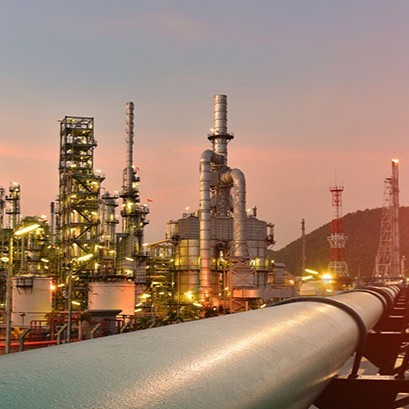
AYAZ UDDIN
--
This course turned out to be more technical than I anticipated. Coming from an oil and gas background, the focus on heat exchanger piping connected to refinery units and utility systems felt relevant right away. The sections on thermal expansion modeling and nozzle load qualification in Caesar II addressed a gap that shows up often on real projects, especially when dealing with fixed equipment and tight layouts. One challenge was keeping up with the boundary condition setup for exchanger nozzles. Getting the restraint logic wrong can quickly throw off stress results, and the course didn’t oversimplify that part. Some rewatching was needed, but it mirrored the trial-and-error seen on live energy utility projects. The most useful takeaway was the step-by-step approach to equipment and nozzle modeling, which is something typically glossed over in beginner material. That workflow was applied the following week on a small revamp case tied to a power generation heat recovery system, and it saved time during stress checks. The course isn’t flashy, but it focuses on how Caesar II is actually used in practice. Overall, it felt grounded in real engineering practice.
Sahaya Eugine
Engineer
Coming into this course, I had some prior exposure to the subject, mainly from supporting piping packages on oil & gas brownfield projects, but heat exchanger-specific stress checks were always a gray area. This course helped connect the dots, especially around thermal profiling and how exchanger nozzle loads are actually evaluated in Caesar II rather than just assumed acceptable. One useful section was equipment and nozzle modelling. In energy utilities work, exchanger vendors often push back on allowable loads, and understanding how Caesar II applies those forces made it easier to have technical discussions instead of back-and-forth emails. The practical case studies felt close to what shows up on real projects, not idealized examples. A challenge was keeping up with the Caesar II interface at first. For a beginner course, the software navigation still takes effort, and a few steps needed rewatching to fully grasp boundary conditions and restraints. The main takeaway was a clearer workflow for checking thermal expansion effects on exchanger piping and documenting nozzle load qualification properly. That’s already being applied on a small revamp job where space constraints were tight. Overall, it felt grounded in real engineering practice.
Arjun Prasannakumar
Engineer
Initially, I wasn’t sure what to expect from this course. Coming from oil & gas projects with fairly conservative piping practices, a “fundamental” label usually means oversimplified examples. That wasn’t entirely the case here. The sections on heat exchanger nozzle modeling and thermal expansion in Caesar II were directly relevant to work seen in refineries and energy utilities, especially around shell-and-tube exchangers tied into long rack piping. One challenge was reconciling the course assumptions with real plant data—things like actual operating metal temperatures versus process temperatures, and how that affects sustained vs. expansion cases. That gap needed some self-checking. What worked well was the step-by-step approach to nozzle load qualification. In practice, many teams still rely on vendor allowables without questioning load combinations or local flexibility. The course pushed a more system-level view, which aligns better with current industry expectations. Edge cases like exchanger stiffness skewing load paths were touched on, though more depth would help. A practical takeaway was a cleaner workflow for setting up exchanger restraints and checking thermal profiles before running load cases. Overall, it felt grounded in real engineering practice.

Initially, I wasn’t sure what to expect from this course. Coming from an oil & gas background, heat exchanger piping shows up on most projects, but the stress side is usually rushed or pushed to a specialist. This course helped close that gap, especially around thermal expansion behavior and nozzle load qualification in Caesar II. The sections on equipment and nozzle modelling were the most useful. Seeing how exchanger stiffness and allowable nozzle loads affect the piping layout made things click, particularly for fixed tubesheet exchangers used in refineries and energy utilities. One challenge was getting comfortable with the Caesar II workflow at the start—setting up boundary conditions and load cases took a few replays before it felt natural. A practical takeaway was learning how to build a clean thermal profile and check exchanger nozzle loads early, instead of finding issues late during stress review. That’s already helping on a brownfield revamp where space constraints limit flexibility. The examples felt close to real project scenarios rather than textbook cases. Overall, it felt grounded in real engineering practice.

Malik Wassam
--
This course turned out to be more technical than I anticipated. For a beginner-level offering, it went fairly deep into heat exchanger nozzle modeling and how thermal expansion drives loads back into connected piping, which is very relevant in oil and gas facilities and power generation units. The walkthroughs in Caesar II around equipment boundary conditions felt closer to what’s actually done on brownfield refinery projects than the simplified examples often shown elsewhere. One challenge was the pacing around thermal profiling. The assumptions behind temperature gradients across exchanger shells versus connected piping could have been slowed down, especially since in energy utilities those profiles often come from process data that isn’t clean or steady-state. A bit more discussion on edge cases—like floating head exchangers or mismatched startup/shutdown temperatures—would help bridge to real plant scenarios. A practical takeaway was the step-by-step approach to nozzle load qualification and how small modeling choices can shift loads enough to fail vendor limits. That’s something seen repeatedly in industry reviews but rarely explained clearly. Compared with common practice, the course emphasized system-level behavior instead of just passing code checks, which was refreshing. Overall, it felt grounded in real engineering practice.

Team EveryEng
Mechanical Engineering
At first glance, the topics looked familiar, but the depth surprised me. Flow induced vibration is something most of us in oil & gas and energy utilities acknowledge, yet often treat as a checkbox during detailed design. The course did a decent job breaking down the difference between turbulence-driven FIV and acoustic-induced vibration, which is often confused with mechanical resonance in compressor piping and PSV discharge lines. One challenge was reconciling the simplified examples with real plant conditions. In brownfield facilities, data quality is messy, and edge cases like two-phase slug flow or changes in operating envelopes can skew the screening results. That gap between theory and field reality was noticeable, though it reflects common industry practice where early FIV assessments rely on conservative assumptions. What stood out was the structured step-by-step approach to FIV screening and mitigation. The practical takeaway for me was a clearer checklist for identifying high-risk lines, especially small-bore connections near heat exchangers and control valves, before getting into expensive CFD or detailed analysis. Compared to how FIV is sometimes handled late in projects, this promotes better system-level thinking early on. It definitely strengthened my technical clarity.
Coming into this course, I had some prior exposure to the subject from oil & gas brownfield projects, but mostly at a screening level. The material does a decent job walking through the basics of flow induced vibration and how it shows up in real piping systems, especially around high-velocity gas lines and compressor discharge piping. The discussion on acoustic induced vibration versus turbulence-induced vibration helped clarify where many industry reviews tend to oversimplify things. One challenge was reconciling the simplified equations with actual plant data. In energy utilities work, boundary conditions, support stiffness, and mixed-phase flow rarely behave as cleanly as the examples. Some edge cases like dead-ends, small-bore connections, and tie-ins near control valves could have been emphasized more, since those are frequent failure points in operating assets. A practical takeaway was the step-by-step FIV assessment workflow and how it aligns with common industry practices used during detailed design reviews, even if not strictly per every client standard. The mitigative options section was useful in highlighting system-level implications, such as how adding supports can shift vibration problems downstream rather than eliminate them. It definitely strengthened my technical clarity.
Tejas Mehta
--
Initially, I wasn’t sure what to expect from this course given it’s tagged as beginner. Coming from oil & gas and energy utilities, FIV is usually buried inside larger piping stress and acoustics studies. The course did a decent job laying out the core mechanisms—turbulence-induced vibration, acoustic resonance, and how velocity and density changes drive response in gas pipelines and steam lines. What stood out was the step-by-step FIV screening logic and how it compares with what we do in industry using energy institute guidelines or vendor checks for pump pulsation. The discussion on support spacing and mitigation options like flow conditioners versus structural stiffening reflected real trade-offs seen on compressor discharge lines and utility headers. One challenge was mapping the simplified theory to messy plant data. Edge cases like two-phase flow, slugging in oil & gas lines, or transient operations in combined-cycle plants aren’t fully addressed, and that’s where junior engineers usually struggle. Still, a practical takeaway was having a clear checklist for early design reviews—velocity limits, Strouhal considerations, and when to escalate to detailed analysis. The content felt aligned with practical engineering demands.
This course turned out to be more technical than I anticipated. For a beginner-level offering, it went beyond definitions and actually walked through how flow induced vibration shows up in real piping systems, especially in oil & gas service. The sections on acoustic resonance and turbulence-induced vibration were relevant to what’s seen around compressors and high-velocity gas lines, not just textbook examples. One thing that worked well was tying FIV mechanisms back to layout choices and support spacing. In industry, FIV often gets treated as a checkbox alongside API RP 14E velocity limits, but the course highlighted edge cases where staying under velocity still doesn’t prevent fatigue issues. That’s consistent with what’s been seen on brownfield energy utility upgrades where operating envelopes change over time. A challenge was mapping the simplified examples to complex piping with mixed phases or intermittent flow. Slug flow and transient operations weren’t deeply covered, which is where FIV risk tends to spike in practice. Still, the step-by-step screening logic is a useful takeaway. Having a structured way to flag high-risk lines early in detailed design can save a lot of rework later. Overall, the material aligns reasonably well with current industry practices and helps reinforce system-level thinking rather than isolated line checks. I can see this being useful in long-term project work.
indika sunarko
Piping engineer
Coming into this course, I had some prior exposure to the subject from oil & gas projects, mostly around noisy gas lines near compressors, but the fundamentals were patchy. The sections on FIV mechanisms and the step‑by‑step screening approach helped close that gap. Seeing how velocity limits, acoustic resonance, and pipe support stiffness tie together was useful, especially for high‑pressure gas piping and steam lines in energy utilities. One challenge was translating the theory into real layouts. On actual projects, data like accurate flow regimes or line routing is often incomplete during early design, and that made some examples feel a bit idealized. Still, the course did a decent job of showing what assumptions are acceptable at a beginner level and where to be cautious. A practical takeaway was the structured FIV assessment workflow and the mitigation options. The guidance on adding supports, adjusting span lengths, or reducing excitation at the source is something that can be applied immediately during model reviews. This would have helped on a recent gas processing unit where late design changes led to vibration issues. I can see this being useful in long-term project work.
Initially, I wasn’t sure what to expect from this course. The content stays fairly tight on fundamentals, which is useful if you’re coming from oil & gas or energy utilities where pipe stress often gets treated as a software exercise. The discussion around ASME B31.3 allowable stress and how sustained loads differ from thermal expansion cases lined up well with what’s actually reviewed on brownfield projects. One challenge was that some examples stayed high-level, so translating the load combinations into a CAESAR II or similar workflow still requires experience. That said, the breakdown of stresses from weight, pressure, and temperature helped clarify why certain support layouts work on paper but fail once real operating transients are considered. Edge cases like long steam lines in power plants or pump nozzle load limits were touched on, which is often skipped in basic courses. A practical takeaway was the emphasis on stress reduction strategies before adding steel—using routing changes or expansion loops instead of defaulting to more restraints. Comparing this to industry practice, it reinforces the need to think system-level early, especially when tying into existing units. I can see this being useful in long-term project work.
Initially, I wasn’t sure what to expect from this course. The scope is intentionally basic, but it does hit several fundamentals that matter in day‑to‑day oil & gas and energy utilities work. The overview of sustained vs. expansion stresses and how they tie back to ASME B31.3 and B31.1 was handled clearly, especially for engineers new to thermal expansion problems. Discussion around loads—weight, pressure, and displacement—lined up well with what’s typically checked on refinery pipe racks or power plant steam lines. One challenge was that some edge cases were only briefly touched. Occasional scenarios like occasional loads from relief valve thrusts or seismic combinations could use a bit more context, since those often drive redesigns in real projects. Compared with industry practice, the workflow diagram felt simplified, but that may be intentional for an introductory course. A practical takeaway was the emphasis on stress reduction strategies early in layout—support spacing, routing for flexibility, and anchor placement—rather than relying solely on analysis software to fix problems later. From a system-level perspective, that mindset helps avoid costly rework across connected units. The content felt aligned with practical engineering demands.
Sosthene Djetodjide
Ingénieur de travaux en électromécanique
This course turned out to be more technical than I anticipated. The coverage of ASME B31.3 allowable stress versus sustained and expansion cases was handled in a straightforward way, and the discussion around thermal expansion on long steam lines in energy utilities felt accurate to what shows up in real plants. Loads from equipment, especially pump nozzle loads tied back to API 610 expectations, were also addressed, which is often skipped in “basic” classes. One challenge was the pace around edge cases like cold spring or friction effects on buried piping in oil & gas facilities. Those topics were mentioned, but not quite long enough to fully connect them to restraint modeling choices, which can drive very different stress and displacement results. Compared to common industry practice, the workflow diagram was simpler than what most EPCs use, but that simplicity helped highlight system-level implications instead of software clicks. A practical takeaway was the emphasis on screening layouts early to reduce stress—routing, flexibility, and support spacing before running a full model. That’s something junior engineers often miss. Overall, it felt grounded in real engineering practice.

This course turned out to be more technical than I anticipated. The sections on objectives and the workflow diagram helped connect the dots between calculations and what actually happens on site. Coming from oil & gas and energy utilities projects, the discussion around thermal expansion, sustained loads, and occasional loads felt very relevant, especially when tied back to ASME B31.3 and allowable stress limits. One challenge was keeping track of how different load cases stack up and how code requirements change depending on operating vs. shutdown conditions. That part took a second pass, but it mirrored the confusion that often shows up during real design reviews. The module on reducing piping stresses was useful, particularly the practical explanation of support placement, flexibility loops, and when expansion joints actually make sense instead of just adding cost. A solid takeaway was having a clearer checklist for early-stage stress screening before handing models over for detailed analysis. That’s something that can be applied immediately on brownfield utility tie-ins and upstream piping layouts. It definitely strengthened my technical clarity.

Ammar Emad
--
Coming into this course, I had some prior exposure to the subject from oil & gas piping jobs, mostly on brownfield tie-ins and utility headers. What this course did well was tighten up the basics that tend to get glossed over on fast-track projects. The breakdown of objectives and the workflow for pipe stress analysis helped connect design intent to actual checks, especially around sustained loads, thermal expansion, and occasional loads like wind and seismic that come up in energy utilities work. One challenge was revisiting allowable stress concepts and how ASME B31.3 treats different load cases. It took a bit of effort to reframe how displacement stress ranges differ from sustained stress, since that’s something software often hides. The section on reducing piping stresses through routing, flexibility, and support placement felt very practical and matched issues seen on compressor station piping and pump discharge lines. A key takeaway was having a simple screening approach before jumping into detailed analysis—knowing when a line really needs full stress modeling versus minor adjustments. That alone can save time during project execution. I can see this being useful in long-term project work.
Initially, I wasn’t sure what to expect from this course. As someone who has reviewed pipeline alignment drawings on oil & gas projects for years, the basics can sometimes feel oversimplified. That said, the walkthrough of stationing, horizontal vs. vertical alignment, and how bends and crossings are called out was handled in a way that mirrors what shows up in real IFC packages. The example tied alignment sheets back to construction reality better than most beginner material. One challenge was mentally reconciling the plan view with the profile when scales changed between sheets. That’s a common field issue, especially when ROW constraints or road crossings force tight geometry, and it would have helped to see one more edge case with abrupt elevation changes. Compared to typical industry practice, the course stayed light on integration with P&IDs and tie-in points, but that’s acceptable at this level. A practical takeaway was a simple method to sanity-check chainage, bend angles, and weld numbering before issuing comments. That alone can prevent downstream problems during construction and hydrotest planning. Overall, it felt grounded in real engineering practice.

Priyal Patil
--
Coming into this course, I had some prior exposure to the subject from oil & gas transmission projects, mostly reviewing alignment sheets during construction support. The material focused narrowly on how to read pipeline alignment drawings, which is actually where a lot of real-world mistakes happen. The breakdown of plan view versus profile view, stationing, and chainage was useful, especially when tied to practical examples like road and river crossings. One challenge was adjusting to the beginner pacing while still trying to map the content to field realities. For example, alignment drawings rarely live in isolation; they interact with ROW limits, block valve locations, and cathodic protection layouts. Those system-level implications were only lightly touched, but the course did highlight edge cases like mismatched scales between horizontal alignment and vertical profile, which is a common source of installation errors. Compared to typical industry onboarding, this went deeper into reading intent rather than just recognizing symbols. A practical takeaway was developing a habit of checking station continuity across sheets and verifying elevation datums before construction or tie-in planning. That alone can prevent costly rework, especially on long-distance pipelines. Overall, it felt grounded in real engineering practice.

This course turned out to be more technical than I anticipated. For a beginner-level module, it went beyond just naming drawing elements and actually walked through how stationing, horizontal alignment, and elevation profiles tie together on a real pipeline job. The discussion around chainage versus KP, and how bends are represented relative to terrain, matched what’s typically seen on oil & gas transmission projects. One challenge was adjusting to the simplified examples. In industry, alignment drawings usually have more clutter—ROW limits, road and river crossings, existing utilities, and sometimes cathodic protection references. That complexity isn’t fully there, so it takes some effort to mentally scale it up to a brownfield pipeline scenario. A practical takeaway was learning a more structured way to read drawings from left to right and top to bottom, correlating plan view with profile instead of treating them separately. That habit helps catch edge cases like minimum bend radius violations at crossings or elevation mismatches that affect constructability. Compared to common EPC practices, the CAD discussion was basic but accurate, especially around layers and annotations in AutoCAD/Civil 3D. At a system level, clearer alignment interpretation directly reduces construction rework and survey RFIs. The content felt aligned with practical engineering demands.

At first glance, the topics looked familiar, but the depth surprised me. Pipeline alignment drawings are something most oil & gas engineers see early on, yet the course went beyond just reading chainage and coordinates. The way horizontal alignment was tied to the elevation profile helped clarify how small grade changes can impact constructability, especially near road crossings and ROW constraints. One challenge was adjusting to the simplified beginner examples while mentally mapping them to real-world cases like block valve locations and tie-ins. In industry, drawings are often cluttered with revisions and legacy notes, so translating the clean examples to messy field drawings took some effort. The practical walkthrough using CAD-style layouts was useful, particularly understanding how stationing, bends, and offsets interact when terrain changes. That’s an area where mistakes usually show up during construction, not design. Compared to typical EPC documentation, the course emphasized clarity over volume, which is refreshing. A solid takeaway was a more systematic approach to checking alignment against profiles before issuing drawings. That habit alone can prevent rework during welding and installation. I can see this being useful in long-term project work.
Raj Pandey
--
At first glance, the topics looked familiar, but the depth surprised me. Pipeline alignment drawings are something that show up on most oil & gas projects, yet the course went deeper into how plan and profile views actually tie together. The walkthrough on stationing/chainage and how it relates to horizontal and vertical alignment cleared up a gap that usually gets glossed over on site. Elevation callouts, road and utility crossings, and ROW limits were explained in a way that matched what shows up in real IFC drawings. One challenge was keeping track of alignment changes across revisions, especially when comparing plan view against the profile. That’s something that has caused confusion during construction handover before, so seeing it broken down step by step helped. The AutoCAD-based examples felt realistic, not overly simplified, and similar to what comes out of Civil 3D on pipeline routing jobs. A practical takeaway was learning to quickly sanity-check slopes and crossing elevations before issuing comments, instead of relying only on the designer’s notes. That alone will save time on future pipeline construction and tie-in work. I can see this being useful in long-term project work.
Coming into this course, I had some prior exposure to the subject, mostly from oil & gas brownfield work where pipe stress was handled by a separate team. That gap showed up whenever nozzle loads or thermal expansion questions came back during reviews. This training helped connect the theory with what actually happens inside Caesar II, especially around ASME B31 checks, support modeling, and static vs dynamic load cases. The sections on nozzle load qualification and dynamic analysis were directly relevant to a chemical/pharmaceutical utility project I’m currently on, where vibration and occasional relief valve loads are a concern. One challenge was the pace and length of the course—it’s long, and keeping focus through the advanced dynamic modules took effort. Still, working through full models instead of just slides made it stick. A practical takeaway was learning how small changes in restraint stiffness or support type can swing stresses and equipment loads. That insight was applied immediately on an energy utilities header reroute, avoiding an unnecessary expansion loop. The content felt aligned with practical engineering demands.
sarath Selvaraj
Piping Engineer
Initially, I wasn’t sure what to expect from this course, especially since Caesar II training often stays too theoretical. Coming from oil & gas and energy utilities projects, the gap was always translating ASME B31 basics into a clean, defensible model. This course spent time on that, particularly static load cases, restraint modeling, and nozzle load qualification, which showed up directly on a refinery revamp I’m currently supporting. The dynamic analysis section was tougher to get through. Modal concepts and response spectrum setup took a couple of replays, and balancing that with a live chemical/pharmaceutical plant support job was a challenge. Still, the explanations around when dynamic checks are actually required versus when they’re overkill were useful. One practical takeaway was a repeatable checklist for Caesar II model setup—supports, operating cases, and code stress checks—which is now being reused on a utility steam header analysis. The doubt-clearing session helped resolve a real question around expansion loop behavior rather than textbook examples. Overall, this filled gaps that day-to-day project pressure usually leaves untouched. The content felt aligned with practical engineering demands.
Velpandian Mani
Manager
At first glance, the topics looked familiar, but the depth surprised me. Coming from oil & gas and energy utilities projects, pipe stress analysis is something dealt with regularly, yet the course went deeper into why certain checks matter, not just how to run Caesar II. The sections on ASME B31.3 allowables, nozzle load qualification, and support modeling were directly relevant to a brownfield refinery revamp currently on my desk. Dynamic analysis discussions, especially around occasional loads and basic vibration screening, helped close a knowledge gap that usually gets brushed aside under schedule pressure. One real challenge was keeping up with the modeling logic in Part B. Some examples moved fast, and it took pausing and re-running cases in parallel to fully follow the assumptions. That effort paid off though. A practical takeaway was a clearer approach to restraint stiffness and how small changes can drastically affect displacement stresses and equipment loads. The doubt-clearing session was useful for validating how these methods apply to real-world layouts, not textbook cases. Overall, the course helped connect theory with field-driven decisions and definitely strengthened my technical clarity.
Ajay Sharma
--
Initially, I wasn’t sure what to expect from this course. Coming from ongoing oil & gas brownfield work, most training either stays too theoretical or jumps straight into software clicks. This one actually bridged that gap. The breakdown of ASME B31 basics before moving into Caesar II static analysis helped clear up why certain load cases matter, not just how to run them. The sections on nozzle load checks were directly relevant to a chemical/pharmaceutical revamp project I’m on, where equipment vendors keep pushing back on allowable loads. One challenge was the pace in the dynamic analysis part. The response spectrum and harmonic concepts took a couple of replays to sink in, especially when relating them to real compressor and pump lines in energy utilities. Still, the examples felt close to what shows up on actual jobs. A practical takeaway was learning a cleaner way to model supports and restraints so displacement results make more sense during stress reviews. That alone saved time on a current stress recheck. Overall, it felt grounded in real engineering practice.
Nishil Patel
Chief Design Engineer
Initially, I wasn’t sure what to expect from this course, especially given the “beginner to advanced” positioning. The material goes deeper than most in-house trainings used in oil & gas EPCs, particularly around ASME B31 compliance and how Caesar II actually interprets restraint stiffness and load cases. Coverage of static analysis tied back well to real refinery and energy utilities piping, like hot steam headers and pump nozzle load checks, rather than just textbook examples. One challenge was the pace in the dynamic analysis section. Modal and response spectrum concepts were explained, but some edge cases—like slug flow in oil and gas lines or compressor-induced vibration—required replaying lectures to fully connect the theory to Caesar II inputs. That said, the discussion on modeling choices versus typical industry shortcuts was useful, especially compared to the oversimplified practices still seen on chemical and pharmaceutical projects. A practical takeaway was a clearer workflow for qualifying equipment nozzle loads and deciding when a local flexibility tweak is enough versus when a system-level reroute is needed. The emphasis on understanding results, not just passing stress checks, stood out. I can see this being useful in long-term project work.
This course turned out to be more technical than I anticipated. The focus on upheaval buckling calculations went deeper than the high-level checks usually seen on oil & gas pipeline projects. The sections on thermal expansion forces and soil resistance modeling were especially relevant to onshore gas transmission lines and liquid pipelines tied into energy utilities networks. One challenge was working through the soil-pipe interaction assumptions. Translating soil cover, friction factors, and restraint into something usable for calculations took a bit of effort, especially when comparing conservative code values versus site-specific geotechnical data. That said, the step-by-step walkthroughs helped bridge that gap. A practical takeaway was the ability to run a quick screening calculation to see whether upheaval buckling is even credible before jumping into more advanced analysis or FEA. That’s already useful on early-stage pipeline routing and integrity assessments, where time and data are limited. The material also filled a knowledge gap around mitigation options like trench geometry and hold-down systems, which don’t always get enough attention during design. Overall, it felt grounded in real engineering practice.

At first glance, the topics looked familiar, but the depth surprised me. HDPE is often treated casually in oil & gas gathering systems and energy utilities water networks, and this course challenged that mindset with solid stress fundamentals. The discussion around viscoelastic behavior, creep rupture limits, and temperature-dependent modulus was more rigorous than what’s typically applied in brownfield utility projects. One challenge was unlearning metallic piping assumptions. Translating expansion stress logic into displacement‑driven checks for HDPE took some effort, especially when reviewing edge cases like long above‑ground runs near pump stations or buried-to-aboveground transitions common in gas distribution and cooling water systems. The software examples highlighted how sensitive results are to support spacing and boundary conditions, which is often glossed over in industry practice. What stood out was the system-level view—how anchor strategy, soil restraint assumptions, and installation temperature can drive long-term performance more than pressure alone. A practical takeaway was a clearer method to justify support spacing and flexible routing without over-constraining the line, something directly applicable to utility corridors and remote oilfield layouts. It definitely strengthened my technical clarity.
Jeroen v
Engineer
This course turned out to be more technical than I anticipated. Coming from oil & gas and energy utilities work, HDPE lines were always treated as “simple” compared to carbon steel, especially in water and chemical transfer systems. The sessions on viscoelastic behavior and long-term creep really filled a gap that typical piping codes don’t address well. One area that took effort was shifting away from metallic stress analysis assumptions. Accounting for temperature-dependent modulus and time-based deformation wasn’t intuitive at first, and the software modeling needed a few iterations before results made sense. Still, working through thermal expansion cases and support spacing for buried and aboveground HDPE was directly relevant to a utility pipeline revamp currently on my desk. A practical takeaway was learning how to justify anchor locations and expansion allowances instead of over-constraining the system, which is a common mistake on site. The discussion around real failures in HDPE headers used in energy utilities made it clear why these systems shouldn’t be treated as non-critical. Overall, the material feels grounded in real projects rather than theory-heavy lectures. I can see this being useful in long-term project work.

Rahul Kk
pipeline engineer
This course turned out to be more technical than I anticipated. Coming from an oil & gas background where HDPE lines were often treated as secondary compared to carbon steel, the deep dive into viscoelastic behavior and long-term creep was eye-opening. The sections on thermal expansion, restraint modeling, and time-dependent modulus helped close a real knowledge gap I’ve had on energy utilities projects, especially for buried and aboveground HDPE headers near pump stations. One challenge was wrapping my head around how differently load cases are handled compared to metallic piping. The stress software setup took some effort, particularly defining temperature cycles and realistic support spacing, but working through examples made it click. A recent utility water transfer line we’re designing will benefit directly from this, since earlier we were underestimating anchor forces and overconstraining the system. A practical takeaway was learning how to justify support spacing and anchor locations based on creep limits rather than rules of thumb. That’s something that can be applied immediately on site reviews and design checks. The content felt aligned with practical engineering demands.

Shirisha M
engineer
This course turned out to be more technical than I anticipated. Coming from oil & gas gathering systems and energy utilities water networks, HDPE is often treated as “forgiving,” so the deep dive into viscoelastic behavior, creep rupture, and temperature-dependent modulus was overdue. The discussion around thermal expansion control and anchor strategy contrasted sharply with metallic piping practices typically used in gas transmission or district cooling systems, and that comparison was useful. One challenge was recalibrating assumptions around allowable stresses. In steel, limits feel crisp; with HDPE, long-term creep and time-dependent relaxation introduce edge cases that don’t sit neatly in standard load cases. The software exercises helped, but interpreting results—especially for buried lines with uneven soil restraint—took some effort. A practical takeaway was how support spacing and restraint philosophy directly affect system-level reliability, not just local stress checks. The course also highlighted failure modes seen in utilities projects, like joint pullout during thermal cycles, which often get missed during design reviews. The material wasn’t polished for beginners, but that realism mirrors industry conditions. Overall, it felt grounded in real engineering practice.

Siva Poojith Lingala
Piping Engineer
Initially, I wasn’t sure what to expect from this course, especially since HDPE lines are still treated as “non-critical” on many oil & gas and energy utilities projects. The content quickly got practical though. The sections on viscoelastic behavior, creep, and thermal expansion made it clear why applying metallic piping assumptions to HDPE causes problems in the field. One challenge was getting comfortable with how time‑dependent material properties affect stress results. Interpreting long-term versus short-term loads in the software took a bit of effort, and a couple of runs didn’t make sense until the support and anchoring logic was revisited. That learning curve was real, but useful. What stood out was the focus on support spacing, anchor placement, and how internal pressure and temperature cycles interact in flexible systems. This directly filled a gap from recent energy utilities work where HDPE was used for buried and above-ground service lines, but no one wanted to “own” the stress checks. A practical takeaway was a clearer approach to deciding when expansion loops are actually needed versus letting the pipe flex. I can see this being useful in long-term project work.

Shivam Shridhar
Engineer
Initially, I wasn’t sure what to expect from this course, especially given the beginner label. Coming from oil & gas and energy utilities projects, pipe support design is usually learned the hard way—through stress issues during commissioning or surprise loads on pipe racks. The course does a decent job laying out the basics like rigid vs. spring supports, span rules, and how support choices affect overall piping behavior. What stood out was the discussion on support spacing and load transfer. In refineries and power plant steam systems, thermal expansion and occasional two-phase flow are edge cases that often get underestimated, and the course at least flags those risks. It doesn’t go deep into ASME B31.3 or B31.1 stress checks, but it aligns reasonably well with common industry practice for preliminary layout work. One challenge was keeping the content relevant for more complex systems—offshore modules or heavily congested pipe racks need more nuance than shown. Still, a practical takeaway was the structured way of thinking about support optimization early, before loads propagate into structures and civil foundations. The content felt aligned with practical engineering demands.

At first glance, the topics looked familiar, but the depth surprised me. Pipe supports are something dealt with almost daily in oil & gas projects, yet this course forced a closer look at why certain choices are made, not just how. The sections on pipe support spacing and standard vs special supports helped close a gap that often gets glossed over in design offices. One challenge was mentally mapping the rules to real layouts from energy utilities work, especially when dealing with thermal expansion and mixed line sizes on racks. The examples helped, but it still took some effort to relate the spacing guidelines to congested refinery piping where ideal spans aren’t always possible. A practical takeaway was a clearer method for selecting support types based on load, direction of movement, and service conditions. That’s already being applied on a brownfield modification where support optimization matters more than adding steel. The discussion around engineering considerations, like avoiding over-constraining lines, was particularly relevant to power plant auxiliary systems. The course didn’t overpromise, but it filled a real knowledge gap between codes and day-to-day design decisions. Overall, it felt grounded in real engineering practice.
AHMAD DARWEESH
PIPING ENGINEER
Coming into this course, I had some prior exposure to the subject from working on brownfield projects in oil & gas, mostly refinery revamps. The gap was always around why certain pipe supports were chosen, not just copying a standard detail. This course helped connect that. The sections on support types and spacing rules were useful, especially when tied back to thermal expansion and sustained loads. In energy utilities work, like supporting steam lines in a power plant, those basics matter more than people admit. One challenge was keeping track of when a standard support is enough versus when a special support is justified, since the examples were brief and I had to relate them back to real layouts. A practical takeaway was a clearer checklist for early routing: checking span limits, line size, and temperature before locking in supports. That’s something that can be applied immediately during 30–60% model reviews. The course also clarified common mistakes, like over-constraining lines near equipment nozzles, which I’ve seen cause issues during commissioning. It didn’t go deep into stress analysis, but for a beginner level, it filled an important knowledge gap and tied well to day-to-day piping design decisions. Overall, it felt grounded in real engineering practice.

At first glance, the topics looked familiar, but the depth surprised me. Working in oil & gas projects, pipe supports tend to get rushed until something clashes or starts moving during commissioning. This course slowed that down and forced a more structured way of thinking about supports, especially around support spacing and how load paths actually transfer to steel or concrete. The sections on standard vs special pipe supports were useful for energy utilities work, where lines often cross between pipe racks and equipment skids. A recurring challenge on my current project has been balancing thermal expansion with limited space, and the examples helped clarify when to allow movement versus when to restrain it. That’s something that caused a few late-stage revisions before. One practical takeaway was a simple checklist for deciding support type based on line size, service, and temperature. That’s already been applied while reviewing a small pump discharge line in a gas processing unit. The course filled a knowledge gap between basic piping layout and real-world support design decisions. I can see this being useful in long-term project work.

Rahul K
--
At first glance, the topics looked familiar, but the depth surprised me. Coming from oil & gas and energy utilities projects, pipe supports often get treated as a checklist item, so this course helped slow things down and explain the “why” behind support selection. The sections on pipe support spacing/span and standard vs special supports were especially relevant to a gas compression skid job currently on my desk. One challenge was mentally connecting the beginner-level rules to real-world constraints like structural steel clashes and operating temperature changes. Thermal expansion and load transfer aren’t always clean in brownfield plants, and that took some effort to map back to the examples. Still, the explanation of how to support a pipe using guides, anchors, and spring hangers filled a knowledge gap that usually gets glossed over on site. A practical takeaway was applying basic support optimization rules early, before routing gets frozen. That alone can avoid rework during stress analysis reviews. The course didn’t overcomplicate things, but it clarified the engineering intent behind common practices. It definitely strengthened my technical clarity.

ankit gandhi
--
Initially, I wasn’t sure what to expect from this course, especially given the rename and content shift to a new link, which caused some confusion at the start. Once settled in, the structure became clearer and fairly close to how pipe stress work is handled in oil & gas and energy utilities projects. The coverage of static load cases, sustained vs. expansion stress checks, and nozzle load qualification in Caesar II matched what’s typically reviewed during refinery and power plant design audits. Dynamic modules were not just theoretical; the discussion around when to actually apply seismic or relief valve analysis versus when it’s overkill reflected real industry judgment. One area that stood out was the treatment of boundary conditions and restraint modeling—edge cases like partially guided supports or soil-pipe interaction are often oversimplified in practice. A challenge was the pace in some advanced sections, particularly when jumping from theory straight into complex Caesar II models without intermediate validation steps. Rewatching those parts helped. A practical takeaway was a more disciplined approach to load case setup and result interpretation, especially avoiding blind reliance on code compliance alone. The content felt aligned with practical engineering demands.
Rohan Dhawale
Engineer
Initially, I wasn’t sure what to expect from this course, especially after the mid-course rename and content shift to a new link. That transition itself was a small challenge, and it took some effort to realign progress and notes. From a technical standpoint, the coverage goes deeper than most in-house trainings used in oil & gas EPCs. Static stress modeling in Caesar II, particularly restraint stiffness, load case combinations, and nozzle load qualification, was handled in a way that aligns well with refinery and LNG project practices. The dynamic section touched on seismic and occasional load philosophy, which is often glossed over in chemical and pharmaceutical plant work due to schedule pressure, so that was useful context. One area that stood out was discussion around edge cases like over-constrained systems and expansion loop behavior at battery limits, tying stress results back to system-level reliability rather than just code compliance. The practical takeaway was a clearer workflow for model validation before trusting stress outputs, something that directly applies to energy utilities and power plant piping reviews. It wasn’t flawless or fast-paced, but the depth reflects real project conditions. It definitely strengthened my technical clarity.

Pradeep Beserwal
Manager
Coming into this course, I had some prior exposure to the subject from oil & gas projects and a stint in energy utilities, so the basics weren’t new. What stood out was how the Caesar II modeling decisions were tied back to theory, especially around thermal expansion, restraint stiffness, and nozzle load qualification. The sections comparing sustained vs. operating cases aligned fairly well with what we do on refinery and power plant jobs, though some edge cases like intermittent steam lines and mixed buried/aboveground systems needed a bit more interpretation. One real challenge was the course transition to the new link. Access eventually worked, but it broke continuity for a while, which mattered given how long and dense the material is. The dynamic analysis modules were useful, but required patience—modal combinations and occasional loads don’t map cleanly to every company standard. A practical takeaway was a more disciplined approach to load case setup and checking flange and equipment loads against vendor limits, not just code allowables. That’s something often rushed in practice. The discussion around system-level behavior, rather than isolated lines, reflected real plant conditions. Overall, it felt grounded in real engineering practice.

Coming into this course, I had some prior exposure to the subject, mainly from oil & gas brownfield projects where pipe stress was handled by specialists and not always explained. This course helped close that gap, especially around Caesar II load case setup and how sustained vs. operating stresses actually drive decisions in real layouts. The sections on nozzle load qualification and restraint modeling were directly relevant to an energy utilities project I’m on, where rotating equipment limits were becoming a bottleneck. Dynamic analysis concepts, like response spectrum basics and when to worry about vibration, were also useful since those topics usually get skipped in day‑to‑day work. A challenge was the sheer length and density of the content; getting through the dynamic modules took time, and the course relocation to a new link caused some initial confusion. One practical takeaway was a clearer approach to modeling expansion loops and supports instead of relying on trial-and-error runs. That has already helped reduce iteration time on a chemical processing line revamp. The explanations felt grounded in how projects actually run, not textbook-only theory. I can see this being useful in long-term project work.

Vipin George
--
At first glance, the topics looked familiar, but the depth surprised me. Coming from oil & gas EPC work, pipe stress analysis using Caesar II is something handled regularly, yet the course went deeper into why certain modeling assumptions matter, especially for sustained vs. expansion load cases. The sections on nozzle load qualification and restraint stiffness were directly relevant to issues faced on a gas processing unit revamp and also tied well into energy utilities piping around pumps and exchangers. One challenge was the sheer length and density of the material. The transition to the new course link caused a bit of confusion at first, and the dynamic analysis modules needed patience to digest alongside a full-time job. Still, the explanations around modal analysis and response spectrum basics helped close a gap that was previously handled more by rule-of-thumb. A practical takeaway was a clearer approach to building Caesar II models from layouts, including how to justify support locations and review stress results before issuing calculations. That immediately improved internal design reviews on an ongoing project. The content felt aligned with practical engineering demands.

This course turned out to be more technical than I anticipated. For a beginner-level walk-through, it dug into the parts of ASME B31.3 that actually trip people up in day‑to‑day oil and gas projects, especially how sustained stress, displacement stress range, and occasional loads are treated differently by most stress software. The discussion around allowable stress versus temperature was useful, particularly when compared with how many EPCs in energy utilities blindly trust default libraries without checking the code tables. One challenge was keeping the boundary clear between what the course simplified and what still requires opening the actual B31.3 book; the occasional load combinations and reduction factors can feel oversimplified if you’ve dealt with real refinery revamps. What worked well was tying code clauses back to system-level behavior, like thermal expansion in long rack piping versus short pump suction lines. Edge cases such as high-temperature lines with low sustained stress margins were at least acknowledged, which is rare in intro material. A practical takeaway was a clearer mental checklist for reviewing stress reports before sign-off, especially knowing when a software result “passes” but still deserves a second look. It definitely strengthened my technical clarity.
sarath Selvaraj
Piping Engineer
Coming into this course, I had some prior exposure to the subject from oil & gas brownfield work, but most of it was tool-driven rather than code-driven. The sessions that broke down ASME B31.3 allowable stresses with temperature and the logic behind expansion stress range calculations helped close that gap. Seeing how sustained loads versus occasional loads are treated in the code made a difference when reviewing CAESAR results for a live energy utilities piping rack. One challenge was switching mindset from “software says it’s okay” to actually checking which code clause governs a load case. That took a bit of rewiring, especially around displacement stress limits and when flexibility analysis is really required. The course didn’t oversimplify that part, which was good. A practical takeaway was learning how to quickly sanity-check stress reports by tracing allowables back to B31.3 tables instead of trusting default inputs. That’s already been applied on a heater piping modification where temperature-dependent allowables were previously overlooked. The material stayed focused on what a working stress engineer needs day to day, without drifting into academic theory. The content felt aligned with practical engineering demands.

Jaynil chaudhari
Piping Stress Engineer
Initially, I wasn’t sure what to expect from this course. ASME B31.3 is something most of us in oil & gas and energy utilities learn the hard way—by digging through the code while a model is already overdue. The course does a decent job pulling out the parts that actually drive pipe stress decisions, especially sustained vs displacement stress checks and how allowable stresses vary with temperature. One challenge was that some edge cases, like occasional loads from relief valve thrust or combined thermal and seismic conditions, were touched on but not fully walked through. In real refinery or utility piping systems, those combinations are where designs usually get stuck during reviews. Still, the explanation around code intent versus what stress software reports was useful and closer to industry practice than just repeating equations. A practical takeaway was better clarity on when B31.3 flexibility requirements really govern layout decisions, versus when supports or routing changes are the right fix. That helps at a system level, especially when coordinating with process and layout teams. Compared to learning directly from the code, this was faster and more focused. Overall, it felt grounded in real engineering practice.
ZUBER PATEL
--
Initially, I wasn’t sure what to expect from this course. ASME B31.3 is something used regularly on oil & gas projects, but in practice most engineers rely on pipe stress software without really understanding what’s happening behind the equations. This course helped bridge that gap, especially around allowable stresses, thermal expansion stress range, and how the code treats sustained vs. displacement loads. The explanations tied well to real process piping scenarios seen in refineries and energy utilities, like high-temperature steam lines and pumped process lines. One challenge was unlearning a few assumptions picked up from past projects, particularly how material allowable values vary with temperature and how that feeds into code compliance checks. A practical takeaway was knowing exactly where to look in B31.3 for stress limits and how those limits are actually applied by common stress analysis tools. That’s already helped during a recent model review when justifying results to a client. It also clarified why occasional loads and seismic cases are handled the way they are, which comes up often in utility piping systems. The content felt aligned with practical engineering demands.
Abdul Jalal Mohammad
Mechanical / Piping
Coming into this course, I had some prior exposure to the subject from oil & gas projects and a few energy utilities revamp jobs, but mostly through on‑the‑job learning rather than reading B31.3 end to end. The course did a decent job of pulling out the stress‑relevant clauses, especially allowable stresses versus temperature and how sustained, expansion, and occasional loads are treated. That aligns with how most commercial stress tools implement the code, but it was useful to see the logic behind the equations instead of treating the software as a black box. One challenge was that some edge cases—like high displacement thermal loops or occasional load combinations for relief valve scenarios—were touched only briefly. In real plants, those cases tend to drive support design and layout changes. Compared to industry practice, where B31.3 interpretation often varies by client or EPC, the course stayed fairly conservative, which is not a bad thing for beginners. A practical takeaway was being more deliberate when checking code stress reports instead of blindly accepting “PASS” flags. Understanding where the allowables come from helps catch bad modeling assumptions early. Overall, it felt grounded in real engineering practice.

Subhash Shilpi
Engineer
This course turned out to be more technical than I anticipated. Coming from an oil & gas background, expansion joints were always “vendor scope” on refinery piping jobs, so the fundamentals were a bit of a gap. The sections on bellows-type expansion joints, pressure thrust, and how anchors and guides interact were especially relevant. There was also enough context to relate it to chemical and pharmaceutical utility piping, where thermal growth and vibration control show up differently but still matter. One challenge was connecting the theory to how joints are actually represented in stress models. Translating the stiffness and load concepts into something usable for CAESAR II-style checks took a bit of effort, and I had to revisit my old project notes to make it stick. A practical takeaway was learning when a tied versus untied expansion joint makes sense and how that decision directly affects anchor loads and nozzle forces. That’s something I can apply immediately when reviewing vendor drawings instead of just accepting them at face value. Overall, it filled a real knowledge gap around why expansion joints behave the way they do, not just how they look on a P&ID. It definitely strengthened my technical clarity.

Ramiz Shaikh
--
This course turned out to be more technical than I anticipated. It went straight into the nuts and bolts of pipeline road crossing design rather than staying high level. The walkthrough of API 1102 load calculations tied clearly back to ASME B31.4 and B31.8 limits, which helped connect code language to actual stress checks used in oil & gas projects. The sections on live load distribution, impact factors, and soil–pipe interaction were especially relevant for onshore pipeline work in energy utilities. One challenge was keeping track of all the assumptions—traffic loading, cover depth, and soil properties—and understanding how small changes affect the final stress results. That part took a couple of replays, but it mirrors what happens on real projects when inputs are incomplete or conservative. A practical takeaway was the step-by-step calculation flow for a typical road crossing. That same approach can be dropped into a spreadsheet or checked against third-party software during design reviews. It also filled a gap around why certain protection measures are selected instead of just accepting them as standard. Overall, it felt grounded in real engineering practice.

Kandaswamy samantham
Engineer
Coming into this course, I had some prior exposure to the subject from oil & gas transmission work, but road crossings were always an area handled by a specialist. This course helped close that gap. The walkthrough of API 1102 load calculations tied directly into ASME B31.4/B31.8 requirements, which is something often glossed over on projects. Seeing how traffic live loads, impact factors, and soil-structure interaction actually feed into stress checks made the process clearer. One challenge was keeping track of all the assumptions—cover depth, soil class, and pipe wall thickness—especially when comparing code-based equations versus simplified field practices. It took a bit of effort to reconcile the math with how data is usually incomplete during early design phases. A practical takeaway was the structured calculation sequence for road crossings. That workflow can be dropped straight into a design note or checked quickly during reviews. It’s already useful on an energy utilities job where a shallow crossing triggered concerns from the client. The content felt grounded in real pipeline constraints rather than theory. I can see this being useful in long-term project work.
This course turned out to be more technical than I anticipated. Coming from an oil & gas background where piping design reviews are routine, the structured walkthrough of CAESAR II helped close a gap between layout assumptions and actual stress behavior. Topics like thermal expansion control and nozzle load checks finally clicked once they were tied to real examples, especially around pump and exchanger nozzles that show up all the time in refinery and energy utilities projects. One challenge was keeping up with the load case setup and understanding why certain combinations failed the code check under ASME B31.3. The interface isn’t very forgiving for beginners, and a small input mistake can throw off the whole model. That said, working through the error checker and support optimization steps was useful and realistic. A practical takeaway was learning how spring hangers and guides actually influence thermal movement rather than just satisfying a stress report. That’s already helped during a brownfield piping modification where support locations were debated. The course didn’t oversimplify things, which I appreciated. Overall, it felt grounded in real engineering practice.

At first glance, the topics looked familiar, but the depth surprised me. The course walks through CAESAR II in a way that reflects how piping stress actually shows up on oil & gas projects, especially around refinery pipe racks and compressor station lines. Coverage of thermal expansion, nozzle load checks, and spring hanger behavior lined up well with what’s expected on brownfield revamps, not just greenfield examples. One challenge was that some assumptions in the example model felt a bit idealized. In real energy utilities work, boundary conditions are rarely that clean, and dealing with partially flexible structures or vendor data gaps takes more iteration than shown. Still, the error checker workflow and load case setup were useful, particularly for occasional loads like wind and seismic that are often rushed late in projects. A practical takeaway was the emphasis on preparing a proper critical line list before modeling. That alone can save weeks on large power plant or LNG jobs by keeping the stress effort focused where system-level risk actually exists. Compared to common industry practice, this course does a decent job of connecting software clicks to engineering judgment. Overall, it felt grounded in real engineering practice.
Coming into this course, I had some prior exposure to the subject from oil & gas piping projects, mostly reviewing stress reports rather than building models myself. The course helped close that gap by walking through a full CAESAR II workflow, especially creating load cases, adding guides and line stops, and checking nozzle loads against allowable limits. Those topics directly apply to refinery and energy utilities work where thermal expansion and equipment protection are constant concerns. One challenge was keeping track of the different load combinations and understanding why certain cases govern. The explanation was there, but it took a bit of rewatching to connect the theory with the software output. Still, working through a single practical model from start to finish made the learning stick. A practical takeaway was learning how to prepare a critical line list and then optimize supports instead of over-restraining the system. That’s already helped on a brownfield oil & gas revamp where support forces were coming out too high. The course isn’t flashy, but it reflects how stress analysis is actually done on real projects. It definitely strengthened my technical clarity.
Venkadesan T
Senior Piping Engineer
Initially, I wasn’t sure what to expect from this course. Having worked mostly on oil & gas brownfield projects and a few energy utilities tie-ins, beginner material often skips the messy parts. This one didn’t, which I appreciated. The walkthrough of thermal expansion behavior and nozzle load checks in CAESAR II matched what typically causes rework during HAZOP or vendor reviews. One challenge was adjusting to how the course simplified load cases. In real refinery work, wind + seismic combinations and occasional cases are rarely that clean, so some edge cases (like friction effects on long rack lines) needed extra thought beyond the example. Still, the explanation of spring hangers versus rigid supports was closer to industry practice than expected. The practical takeaway was learning a disciplined way to build a critical line list and sanity-check support forces before trusting the stress ratios. That habit alone helps avoid system-level issues, especially when piping interacts with pumps or exchangers. Compared to how junior engineers are usually thrown into CAESAR models on live projects, this course provides a safer ramp-up. I can see this being useful in long-term project work.

At first glance, the topics looked familiar, but the depth surprised me. The course walks through CAESAR II in a way that mirrors what actually happens on oil & gas and energy utilities projects, especially around thermal expansion, nozzle load checks, and spring hanger behavior. The section on defining which lines truly need stress analysis lined up well with how we screen critical lines on refinery and combined-cycle power plant jobs. One challenge was keeping track of how CAESAR II default settings compare to real project specifications. Beginners can easily miss edge cases, like occasional load combinations for wind and seismic governing support loads rather than sustained cases. That’s something I’ve seen cause rework in live projects. The examples on modeling trunnions and equipment nozzles were useful, though I would’ve liked a bit more discussion on interpreting borderline code compliance results instead of just passing/failing them. A practical takeaway was the emphasis on reviewing support forces and movements early, before layout gets frozen. That alone can save weeks of back-and-forth with piping and civil teams. Compared to typical industry learning-by-osmosis, this course provides a more structured entry point. I can see this being useful in long-term project work.
good

Yogesh patil
--
How You're Connected
See the shortest path between you and Anup Kumar Dey through the EveryEng network.
No connection path found to this engineer.
Engineering breadth
Anup Kumar Dey has demonstrated 10 skills across 5 engineering domains on EveryEng. Each ring shows how much of that domain's skill taxonomy Anup covers — expand a domain to see specific skills and proficiency levels.