Control Valve Sizing
- 7-day money-back guarantee
- Lifetime access
- Certificate of completion
Why enroll
What enrolled engineers say
Coming from software, this course reframed an old control problem the way refactoring a legacy service does: same constraints, clearer mental model. The walk through the ISA sizing equation, especially the Cv vs Kv example with water at 60°F, stuck because it mirrored how I sanity-check RPS assumptions in prod before a PR lands. I liked the section on flashing vs cavitation; the pressure drop chart felt like reading infra limits instead of hand-wavy arch talk, and it clicked fast. As a beginner track it mostly lands, though I wasn't sold on how briefly valve trim selection was handled; a few more edge cases would help folks crossing over from chemicalpharmaceutical or energyutilities. The pacing works for between-meeting study, and the exercises felt closer to CI checks than homework. I've already reused the sizing worksheet like a repo snippet, which is saying something.
Sizing Cv walkthrough in Chapter 3 got me sizing valves for a small chemicalpharmaceutical skid; wasn't sold on the ISA equations gloss.
Came in a bit wary of the setup overhead, and module 4 dragged with too much spreadsheet prep before getting to the math. Past that, it landed well. The walkthrough in Section 3 on Cv vs Kv, especially the liquid flashing check using the ISA equation, stuck because it mirrors what I see when specs hit prod. Framed sizing as an infra problem, not just a calc. Good bridge from legacy thumb rules to modern constraints without pretending everyone’s running k8s. As a beginner course, it doesn’t overreach. Useful if you touch energyutilities or oilgas and need to sanity-check vendor curves before a PR goes out.
Is this course for you?
You should take this if
- You work in Oil & Gas Upstream or Pharmaceutical & Healthcare
- You're a Instrumentation Engineering / Chemical & Process professional
- You prefer self-paced learning you can revisit
You should skip if
- You need a different specialisation outside Instrumentation Engineering
- You need live interaction with an instructor
Course details
Course suitable for
Key topics covered
Course content
The course is readily available, allowing learners to start and complete it at their own pace.
- What is control valve?14 min
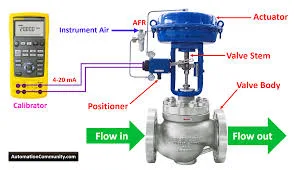
- Basic Part of Control Sizing25 min
- Classification of Control Valve Sizing14 min
Opportunities that await you!
Career opportunities
Why people choose EveryEng
Industry-aligned courses, expert training, hands-on learning, recognized certifications, and job opportunities-all in a flexible and supportive environment.
What learners say about this course
Feels aimed at people who’ve already tripped over the obvious gaps and want names for them. The BEP vs DEP boundary in Section 2.4, especially the battery limits checklist tied to the sample P&ID, stuck; that’s the kind of thing that bites you in oilgas infra when arch docs meet CI handoffs. It’s mostly clear, though I wasn’t sold on the brief pass over IFC vs IFD revisions. I’ve moved from barely adequate to actually competent, which helps in prod.
Coming from software, this course reframed an old control problem the way refactoring a legacy service does: same constraints, clearer mental model. The walk through the ISA sizing equation, especially the Cv vs Kv example with water at 60°F, stuck because it mirrored how I sanity-check RPS assumptions in prod before a PR lands. I liked the section on flashing vs cavitation; the pressure drop chart felt like reading infra limits instead of hand-wavy arch talk, and it clicked fast. As a beginner track it mostly lands, though I wasn't sold on how briefly valve trim selection was handled; a few more edge cases would help folks crossing over from chemicalpharmaceutical or energyutilities. The pacing works for between-meeting study, and the exercises felt closer to CI checks than homework. I've already reused the sizing worksheet like a repo snippet, which is saying something.
Needed material that wouldn’t fall apart under a PR-level sanity check, and this mostly held. The LMTD vs ε-NTU section, especially the shell-and-tube example where fouling factors changed sizing, stuck with me and maps well to how I think about legacy arch versus modern constraints. It connects old plant math to how I reason about infra tradeoffs in prod, even if the plate exchanger coverage felt light. still, it trimmed a lot of mental tech debt I’d been carrying from chemicalpharmaceutical work.
Section 3's shell-and-tube LMTD worked example (120→80°C, 2-pass) stuck; the step where fouling factor bumps area made the math click, it's easy to map to a prod calc. Mostly helpful, but I wasn't sold on the brief NTU coverage—wished there was more obs on sizing tradeoffs for chemicalpharmaceutical service.