
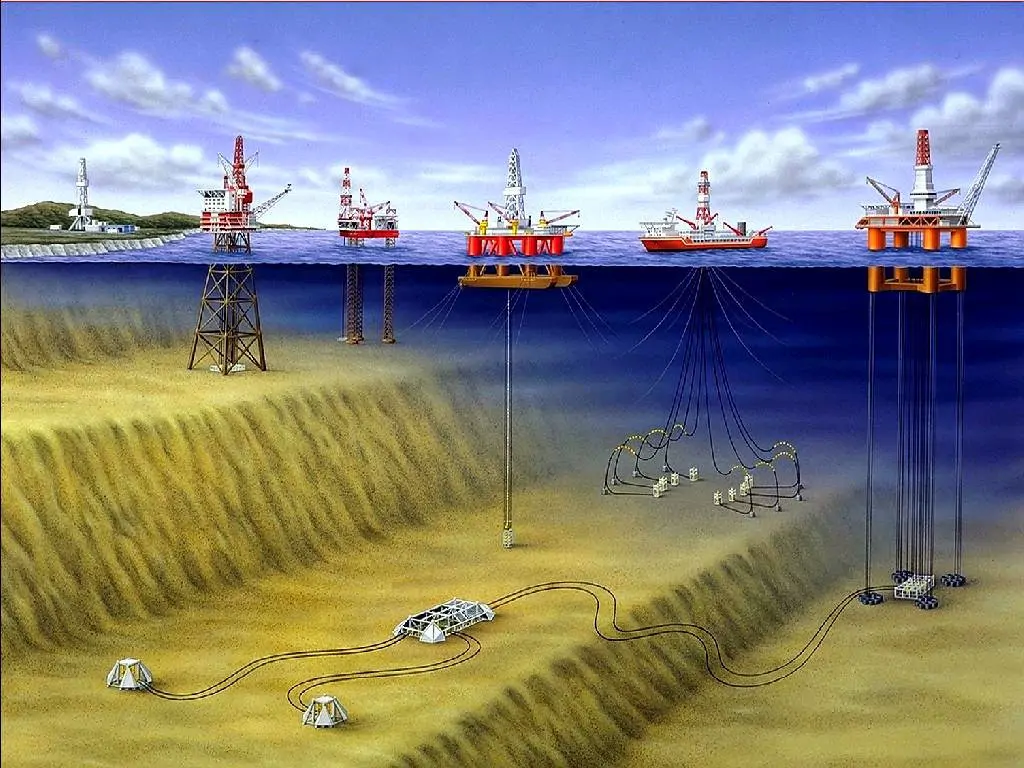
Introduction to Different Types of Oil Rigs
Introduction to Different Types of Oil Rigs
Tell us and we’ll notify you when the next batch is scheduled.
- Session recordings included
- Certificate of completion
What enrolled engineers say
Dense, relevant content. The real-world examples made it stick.
Clear breakdown of jack-up vs semi-submersible in the 'Mooring and Station Keeping' chapter, especially the animation contrasting preload legs with dynamic positioning. It's practical context for oilgas newcomers, but I wasn't sold on the light treatment of failure modes; I've seen ops hinge on weather windows and maintenance details that weren't covered.
No fluff, good labs. The async and concurrency sections are the standout.
Your instructor
Team OG
Oil & Gas Domain
Upstream Oil & Gas Technical Professional
Is this course for you?
You should take this if
- You work in Oil & Gas Upstream
- You're a Petroleum Technology professional
- You prefer live, instructor-led training with Q&A
You should skip if
- You need a different specialisation outside Petroleum Technology
- You need fully self-paced, on-demand content
Course details
Course suitable for
Key topics covered
Opportunities that await you!
Career opportunities
Training details
This is a live course that has a scheduled start date.
Live session
Starts
Sat, Mar 30, 2024
Duration
1 hour per day
Why people choose EveryEng
Industry-aligned courses, expert training, hands-on learning, recognized certifications, and job opportunities-all in a flexible and supportive environment.
What learners say about this course

The ESP sizing walkthrough in Chapter 3 bridged textbook curves to field prod; it's mostly clear, though nodal analysis coverage felt thin.

Felt closer to a guided mentorship than a boxed lecture, which worked for bridging old oilgas practices to how we talk today. Small gripe up front: module 4 jumps from 1930s wildcatting to postwar offshore a bit fast; I had to pause and sketch the timeline myself. After that, it clicks. The section on the Spindletop blowout control methods, then tying it to later offshore safety regs, stuck with me. Helpful parallels to modern arch reviews and infra obs, without forcing k8s analogies. I've used the casing vs completion vocabulary from chapter 6 in design sessions already, and fewer sidebars to define terms.

Refreshing to see the why behind the how, not just timelines and dates. As a grad entrant, I kept mapping the oilgas history back to stuff we argue about in arch reviews; the Chapter 3 bit on Spindletop, especially the minute where they pause on why rotary drilling beat cable tools, stuck with me. That moment clicked with how infra choices in prod get locked in early, kind of like a repo decision that haunts CI later. The section on seismic reflection in the 1920s was another anchor, with that field note screenshot showing noisy traces and early obs limits. I wasn't sold on how briefly decline curves were treated; a quick contrast to modern RPS forecasting would've helped. still, the throughline from exploration risk to ops habits landed. It's changed how I frame technical debt chats at work, less abstract, more grounded in how constraints accrete over time.

Dense material without the fluff; it moves fast but stays readable. The Module 3 casing vs tubing section, especially the burst/collapse walk-through using API 5CT grades, stuck with me because it mirrors spec reviews I see before prod changes. I've already used that framing to sanity-check a client’s arch decisions on connections and weights, which saved a back-and-forth. Wasn't sold on the brief metallurgy pass; wished there was more on sour service failures and photos.


 Aug 29, 2026

