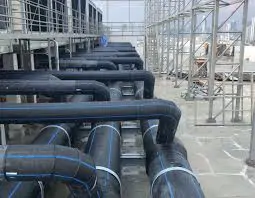
Stress Analysis of HDPE Piping Systems
Stress Analysis of HDPE Piping Systems

- Lifetime access
- Certificate of completion
- Foundational Learning
- Access to Study Materials
Why enroll
Your instructor
Anup Kumar Dey
Senior Piping Engineer
Owner of https://whatispiping.com/
Is this course for you?
You should take this if
- You work in Oil & Gas Upstream or Energy & Utilities
- You're a Piping & Layout Engineering / Onshore Pipeline Engineering professional
- You prefer self-paced learning you can revisit
You should skip if
- You need a different specialisation outside Piping & Layout Engineering
- You need live interaction with an instructor
Course details
Course suitable for
Key topics covered
Course content
The course is readily available, allowing learners to start and complete it at their own pace.
- HDPE Pipe Stress Analysis104 min
Opportunities that await you!
Career opportunities
Why people choose EveryEng
Industry-aligned courses, expert training, hands-on learning, recognized certifications, and job opportunities-all in a flexible and supportive environment.
What learners say about this course

Thanks everyeng

Content’s tight and fairly jargon-light, but module 2 labs assume Caesar II is already licensed and the units prefs are set; lost a few minutes hunting menus. After that, it clicks. The walkthrough on PSV tailpipe loads in Chapter 3 stuck with me, especially setting the occasional case for relief thrust and why the nozzle restraint matters more than extra guides. Clear explanation of sustained vs occasional without overteaching. As a freelancer, I care about getting an answer into prod quickly, and this stayed focused on decisions that affect stress checks, not tool trivia. oilgas context felt natural without drifting. I’ve already applied the mental framing to a different arch review, and it holds up regardless of the exact Caesar II screens.

Good walkthrough for a beginner; the section where you build the PSV tailpipe and set W+P+T load cases in CAESAR II stuck, especially the expansion loop tweak before running statics. it's useful for day-one energyutilities work, though I wasn't sold on the nozzle load checks—wished there was more on API 520/521 tie-ins.

Section 5's time-history slug force setup in CAESAR II clicked; it's beginner-friendly, though I wasn't sold on the validation checks.


 Sep 19, 2026