
Courses
Courses Dr Surekha Prabhu has authored or contributed to.
Advanced Mud Engineering Course

Dr Surekha Prabhu • Online
 Dec 28, 2024 · 12:00 AM - 50 Hrs
 ₹50,000
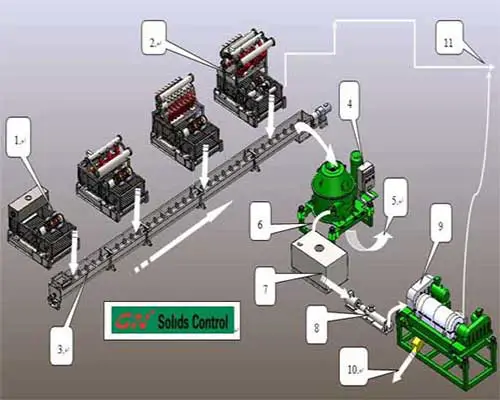
Basic Course on Solid Control in Drilling Fluids
Dr Surekha Prabhu • Online
2 Hrs COMPLETED
View Course
Drilling Mud Problems
Dr Surekha Prabhu • Online
Mar 21, 2026 · 1:00 PM - 1 Hrs COMPLETED
View CourseArticles
Articles Dr Surekha Prabhu has authored or contributed to.

Total Experience
25 Years
Current Company / College
EveryEng
City
Pune
Country
India
Professional Experience
Present (Ongoing) - R & D | Drilling & Completion Fluid I Catalysis I Analytical Chemistry I Material Science I LLM Trainer
Professional Career Summary
Looking for new opportunity , innovation and technology.
More than 17 years of professional work experience. 5 yrs, industrial experience in oil and gas upstream, 8 years in Heterogeneous Catalysis, & 2 yrs in Academics. My industrial expertise cover Drilling fluid and Completion fluid technology, formulation, design, development and testing. HSE lab safety standards and project management techniques in all job processes. Work experience in QA-QC, Tech Services and R & D Division. New product and knowledge development and Tech support to global customers. Global exposure in oil field hubs, USA, Malaysia, UAE and India. Ph. D. (Chemistry) from NCL Pune in 2006, and PGDIB (International Business) in 2014, SIMS, Pune. My Doctoral research comprises, synthesis, characterization and catalytic activity of zeolites and nanoporous materials in green catalysis.
Studied, MCM-41 and SBA-15 modified catalysts, HY, Hbeta, HM, ZSM-5 etc for industrially important reactions such as alkylation, acylation, rearrangement, esterification, condensation & oxidation. The post-doctoral work as Research Associate: synthesis and applications of mixed metal oxide, semi conducting nano catalysts for hydrogen production by direct splitting of water under visible light irradiation and Heterogenization of orgnaometallic complexes over organo-functionalized mesoporous silica's (PMO & SBA-15) via click method/ post -grafting method for C-C coupling reactions & hydrogenation. Pre doctoral industrial projects worked: Synthesis and use of precious metals (Pt, Pd, Ni, Ru, Rh) supported metal catalysts in hydrogenation and hydrodechlorination reactions. Synthesis and testing of Co/Mo/ Al2O3 catalysts for deep desulfurization of diesel. Expertise in physicochemical and spectroscopic techniques: GC, GC-MASS, GC-IR, GPC, XRD, FTIR, TPD, UV-VIS, NMR, TG/DTG, DSC, ESR, XRF, HPLC, TEM, SEM, EDAX, AAS, BET Surface area measurement. Handling of high-pressure autoclaves, vapor phase fixed bed reactors, batch reactors. Two years teaching experience as Assistant Professor at Petroleum and Petrochemical Engineering area at MIT, Pune. Publications: 6 in International Journals & 1 in National Journal
Reviews
Feedback from participants who've learned with Dr Surekha Prabhu.
Rheology section where PV vs YP is computed from the viscometer readings stuck—seeing the 600/300 rpm math tied to hole cleaning obs made it click fast. It's beginner-friendly and practical for oilgas work, though I wasn't sold on the short cuttings-transport clip and wished there was more on lost-circulation additives beyond bentonite.

Jeet Parikh
--
Sat through plenty of advanced oilgas trainings, and this one actually pushes past slideware into stuff that bites back in prod. The pacing assumes you know the basics, then spends time where people usually hand-wave, like the Chapter 6 worked example on ECD creep during the 12‑1/4" section and how that cascades into losses when the mud arch is off. I liked the moment where they paused on the sag factor calc and tied it to a real well log, not just a formula dump; that's the kind of gap I’ve had since bootcamp days. there's practical framing around how small rheology tweaks show up hours later, which mirrors what breaks on night shift. Wasn't sold on the quiz format, and I wished there was a bit more on tying lab numbers back to field obs, but that's minor. Net effect: time spent here feels efficient and immediately usable, not something that gathers dust in a repo.

Came in wanting a firmer handle on the internals behind why mud goes sideways in the field, not just recipes. The beginner/intermediate pacing mostly worked, especially the Lost Circulation section where they step through the ECD calc and adjust mud weight and rheology live; that 18‑minute walkthrough stuck because it mirrors the kind of fire drill we see in prod. I liked how the shale swelling example tied chemistry back to decisions, not just lab theory, and the oilgas context stayed practical without drifting. wasn't sold on the thin coverage of testing workflows; a bit more on how this feeds into a team’s repo or a PR comment during an incident would’ve helped. Still, it filled gaps I had from bootcamp-era learning and made some infra/obs tradeoffs clearer without overdoing it. I’ll probably pull it back up before our next arch review when these mud assumptions get questioned again.

ABEL HANS
--
The course lays out a path through a messy topic without dumbing it down, which helped as someone bouncing between theory and field notes. Early sections map mud properties to failure modes in a way that felt like reading an arch doc instead of a sales deck. The moment that stuck was the lost circulation section, specifically the worked example sizing LCM by fracture width and then revisiting it after a pressure test changed the obs. That back-and-forth felt like iterating on a PR after CI breaks, not a static slide. Some analogies to prod vs lab conditions landed, even if the k8s comparison was a stretch. wasn't sold on the short treatment of HPHT muds, and I wished there was one more troubleshooting flowchart. Still, it leaves you with a workable roadmap to keep learning without guessing what to tackle next.

Practical intro to oilgas mud basics; the rheology section with the Marsh funnel vs Fann readings stuck, especially the example calculating PV/YP from a daily report. It's useful for field context, though I wasn't sold on the shallow treatment of lost-circulation materials and wished there'd be more on troubleshooting in prod.

ibrahim imb
--
The section headers pulled me in, and the content mostly delivered without fluff. The shale inhibition chapter comparing KCl vs PHPA with actual mud weight and ECD numbers stuck; the quick calc on trip margin made it click. As a bootcamp grad filling gaps, I mapped it to prod headaches and arch tradeoffs we argue in PRs, even though it's oilgas. Wasn't sold on the brief treatment of solids control, wished there was more on centrifuge tuning, but I'm treating this as prereading before our next drilling program decision.

The rheology lab section (Marsh funnel vs viscometer example) was practical, tying gel strength tweaks to stuck-pipe risk during prod ops. As a freelancer, it's useful day-to-day, though I wasn't sold on the brief kicks segment and wished there was more OBM troubleshooting and field obs.

sarath Selvaraj
Piping Engineer
Skips the hype and stays on what the tools actually do, which was useful coming from software where arch diagrams get abstract fast. The section that stuck was the walk-through of API RP 13B-1 tests, especially the filter press example around the 30‑minute mark where they tie cake thickness back to loss control instead of formulas on a slide. That mapping felt like moving from legacy infra to k8s: same constraints, different knobs, and you can see how bad defaults hurt prod at scale (RPS here is pumps, not requests). It mostly works for beginner to intermediate, though I wasn't sold on how briefly gel strength vs yield point was handled; a longer example from an actual well would’ve helped. Still, the way they relate mud checks to day-to-day decisions made it easier to refactor some mental tech debt I’ve carried from oilgas ops into something closer to a clean repo and a decent PR review mindset.

The 'Rheology Lab: Bingham vs Power Law' chapter stuck; it's clear on ppg tweaks, though wasn't sold on the lost-circulation treatment.

Coming into this course, I had some prior exposure to the subject from field work, but the material helped tighten a few gaps that tend to get glossed over on the rig. The sections on shale shakers and hydrocyclones were especially relevant, with a clear explanation of cut point versus flow rate and how that impacts low-gravity solids buildup and overall mud rheology. Centrifuge operation was also covered at a practical level, including when it actually makes sense to run one versus just increasing dilution, which mirrors real industry tradeoffs. One challenge was mentally reconciling the “ideal” solids control setup with edge cases like high ROP intervals where shaker screens plug quickly and crews are tempted to downsize screens just to keep circulating. The course addressed that tension reasonably well and tied it back to downstream impacts like ECD and mud weight creep. A practical takeaway was being more disciplined about tracking particle size distribution trends instead of reacting only when viscosity spikes. That system-level view—how poor solids control drives chemical costs and drilling risk—felt aligned with practical engineering demands.
This course turned out to be more technical than I anticipated. The focus on solids control went beyond definitions and actually broke down how shale shakers, desanders, and centrifuges impact drilling fluid performance on a live rig. As someone working on land rigs, the refresher on how fine solids affect rheology and mud weight filled a gap that usually gets glossed over in day-to-day operations. One challenge was connecting the theory to mixed equipment setups, since not every rig has the ideal solids control train. The troubleshooting examples around poor shaker screens and bypassed flow helped bridge that. It was useful to see how bad solids control ties directly to higher dilution rates, lower ROP, and avoidable costs—things that show up quickly in daily drilling reports. A practical takeaway was the simple checklist for optimizing shaker performance before jumping to chemical treatments. That’s something that can be applied immediately during rig visits or morning meetings with the mud engineer. The content felt realistic, especially in how it acknowledged operational constraints instead of assuming perfect conditions. Overall, it felt grounded in real engineering practice.

Saif Shah
--
This course turned out to be more technical than I anticipated. The sections on shale shakers and downstream equipment like desanders and centrifuges were handled with enough detail to be useful, not just textbook definitions. It tied solids control directly to drilling fluid properties like rheology and low-gravity solids, which is often glossed over in beginner material. One challenge was mentally mapping the “ideal” equipment sequence to real rig conditions. In practice, screen availability, shaker capacity, and variable ROP don’t line up as neatly as the diagrams. The discussion around cuttings size distribution and why bypassing shakers creates system-level issues downstream helped bridge that gap. It also highlighted edge cases, like over-grinding solids with centrifuges and how that can quietly increase mud costs and HTHP filtration problems. A practical takeaway was being more deliberate with shaker screen selection instead of defaulting to the finest screen possible. Matching screen size to formation and flow rate can reduce overload and improve overall removal efficiency. Compared to common industry practice, this course did a better job explaining the “why” behind decisions rather than just rules of thumb. It definitely strengthened my technical clarity.

How You're Connected
See the shortest path between you and Dr Surekha Prabhu through the EveryEng network.
No connection path found to this engineer.
Engineering breadth
Dr Surekha Prabhu has demonstrated 0 skills across 0 engineering domains on EveryEng. Each ring shows how much of that domain's skill taxonomy Dr covers — expand a domain to see specific skills and proficiency levels.
Dr hasn't published a skill map yet — check back as their profile grows.