How You're Connected
See the shortest path between you and Jay Desai through the EveryEng network.
No connection path found to this engineer.
Skill Coverage
Jay Desai's engineering skills across disciplines.
Courses
Courses Jay Desai has authored or contributed to.
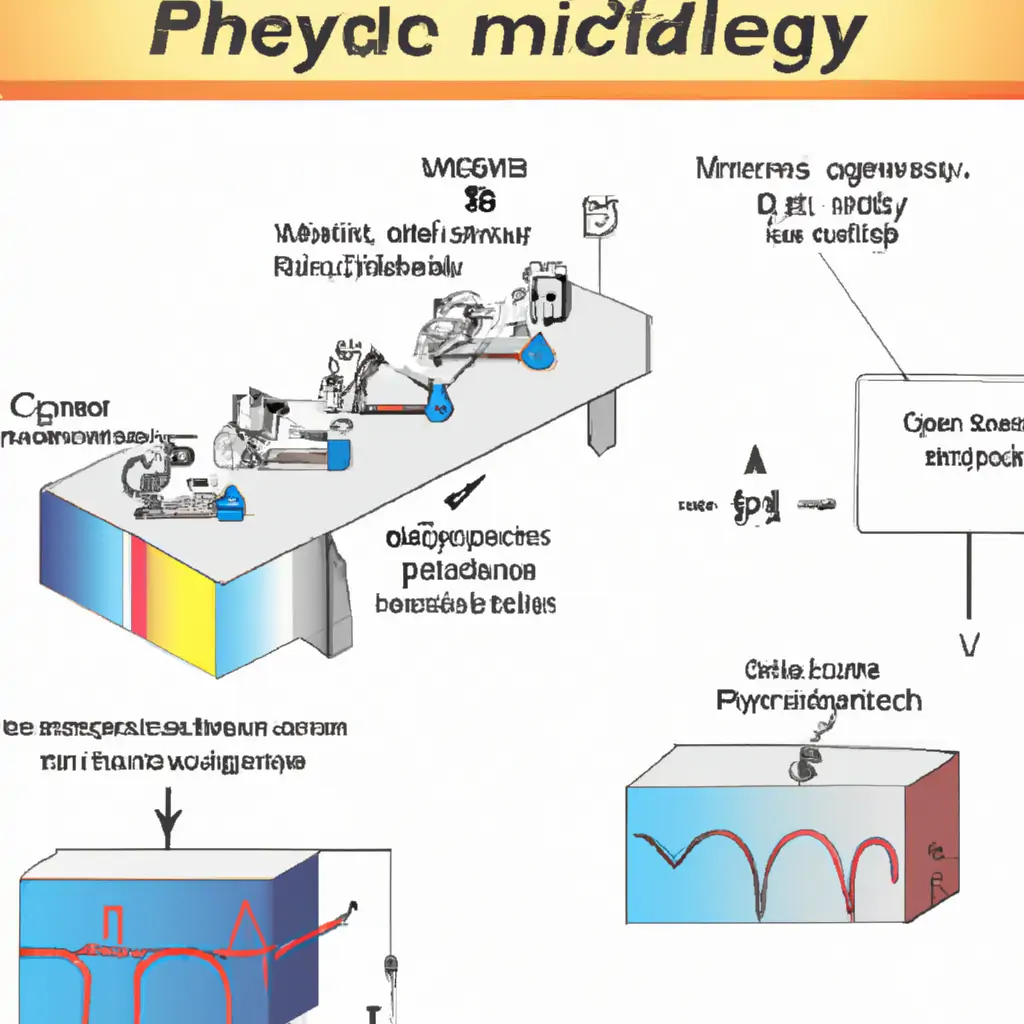
Physical Metallurgy - Understanding on Construction and interpretation of phase diagrams
Jay Desai • Online
₹500
View CoursePhysical Metallurgy - Learn on Bonding in Materials
Jay Desai • Online
₹500
View CoursePhysical Metallurgy - Understand Crystal Structures
Jay Desai • Online
₹500
View CourseArticles
Articles Jay Desai has authored or contributed to.
Reviews
Feedback from participants who've learned with Jay Desai.
This course turned out to be more technical than I anticipated. The sections on diffusion kinetics using Fick’s Laws and the Iron–Carbon phase diagram went deeper than most short courses, especially when tying heat treatment to resulting microstructures. From a chemical/pharmaceutical angle, the discussion around crystallinity, bonding, and XRD interpretation maps well to solid-state API characterization and polymorphism control, which is often glossed over in industry training. One challenge was the mixed audience level. Jumping from atomic bonding basics straight into SEM/TEM contrast mechanisms and quantitative phase analysis required some self-study in between. The math-heavy diffusion examples are accurate, but edge cases like non-Fickian diffusion or multi-component systems weren’t really addressed, which matters in real formulations and alloy systems. Compared to industry practice, the course is more theory-forward and lighter on standards (ASTM/ISO) and validation workflows. Still, the system-level view of processing–structure–property relationships is solid. A practical takeaway is being more disciplined about linking test data back to processing history during failure analysis or supplier audits. I can see this being useful in long-term project work.
At first glance, the topics looked familiar, but the depth surprised me. Coming from a chemical/pharmaceutical manufacturing background, the sections on diffusion (especially Fick’s Laws) and phase transformations filled a gap I’ve carried since school. Those concepts show up all the time in tablet coating, heat exposure during drying, and even long-term stability discussions, but they’re rarely explained from a materials-first angle. The characterization module stood out more than expected. XRD and SEM weren’t just theory here; the explanations tied microstructure and crystallinity back to measurable properties. That helped connect dots to real issues like polymorph control and why two batches with the same composition can behave differently. Mechanical testing was less directly relevant to pharma day-to-day, but it clarified how material behavior under stress links back to structure, which still matters for tooling and packaging components. One challenge was the pace. Switching from beginner-level bonding to advanced iron–carbon phase diagrams required some rewinding, especially after work hours. Still, a practical takeaway was learning how processing choices directly alter structure and properties, not in abstract terms but in ways that can be anticipated. Overall, it felt grounded in real engineering practice.
Itigi Satish
Engineer
Initially, I wasn’t sure what to expect from this course, given it tries to span both beginner and advanced ground in a short window. The content goes deep enough in areas that matter in practice, especially diffusion via Fick’s laws and phase transformations using the Iron–Carbon phase diagram. The sections on XRD and SEM were familiar from chemical and pharmaceutical solids work, but the course did a decent job tying peak broadening and microstructural features back to processing history, not just theory. One challenge was the pacing. Jumping from atomic bonding basics straight into diffusion equations can be rough, particularly if you’re rusty on the math. In industry, those calculations are often abstracted into software, so translating equations to real process limits took extra effort. That said, edge cases like sample prep artifacts in SEM or misinterpreting amorphous versus crystalline phases in XRD were addressed, which is closer to real lab issues than most courses admit. A practical takeaway was a clearer framework for selecting characterization methods based on failure mode, not convenience. The processing–structure–property linkage has system-level implications for scale-up and quality control. I can see this being useful in long-term project work.
Gyanajit Mohanty
Engineer
Initially, I wasn’t sure what to expect from this course. Coming from a working role where materials decisions are tied to chemical and pharmaceutical equipment, the goal was to tighten up fundamentals that tend to get fuzzy over time. The sections on diffusion (especially Fick’s Laws) and phase transformations actually helped close that gap. Diffusion concepts translated directly to understanding coating uniformity and drug–polymer interactions, while the Iron–Carbon phase diagram refreshed how heat treatment impacts stainless steel components used in pharma processing lines. One challenge was the pacing around crystallography and bonding. Atomic structure and crystal systems took a bit of effort to connect back to day-to-day work, and a few examples tied to polymers or pharmaceutical solids would have helped. That said, pushing through that part made later modules on mechanical testing and microstructure interpretation much clearer. A practical takeaway was learning how to better interpret SEM and XRD results instead of just accepting lab reports at face value. That’s already been useful on a recent material failure review involving fatigue cracking. The course isn’t polished or flashy, but it sticks to engineering fundamentals that matter when real decisions are on the line. Overall, it felt grounded in real engineering practice.
sarath Selvaraj
Piping Engineer
Initially, I wasn’t sure what to expect from this course, given it claims to span basics through advanced material. From a senior engineering standpoint, the coverage of diffusion mechanisms and phase transformations was the most relevant, especially when mapped to real chemical/pharmaceutical cases like polymer crystallinity control in solid dosage forms and diffusion-driven stability issues in coated tablets. The explanation of Fick’s laws tied reasonably well to how mass transport actually shows up in drug release and barrier materials, which is often glossed over in industry onboarding. Materials characterization using XRD and SEM was familiar territory, but the course did a decent job highlighting edge cases—like when XRD peak broadening can mislead phase identification in semi-crystalline pharmaceutical polymers. That said, the pace was uneven. Jumping from atomic bonding straight into the iron–carbon phase diagram was a challenge, particularly for learners without a metallurgy background, and the steel-heavy examples don’t always translate cleanly to regulated pharma environments. One practical takeaway was a more structured way to link processing parameters to microstructure and downstream performance, something directly applicable when troubleshooting variability in polymer-based formulations. Compared to industry practice, it felt more theory-forward, but the system-level framing helped connect dots that are usually siloed. Overall, it felt grounded in real engineering practice.
At first glance, the topics looked familiar, but the depth surprised me. Atomic bonding and crystal structures are things most engineers have seen, yet the way they were tied to downstream behavior—especially diffusion and phase transformations—felt closer to how problems show up in real projects. The sections on Fick’s laws and the iron–carbon phase diagram were particularly relevant, even outside classic metallurgy. In pharmaceutical manufacturing, diffusion concepts directly map to moisture ingress in polymer packaging, and phase stability issues aren’t that different from polymorphism concerns in chemical formulations. Materials characterization using SEM, XRD, and mechanical testing was explained clearly, though keeping all the techniques straight at once was a challenge. Jumping between microscopy scales and test methods required some effort, especially when thinking through edge cases like surface defects that pass tensile tests but fail fatigue in service. Industry often shortcuts this by over-relying on a single test, which the course indirectly highlights as risky at a system level. A practical takeaway was revisiting how processing choices lock in structure early, limiting later fixes. That’s directly applicable when selecting materials for reactors, tooling, or pharma contact surfaces where changes are expensive once validated. Overall, it felt grounded in real engineering practice.
Jay Desai
--