
Connect with MILIND AMBARDEKAR
₹ 2000 / Hr
Work with MILIND AMBARDEKAR
₹ 2000 / Hr
Courses
Courses MILIND AMBARDEKAR has authored or contributed to.
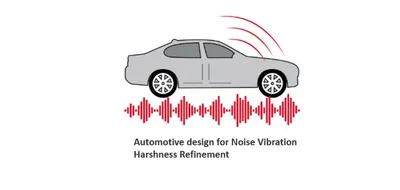
Learn Automotive Design for Noise Vibration Harshness

MILIND AMBARDEKAR • E-Learning
Free
View Course
Complexity of Vehicle Brake Noise with applications of Active Control of Vibrations & Noise
MILIND AMBARDEKAR • E-Learning
Free
View Course
A Quiet Ride Over Rough Roads: control Tyre/road noise and BSR (Buzz, Squeak, and Rattle)
MILIND AMBARDEKAR • E-Learning
$20
Articles
Articles MILIND AMBARDEKAR has authored or contributed to.

Current Company / College
NVH Consultant
City
Pune
Country
India
Professional Experience
Consultant - Self employed
Professional Career Summary
As a consultant at Optimum Vibrations & Noise, I leverage my PhD in Mechanical Vibrations and 33+ years of experience in the automotive industry to provide optimum and robust designs of systems. My mission is to help clients improve their products' performance and customer satisfaction by reducing noise, vibrations & harshness (NVH) and enhancing sound quality.
I have a proven track record of delivering innovative and effective solutions for NVH improvement for cars, vans, trucks, buses, and two- and three-wheeled vehicles. I have worked as a General Manager at Tata Motors and a Manager at Bajaj Auto Ltd, leading teams of engineers and technicians to refine products through both Test and CAE methods. I am passionate about sharing my knowledge and expertise with all Industries to face new challenges and opportunities in the NVH domain.
Reviews
Feedback from participants who've learned with MILIND AMBARDEKAR.
The Course structure was very constructive. Milind Sir has extensive experience in NVH & Acoustics domain. The way he explained NVH and acoustics concepts made even complex topics easy to understand and apply. His practical insights and structured approach added great value to the learning experience. I truly found this course to be highly informative and beneficial, and I would strongly recommend

Moin Mujawar
--
Wasn’t thrilled that module 2 assumes you’ve already got MATLAB set up; the lab jumps straight into scripts without a quick env check. After that hiccup, the level of technical granularity was higher than expected for a beginner tag. The section in Chapter 3 where they compare FFT vs order tracking on the inline‑4 crank example stuck; the 2× order spike around 2.5k rpm finally clicked why my last NVH PR went sideways. Coverage of engine mounts and body path analysis felt grounded, not academic. I’ve seen shakier pacing in similar courses, but the quality doesn’t dip as it moves from powertrain to road noise. Consistent, which isn’t common.
Came in wanting NVH material that didn’t talk down or assume zero context. Quick gripe first: module 4 on damping ratios dragged a bit, and the labs assume you’ve already got MATLAB set up. After that, it clicked. The section in Chapter 3 where the quarter-car model gets pushed through an FFT and tied back to road input was sticky; seeing RPS peaks mapped to ride feel helped connect theory to test data. Notes on tire cavity resonance vs body modes were practical, not just equations. As a grad entrant, it helped bridge classes to what shows up in prod reviews and PR comments. i’ve already shared the link with a couple teammates working ride/handling.

Narayana Reddy Siddavatam
Mechanical and Automotive Innovation
Quick gripe first: Module 4 on damping theory ran a bit long, and the quiz felt padded. That said, the habit of calling out what actually changes between versions saved time; fewer “is this still true?” pauses. As a freelancer, I liked how it tied NVH choices back to outcomes in prod, not just math. The Chapter 3 example on order tracking—specifically the gear whine FFT waterfall—stuck with me because it mapped cleanly to decisions you’d make in the arch review. Labs didn’t assume much infra, which helped. It closed a gap between what I knew and what I assumed I knew about noise paths.

Quality stayed pretty even across modules, but module 4 dragged a bit and the labs assume you’ve already got MATLAB wired up. After that, it clicked. The “Modal Testing Basics” section with the door panel resonance example at ~180 Hz stuck with me, especially how they tied frequency response back to design tradeoffs. As someone bridging legacy code and newer infra, I kept mapping the NVH flow to how we think about obs in prod: measure first, then tweak arch. The transfer path analysis chapter felt like reading a clean PR—clear inputs, fewer guesses. I’ve already borrowed the checklist style for a CI gate around RPS regressions. Not flashy, but it fits day-to-day work.

Bhavya Mathur
Student
Compared it against a couple other NVH intros, and this edged them out, but small gripe first: the labs assume you’ve already got MATLAB installed and a few toolboxes, which wasn’t called out. After that hiccup, the pacing clicked. The beginner framing helped connect equations to actual car behavior. The moment that stuck was Section 3.2 on engine mount tuning using a simple 2‑DOF model, then tying it to order tracking at 3,000 RPM. That bridged classroom math to something I’ve seen in prod issues. Notes on tire‑road noise were concise, not hand‑wavy. it's not flashy, but it moved me from “it works” to understanding why it works.

The Module 3 quarter-car model walkthrough—tweaking bushing stiffness and watching the 1st body mode move, clicked fast for beginner NVH. It's practical for prod vehicle work and arch tradeoffs around mounts and idle shake, though I wasn't sold on the brief FFT section and wished there was more on test/CAE correlation.

Musyaffa Muhammad
Student
Sat through plenty of advanced NVH courses, and this one actually bites. It doesn’t float at slide level; it pushes into how decisions land in prod when targets get ugly, and that kept me engaged between meetings. The bit that stuck was the order-tracking walkthrough in the powertrain chapter, where they map 2nd order boom during a 3,200 RPM coastdown and show how a mount tweak shifts the peak; I’ve already mirrored that flow in my repo for a current PR. There’s practical glue too: tying CAE outputs to test obs, plus a quick nod to how CI can gate NVH regressions before release. I wasn't sold on the intro pacing, and I wished there was more on road-induced NVH at low RPS, but mostly it held up. I've felt the gap close between sim and test, and my day-to-day loop is shorter with fewer re-runs.

Namdev Gaikwad
Engineer
The material lined up with problems we’re wrestling with in the current sprint, especially NVH tradeoffs that leak into prod late. Chapter 6 on structure‑borne path analysis stuck with me, particularly the example tracing a 2.3k RPM order through the subframe mounts using transfer path analysis plots. It’s pitched at an advanced level and mostly works, though I wasn’t sold on the quick jump from test data to design actions without more arch context. I’ve already folded a few checks into our CI notes and repo docs, so the time felt well spent.

amit A
Engineer
Early chapters put a real technical base in place, which mattered given the advanced label. The math around FRFs and the Chapter 4 walkthrough comparing structure‑borne vs airborne paths using the same mic layout stuck; seeing the tradeoffs laid out beat hand‑wavy NVH talk. The mount tuning example where stiffness shifts the 2nd order boom was concrete enough that I could map it to a current prod issue. Later sections felt closer to how I think about arch and infra at work—measure, observe, change one variable, re‑measure—though the tooling side wasn't always explicit. I wasn't sold on the brief pass‑by noise bit; wished there was more on test setup pitfalls and obs during reruns. still, it's good enough that I've gone back twice to re‑read the FRF vs ODS section and the road load data notes between meetings.

Narendra Mayabhate
NVH Engineer
Needed a clearer picture of the internals behind NVH tradeoffs, and this course mostly delivered without fluff. The Chapter 6 transfer path analysis walkthrough, especially the mic array setup tied to body arch modes, stuck because it mapped theory straight to test data I’ve seen in prod. it's paced for advanced folks; I wasn't sold on the brief k8s-style CI analogy for test automation, wished it went further. Still, the takeaways feel concrete and technically grounded.

Avinash Manjunath
Senior Design Engineer
Dropped in halfway through and the context came together fast, but module 4 dragged a bit and the labs assume you’ve already got MATLAB scripts and test rigs set up. Once past that, it mapped cleanly to day job work. Chapter 6’s transfer path analysis, especially the dash panel modal participation example at 220 Hz, stuck with me. The way it ties NVH metrics back to arch tradeoffs felt close to how we argue changes in a repo or PR. I liked the section on order tracking vs. time-domain obs and when each breaks down in prod testing. it's already changing how I frame comments on my next PR.

Kamlesh Katkar
Manager
Felt like sitting in on a senior engineer sketching NVH tradeoffs at the whiteboard—quick, opinionated, and anchored to real constraints. The transfer path analysis section stuck, especially the door-seal example with order tracking around 2,500 RPM and how a small bushing tweak moved cabin boom. Pacing's mostly right, though I wasn't sold on the long MATLAB plots and wished there was more on test-to-prod handoff. already used the modal testing language in reviews; it’s better ammo for the conversations that matter.

Ghugarkar Pratik Vijay
Senior CAE Engineer
Advanced, mostly aimed at folks who've already shipped NVH fixes; it's less theory and more system tradeoffs across arch and test obs. The Chapter 6 pass-by noise walkthrough with mount tuning spreadsheet stuck, though I wasn't sold on the brief treatment of road-induced vibration and wanted more on hybrid driveline edge cases.

Kiran Phani
NVH
The modular layout made it easy to drop between meetings without losing context. The section on engine order tracking, especially the Campbell diagram example around 3,200 RPM and how it tied back to mount tuning, stuck with me; felt closer to debugging prod obs than classroom theory. Arch-level framing was helpful, mapping test rigs to data flow like a CI pipeline, though I wasn't sold on the brief treatment of airborne vs structure-borne crossover. It's cleared up a few NVH questions I've been parking for a year.

Adithya Ravindran
Student
Needed something that’d stand up to a code review mindset, and the first gripe: module 4 dragged a bit, especially the math recap before getting to control. After that, it clicks. The section on mode-coupling squeal, specifically the worked example with the μ–v curve and eigenvalue drift in Chapter 3, stuck with me. It bridges legacy brake arch thinking with modern active control without hand-waving. The FxLMS walkthrough in the active vibration control chapter felt like reading a clean PR: assumptions stated, failure modes called out, obs on stability limits. Not a lab-heavy course, but the examples map cleanly to real prod constraints. Time spent here didn’t feel wasted between meetings.

Yogesh Saxena
Nvh Test Engineer
Prereqs were assumed and respected, so time wasn’t burned rehashing controls basics. The section on mode‑coupling squeal in Chapter 3 stuck, especially the caliper example where the active feedforward controller actually shifted the unstable pair; pulling the MATLAB repo and skimming the ANC script felt close to how I’d wire it in a PR. wasn't sold on how lightly the obs side was treated for road noise vs dyno, but it didn’t derail the flow. Compact, useful, not padded.

Prem Kumar
--
Grabbed it over a weekend and didn’t plan to finish; small gripe first: module 4 on control theory pacing dragged, and the labs assume you’ve already got MATLAB toolboxes set up. After that, it clicked. The section on brake squeal eigenmodes, especially the example walking through μ‑v curves and mode coupling, stuck with me. I liked how it framed tradeoffs the way I think about arch choices in prod: you can push RPS, but obs and stability move too. The active control case comparing feedforward vs feedback felt like a clean PR discussion, not academic fog. I’m a freelancer, so time matters; this mapped well to how I reason about infra changes. The tradeoff matrix near the end is sitting in my notes for later.

Came in with a backlog of brake squeal questions; most of them got answered without hand-waving. The arch-level framing around friction-induced vibration mapped cleanly to how we reason about failure modes in prod, and it didn't pretend everything is linear. Chapter 4 stuck with me: the complex eigenvalue plot around ~2.1 kHz, then the shim damping tweak and how the real part shifts; that's a concrete mental model I've already reused in a PR review. The active control section was useful, though I wasn't sold on the latency assumptions when sensors live on a hot caliper. the case study on caliper bracket compliance vs pad chamfering read like an incident writeup, which helped, even if the data flow and obs side felt thin. I've sat through enough post-mortems on NVH regressions to know why that matters; this puts better questions on the table next time, even if I still want more on closing the loop in CI.

The failure modes coverage ended up being more useful than the random papers and forums I'd been skimming, especially once it framed tyre/road noise as a system problem instead of a single part. In the chapter on BSR taxonomy, the clip-to-panel example at ~18:40 stuck: the way preload drift shows up as a squeak only after thermal cycling felt painfully familiar from prod vehicles. The test setup walkthroughs were practical, not lab-theater; seeing how they biased RPS during a rough-road sweep connected design intent to obs you actually see on track data. I liked the control logic discussion around damping vs isolation, though I wasn't sold on the brief detour into supplier scorecards; wished there was more on how that feeds back into arch decisions earlier. It's intermediate in the right way: assumes you know the parts, but pushes on interactions. I've already pulled a few of these patterns into notes for our internal style guide, even if I had to trim some of the automotive specifics.

Module 4 on psychoacoustics dragged a little, especially the taxonomy slide marathon. Jumped in mid-module and still got oriented fast, which helped between meetings. The section on “Road Noise Pathways” stuck with me, specifically the diagram tracing tire cavity noise through the suspension bushings into the cabin. That example maps cleanly to real arch decisions we argue about on automotive programs. The instructor didn’t oversell tools; it stayed practical for beginner NVH without pretending you’re in a lab all day. I’ve already reused the gear whine clip at 1,500 vs 3,000 rpm in a PR discussion. it's made our technical debt talks less hand-wavy and more tied to what drivers actually hear in prod.

Kalidindi satish varma
Engineer
Practical labs, useful implementation detail. Worth the time.

The section on 'Idle boom vs road roar' with the cabin mic trace around 200–300 Hz stuck; it reframed NVH as a system issue, not trim tweaks. For a beginner course it's mostly clear for teams, but I wasn't sold on the quick pass over EV tire noise and wished for one more teardown example.
Prem Kumar
--
The NVH wheel-speed harmonics demo in Chapter 3 clicked for prod testing, but it's beginner-level; wished more on infra/obs tradeoffs, sensor cost.

sachin bhagi
--
The tire cavity resonance clip in Chapter 2 bridges legacy ICE NVH to EV arch; it's mostly clear, wasn't sold on the dB math pacing.
VARGHESE M JOHN
Engineer
Came in skeptical about the overhead of caring this much about NVH at a beginner level, especially coming from software where we already juggle arch and infra tradeoffs. The section breaking down structure‑borne vs airborne noise, with the EV inverter whine example and the simple waterfall plot, stuck because it mapped cause to fix cleanly. It clicks like moving from logs to obs in prod—same thinking, different domain. wasn't sold on the short treatment of road-tire interaction, but I’ve got concrete notes I can apply without hunting a repo or PR.

Devikiran Bajathur
Lead Design Engineer
Started as an L&D audit, then it kept crossing over into things I actually use when bridging legacy vehicle arch with newer obs and CI habits. The NVH order-tracking segment in Chapter 4 stuck, especially the 1.5x driveline mode example tied back to RPS and mount tuning. It’s applied without pretending we’re all in prod k8s; a few callouts even mirror how I annotate a repo or PR. mostly wish there was a bit more on wind noise correlation vs CFD, but the pacing improves as you move past the basics.

Sujin Prasad
--
Needed material that would survive a code review, not slideware. The NVH framing bridges legacy test-cell heuristics to modern obs; the wind noise chapter’s A‑pillar vortex example and mic correlation at 120 kph stuck during PR debates. it's mostly practical, though I wasn't sold on the thin coverage of tyre/road order analysis integration into CI and infra. i've already sketched a refactor of our repo arch for driveline torsional modes, with notes on prod validation and RPS-like load cases.
jet tapo
--
wind noise chapter’s A-pillar mirror tweak example was useful; wasn't sold on the order tracking walkthrough, wished more on tyre/road FFT vs RPS correlation.

Abaid ur rehman
Student
Came in to audit it for our L&D budget and ended up learning more than expected, especially mapping legacy NVH thinking to how teams actually work today. The Transfer Path Analysis chapter stuck: the example where they isolate a firewall mount using order tracking and a simple FFT waterfall made it click. It bridges old-school test rigs with modern obs and CI habits; not k8s-in-a-car, but the arch thinking translates. Mostly good, though I wasn't sold on the brief EV NVH bit and wished for more on active noise control—still, it's made a messy topic feel manageable.

Abhinav Mahajan
Design and Development Engineer
Reads like field notes from someone who's shipped and debugged NVH issues in prod. The moment that stuck was Chapter 3 on transfer path analysis, where the 180 Hz cabin boom gets traced back to an exhaust hanger stiffness change; that example maps cleanly to how we reason about arch and PR reviews. From a team lead angle, it’s mostly efficient for onboarding juniors without burning budget, though I wasn't sold on the light tooling walkthroughs and wished for more EV-specific NVH. left with a refactoring plan sketched for our test repo and CI.

The NVH basics clicked via the powertrain mount tuning chapter's FFT walkthrough—mostly useful, though I wasn't sold on the MATLAB-heavy detour.

neelam b
--
Bridges old-school NVH heuristics with newer analysis without pretending everything’s greenfield; the Chapter 3 order-tracking walk-through on a 4‑cyl run-up stuck, especially tying FFT plots back to engine mount choices. Mostly works for beginner→intermediate, though I wasn't sold on the thin obs around road noise—wished there was more on tire cavity examples.

Swapnil Kadlag
Sr CAE Engineer
Small gripe first: module 4 dragged, and the labs assume you’ve already got MATLAB toolboxes wired; that setup note came late. Came in with a running list of NVH questions and most got answered without fluff. The section on structure‑borne vs air‑borne noise clicked, especially Chapter 3’s coast‑down order tracking example where half‑orders were tied back to mounts and bushings. Good system framing around source‑path‑receiver, not just FFT screenshots. I’ve seen similar issues in prod vehicles, and the troubleshooting checklist maps cleanly to how we actually triage issues under time pressure. Notes on test setup vs CAE expectations were practical. It’s not perfect, but I’ve already adjusted how I prep for the incident post‑mortems we keep having.

vaishnavi chebium
Student
Module 4 dragged a bit; the damping math lingered longer than needed, and the labs assume you already have MATLAB toolboxes set up. That said, it doesn’t camp in Hello World land. It moves quickly into things I actually see at work. The transfer path analysis walkthrough in the “Engine Mount Tuning” section stuck with me, especially the example comparing idle boom before/after mount rate changes. Clear enough to map back to our arch decisions without hand-waving. The FFT waterfall screenshot around 1,200 RPM was a good anchor when talking NVH tradeoffs with non-NVH folks. It’s been useful for framing tech-debt debates around vibration fixes vs. kicking them down the road.

Anup Shedage
Engineer
Easy to consume in chunks, which mattered between PRs and meetings, and the module boundaries made it painless to pause and resume. The section on hydraulic mount tuning, specifically the frequency sweep example in Chapter 3 where he walks through the free-body diagram and plots transmissibility vs engine order, stuck with me. That tied NVH theory back to real arch decisions instead of hand-waving, though I wasn't sold on the quick pass over durability tradeoffs. It stays mostly practical, with decent obs around how bad mounts show up downstream in vehicle feel, not just lab plots. I did wish there was more on test setup limits at higher RPS and how that skews interpretation, but that's a nit. the framing around mount selection feels reusable even as CAD tools and solver versions change, which is more than I get from most automotive courses.

Harshith J
Student
the hydraulic mount tuning section that compares idle shake vs road boom using a simple frequency sweep example stuck with me. It's mostly practical for day-to-day NVH work in automotive, but I wasn't sold on the thin treatment of active mounts and wished there were more test data plots.

Rohit Jha
Fea manager
Needed material that would survive a PR-style teardown. Minor gripe first: Module 4 dragged a bit, and the labs assume you’ve already got SPC software wired up; a quick setup note would’ve helped. After that, it clicked. The Chapter 3 FMEA walk-through on NVH was useful, especially the example tying end‑of‑line acoustic thresholds back to supplier drift. Framing quality gates like CI checks mapped well from legacy prod lines to modern infra thinking; obs beats gut feel. The comparison of control charts to k8s readiness probes stuck, weirdly apt for silent vehicles. I’ve already reused the change-control checklist in a repo review and in a plant PR discussion. It doesn’t oversell, just narrows the arch choices so the topic feels manageable without dumbing it down.
Prem Kumar
--
Came in wanting a clearer mental model of how the quality stack connects from design intent to the line, and this mostly delivered. The framing helped align arch decisions with day‑to‑day execution, which matters when you're trying to keep prod quiet without bloating infra or headcount. A specific bit that stuck was Module 3’s gage R&R walkthrough on motor whine, where the example ties acceptance bands to end‑of‑line RPS and shows how a bad study leaks noise into PR churn. wasn't sold on how lightly supplier audits were treated; scaling that across an automotive supply base feels harder than the course suggests. The CI analogies landed though, especially mapping control plans to repo checks rather than one‑off inspections, and the obs angle was practical without getting cute. Cost-wise, it reinforced where to spend and where not to, and I’m leaving with fewer open questions and more confident answers.

Sharan A M
--
The ramp from basics to advanced mechanics was handled pretty well, especially for an automotive topic that usually jumps too fast. Chapter 3’s quarter‑car model walkthrough, where the mount stiffness sweep shows NVH tradeoffs, stuck; it maps cleanly to how I think about arch decisions under load, even if the math got dense. wasn't sold on the short aside about active mounts and control loops, and I wished there was more on how these assumptions break in prod constraints, but the examples stay at the right complexity without being dumbed down.
Narendra Mayabhate
NVH Engineer
Used this to sanity-check some arch assumptions our team had locked in before freezing mounts for an automotive platform. The section on decoupling roll vs pitch with a tri-mount layout, especially the frequency plot around 20–30 Hz, stuck because it tied stiffness choices back to idle shake. I wasn't sold on the quick math jump to testing, and wished there was more on measurement/obs and correlation; mapping that to prod decisions and PRs took a beat. Still, it's helped me reason through tradeoffs faster and made a gnarly topic easier to work with.

ajith krishna
Consultant
Bridges legacy NVH thinking with modern constraints; the Chapter 4 bushing durometer trade study (idle shake vs road boom) made the arch choices concrete, with transmissibility plots I’ve argued over in prod reviews. it's mostly aimed wide; wasn't sold on the beginner pacing, and I wished for more obs on hybrid powertrain mounts under regen.
Anup Shedage
Engineer
Good bridge between theory and prod constraints; the section on hydraulic mount tuning around idle RPS in Chapter 4 stuck. It helped sanity-check arch decisions for NVH in a current repo, though I wasn't sold on the brief k8s analogy and wished for more on EV driveline mounts—it's relevant in automotive teams.
Rohit Jha
Fea manager
The kind of content you reopen when the arch fails and prod starts rattling, even if the domain is automotive NVH. Chapter 4’s idle shake walkthrough, where they tune mount rates on a transverse V6 and show the frequency sweep plots, stuck with me because it mirrors how we reason about infra changes before a PR hits CI. mostly it bridges legacy rubber mounts to modern active setups—without pretending k8s-level obs magically fixes physics. Wasn't sold on the brief take on mount control loops; wished for more failure cases, but feel better walking into post-mortems.
amit A
Engineer
Chapter 3's idle shake FFT at 800 rpm clarified mount tuning; wasn't sold on the brief kinematics math.
Swapnil Kadlag
Sr CAE Engineer
Passed this around internally before finishing, which isn't common. The section on AVAS regs and the binaural mic demo around minute 18 of the NVH chapter stuck, especially how masking shifts with speed and tire compound; it maps to real prod vehicles. It's mostly tight, though I wasn't sold on the quick skip over infra for measurement pipelines and wished there was more on obs and RPS of the sensor chain. left with fewer hand-waves and a clearer mental model of why the noise shows up.
Prem Kumar
--
Chapter 6 order-tracking at 3,000 RPM finally connected FFT plots to mount arch; wasn't sold on the brief EV inverter whine section, mostly.
VARGHESE M JOHN
Engineer
The mount-tuning worksheet in the NVH basics section was useful for EVs; there's not enough on inverter whine.

kangkan goswami
Engineer
The section headers pulled me in, and the material mostly delivered for an intermediate pass. The Chapter 4 order-tracking walkthrough stuck: watching the 2nd-order spike fall after the engine mount retune, plus the note on firewall accel placement, felt like something I could try Monday. It's practical without pretending to be magic; I've already mapped parts of the mount arch to our current obs setup, though I wasn't sold on the brief EV tire-noise bit and wished there was more road input context. already moved from watch list to share list with a teammate.

VIPIN C V
Engineer
Dense, relevant content. The real-world examples made it stick.
the dB weighting section and FFT lab tied theory to SPL; it's useful, though wished more on damping models.

This felt closer to a walkthrough than a skim, with equations tied to what you'd actually plot. The Chapter 2 SDOF resonance bit where a swept-sine is run, FFT bins are shown, and damping shifts the peak stuck with me. I've liked the obs-style plots and the habit of sanity-checking before a PR; I wasn't sold on the quick FFT windowing aside and wished there was more on mic calibration for automotive NVH. The emphasis on failure modes—aliasing, clipping, bad boundary assumptions made it stick.

Consistency across modules held up better than I expected, which matters when a beginner course hops between math, intuition, and lab-style examples. The framing felt like a bridge from the legacy way I learned vibrations (hand calcs, tables) to how we reason about it now, with checks you can actually run. The micro-detail that stuck was in the “Single-DOF Oscillator” section, around the part where the phase plot flips sign as damping increases; that sketch plus the quick numeric example finally lined up. I've used similar plots in prod reviews, but this made the why clearer. mostly worked for me, though I wasn't sold on how lightly boundary conditions were treated, especially if you’re thinking automotive NVH later. A bit more on measurement error and how it shows up in obs would’ve helped. Still, it closed the gap between what I thought I knew and what I actually knew.
xedo soj
--
Started this to sanity-check how our team frames acoustics work, bridging legacy NVH intuition with more modern analysis. The section on damping ratios where they walk through the log decrement example and plot the decay stuck; it maps cleanly to how we sanity-check resonance before shipping to prod. I've used similar math in PRs explaining arch tradeoffs, though I wasn't sold on the FFT windowing chapter—it moved fast and skipped practical sensor noise. It's beginner-friendly without talking down, and I'll be sharper on the next design review because of it.

Ahmed Modaikher
Stress Piping Engineer
The dB scale walkthrough in Chapter 3, where they compare A-weighting vs flat noise from a shop fan, landed better than most beginner courses. It bridges legacy acoustics math to how I'd sanity-check obs in prod or NVH work, though I wasn't sold on the light touch around FFTs and wished for a Python repo.

That junior-to-senior gap shows up fast, especially when theory gets tied to tradeoffs you’d face in prod. Section 2.4 on panel damping vs mass law, with the door ring example around 180–220 Hz, stuck because it mapped equations to arch choices and test obs. it's beginner-friendly, though I wasn't sold on the quick pass over measurement rigs and wished there was a bit more on validation. I've had half-parked questions about vehicle NVH for a year, and this connected them without hand-waving—useful between meetings.
The section headers pulled me in, and the lessons actually followed through instead of hand-waving. For a beginner course on vehicle acoustics, it connects the dots between vibrations and real design calls without drowning you, which matters when you’re juggling prod bugs and a PR review. The moment that stuck was the “20–80 Hz cabin boom” chapter, especially the quarter‑wave resonator sketch tied to a simple door cavity example; I could map that straight to a sedan program I’ve seen. It's framed like an arch review: inputs, constraints, tradeoffs, then why one fix beats another. I wasn't sold on how light it stayed on the math, and I wished there was a bit more on measurement setups beyond the mic placement slide. Still, it filled gaps I had from bootcamp-style learning, and I’m better set for an upcoming test rig migration where NVH decisions can’t be fuzzy.

Sai Phani
--
Brought this in to see if it could anchor a short team session on vehicle NVH, not just theory. The section on panel resonance vs cabin boom stuck, especially the door panel modal test explaining a 120 Hz peak at highway RPS equivalents; it's concrete enough to map to real programs. I've already tweaked our repo with a noise-check checklist and a CI gate before PRs touch arch choices, obs mindset carried over. wasn't sold on the math pacing and wished there was more on tire–road noise, but our runbooks are getting rewritten.

Good grounding for a beginner; the Chapter 3 demo where they compare panel resonance before/after adding damping on a door skin stuck, especially the FFT plot tied back to cabin obs. Mostly helpful for aligning cross‑team decisions, though I wasn't sold on the brief treatment of cost/weight tradeoffs when these tweaks hit prod timelines.

bikash sahoo
--
A few things clicked around performance tuning that I hadn't connected before. The NVH section showing an FFT of cabin noise lined up against engine order at 2,400 RPM stuck, especially the quick demo of how a mount change shifts peaks. It mapped cleanly to how I'd debug latency in prod—watching RPS spikes alongside obs traces and not blaming infra first. Beginner tag fits; I wasn't sold on the math‑lite modal bit and wished there was one more worked example. I've already reused the quarter‑car suspension example to sanity‑check an arch call on an EV side project; no k8s, no CI, just physics. The separation shows up in the odd cases like panel buzz from wiring clips, which don't get long airtime but linger.
The cabin boom demo in Chapter 3 overlaying order analysis on a 60–80 Hz sweep was immediately useful for spec’ing NVH targets on a small EV. It's mostly practical, but I wished there's more on translating lab mic placement into on-road obs and how this feeds back into arch decisions.

Saravanan .M
--
Good pace, good depth. The performance sections were especially useful.
Beginner-friendly without hand-waving; the FFT walkthrough on cabin boom at ~120 Hz in the vibrations section stuck, especially mapping frequency peaks back to a control arm mode. it's practical for day-to-day NVH checks, though I wasn't sold on the thin coverage of durability test standards and wished there was more on shaker rig setups.

Rohit Samant
--
Prereqs felt right-sized; basics weren’t rehashed, but nobody was assumed to have a PhD either. The beginner framing works if you’re an engineer touching automotive vib/acoustics from the side while shipping other things in prod. Chapter 3 on modal analysis stuck, especially the example where changing bushing stiffness shifted the peak around ~120 Hz and the pressure plot moved with it; that clicked more than equations alone. I liked the way NVH ideas were tied back to decisions you actually make, similar to choosing an arch tradeoff before a PR lands. maybe wished there was a bit more on measurement noise and obs tooling, since real rigs aren’t as clean as the slides. Still, the bridge from “mystery noise” to something you can reason about felt real, not hand-wavy—closer to reading a repo than watching k8s diagrams float by.

Muhammad Attiq ur Rehman
Student
The angle on testability went further than expected, especially tying durability back to how you actually validate parts in prod vehicles. Chapter 2’s modal hammer test walkthrough, where they interpret the transfer function and explain why one accelerometer placement skewed the peaks, stuck with me; felt like a CI mindset applied to automotive arch. As a software person bridging legacy test rigs with modern obs, that clicked. mostly worked for a beginner, though I wasn’t sold on the light treatment of acoustic sensor mounting and noise coupling. The notes are concrete and technically grounded without hand-waving.
This course tackles the 3am-on-call problems of scaling quiet across millions of vehicles using DFSS, not a lab one-off. The Week 3 NVH transfer-path analysis where we built an orthogonal array and watched a door seal tolerance blow past the spec stuck. Framing targets like prod guardrails and treating DOE runs like CI checks helped me map it to how I think about arch and infra; it's closer to PR hygiene than theory. Wasn't sold on the tooling screenshots and wished there was more on EV motor whine versus road noise, but I'd point my team here.
Prem Kumar
--
It moves past the toy phase quickly and gets into how AVAS behaves in real vehicles. The UNECE R138 section, especially the 0–20 km/h speed ramp audio clip comparison, stuck and felt concrete. Enough context to talk with suppliers and sanity-check specs in PRs; you don't need a repo or fancy infra to follow. I wasn't sold on the short psychoacoustics bit and wished there was more on in-vehicle testing, but it's a handy add to the toolkit.
Rohit Samant
--
Came in checking how this handles scale beyond a pilot, especially once AVAS has to ship across trims and markets. The UNECE R138 section stuck, particularly the table walking speed bands and the example where the sweep shifts under 20 km/h; that’s something I’ll paste into a PR comment. It's beginner-level and mostly clear, though I wasn't sold on the mic placement advice without more obs data from road tests. Probably reopening this ahead of our next arch review.
The scaling angle grabbed me, since AVAS gets messy once you’re shipping across trims and markets. Chapter 3’s UNECE R138 pass/fail walkthrough—especially the 20 km/h sweep and frequency band checks—stuck because it mirrors what I’ve seen fail late in prod. It ties system arch to infra and obs in a practical way, from sensor inputs to how alerts behave under CI updates in the repo. I wasn’t sold on the psychoacoustics bit, but it nudged how I troubleshoot end‑to‑end when something sounds off.
The UNECE R138 section on the 20 km/h cutoff was useful for specs; wished there was more on audibility testing, it's light on that.
Came in wanting to see how AVAS designs behave once event rates climb, not just toy demos. The UNECE R138 compliance section stuck, especially the moment they adjust the speed‑to‑pitch table and explain why the 20 km/h breakpoint matters for pedestrians. It's beginner‑friendly and mostly practical, though I wished there was more on testing in CI and basic obs when this hits prod. It’s one of the rare courses that changed how I read audio repos and PRs.
Came in mostly caring about runtime impact on the ECU and whether AVAS audio competes with other automotive infra, especially in prod. The section breaking down UNECE R138 speed bands, plus the demo where the waveform crossfades between 0–20 km/h, made the CPU budget discussion concrete without hand-waving—useful for arch talks. it's beginner-level, so I wasn't sold on the light treatment of obs and latency under load, and wished there was more on failure modes. Still, I've updated my internal model more than the vendor docs ever managed.

Dense, relevant content. The real-world examples made it stick.
haf vo
--
The section in Chapter 4 on pass-by noise—cascading a 72 dBA target into tire, powertrain, and body budgets—stuck, especially the quick spreadsheet walk-through. mostly beginner-friendly; it's clear for early automotive arch decisions, but I wasn't sold on the light treatment of test correlation and obs vs CAE tradeoffs.
neelam b
--
The labs exposed some bad habits, but they also assumed you already had MATLAB toolboxes set up, which slowed me down. After that friction, the course landed well for a beginner. The target‑setting flow felt close to how we actually talk NVH in prod reviews. Module 2’s target cascade tree stuck, especially the example breaking idle boom vs road roar and tying each back to arch decisions. Short exercises forced me to stop hand‑waving and write numbers I’d normally dodge. It wasn’t flashy, and a couple slides repeat definitions, but the pacing worked between meetings. not something I usually pass on internally, but I will here.

Felt closer to a mentorship chat than a standard class, especially in how legacy NVH thinking is bridged to current programs. The Module 3 target-tree walk-through, cascading a 120 Hz cabin boom target down to body mounts and bushings, stuck with me and maps cleanly to how we argue arch decisions before prod. It's beginner-friendly without dumbing it down, though I wasn't sold on how lightly EV vs ICE tradeoffs were handled. useful for the performance framing alone, and easy to apply back in a repo/PR or CI review.

Jashwanth .s
--
Good pacing for a beginner NVH course; the Chapter 3 target-cascade worksheet using pass-by noise vs interior SPL stuck, especially mapping vehicle-level dB to component budgets. it's usable in client kickoff docs, though I wasn't sold on the suspension example and wished for more EV-specific numbers.

Sailesh M
--
Came in wanting material that assumed some basics without starting at zero, and this mostly hit that mark. The Chapter 3 cascade worksheet—where the 50 km/h pass‑by target gets split into powertrain vs body contributions—stuck, especially the note on margin for test variance. I’ve already mapped that logic to how I write a design PR and sanity-check arch decisions against NVH risk. wasn’t sold on the brief intro to order tracking; a touch more on measurement setup would help.
The move from regulation theory to something you can actually encode happened faster than expected, which helped frame it; it's applied work instead of policy reading. The walkthrough in Section 3.2 on UNECE R51 pass‑by tests, especially the microphone spacing and speed window example, stuck because I could map it straight into checks. Limits read like arch constraints, with assumptions tracked in a repo and reviewed via PRs before prod. I wasn't sold on the light take on regional enforcement, but it cleared mental tech debt.
Prem Kumar
--
Quick skim that helps when clients ask about compliance; the 'EU pass-by noise test' chapter with the mic spacing diagram and 50 km/h condition stuck. wasn't sold on the US coverage, only a page on variance, and I wished for a checklist tying test results into prod sign-off or a PR note in the repo.
Chapter 3's drive-by test walkthrough with the 50 km/h pass-by mic spacing stuck; the diagram comparing EU R51 vs SAE J1470 was clear. It framed how compliance differs by market, though I wasn't sold on the light enforcement coverage; it's beginner.

Pulled this to sanity-check if it could work for a team lunch-and-learn, not to become a regs nerd. The beginner pacing worked, and the UNECE R51 pass-by test section with the 7.5 m mic placement diagram finally clicked, which helped before a PR heading to prod on an exhaust tweak. Mostly useful, though I wasn't sold on how light the coverage was around EV pedestrian alerts and edge cases. It's helped tighten the words we use in design reviews so arch debates don't drift.
Material you reach for when the arch starts creaking, not intro fluff. The section on A‑pillar vortex shedding, especially the 165 km/hr tuft video and the quick CFD sanity check, stuck because it maps cleanly to decisions you make in prod. It bridges old wind‑tunnel practice with modern simulation the way a good PR bridges legacy code and a new arch; the mirror cavity resonance example felt like reading obs traces. I wasn't sold on the brief camera‑mirror aside, wished there was more, but the handling of edge cases is where it’s clearest.
Prem Kumar
--
Already passed it around internally before finishing, which isn't typical. The Chapter 3 breakdown on A‑pillar vortex shedding stuck, especially the pressure probe plot at 180 km/hr and the door‑seal lip tweak that dropped SPL a few dB. Mostly tight, though I wasn't sold on the brief CFD section; wished there was more on correlating mesh choices to wind‑tunnel obs around mirror mounts. I've been making arch calls earlier and cutting rework and PR churn in prod.

Anil Manjare
Engineer
Pulled this in to sanity-check whether a team session would make sense for our auto folks, not to rubber-stamp a course. The Chapter 3 walkthrough comparing mode shapes to a frequency response plot on the sedan body-in-white stuck; the bit where they explain why the third mode spikes during road input felt like reading a clear PR on arch tradeoffs. Mostly works, though I wasn't sold on the light treatment of damping assumptions and wished there was more on test correlation. Net effect: fewer “it works” handwaves and more “here’s why it works,” which helps when translating to prod decisions.

This assumes you’ve already tripped over the obvious NVH fires in automotive programs and are tired of guessing. It moves fast but stays practical; the section on order tracking around 1.5k RPM, where the instructor flips between time and frequency to show a tire cavity mode, stuck with me. That clip alone saved me a back-and-forth PR arguing whether the buzz was powertrain or road input. I liked how the arch tradeoffs were framed against real prod constraints, not lab-perfect rigs, and the note on obs gaps when mics saturate at speed felt familiar. mostly worked, though I wasn’t sold on the short detour into psychoacoustics; wished there was more on triaging when multiple orders stack. Still, it maps cleanly to how we run post-incident writeups now, and I’m less hand-wavy going into those post-mortems we keep having.

ragini kumari
Student
Chapter 3’s tire cavity resonance demo at ~220 Hz clicked fast—it's clear how a door seal tweak moved cabin RPS under cruise. Mostly useful framing for NVH tradeoffs, though I wished the powertrain section tied results back to arch decisions earlier; don't skip the transfer path map.
Devikiran Bajathur
Lead Design Engineer
Chapter 3's tire-road noise case tied NVH to EV range; it's useful for design reviews, though I wished more on prod validation.

RAVINDRA KUMAR
Student
Module 4 on psychoacoustics dragged a bit, and the labs assume you’ve already got the FFT tooling wired up. That aside, the course helped me picture how NVH data actually moves from test bench to decisions, not just plots on a slide. The Chapter 3 walkthrough of order tracking during a coast‑down, especially the pass‑by noise waterfall example, stuck. It bridged the old spreadsheet-heavy workflow I’ve seen in automotive with a more modern arch: ingest, annotate, obs, then loop back into design reviews. Useful framing even if you’re coming from infra or CI thinking, not pure acoustics. I’ve used similar mental models in prod when correlating RPS spikes, so the translation clicked. now I can explain the “why” behind tradeoffs I used to hand‑wave in PRs.

Shrey Shah
CAE Engineer
A lot of what’s covered here doesn’t show up in OEM whitepapers or the usual NVH slide decks floating around. The intermediate level felt right; it assumes you know the basics and then pokes at the gaps between theory and what actually shows up in prod data. The section in Chapter 4 where they walk through order tracking on an EV drivetrain, especially the example isolating a 2nd-order tone around 90 km/h, stuck with me because it mirrors a bug we chased in a test mule last year. I wasn't sold on the detour into railtransport comparisons; interesting, but it broke the flow. still, the way they tied psychoacoustics back to system arch decisions made sense, and the obs angle was practical rather than academic. I've already trimmed some over-engineered parts of an internal analysis app after rethinking how much fidelity we really need upstream.
ajith krishna
Consultant
The Chapter 4 pass-by noise breakdown at 50 km/h tied psychoacoustics to chassis arch decisions in modern automotive, and it’s closer to prod tradeoffs than most NVH talks. Used the order-tracking vs broadband example in a PR review; don't think the short modal testing section went far enough—wished there was more on railtransport crossovers.

Abhinay Manpuri
Senior Engineer
Came in with a backlog of mount NVH questions; most got answered. The moment that stuck was Chapter 3’s free-body walk-through of a front subframe, especially the shear-vs-compression call at 12:40 when he ties it to idle shake on a 4-cyl ICE. It’s pitched beginner and mostly stays there; I wasn’t sold on the quick EV section, wished there was more on low-RPS torque ripple and how mount arch shifts between ICE and EV. I’ve already noticed our design reviews use cleaner terms—less hand-waving, fewer mismatched definitions.
Felt like sitting next to a senior engineer sketching control loops and tradeoffs, not a polished lecture. The bit that stuck was the ANC section where they walk through feedforward vs feedback using an LMS filter and a 120 Hz road-noise example, then map it to a simple Simulink block. It connects cleanly to day-to-day work: wiring data from the repo, sanity-checking arch choices, and thinking about what actually survives prod, even if the AI/ML piece stays light. mostly fine for beginner level, though I wasn't sold on the brief k8s/CI aside and wished there was more on vehicle-level validation before our upcoming controller swap.

Nice to see corner cases get airtime instead of being hand-waved. The Chapter 3 FxLMS adaptive feedforward ANC walkthrough using the road-noise dataset, with sensor delay misalignment called out, stuck. I've already mirrored the repo pattern in a small prod experiment; the arch diagrams map cleanly to what we ship. Wasn't sold on the AI section rushing past feature drift; wished there was more obs on model decay, but it still fit my professional dev time well.

prajwal more
--
While poking at obs gaps between prod NVH tests and what we log, I stumbled onto this beginner course and skimmed a few modules between meetings. The early framing around active control vs passive damping clicked fast, and the chapter where they walk through an LMS-based active noise control loop on a half-car model stuck, especially the plot showing coherence dropping after tuning. It helped map textbook control to things I actually touch, like wiring data from a test rig into a repo and sanity-checking assumptions before a PR hits CI. i wasn't sold on the AI/ML angle at first, but the short example using a simple regressor to predict cabin boom from road profiles was practical enough. I wished there was more on validation pitfalls in prod, or how this plays with k8s when models retrain off test data. Still, I got more out of this than the last couple conferences I sat through, fewer slides, more stuff I can try tomorrow.
Prem Kumar
--
A lot of the material lined up with problems popping up in our current sprint on cabin boom and tire noise. The ANC lab in Module 2 where they tune an LMS filter against a half-car model stuck; seeing step size blow up when mic placement changed. Not flashy, but the repo notebooks were easy to run, and the notes on obs in prod validation mapped to how we gate PRs through CI. I wasn't sold on the AI section; it stayed high level—but it's enough context that I don't dread the incident post-mortems.
Feels built by someone who’s actually shipped analysis to prod and dealt with the mess after, not just slides. The NVH arch choices get explained in terms of constraints, with Chapter 3’s order tracking walk-through on an inline‑4 coastdown sticking with me, especially how RPS normalization was handled before the FFT. There’s a practical thread on ICE vs EV differences, like the Campbell diagram example for gear whine, and how assumptions shift when there’s no combustion masking. The infra bits around parallel solvers and job orchestration were mostly clear; the concurrency angle here is strong without turning into theory soup. wasn’t sold on the brief CI mention tied to the repo workflow, and I wished there was more obs around correlating CAE to test mics. Still, it reads like someone who’s reviewed PRs under deadline and understands automotive NVH tradeoffs rather than lecturing from a whiteboard.
Sujin Prasad
--
The logic behind the examples mostly held up when I sanity-checked them against my own CAE workflow. The order tracking vs FFT section in the ICE idle chapter stuck, especially the walkthrough showing the 3rd engine order popping at ~120 Hz and how that changed the mount stiffness sweep; I pulled the same notebook from the repo and ran it through CI without surprises. The parallel run approach for param sweeps felt unusually strong—mapping jobs across infra/k8s made sense and didn't feel hand-wavy. I wasn't sold on the brief e-motor inverter noise bit; could've used more obs around switching artifacts.

nikhil lonkar
Cae student
It felt closer to a hands-on walkthrough than a skim, which worked for an intermediate NVH CAE course. The EV motor section where you build a Campbell diagram and trace tonal orders stuck; I paused to sanity-check the mesh note before rerunning the example, and it lined up with what I’ve seen on automotive programs. I liked pulling the repo assets and comparing results, though I wasn’t sold on the brief ODS coverage and wished there was more obs guidance. Efficient way to add depth without bogging down.
Between PRs, the Chapter 6 understeer gradient walkthrough with the step‑steer plot stuck; the moment where tire cornering stiffness feeds vehicle arch was concrete. it's mostly practical for intermediate folks tying ride comfort to handling obs, though I wasn't sold on the brief ISO 2631 section and wished more time on damper tuning in prod.

Practical framing around vehicle dynamics without fluff; the ISO 2631 ride comfort section and the yaw-rate vs steering gain example stuck, especially the tire cornering stiffness plot. It's mostly useful for day-to-day handling work, though I wasn't sold on the light treatment of active suspension control—wished there was more on sensor fusion.

Jump from equations to executable scripts happened quicker than I expected. Minor gripe first: module 4 dragged, and the labs assume you’ve already got the MATLAB NVH toolboxes wired up, which slowed me between meetings. After that, it clicked. The Chapter 6 order-tracking walk-through using a crankshaft encoder trace stuck, especially how it ties legacy NVH math to a repo you can actually PR against. I liked seeing how they think about arch and infra when pushing analysis toward prod, not just plots. the tire cavity noise example mapping FFT results into a CI check was practical. I’ve been around automotive NVH for years, but this bridged old habits with modern obs in a way that lingered longer than most.

Mainpal .
Engineer
Needed a pragmatic guide for NVH tradeoffs on real programs, and this mostly fit. the section on transfer path analysis with the firewall mount example stuck, especially the order‑tracking plot at 2.5 engine order during coast‑down. I've already pushed the damping‑vs‑mass worksheet into our repo and referenced it in a PR tied to a prod complaint. Wasn't sold on the brief SEA coverage; wished there was more on FEA/SEA handoff and test correlation, but it gets to current engineering pain fast—without fluff.
Anup Shedage
Engineer
Chapter 7’s dash panel modal tuning example sticks; it's actionable for arch reviews, though I wasn't sold on the tooling cost discussion.
Swapnil Kadlag
Sr CAE Engineer
Chapter 6 tire-cavity resonance calc tied NVH theory to vehicle arch; it's useful, though I wasn't sold on the tooling walkthrough.
Abhinav Mahajan
Design and Development Engineer
Advanced level matched reality in the order-tracking walkthrough in Chapter 6, where the crankshaft 2nd order vs road speed plot for a prod SUV finally clicked. it's useful for aligning arch decisions across chassis and mounts, though I wasn't sold on the brief coverage of electric motor whine and wished for more on test-to-CI handoff.

Krishna R
Design engineer
the path analysis chapter where a shaker test is walked into a target RPS budget stuck; matrix setup and sensor placement matched what I've seen in prod. It filled gaps between theory and arch choices on mounts and body, though I wasn't sold on the brief road-noise pass and wished for more on EV whine.
Sadanand Kulkarni
CAE Analyst
.
Prem Kumar
--
Initially, I wasn’t sure what to expect from this course, given I’ve already dealt with vibration issues on real programs. Coming from an automotive background, the sections on BSR, rough-road excitation, and hydro-mount tuning directly mirrored problems seen during vehicle launch phases. The link between FFT-based signal processing and order tracking finally closed a gap that had been mostly handled by trial-and-error on past projects. The aerospace examples around rotor dynamics and modal testing were also useful, especially when comparing high-speed rotating assemblies to driveline torsional vibration cases. Even the agriculture-related references, like vibration exposure on tractor powertrains and operator comfort, felt grounded and not academic. One challenge was keeping up with the depth of the FE eigenvalue methods combined with multi-body dynamics; that took a couple of replays to digest. A practical takeaway was a clearer workflow for vibration root-cause analysis, from measurement through transfer path analysis, instead of jumping straight to hardware fixes. Some concepts, like non-linear vibration behavior, pushed outside daily work, but they helped explain issues that never quite fit linear models. The content felt aligned with practical engineering demands.
Namdev Gaikwad
Engineer
This course turned out to be more technical than I anticipated. The depth around resonance management and damping modeling went beyond the usual textbook treatment, especially when finite element eigenvalue analysis was tied directly to experimental modal testing. That linkage mirrors how we actually validate models in automotive NVH work, not how it’s often idealized. One area that stood out was the treatment of driveline torsional vibrations and order tracking. In automotive and agricultural machinery, those low-order excitations are where most field complaints live, yet they’re often oversimplified. The discussion around edge cases—like speed-dependent mode coupling and mount nonlinearity—was refreshingly honest. On the aerospace side, the contrast between vibration dose values and fatigue-driven design practices highlighted how different industries prioritize risk. A real challenge was keeping the signal processing concepts straight once FFT, TPA, and rotor balancing were layered together. The examples helped, but it still required revisiting some fundamentals to avoid misinterpreting spectra in transient conditions. A practical takeaway was a clearer workflow for root-cause vibration investigations, from measurement strategy through system-level mitigation, rather than jumping straight to component fixes. That mindset aligns well with industry practice and avoids costly rework. It definitely strengthened my technical clarity.
LOGESH VC
--
Coming into this course, I had some prior exposure to the subject, mostly from automotive NVH work and a bit of rotor dynamics from an aerospace program. The material went deeper than expected, especially in how modal testing and FE eigenvalue results line up—and sometimes don’t—once real boundary conditions show up. One challenge was reconciling FFT-based diagnostics with order tracking on variable-speed systems; the edge cases around run-up and coast-down were easy to misinterpret at first and mirrored issues I’ve seen on driveline torsional vibration problems. What stood out was the system-level view. Buzz, squeak, and rattle in vehicles was discussed not as an isolated trim issue, but in the context of mounts, body modes, and excitation paths. That thinking carries over well to agricultural machinery too, where rough-road or field excitations couple into long, lightly damped structures in ways that simple isolation assumptions miss. The coverage of hydro-mounts and centrifugal pendulum absorbers matched current industry practice, including their failure modes and tuning sensitivities. A practical takeaway was a more structured approach to transfer path analysis, especially knowing when not to over-trust a clean frequency plot. I can see this being useful in long-term project work.
Anil Manjare
Engineer
At first glance, the topics looked familiar, but the depth surprised me. Coming from an automotive powertrain background, I’ve dealt with NVH issues before, but this course went further into combustion noise mechanisms and exhaust acoustics than what I usually see on the job. The sections on order analysis and how engine speed ties into tonal noise were especially relevant to a recent four‑cylinder calibration project I’m on. One challenge was keeping up with the acoustics math around frequency-domain analysis and FFT interpretation. It took a bit of extra time to connect the equations back to what a microphone or accelerometer actually picks up on an engine test bench. Once that clicked, it filled a real knowledge gap for me. A practical takeaway was learning how small changes in muffler geometry and transfer paths can shift dominant noise orders without hurting backpressure. I’ve already applied that thinking during an exhaust review, instead of defaulting to trial-and-error fixes. Overall, it felt grounded in real engineering practice.

Sai Bhargav
--
Coming into this course, I had some prior exposure to the subject from working around engine test beds, but most of my understanding of noise was fairly surface-level. The material went deeper into engine NVH than I expected, especially around combustion noise versus mechanical noise sources, and how they show up differently in the frequency domain. The sections on order tracking and exhaust system acoustics were directly relevant to issues I’ve seen on production engines. One challenge was keeping up with the math behind sound power calculations and transfer paths, particularly when applying it to multi-cylinder engines with varying firing orders. It took some effort to connect the theory to what microphones and accelerometers are actually picking up during testing. That said, working through those examples helped close a gap I’ve had between test data and design decisions. A practical takeaway was learning how intake and exhaust tuning can be used as a noise control tool rather than relying solely on insulation or mufflers. That’s something I’ve already started considering in an active engine development project. Overall, it felt grounded in real engineering practice.
bikash sahoo
--
At first glance, the topics looked familiar, but the depth surprised me. Coming from an automotive background, I’d dealt with NVH issues before, but this course connected combustion noise, structure-borne noise, and exhaust acoustics in a more systematic way than I was used to. The sections on order analysis and frequency-domain interpretation were especially relevant, since those are daily tools when diagnosing engine noise complaints. One challenge was keeping up with the acoustic theory around source-path-receiver modeling. It took some effort to translate the equations into something usable on a real engine bay with packaging constraints. Rewatching the part on FFT interpretation helped bridge that gap. A practical takeaway was a clearer method for separating combustion-related noise from mechanical noise, which directly helped on a recent project involving a diesel engine with customer complaints at idle. Adjusting engine mount tuning and reassessing muffler attenuation based on what was covered led to quicker root-cause identification. The course filled a knowledge gap between test data and design decisions, which is often where things get fuzzy in practice. The content felt aligned with practical engineering demands.
Anil Manjare
Engineer
At first glance, the topics looked familiar, but the depth surprised me. Coming from an automotive background, engine NVH and combustion noise aren’t new, yet the course went deeper into how these sources actually interact through the block, mounts, and exhaust. The sections on engine order analysis and transfer path contribution were especially relevant to a current ICE platform I’m supporting. One challenge was wrapping my head around separating structure-borne noise from airborne noise during measurements. The examples helped, but it still took a bit of replaying to connect the theory with what we see on the test bench. That struggle was useful though, because it exposed a gap in how I’d been interpreting microphone and accelerometer data before. A practical takeaway was the structured approach to muffler and silencer design, particularly using insertion loss rather than relying on subjective sound pressure levels. That’s something I could apply immediately when reviewing supplier data. The discussion around combustion excitation versus mechanical noise also clarified why some fixes never worked in past projects. Overall, it filled a real knowledge gap between acoustic theory and day-to-day engine development. It definitely strengthened my technical clarity.
Publications
Books, articles, and research MILIND AMBARDEKAR has authored.
| Title | Published | Location | URL |
|---|
A Continuum Design Sensitivity Analysis of Vehicle Aggregates for Refined NVH Performance | September 21, 2021 | Pune | https://sae.org |
Patents
Patents reflecting MILIND AMBARDEKAR's innovations and contributions.
| Title | Published | Location | URL |
|---|
Improved Air Intake system for automobiles | February 21, 2007 | https://DePENNING.org |
Memberships
Organizations MILIND AMBARDEKAR is a member of or actively involved in.
| Title | Published | Location | URL |
|---|
SAE [society of Automotive Engineers] India | January 30, 2025 | Pune | https://saeindia.org |
How You're Connected
See the shortest path between you and MILIND AMBARDEKAR through the EveryEng network.
No connection path found to this engineer.
Engineering breadth
MILIND AMBARDEKAR has demonstrated 3 skills across 1 engineering domains on EveryEng. Each ring shows how much of that domain's skill taxonomy MILIND covers — expand a domain to see specific skills and proficiency levels.