
Courses
Courses Mir Abbas has authored or contributed to.
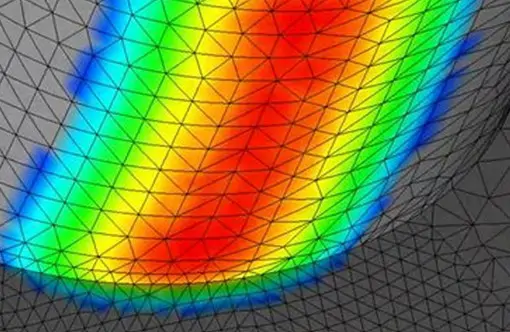
Finite Element Analysis: A Practical Introduction
Mir Abbas • E-Learning
₹599

Finite Element Analysis for Structural Engineers: Types and Uses of Elements
Mir Abbas • E-Learning
₹699
Introduction to practical FEA.
Mir Abbas • Online
 Nov 3, 2024 · 6:00 AM - 2 Hrs
 COMPLETED
View CourseArticles
Articles Mir Abbas has authored or contributed to.

Total Experience
15 Years
Current Company / College
Self
City
Bengaluru
Professional Experience
10+ Years - Consultant
Reviews
Feedback from participants who've learned with Mir Abbas.
Good bridge from hand calcs to solver workflows; the Chapter 4 cantilever mesh-convergence repo stuck, though I wasn't sold on the arch intro pace.

FIROZ AHMAD
Mechanical Production
The kind of material you pull up when the arch assumptions stop lining up with reality. Small gripe first: module 4 dragged a bit, and the labs assume you’ve already got a solver installed and licensed, which wasn’t stated up front. Past that, it bridges hand calcs and modern CAD/solver workflows well. Section 2.4 on element order vs mesh density, especially the cantilever beam where the stress spike shifts with refinement, stuck with me. It helped connect what I remember from legacy notes to what actually happens in prod models. I’ve already applied the boundary condition checks to an automotive bracket PR. it's cleared up a few grey-area calls around constraints and convergence that used to feel fuzzy.

Sai Bhargav
--
The cantilever beam chapter where mesh density flips stress at the fixed end was the punch; seeing the error converge made FEA click fast. As a freelancer shipping automotive parts, it's efficient, though I wasn't sold on the sparse section on contact modeling and wished there was more on boundary conditions beyond the repo example.

Module 4 on meshing dragged a bit, and the labs assume you’ve already got the solver + mesh tool wired, which slowed me between meetings. Real-world-ish setups were the hook though. The load cases felt like stuff you’d see in prod, not toy math. Chapter 3’s cantilever beam mesh-convergence walk-through stuck; watching RPS stabilize as element size shrank clicked fast. The repo examples were easy to pull into a PR and tweak, and the boundary-condition checklist saved me from dumb mistakes. It's beginner-friendly without babying. even when I reran the thermal-stress example on a newer solver, the numbers tracked close enough to trust the workflow.

Some rough edges first: module 4 on meshing ran long and the labs assume you’ve already got MATLAB or Python env sorted; lost ~20 min fiddling before anything ran. That aside, this hits the kind of failures you debug at 3am when prod numbers don’t line up. The section on boundary conditions vs constraints, especially the cantilever beam example in Chapter 3, stuck. Seeing how a bad constraint quietly skews stress results changed how I sanity-check outputs before they leak into a PR or report. I liked the nods to aerospace-style load cases without going academic. It’s helped how I read other people’s simulation code and repos now—less trust, more checks, faster calls on whether the model’s lying.

Mir Abbas
Senior Engineer
After lining it up against two other FEA intros, this one landed better for me. The moment that stuck was the cantilever beam example in Chapter 3, where the stiffness matrix is assembled by hand and then checked against the solver output; seeing the boundary conditions wired up made it click. I kept mapping pieces back to our repo and recent PRs, especially how small modeling choices affect arch decisions and later obs when numbers drift. it oddly mirrored how we think about infra and CI checks, just with nodes and elements instead of k8s configs. I wasn't sold on the quick pass over nonlinear contact and wished there was more on post-processing stress plots. Since finishing it, I've been trimming some overcomplicated paths in our app, fewer layers, clearer assumptions.

Mesh convergence lab in Chapter 3 tied stiffness matrices to the repo example; it's mostly clear, wasn't sold on boundary condition heuristics.

Prathamesh Shevale
Engineering Manager
Coming from legacy Nastran workflows, the “Meshing pitfalls” chapter stuck, especially the cantilever beam example where changing element order doubled error before convergence—felt like prod mistakes I’ve seen. It’s mostly practical bridging old solver habits to modern tooling, though I wasn’t sold on the light treatment of contact nonlinearity; wished there was more on verification before pushing to a repo or CI in aerospace.

Jodie Pelis
--
Came in to audit it for our L&D budget and ended up learning usable bits. The section on mesh convergence where the cantilever beam gets re-meshed until the Von Mises plot flattens after the third pass stuck—don't chase colors. It bridges legacy hand calcs to modern solvers in a practical arch, which fits automotive/aerospace work; I wasn't sold on the light coverage of contact nonlinearity, and wished there was more on plasticity. It's moved from my watch list to the share list for our team.

Srinivasulu P
Engineer
The mesh convergence section using the cantilever beam example (quad vs tri elements) stuck, especially when the repo walks through stress spikes at fixed BCs. It's helped me sanity-check FEA before pushing results into prod for an automotive bracket; wasn't sold on the brief solver-setup bit and wished there was more on contact nonlinearity.

bishesh mani
--
Doesn’t assume you’re brand new to a shell or math; it moves like you’ve shipped things and just need FEA to stop being hand-wavy. The section on mesh convergence, especially the cantilever beam where they crank element order and watch stress jump—then explain why the peak lies, stuck with me. I could see how that changes client conversations in aerospace when someone asks why results shift between revs. mostly, it stayed focused on decisions that affect prod risk rather than tool trivia, though I wasn’t sold on the brief contact modeling pass and wished there was more on nonlinear solves. The repo scripts were easy to skim, and I liked seeing assumptions called out before a PR mindset creeps in; arch and infra constraints aren’t ignored. The framing feels durable, the kind you keep applying after the solver UI and versions move on.

N Verma
Engineer
After hitting a conceptual ceiling with FEA, this course pushed past it without fluff. The Chapter 3 cantilever-beam mesh convergence example, where the stress plot flips as element order changes, stuck. it's helped align the team—shared language for PRs about arch assumptions, and I've tweaked the repo and CI checks accordingly. Mostly good, though I wasn't sold on the brief treatment of contact; wished there was more automotive context, but I've already applied the patterns in daily work.
Coming from legacy Nastran workflows, the “Meshing pitfalls” chapter stuck, especially the cantilever beam example where changing element order doubled error before convergence—felt like prod mistakes I’ve seen. It’s mostly practical bridging old solver habits to modern tooling, though I wasn’t sold on the light treatment of contact nonlinearity; wished there was more on verification before pushing to a repo or CI in aerospace.

Vimal Kumar
ANSYS simulation and FEA
The labs exposed some sloppy FEA habits I’d let slide in day-to-day work. In Chapter 3’s mesh convergence lab, pulling the repo and comparing quad vs tri elements around the fillet made the error jump out fast. Wasn't sold on the pace of the modal section; I wished there was more on contact setups, especially for automotive parts. It's helped me focus on BCs, units, and convergence instead of chasing nicer plots.

Dewesh Katakwar
Sr.Engineer
The mesh convergence check in Chapter 2, where the cantilever beam stress flips with element order, stuck because it's mapped cleanly to issues I've seen in a prod repo PR. Still wasn't sold on the brief contact modeling bit; wished there's more on constraints setup and sanity checks before pushing results downstream to arch reviews.

Balaguru Jaisankar
Senior engineer
Useful pass for teams shipping hardware; the section on mesh convergence in the cantilever bracket (Lesson 3) stuck, especially the RPS-style load scaling check before trusting stress plots. it's mostly practical, but I wasn't sold on the brief solver intro—wished there was more on boundary conditions and hand-checks to keep bad sims out of prod.

pravanjan pradhan
Student
This felt closer to a mentorship than a standard class, the kind where tradeoffs get aired instead of hidden. The bit that stuck was the mesh convergence walkthrough in the “FEA-2 / Session 3” segment, where he reran the same bracket with three meshes and showed how the stress spike lied until the last pass; that’s the sort of thing you only trust after you’ve shipped to prod and watched numbers wobble. I liked how legacy hand-calc thinking was bridged to modern solvers, almost like mapping an old arch doc to a new repo before a risky PR. It wasn’t all smooth though; I wasn’t sold on the brief k8s analogy, and I wished there was more on post-processing checks tied to CI-style gates. still, the applied framing around boundary conditions felt very automotive in a good way. Got more out of this than the last couple conferences, fewer buzzwords and more notes I’ll reuse.

Amolkumar Lonare
Manager
Came in expecting a survey, but it reframed how I think about older models vs newer approaches, a bit like refactoring a legacy repo without breaking prod. The chapter comparing beam, shell, and solid elements using the cantilever plate example stuck; the moment where they showed why the shell mesh lied at the fixed edge felt very real from past PRs. It bridges hand-calc intuition with modern solvers in a way that maps to arch decisions I’ve made when infra shifts under you. The aside on tetra vs hex elements around the wing spar example (aerospace adjacent, but fine) helped explain RPS-like tradeoffs between accuracy and turnaround. wasn’t sold on the brief treatment of contact elements; wished there was more on failure modes or obs when things go sideways. Still, it nudged me past a learning stall and made me rethink how I choose element types instead of defaulting.
Vimal Kumar
ANSYS simulation and FEA
Came in mostly trying to understand runtime tradeoffs when picking element types, since those choices hit CI minutes and arch decisions downstream. The section on linear tet vs quadratic hex, using the cantilever beam mesh convergence plot around 40 to 60k DOFs, stuck because it tied accuracy to solve time without hand-waving. That example maps cleanly to how we review a PR: fewer elements isn't always cheaper once solver behavior shows up. mostly the pacing worked for an intermediate audience, though I wasn't sold on the brief pass over contact elements; a bit more on stability costs would've helped. I've used this framing already when pushing back on an automotive-style model someone wanted to run in prod, where infra spend matters. It's cleared up a few questions I'd been parking for a year and quietly shapes how I sanity-check FEA assumptions.

Karthi hari
Cae engineer
Seeing the abstractions unpacked made the math feel usable, not hand-wavy, and it connected nicely to day-to-day engineering. The moment in Section 2.3 where the cantilever beam goes from hand calc to mesh convergence (tet vs hex) stuck, especially the quick check on boundary conditions before trusting von Mises. I wasn't sold on the brief nonlinear contact aside and wished there was more on solver tolerances and CI hooks. I've already applied three of the assembly/testing patterns in a repo PR that shipped this week.

Damodharan S
PGET
The way the course frames decision trees behind modeling patterns pulled me in; it maps cleanly to how I reason about arch choices under prod pressure. In the Meshing 101 section, the cantilever beam example showing tetra vs hex stiffness drift after the third refinement pass stuck. I wasn't sold on the brief treatment of contact nonlinearities; wished there was more on convergence diagnostics and failure modes. Still, it's nudged my instincts on where abstractions leak, similar to infra shortcuts that look fine until RPS spikes.

Lokesh
--
Difficulty felt right for an intro: it moves fast but stays grounded. The Chapter 4 cantilever bracket mesh-refinement example (tet vs hex) stuck; stress convergence made sense, though I wasn't sold on the brief solver theory section and wished for one more contact BCs walkthrough.

Hemanta Dikshit
Student
Didn’t expect this much technical granularity for an intro; it gets into the weeds fast without hand-holding. The section on mesh convergence in Chapter 4, especially the cantilever example comparing quad vs tri elements and how boundary conditions skew stress, stuck with me and maps to mistakes I’ve seen in aerospace PRs. mostly I wasn’t sold on the brief solver math detour, and I wished the repo had clearer notes on post-processing assumptions. Still, it closed a few gaps I didn’t know I had, and it’ll change how I sanity-check results before they hit prod.

Aldo Arun
Aerospace design engineer
Some labs assume you’ve already got the solver and post tools wired up, which wasn’t stated up front and caused a short stall. After that, the emphasis on best practices over quick hacks shows through. The Section 3 mesh convergence walkthrough on the L‑bracket stuck with me, especially the side-by-side plots showing why RPS-looking stress spikes don’t converge. The boundary condition checklist in Chapter 4 reads like an arch PR review, not a classroom script. I’ve been around aerospace analyses where this stuff gets skipped in prod. It's paced for engineers, not students; I’ve already bookmarked a few slides for future design reviews—handy as a reference when sanity-checking assumptions before signoff.

vaishnavi chebium
Student
Module 2 on meshing dragged a bit, and the labs assume you’ve already got your solver licensed and set up. Past that, the material lines up with problems we’re arguing about in the current sprint. The boundary conditions section with the thin L‑bracket example stuck; seeing how a tiny constraint change flipped stress results matched what I’ve seen in automotive work. Explanations stayed close to how things break in prod, not textbook math. I’ve already applied the mesh sensitivity checklist from Chapter 3 to a PR review. It doesn’t pretend there’s one right answer, which helps when the real answer is usually “it depends.”

Rajaraman N
Student
How You're Connected
See the shortest path between you and Mir Abbas through the EveryEng network.
No connection path found to this engineer.
Engineering breadth
Mir Abbas has demonstrated 6 skills across 2 engineering domains on EveryEng. Each ring shows how much of that domain's skill taxonomy Mir covers — expand a domain to see specific skills and proficiency levels.