

Article details
The modern industrial world is undergoing rapid transformation due to technological advancements, automation, artificial intelligence, digitalization, and global competition. The Fourth Industrial Revolution, commonly known as Industry 4.0, has changed the way industries operate, manufacture products, manage resources, and serve customers.
In this evolving environment, engineers are no longer expected to focus only on technical tasks. Industries now require engineers who can combine technical expertise with business understanding. Engineers must understand not only how systems work but also how businesses operate, generate profit, manage risks, and create value.
Business acumen has become an essential skill for engineers because successful engineering solutions must also be economically feasible, market-oriented, sustainable, and strategically beneficial for organizations.
Understanding Business Acumen
Business acumen refers to the ability to understand and manage business situations effectively. It includes knowledge of:
Finance
Economics
Marketing
Project management
Strategy
Leadership
Operations
Customer needs
Engineers with business acumen can make decisions that balance technical performance with financial and organizational goals.
Industrial Revolution and Changing Engineering Roles
The Industrial Revolution has evolved through several stages:
First Industrial Revolution – Mechanization
Second Industrial Revolution – Mass production
Third Industrial Revolution – Automation and computers
Fourth Industrial Revolution – AI, IoT, and digital transformation
Today’s engineers work in highly integrated industrial systems involving:
Smart manufacturing
Data analytics
Robotics
Cloud computing
Sustainable technologies
Global supply chains
As engineering roles expand, understanding business operations becomes increasingly important.
Why Engineers Need Business Acumen
1. Better Decision-Making
Engineering decisions directly affect:
Production costs
Product quality
Profitability
Customer satisfaction
Market competitiveness
An engineer with business understanding can evaluate both technical and financial impacts before making decisions.
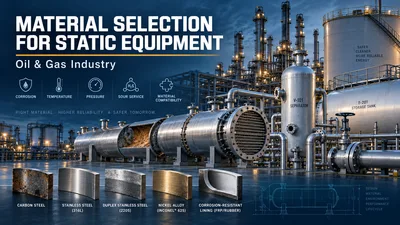
For example, selecting a material for manufacturing should consider:
Cost
Availability
Performance
Sustainability
Production efficiency
Project Management Skills
Modern engineering projects involve:
Budget planning
Resource management
Scheduling
Risk analysis
Team coordination
Business acumen helps engineers manage projects efficiently and complete them within time and budget constraints.
Engineers with project management knowledge are highly valued in industries.
Innovation and Entrepreneurship
Innovation is one of the key drivers of industrial growth.
Engineers with business skills can:
Identify market opportunities
Develop commercially viable products
Launch startups
Create innovative business models
Many successful technology companies were founded by engineers who understood both technology and business.
Companies such as Tesla and SpaceX demonstrate how engineering innovation combined with business strategy can transform industries.
Understanding Market Needs
Technical excellence alone does not guarantee market success.
Engineers must understand:
Customer requirements
Market trends
Consumer behavior
Product demand
Business acumen helps engineers design products and systems that meet real market expectations.
Financial Awareness
Engineering projects require major investments.
Engineers should understand:
Cost estimation
Return on investment (ROI)
Profitability analysis
Budget allocation
Economic feasibility
Basic financial understanding helps engineers make cost-effective engineering decisions.
Return on investment can be expressed as:
ROI = \frac{Net\ Profit}{Investment\ Cost} \times 100
Financially aware engineers contribute more effectively to organizational growth.
Leadership and Team Management
Industries increasingly expect engineers to lead multidisciplinary teams.
Business-oriented engineers develop:
Leadership skills
Communication abilities
Negotiation skills
Strategic thinking
Effective leadership improves team productivity and project success.
Industry 4.0 and Digital Transformation
Industry 4.0 integrates:
Artificial intelligence
IoT
Automation
Big data
Smart manufacturing
Implementing these technologies requires understanding both:
Technical systems
Business operations
Engineers with business acumen can align digital transformation with company goals and profitability.
Sustainable Engineering and Business Responsibility
Modern industries focus heavily on sustainability and environmental responsibility.
Engineers must balance:
Technical efficiency
Environmental impact
Business profitability
Business knowledge helps engineers develop sustainable and economically viable solutions.
Communication with Management and Clients
Engineers frequently interact with:
Managers
Investors
Customers
Suppliers
Government agencies
Business communication skills help engineers:
Present technical ideas clearly
Negotiate effectively
Build professional relationships
Strong communication improves organizational collaboration.
Career Growth Opportunities
Engineers with business acumen often advance faster into roles such as:
Project manager
Operations manager
Technical consultant
Business analyst
Engineering manager
Chief technology officer
Combining technical and business skills creates broader career opportunities.
Importance of MBA and Management Education for Engineers
Many engineers pursue management education such as MBA programs to enhance their business knowledge.
Management education helps engineers understand:
Strategic planning
Marketing
Finance
Human resource management
Operations management
This combination strengthens leadership potential.
Challenges Engineers Face Without Business Knowledge
Engineers lacking business understanding may struggle with:
Budget limitations
Market-driven decisions
Client expectations
Commercial viability
Strategic planning
Technical solutions without business feasibility may fail in real industries.
Future of Engineering Careers
Future engineering careers will increasingly require:
Technical expertise
Digital skills
Business intelligence
Entrepreneurial thinking
Leadership capability
Industries will continue valuing engineers who can integrate engineering innovation with business success.
Educational Importance
Engineering education is gradually including:
Entrepreneurship
Management subjects
Financial analysis
Leadership training
Industrial economics
These additions prepare engineers for modern industrial challenges.
Conclusion
In the era of the Industrial Revolution and digital transformation, engineers need more than technical knowledge to succeed. Business acumen has become essential for effective decision-making, project management, innovation, leadership, and organizational growth.
Engineers who understand both technology and business can develop practical, profitable, and sustainable solutions for modern industries. By combining engineering expertise with business intelligence, engineers can become future leaders, innovators, and entrepreneurs in the rapidly evolving global economy.


 Aug 29, 2026