Skip to main contentEngineering Courses, Mentoring & Jobs | EveryEng
A full practical Guide to design a silent and vibration-free ICE and Electric powered vehicle banner
Live Online Class Intermediate

A full practical Guide to design a silent and vibration-free ICE and Electric powered vehicle

3(117)
3 enrolled
1563 views
Trainers Rating
3(117)
Course type
Instructor led live training
Duration
30 hrs
Start
Feb 23, 2025 · 5:30 AM
Language
English
Views
1563
  • 7-day money-back guarantee
  • Session recordings included
  • Interactive Video Lessons
  • Learn from Industry Expert
COMPLETED

Feb 23, 2025

Tell us and we’ll notify you when the next batch is scheduled.

MILIND AMBARDEKAR
MILIND AMBARDEKARConsultant

Why enroll

This course is ideal for engineers and students eager to specialize in automotive NVH. You will gain practical knowledge of noise and vibration control, from powertrain to vehicle-level performance.

Learn how to use cutting-edge simulation and testing tools to design quiet, refined vehicles that meet global noise regulations. With real-world case studies and expert insights, you’ll develop the ability to tackle NVH challenges confidently, making you a valuable asset in the automotive industry.

Whether you work with IC engines, electric motors, or vehicle body optimization, this course will set you apart as an NVH specialist.

Course details

Master the essential techniques and advanced methodologies required to design vehicles with minimal noise and vibration, harshness (NVH), ensuring superior dynamic performance on road .

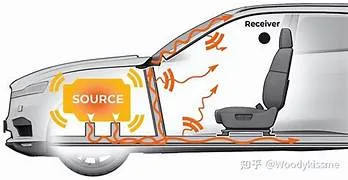
This course provides a hands-on approach to eliminating noise and vibrations in modern vehicles. Covering ICE (internal combustion engines) and EV (electric vehicle) powertrain NVH, gear noise reduction, wind and road noise challenges, and advanced CAE (computer aided engineering) and testing tools, it equips participants with a structured methodology for NVH optimization. Topics include vehicle body design refinement, regulatory compliance, performance cascading, and active control strategies for superior ride comfort and durability.

Course suitable for

Is this course for you?

Perfect for

  • You work in Automotive
  • You're a Noise & Vibration Engineering / Mechanical Engineering professional
  • You have some foundational knowledge in the subject
  • You prefer live, instructor-led training with Q&A

Before you enrol

  • Intermediate level — assumes the fundamentals of Noise & Vibration Engineering
  • Live online sessions, 1 hour per day over 30 days — join on the scheduled dates
New to Noise & Vibration Engineering? Browse beginner courses →

Key topics covered

1. ICE PT (power-train) NVH reduction

2. Electric Motors to be made Electromagnetic Whine free

3. Gear noise reduction

4 Advanced TEST and CAE tools deployed during Design & Validation phases

5 Fight against wind, tyre-road, brake noises

6 Vehicle Body Design to be optimized

7 Vehicle Noise regulations and Durability of NVH solutions

8 Performance Cascading from Vehicle level to component & subsystems

9 Active control of vibrations and noise with AI-ML applications

Training details

This is a live course that has a scheduled start date.

Live session

Started

Sun, Feb 23, 2025 Ended

5:30 AM UTC· your timezone

Duration

1 hour per day

30 days total

Opportunities that await you!

Career opportunities

Frequently asked questions

A: Pick the wrong stiffness and you ship a car that booms at traffic lights, then comes back as a warranty NVH claim. The isolation target must sit above 1.4× firing frequency, not engine speed, and the rubber rate tolerance belongs in the calculation or production drift will wipe out margin. Option D lands the natural frequency safely below excitation even at rate high-side.

A: Miss this and the car passes bench tests but screams on-road, forcing late-stage bushing swaps. The dominant path is structure-borne; increasing loss factor reduces transmissibility in the mid-frequency band without breaking packaging or durability. The other options either move the problem or worsen force transmission.

A: Do this wrong and weeks vanish correlating noise that never existed in production form. A baseline modal in as-built condition locks down structural dynamics before excitation is added. That sequence lets you separate source from path instead of guessing on public roads.

A: Assume the wrong protection and you under-rate fatigue risk elsewhere in the system. ANC only cancels airborne components at the listener; it does nothing to block force paths through mounts or frames. Treating it as a vibration safeguard breaks DFMEA logic.

COMPLETED

$1143

Feb 23, 2025 · 5:30 AM

What learners say about this course

Industry-aligned courses, expert training, hands-on learning, recognized certifications, and job opportunities-all in a flexible and supportive environment.

Put no limit on your engineering passion.

We would love to hear from you.

Engineers collaborating around a laptop