Skip to main contentEngineering Courses, Mentoring & Jobs | EveryEng
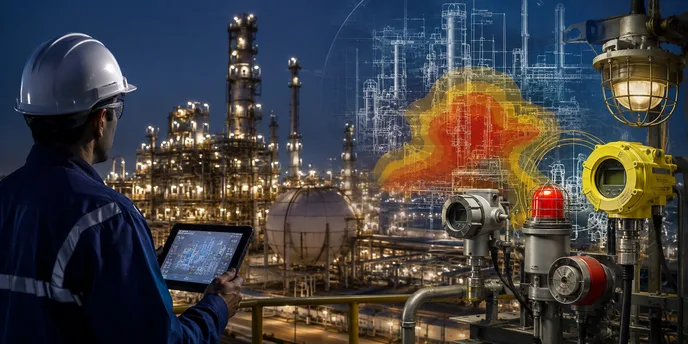
Hazardous Area Classification HAC and Safety Instrumentation banner
Live Online Class Intermediate

Hazardous Area Classification HAC and Safety Instrumentation

4(14)
164 views
Trainers Rating
4(14)
Course type
Instructor led live training
Duration
10 hrs
Start
Next month
Language
English
Views
164
  • 7-day money-back guarantee
  • Session recordings included
  • Interactive Video Lessons
  • Learn from Industry Expert
$ 200
Enggenious (SAN Techno Mentors)

Why enroll

Participants join this course to understand how hazardous areas are identified and managed safely in industrial plants. It helps them learn how to select suitable equipment and safety instrumentation for hazardous environments. The course improves their knowledge of Safety Instrumented Systems and risk-control practices. It also helps them improve their professional skills and contribute to safer and more reliable plant operations.

Course details

Hazardous Area Classification (HAC) and Safety Instrumentation is a practical course designed to help participants understand how hazardous areas are identified and controlled in industrial plants. The course explains the basic concepts of hazardous locations and the risks created by flammable gases, vapours, and dust. Participants learn how hazardous areas are classified into different zones or divisions based on the level of risk. The course introduces the selection and use of suitable electrical and instrumentation equipment in hazardous areas. It also explains explosion protection methods such as intrinsically safe, flameproof, and increased-safety equipment. Participants learn the basic principles of Safety Instrumented Systems (SIS) and how they help protect people, equipment, and the environment. The course covers safety instruments such as sensors, transmitters, logic solvers, alarms, and shutdown systems. Practical examples help participants understand how HAC and safety instrumentation are applied in refineries, petrochemical plants, and gas processing facilities. The course also discusses safe installation, operation, inspection, and maintenance practices. Overall, participants gain practical knowledge to improve plant safety, reduce risks, and support reliable industrial operations.

Course suitable for

Is this course for you?

Perfect for

  • You work in Oil & Gas Downstream or Chemical
  • You're a Chemical & Process professional
  • You have some foundational knowledge in the subject
  • You prefer live, instructor-led training with Q&A

Before you enrol

  • Intermediate level — assumes the fundamentals of Chemical & Process
  • Live online sessions — join on the scheduled dates
New to Chemical & Process? Browse beginner courses →

Key topics covered

  • Hazardous Area Classification (HAC) fundamentals

  • Identification of hazardous gases, vapours, and dust

  • Zone and Division classification concepts

  • Hazardous area drawings and classification plans

  • Sources of flammable material release

  • Explosion protection methods and equipment

  • Intrinsically Safe (IS) instrumentation

  • Flameproof and increased-safety equipment

  • Safety Instrumented Systems (SIS)

  • Sensors, transmitters, alarms, and shutdown systems

  • Safety Integrity Level (SIL) fundamentals

  • Installation, inspection, and maintenance practices

  • Risk assessment and hazard prevention

  • Practical examples from refineries and petrochemical plants

Training details

This is a live course that has a scheduled start date.

Opportunities that await you!

Career opportunities

Frequently asked questions

Empty state icon

No questions yet - Be the first one to ask!

$200

Coming in Next Month

What learners say about this course

Industry-aligned courses, expert training, hands-on learning, recognized certifications, and job opportunities-all in a flexible and supportive environment.

Put no limit on your engineering passion.

We would love to hear from you.

Engineers collaborating around a laptop