Skip to main contentEngineering Courses, Mentoring & Jobs | EveryEng
Liner Hanger System - Oil and Gas Well Completions banner
Self-paced Beginner

Liner Hanger System - Oil and Gas Well Completions

5(1)
5 enrolled
5374 views
Trainers Rating
5(1)
Course type
Watch to learn anytime
Duration
44 min
Start
Anytime
Language
English
Views
5374
  • 7-day money-back guarantee
  • Lifetime access
  • Foundational Learning
  • Access to Study Materials
$ 20
Team OG
Team OGUpstream Oil & Gas Technical Professional

Why enroll

Completing the "Liner Hanger System - Oil and Gas Well Completions" course propels career advancement in the oil and gas industry by equipping professionals with specialized expertise in well completion engineering and operations. Upon completion, individuals can transition into senior roles like Well Completion Engineer, Drilling and Completions Manager, or Operations Supervisor, or pursue specialized careers in well intervention, completion optimization, or drilling engineering. With enhanced knowledge and industry recognition, professionals can expect significant career growth, increased earning potential, and new opportunities for leadership and innovation in the oil and gas sector.

Course details

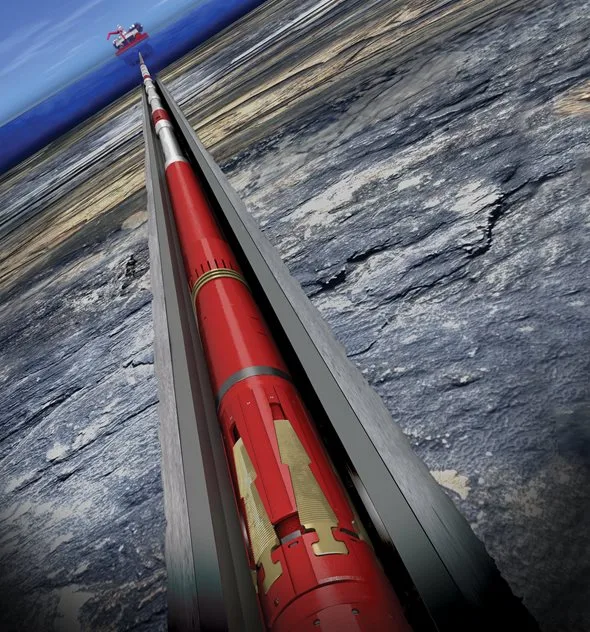
Liner Hanger system is a sub-system of Well Completions and Well Casing, which provides several benefits over a full-length Casing. In this course, the participant will be introduced to the main factors to consider for installation, the benefits, the classification and the components of Liner Hanger systems.

The participants will be introduced to the different tools used in Liner Hanger systems and their components and will gain understanding of their substantial advantages and benefits, due to which they are installed in a large percentage of oil and gas wells.

Course suitable for

Is this course for you?

Perfect for

  • You work in Oil & Gas Upstream
  • You're a Petroleum Technology / Mechanical Engineering professional
  • You prefer self-paced learning you can revisit

Before you enrol

  • No prior experience needed for this course
  • Self-paced video, 44 min — watch anytime

Course curriculum

The course is readily available, allowing learners to start and complete it at their own pace.

1 lectures44 min
  1. Liner Hanger System - Oil and Gas Well Completions
    44 min

Key topics covered

  • What and Why of Liner Hanger system.

  • Major classfication and benefits.

  • Major components of Liner Hanger system and Running String.

  • Processes to set Liner Hanger inside previous casing.

Opportunities that await you!

Career opportunities

Frequently asked questions

A: A: Swollen elements still give a pressure response; you’d see pressure increase then stall. B: No seat means no pressure lockup and no mechanical feedback — that matches all three symptoms. C: Damaged slips usually show pressure but no load transfer; torque often changes. D: Cement fallback affects setting force but doesn’t explain zero pressure response.

A: A: Downhole temperature changes axial load via thermal expansion; that’s the risk API is managing. B: Elastomer properties matter, but that’s not why the load value itself is corrected. C: Steel strength reduction is minor at typical liner temps and not the driver here. D: Cement stiffness doesn’t factor into hanger load testing.

A: A: Higher rate worsens pressure overshoot and risks casing. B: Holding pressure checks for true isolation; bleed-off behavior tells you if you’re actually setting. C: Rotation during pressure risks damaging the setting mechanism. D: MAWP is a hard limit, not a target.

A: A: 210 × 3,200 × 0.82 lands here. B: Buoyancy factor dropped. C: No buoyancy applied at all. D: Length or weight misread from the sheet.

$20

Access anytime

What learners say about this course

Industry-aligned courses, expert training, hands-on learning, recognized certifications, and job opportunities-all in a flexible and supportive environment.

Put no limit on your engineering passion.

We would love to hear from you.

Engineers collaborating around a laptop