
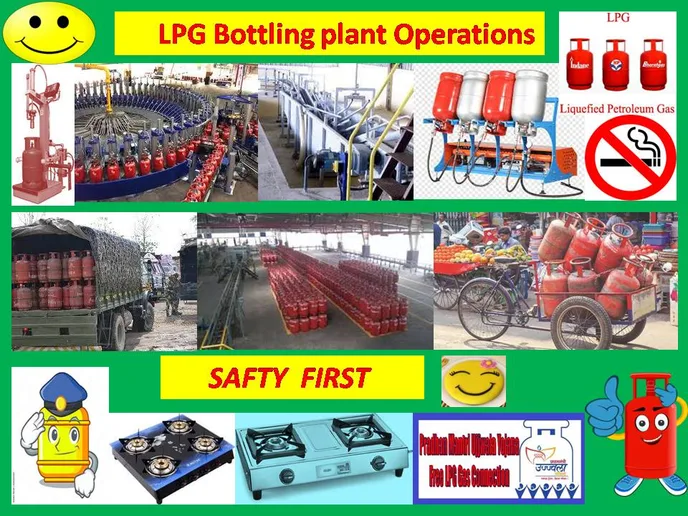
LPG bottling plant operation sequence and machinery used (Introductory course)
LPG bottling plant operation sequence and machinery used (Introductory course)
Tell us and we’ll notify you when the next batch is scheduled.

- Session recordings included
- Certificate of completion
Why enroll
What enrolled engineers say
The emphasis here leans toward established practices rather than shortcuts, which fits an intro on LPG ops. Framing the plant as a system with interlocks and human checks felt closer to prod reality than slideware. The section on the rotary carousel filler, specifically the step-by-step on tare setting and the interlock that halts fill on valve mis-seat, stuck; that’s the kind of micro-detail people miss until obs lights up for the wrong reason. I wasn't sold on the brief treatment of failure modes—would've liked a bit more on what breaks first at higher RPS and how infra choices change maintenance windows. Some metaphors drift into software (PR/CI analogies), but they mostly land and help anchor the arch without hand-waving. the back third, when it walks through leak testing, evacuation, and dispatch sequencing, is where the course finally clicks and stops feeling abstract.
Used it to sanity-check a few assumptions our team had locked in around LPG bottling flow before touching prod docs. The Chapter 3 walkthrough on vacuum purge then leak check, especially the moment they pause on the carousel filler interlock logic, stuck; it mapped cleanly to how I think about infra gates and obs alarms during CI. I wasn't sold on the maintenance section, wished there was more on failure modes under peak RPS. Still, the sequence clarity has sped up how fast I debug mismatches between arch diagrams and what’s actually happening.
Much of the flow lined up with problems we’re dealing with this sprint on the LPG line, especially handoffs between filling, leak test, and dispatch in oilgas ops. The walk-through of the bottling sequence in Module 3, when they pause on vacuum evacuation timing and the water bath leak test, stuck because it mirrors what breaks when infra drifts. It's practical and close to plant reality; diagrams helped, though I wasn't sold on the quick skim of safety interlocks and wished there was more on failure modes.
Your instructor
Ashok Khopkar
General manager at the time retirement
Consultant
Is this course for you?
You should take this if
- You work in Oil & Gas Downstream
- You're a Mechanical Engineering / Chemical & Process professional
- You prefer live, instructor-led training with Q&A
You should skip if
- You need a different specialisation outside Mechanical Engineering
- You need fully self-paced, on-demand content
Course details
Course suitable for
Key topics covered
Opportunities that await you!
Career opportunities
Training details
This is a live course that has a scheduled start date.
Live session
Starts
Sat, Aug 10, 2024
Duration
1 hour per day
Why people choose EveryEng
Industry-aligned courses, expert training, hands-on learning, recognized certifications, and job opportunities-all in a flexible and supportive environment.

 Oct 2, 2026