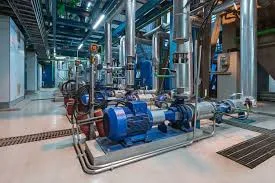
PUMPS - Basic to advanced for Chemical and Mechanical Engineers
PUMPS - Basic to advanced for Chemical and Mechanical Engineers
- 7-day money-back guarantee
- Lifetime access
- Certificate of completion
What enrolled engineers say
Grabbed this to sharpen system design instincts around pump selection and ops across plant infra. The NPSH margin walkthrough in the cavitation chapter—especially the chemical plant cooling-loop example where the pump curve gets overlaid—stuck more than expected. As a TeamLead watching capex, I liked the tradeoffs on series vs parallel, though I wasn't sold on how briefly variable speed drives were handled for brownfield retrofits. It's helped tighten arch calls where the grey bits usually slow reviews and prod fixes.
The course helped me visualize how pump data moves from curves to decisions, bridging old plant habits with newer infra thinking. The Chapter 6 NPSH vs cavitation walkthrough stuck, especially the moment the impeller eye pressure plot flips and you see why prod margins vanish; it's similar to watching obs metrics lie under load. I've used that framing in a PR already. wasn't sold on the light coverage of VFDs and parallel pumps, but I'm flagging this as preread ahead of our next platform decision in chemicalpharmaceutical.
Good bridge for mixed teams; the Chapter 4 NPSH cavitation calc using a refinery transfer pump mirrored prod incidents I've seen. Still wasn't sold on the sizing tool demo—wished for more on VFD control tradeoffs and how they'd show up in CI checks or ops obs; useful for arch discussions and cost calls.
Is this course for you?
You should take this if
- You work in Pharmaceutical & Healthcare or Mechanics & Turbomachinery
- You're a Mechanical Engineering / Chemical & Process professional
- You have 3+ years of hands-on experience in this field
- You prefer self-paced learning you can revisit
You should skip if
- You're new to this field with no prior experience
- You need a different specialisation outside Mechanical Engineering
- You need live interaction with an instructor
Course details
Course suitable for
Key topics covered
Course content
The course is readily available, allowing learners to start and complete it at their own pace.
- Pump133 min
- Centrifugal pump51 min
Opportunities that await you!
Career opportunities
Why people choose EveryEng
Industry-aligned courses, expert training, hands-on learning, recognized certifications, and job opportunities-all in a flexible and supportive environment.


 Aug 29, 2026