Skip to main contentEngineering Courses, Mentoring & Jobs | EveryEng
Renewable Energy (Solar and Wind) with ESS and Decarbonization Technologies banner

Renewable Energy (Solar and Wind) with ESS and Decarbonization Technologies

Renewable Energy (Solar and Wind) with ESS and Decarbonization Technologies banner
Live online Beginner

Renewable Energy (Solar and Wind) with ESS and Decarbonization Technologies

4(12)
47 enrolled
2578 views
COMPLETED

Tell us and we’ll notify you when the next batch is scheduled.

1 hrs
-
English , Hindi
2578 views
Dr Bhawani Singh Rathore
Dr Bhawani Singh RathoreRenewable Energy Coach and Consultant
  • Session recordings included
  • Certificate of completion
  • Foundational Learning
  • Access to Study Materials

Why enroll

Our course on Renewable Energy (Solar and Wind) with ESS and Decarbonization equips you with actionable knowledge, practical skills, and cutting-edge insights to excel in the growing green energy sector. You’ll gain expertise in energy storage systems, decarbonization technologies like green hydrogen, and strategies for achieving carbon neutrality—empowering you to stay ahead in a sustainable future while opening doors to exciting career opportunities.

What enrolled engineers say

6 verified reviews
  • May 3, 2026

    ESS sizing worksheet in Chapter 4 was practical for energyutilities infra; grid interconnect section helped, wasn't sold on decarb policy overview.

    Rahul S. Verified
  • May 3, 2026

    Not padded. Patterns from module one were already useful.

    Anuj J. Verified
  • May 3, 2026

    Bridges legacy utility thinking with modern infra; the ESS dispatch walkthrough in Module 4—4-hour Li-ion shifting solar noon to evening RPS—mapped cleanly to how we reason in prod. Mostly works across beginner to advanced, though I wasn't sold on the thin treatment of interconnection queues and how they'd hit arch decisions.

    Esubalew B. Verified

Is this course for you?

You should take this if

  • You work in Renewable & New Energy or Energy & Utilities
  • You're a Electrical Engineering / Environment & Sustainability (ESG) professional
  • You prefer live, instructor-led training with Q&A

You should skip if

  • You need a different specialisation outside Electrical Engineering
  • You need fully self-paced, on-demand content

Course details

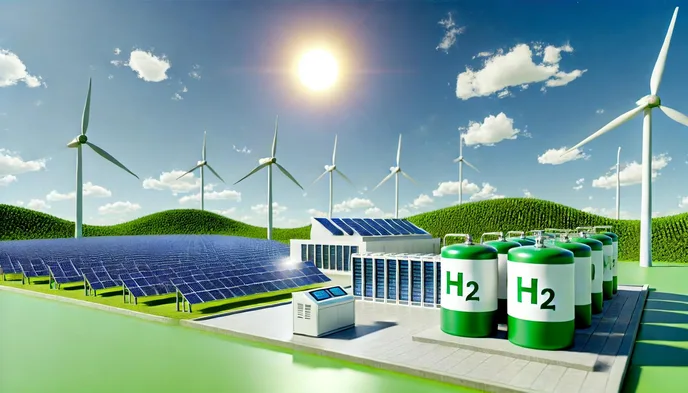
Join us for an insightful and engaging free webinar exploring the future of renewable energy. This session focuses on the integration of Solar and Wind energy with Energy Storage Systems (ESS) and advanced Decarbonization Technologies. Learn about innovative solutions, emerging trends, and actionable strategies driving the transition towards a sustainable, carbon-neutral future.

Course suitable for

Key topics covered

  • The role of Solar and Wind energy in achieving Net Zero goals.

  • Overview of Energy Storage Systems (ESS) for enhanced efficiency and grid stability.

  • Cutting-edge Decarbonization Technologies, including Green Hydrogen and Ammonia.

  • Challenges, opportunities, and global best practices for a sustainable energy ecosystem.

Opportunities that await you!

Career opportunities

Certifications

PMP

Training details

This is a live course that has a scheduled start date.

Live session

Starts

Sun, Dec 8, 2024

6:00 AM UTC· your timezone

Duration

1 hour per day

Why people choose EveryEng

Industry-aligned courses, expert training, hands-on learning, recognized certifications, and job opportunities-all in a flexible and supportive environment.

COMPLETED

-

Questions and Answers

A: Stability comes from removing the variable stressing the DC bus while respecting PCS thermal limits. A relaxes a protection that exists to prevent IGBT overcurrent and worsens heating. C reduces generation that isn't causing the DC bus sag and risks frequency dip. D hands the problem back to PV inverters that are already current‑limited.

A: Correcting the directional reference removes oscillation and recovers power without hardware trips. A would escalate to hard faults and thermal alarms. C impacts rotor speed and loads more than yaw angle. D causes power variability but not persistent nacelle hunting.

A: Freezing the referenced edition preserves contractual risk allocation and acceptance criteria. A imports obligations never priced. C sounds safe but creates undefined acceptance tests. D confuses grid interconnection with structural design loads.

A: Aligning as‑built reality with protection architecture prevents false trips and unsafe work. A risks damaging electronics if misapplied. C defeats a safety function under IEC 62933. D masks a wiring error and shifts risk.