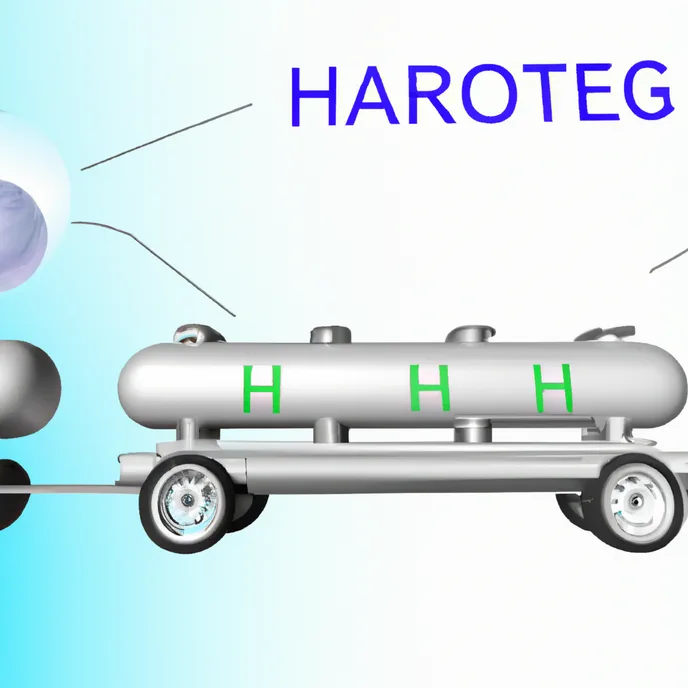
Transportation of Hydrogen Energy
Transportation of Hydrogen Energy

- Lifetime access
- Certificate of completion
- Foundational Learning
- Access to Study Materials
Why enroll
What enrolled engineers say
At first glance, the topics looked familiar, but the depth surprised me. Coming from an energy utilities background with some oil & gas exposure, hydrogen often gets discussed at a high level, but this course went into the nuts and bolts. The sections on hydrogen transportation through pipelines and the comparison with existing natural gas infrastructure helped fill a real knowledge gap, especially around material compatibility and embrittlement issues. Coverage of compression, storage pressures, and safety codes tied back well to what’s already standard practice in oil and gas facilities. One challenge was keeping up with the wide scope—from production to refueling—since it’s a beginner course trying to cover the full value chain. Some economic comparisons moved quickly and needed a second watch. Still, the practical takeaway was clear: not all gas pipeline assumptions translate cleanly to hydrogen, and retrofitting utilities assets needs more scrutiny than expected. The examples around blending hydrogen into gas grids and the regulatory constraints were immediately useful for a feasibility study on an energy utilities project at work. This wasn’t polished or salesy, but grounded enough to be applied. I can see this being useful in long-term project work.
Coming into this course, I had some prior exposure to the subject from oil & gas pipeline work and energy utilities planning. The material did a decent job laying out the full hydrogen value chain, especially the trade‑offs between pipeline transport versus compressed or liquefied trucking. The discussion on hydrogen embrittlement in steel pipelines and how it contrasts with conventional natural gas service reflected real constraints we see in legacy infrastructure. One challenge was the beginner pacing around cost analysis; some assumptions in the levelized transport cost examples felt simplified compared to how tariffs and capex are handled in utility-scale projects. It took extra effort to map those examples to actual regulatory recovery models used in energy utilities. That said, the comparison of hydrogen blending limits in gas networks versus dedicated lines highlighted edge cases that often get ignored in early feasibility studies. A practical takeaway was the emphasis on sensing and safety—specifically how leak detection requirements scale differently for hydrogen due to dispersion behavior. That has system-level implications for compressor stations and urban distribution layouts. Compared with industry practice, the course leaned academic, but the content felt aligned with practical engineering demands.
Coming into this course, I had some prior exposure to the subject from oil & gas pipeline work and energy utilities planning. The material did a decent job laying out the full hydrogen value chain, especially the trade‑offs between pipeline transport versus compressed or liquefied trucking. The discussion on hydrogen embrittlement in steel pipelines and how it contrasts with conventional natural gas service reflected real constraints we see in legacy infrastructure. One challenge was the beginner pacing around cost analysis; some assumptions in the levelized transport cost examples felt simplified compared to how tariffs and capex are handled in utility-scale projects. It took extra effort to map those examples to actual regulatory recovery models used in energy utilities. That said, the comparison of hydrogen blending limits in gas networks versus dedicated lines highlighted edge cases that often get ignored in early feasibility studies. A practical takeaway was the emphasis on sensing and safety—specifically how leak detection requirements scale differently for hydrogen due to dispersion behavior. That has system-level implications for compressor stations and urban distribution layouts. Compared with industry practice, the course leaned academic, but the content felt aligned with practical engineering demands.
Your instructor
Team EveryEng
Engineer
Mechanical Engineering
Is this course for you?
You should take this if
- You work in Oil & Gas Upstream or Energy & Utilities
- You're a Chemical & Process / Metallurgy & Material Science professional
- You prefer self-paced learning you can revisit
You should skip if
- You need a different specialisation outside Chemical & Process
- You need live interaction with an instructor
Course details
Course suitable for
Key topics covered
Course content
The course is readily available, allowing learners to start and complete it at their own pace.
- Novel Materials and Overall Storage28 min
- Overview of Storage Methods and Economics25 min
- Hydrogen Transportation via H2 Pipelines33 min
- Other Options for Long Distance Hydrogen Transmission31 min
- Hydrogen Transport via Road26 min
- Hydrogen Refuelling Stations21 min
Opportunities that await you!
Career opportunities
Why people choose EveryEng
Industry-aligned courses, expert training, hands-on learning, recognized certifications, and job opportunities-all in a flexible and supportive environment.


 Aug 29, 2026