
Connect with Yogesh Kulkarni
₹ 2500 / Hr
Work with Yogesh Kulkarni
₹ 0 / Hr
Courses
Courses Yogesh Kulkarni has authored or contributed to.
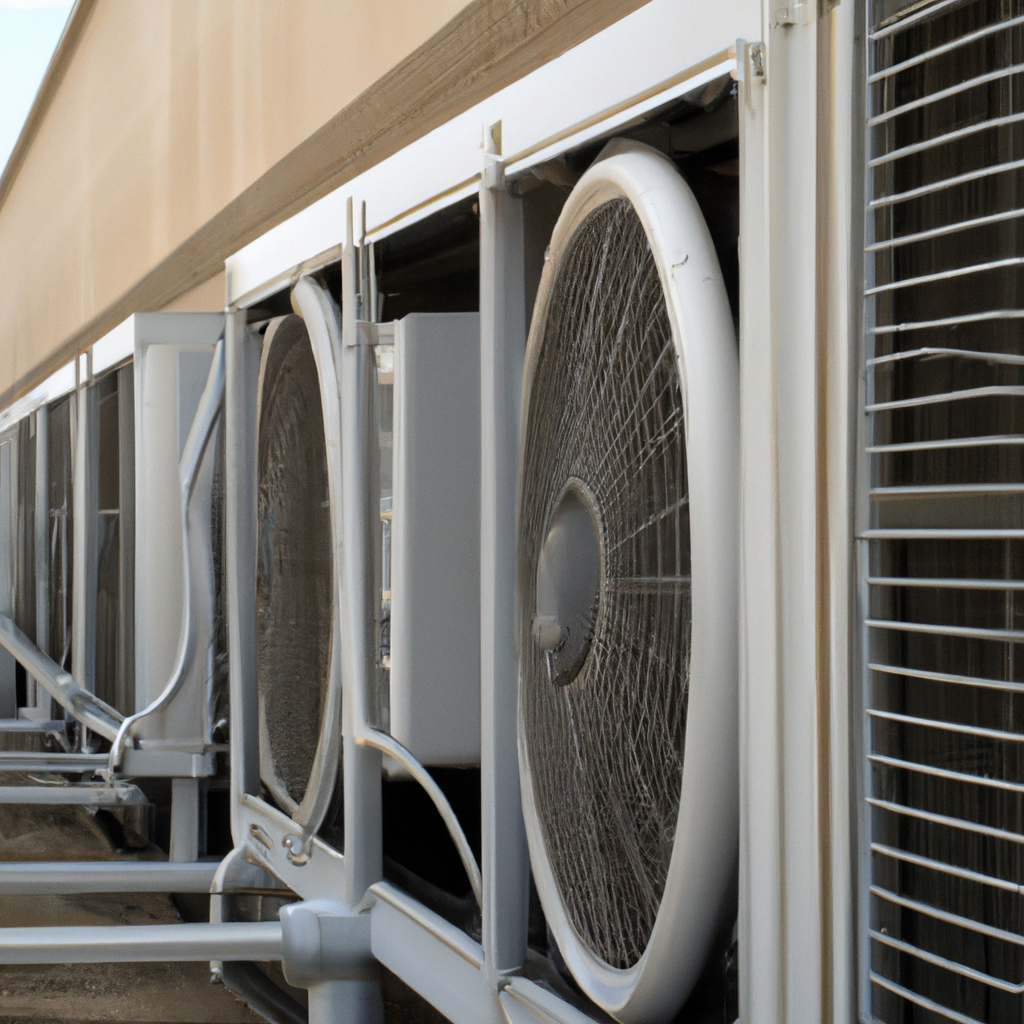
HVAC Careers: Build Your Future in the Industry

Yogesh Kulkarni • E-Learning
Free
View Course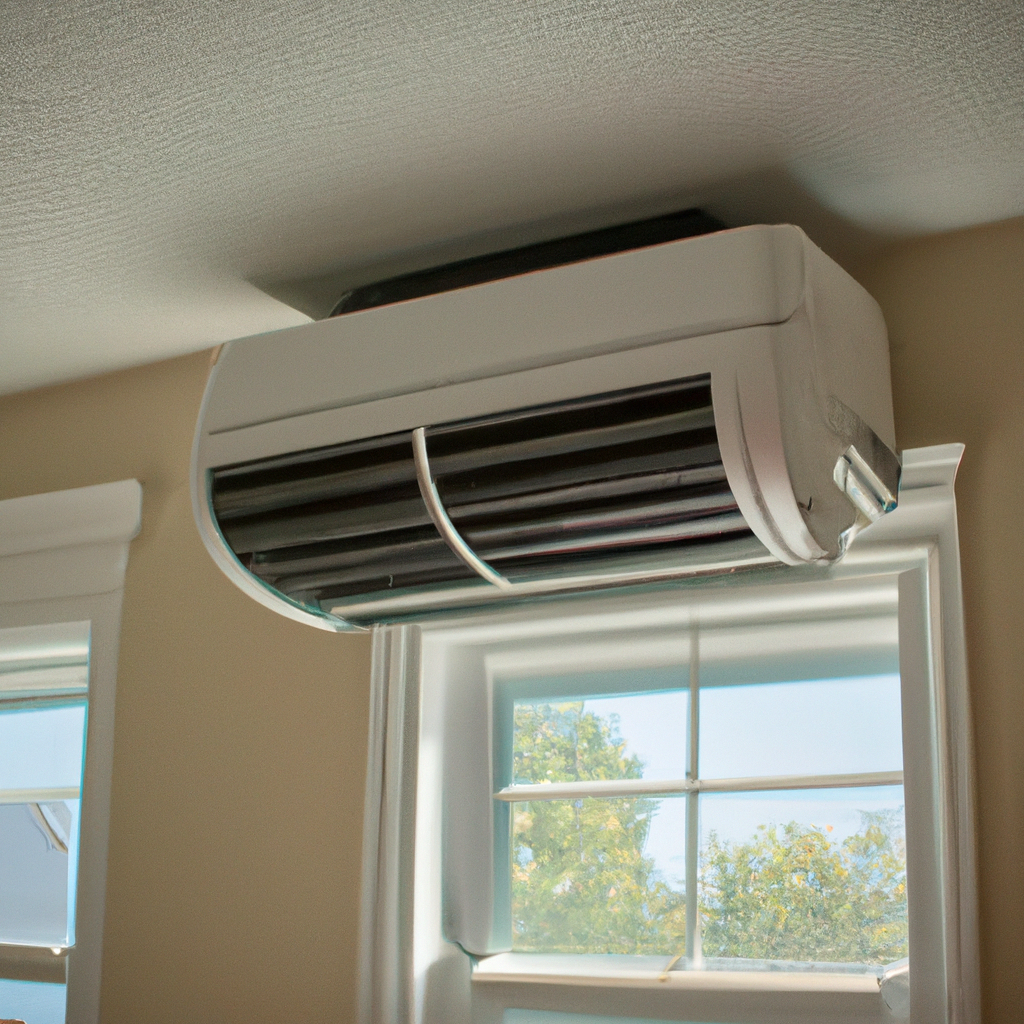
Best Practices for Energy-Efficient Heating, Ventilation, and Air Conditioning
Yogesh Kulkarni • E-Learning
Free
View Course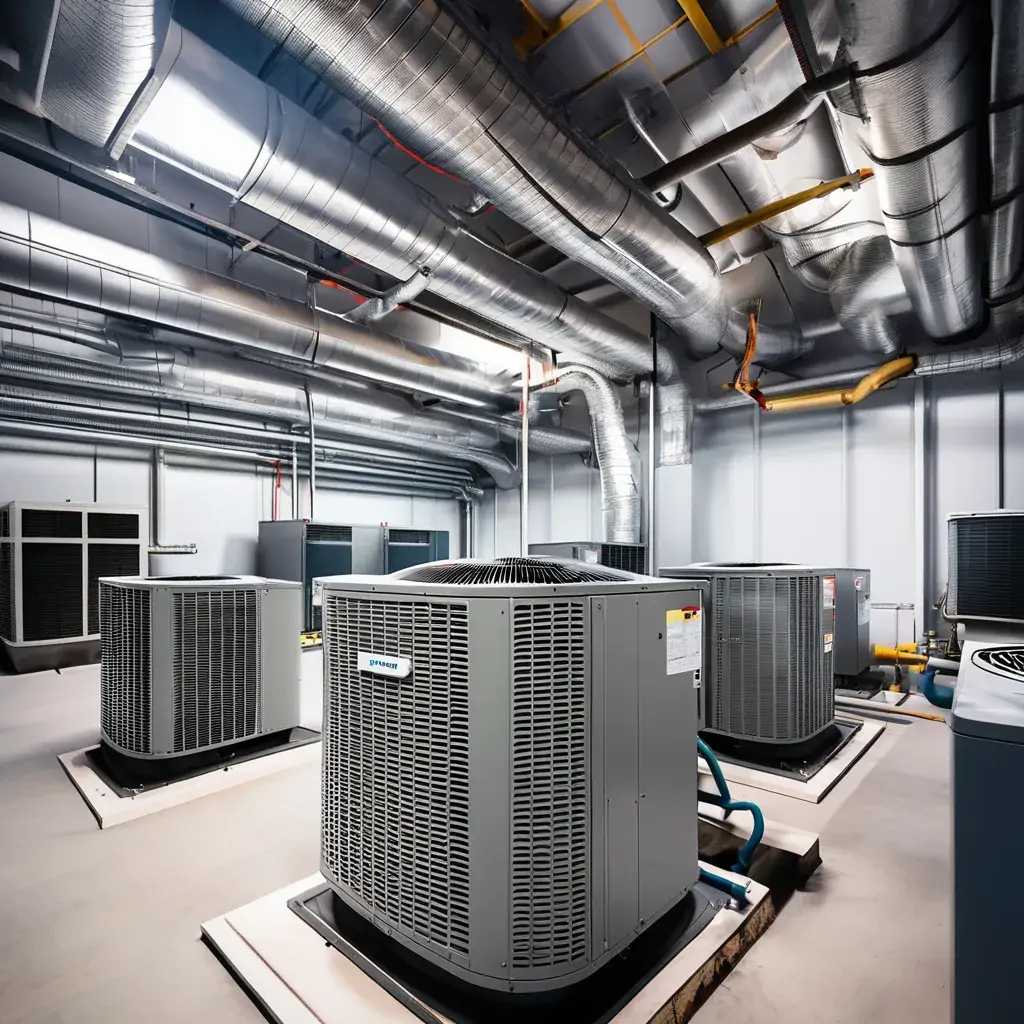
HVAC Systems Explained: Types, Benefits, and Best Practices
Yogesh Kulkarni • E-Learning
₹499
Articles
Articles Yogesh Kulkarni has authored or contributed to.

Total Experience
27 Years
Current Company / College
John R Harris & Partners
City
Dubai
Country
Saudi Arabia
Professional Experience
10+ Years - HVAC Engineer
Professional Career Summary
With 27+ years in HVAC and MEP project management, I specialize in HVAC audits, identifying inefficiencies to save energy and costs. I deliver MEP project management ensuring projects are on time and within budget. My expertise includes HVAC design and MEP system design for sustainable and energy-efficient solutions. I conduct TAB (Testing, Adjusting, and Balancing) activities and act as a third-party witness. I’m passionate about optimizing HVAC performance and conducting retro-commissioning and HVAC Audits for older systems.
Let’s collaborate to transform industries with :
HVAC Audits: Identify and rectify inefficiencies, saving you money and energy.
MEP Project Management: Delivering projects on time and within budget.
HVAC & MEP Design: Creating energy-efficient and sustainable solutions.
TAB(Testing Adjusting and Balancing) and witnessing of TAB results as third party
Reviews
Feedback from participants who've learned with Yogesh Kulkarni.
This course turned out to be more technical than I anticipated. Coming from a general facilities background, the breakdown of the refrigeration cycle and basic load calculations helped fill a gap that usually gets glossed over on job sites. The sections on heat pumps and airflow fundamentals were especially useful, since those come up constantly during equipment selection meetings.One challenge was getting comfortable with the terminology early on. Psychrometrics, sensible vs. latent loads, and how they tie back to real comfort issues took a bit of rewatching before it clicked. That said, the beginner pacing made it manageable without feeling watered down.What stood out was the practical framing. Understanding how ventilation requirements relate to indoor air quality, rather than just code compliance, changed how current retrofit projects are being reviewed. A clear takeaway was being able to look at a basic HVAC schematic and follow refrigerant flow and air paths without guessing.

Engineering Academy
Learn Without Limits: Free Engineering Courses
Chapter 4’s airflow hood walkthrough comparing register CFM before/after damper tweaks clicked; it's concrete HVAC, not slides. As a grad entrant, it connected equations to field obs, though I wasn't sold on the short VAV segment and wished for a prod-style balancing checklist.

Himani Kotak
--
The course takes a pretty direct, no-frills pass at the harder airflow bits, which helped when skimming between meetings. From a team lead angle, I liked how it frames balancing as infra work that affects comfort and energy, not just a technician tweak, so it maps to how we plan hvacr changes in prod buildings. The moment that stuck was the walkthrough in the section on manual damper adjustment where they compare target CFM to measured static pressure and then re-check after the VAV box change; that’s exactly the loop my team misses. It's beginner-friendly without talking down, and the examples feel close to real obs we see on site. I wasn't sold on the short bit about automation; wished there was more on how this plays with modern BMS and CI-style change control. Still, it's a tight refresher that filled a few gaps without asking for a big time or budget ask.

Chapter 3's damper walk-through clarified basics fast; it's useful for onboarding, though I wasn't sold on the energy calc worksheet depth.
Engineering Academy
Learn Without Limits: Free Engineering Courses
Dropped in mid-module between meetings and it still made sense, which isn’t common for beginner HVACR content. The Chapter 2 walkthrough on measuring static pressure with a manometer and trimming a VAV damper to hit 0.5 in.w.c. stuck. I wasn’t sold on the brief energy calc section; it felt light, but the way airflow balancing was framed like tuning infra in prod (baseline, change, observe) mapped cleanly to how I think about obs, CI, and RPS. It covered the stuff I’d normally grab a senior for in the field, minus the awkward ride-along.

Queued this mostly to sanity-check the airflow balancing worksheets rather than the comfort theory, and it's a beginner ramp for my team. The Chapter 3 static pressure walkthrough—especially the pitot traverse at the VAV box around the damper throw example—was concrete enough to translate to a prod building without blowing the infra budget. I wasn't sold on the short detour into energy math; I've wished there was more on ongoing obs after handoff. examples still hold up even with code revisions and newer HVACR tooling.

Amit Amit
test
Minor gripe first: the labs assume you already have a manometer and access to a live system; a quick alt using sample data would’ve helped. Past that, this tracked closely with the kinds of PRs I’m scanning at work—small, practical changes tied to real outcomes in prod. The section on balancing dampers in Chapter 3 stuck, especially the step where static pressure is logged before/after and tied back to comfort complaints. Clear links between airflow, energy use, and what ops actually sees in hvacr. The infra analogies landed, and the obs angle made it click. Not flashy, but useful. good enough that I’ve gone back twice to re-read the damper walkthrough and notes.

Early modules lay down the physics cleanly without fluff, which helped frame everything that follows. The psychrometric chart walkthrough in Chapter 2, especially the example tracing mixed air at 55°F and 60% RH, stuck because it's exactly what comes up when reviewing HVAC specs. Explanations map well to day-to-day arch and infra conversations, like translating load calcs into duct sizing choices you can defend in a PR or design review. It’s beginner-friendly but doesn’t talk down, though I wished there was a bit more on controls logic and how it shows up in obs once systems hit prod. Some slides lingered on terminology, and a few diagrams could be tighter, but that’s a minor gripe. After finishing, I’m quicker to make HVAC calls and sanity-check arch tradeoffs without bouncing everything to a specialist.

Neelam Raysoni
CEO
Feels like annotated notes from someone who's been in the field, aimed at getting a team aligned fast without fluff. The psychrometrics section where he walks a mixed-air example step by step, then sanity-checks humidity against comfort bands, stuck with me. As a TeamLead watching budget, it's mostly practical, though I wasn't sold on the brief controls overview and wished there was more on commissioning checks across the system arch and building infra. Still, the way it calls out oddball cases: shoulder-season short cycling and undersized returns, helps avoid mistakes that show up later.

The psychrometric chart walkthrough in Chapter 3 clicked for sizing airflow; it's mostly clear, though I wished for a quick field calc example.
The course assumes you’ve already bumped into comfort complaints and energy bills that don’t pencil, so it skips the fluff. The psychrometric chart walkthrough in Chapter 3, especially the humidity ratio example tied to a split system, stuck because I could map it to real jobs fast. useful parallels to infra thinking too (inputs, constraints, failure modes), though I wasn’t sold on the brief detour into refrigerant history. Left me feeling it was a tight use of my PD time, not something I’d babysit between PRs.

Anshuman lol
--
Felt like sitting in on a senior dev’s whiteboard session, just mapped to HVAC instead of infra. The instructor keeps it practical, tying concepts to stuff you’d actually see on a job, and I didn’t have to wade through theory soup. The bit in Chapter 3 where they walk a Manual J load calc for a small office, then show how a bad assumption skews tonnage, stuck with me. It’s beginner-level, so some pacing drags, and I wasn’t sold on the extended history tangent. Still, the anti-patterns section on oversized units and short-cycling felt like reading a postmortem from prod; same mistakes, different arch. If you’re skimming between meetings, it’s fine to mine those sections and bounce back to your repo or PR queue.

Module 4 on ventilation rates dragged a bit, and the lab assumes you’ve already got the simulator set up. After that, it clicks why the formulas exist, not just how to punch them in. As a grad entrant, that helped me connect thermodynamics from school to actual HVAC decisions. The psychrometric chart walkthrough in Chapter 2 stuck with me, especially the humidity ratio example tied to a small office. Seeing how a minor temp shift cascades into load changes felt practical. I’ve already cross-checked those assumptions against our controls repo and a CI test around setpoint bounds. It’s beginner-friendly without talking down, and it nudged me to question defaults we ship to prod.
Good bridge from old pneumatic/BMS thinking to modern hvacr controls; the PID tuning lab on VAV reheat with BACnet point mapping stuck, especially the economizer lockout example. it's mostly beginner-safe, but I wasn't sold on the thin coverage of alarms/obs in prod infra—wished there was more on trend logs and commissioning checklists.

The material assumes you’ve at least touched a terminal before, which helped keep pace. The PID tuning walkthrough in Chapter 3, especially the bit adjusting deadband on the rooftop unit sim while watching the trend logs, stuck; mapping that to a simple control arch made sense fast. It's mostly tight, though I wasn't sold on the BACnet intro and wished there was a clearer handoff to infra and obs earlier. We've already got a shared mental model for HVAC control, and that alone has reduced back-and-forth in PRs.

The examples mostly held together when I poked at the reasoning, which matters when you’re trying to map classroom logic to a real plant. The PID tuning section stuck, specifically the bit where they step through hunting vs overshoot on a VAV box with actual numbers and show why the loop misbehaves. I’ve seen that failure mode in prod, and the explanation lined up with how I’d adjust setpoints without guessing. mostly practical. I grabbed the worksheet from the repo and turned it into a quick calc I could use on a small hvacr job, no ceremony. Wasn’t sold on the short BACnet security aside—wished there was more on alarms and obs, maybe how you’d wire it into infra without breaking legacy points. Still, it closed the gap between what I knew and what I thought I knew, which is useful when you’re on the hook for outcomes between meetings.
Engineering Academy
Learn Without Limits: Free Engineering Courses
Bridging gaps between arch assumptions and HVAC controls was the ask here, and the course mostly lands for a beginner. The Chapter 3 VAV box sequencing walk-through, especially the damper vs reheat timing chart, stuck and maps cleanly to real BAS screens. wasn't sold on the PID tuning lab pace; wished there was more on sensor placement and obs before touching gains. Still, it's clear which pieces of our service stack to revisit now—setpoint reset logic and alarm thresholds.

Moves fast through control basics, but the Chapter 3 PID tuning lab with the VAV box sim stuck. It's fine for a beginner bridging HVACR to controls, though I wasn't sold on the BACnet/IP section and wished there was more on mapping sequences to real building infra and handoff to ops.

Module 2 ran long, and the labs assume you’ve already got basic HVAC math tooling set up; that slowed me down between meetings. Picked this up to sharpen system design thinking beyond software, and it mostly did. The section on Manual J load calcs for the small office example stuck—seeing tradeoffs laid out like an arch review felt familiar. Framing airflow, controls, and maintenance like infra choices maps cleanly to how we think about prod, obs, and failure modes. I liked the quick aside on commissioning checklists as a CI gate; pragmatic, team-scale thinking. Not everything maps 1:1 to k8s or RPS, but the mental model carries. Cost framing was helpful for planning discussions. Not something I’d usually pass on, but I won’t here.

NJM 90
Employee
More walkthrough than survey, which helped me map ideas to day‑to‑day work instead of buzzwords. The bit that stuck was the module on commissioning checklists, especially the example tracing a mis-sized VAV box from airflow calc to sensor placement; seeing the numbers change made it click. It connects theory to practice in a way that feels like reading a repo with comments, not a slide deck, and the arch vs infra tradeoffs were clearer than I expected. I wasn't sold on the brief CI analogy for maintenance logs, but the section on fault isolation and obs metrics (temps, RPS‑style event rates) landed. maybe a bit more on k8s‑like redundancy thinking for plant controls would help folks crossing over from software. Still, the focus on maintainability and handoffs feels like it’ll age well once systems hit prod and teams rotate.

Gaurav Jha
QA/QC
The modular layout made it easy to slot sessions between meetings; nothing felt forced into a long block. Module 3's psychrometric chart walkthrough using the summer design day example stuck—tying latent vs sensible loads to controller tuning. Wasn't sold on the career advice bits; wished there was more on BAS protocols like BACnet in prod setups. I've already mapped the PID tuning pattern from the controls section into a repo and merged a PR that shipped this week.
More like a hands-on walkthrough than a skim, and it's paced for someone trying to connect theory to day-to-day work. The moment that stuck was Module 3's heat-load calc using the sample office floor plan, especially the psychrometric chart callout at 18:40 and why it breaks in prod conditions. As a grad, I kept mapping it to arch/infra habits from my repo and CI checklists; wished there was more on k8s-style ops analogies for hvacr controls. Still, it got across stuff I'd normally grab a senior between meetings to explain.

Tanweer Khan
Engineer
Good orientation for HVAC career paths; the Module 3 psychrometric chart exercise plotting sensible vs latent loads for a small office stuck with me. it's mostly aimed at beginners, which is fine, but I wasn't sold on the salary segment and wished there was more on field commissioning vs design tracks.

Design choices get explained instead of assumed, which helps bridge legacy mechanical thinking to newer controls and monitoring. The Chapter 4 psychrometrics chart walkthrough where they size a rooftop unit for a small retail bay stuck; mapping latent vs sensible felt like reading an infra arch doc with RPS constraints. I wasn't sold on the quick skim of commissioning and wished there was more on obs and handoff into prod, though the CI analogy for maintenance checks worked. it's moved from my watch list to something I've shared in Slack.

Sayyed Ammar
Facility engineer
Section 3’s pump NPSH calc and curve matching saved me a redesign; mostly strong, wasn't sold on skimpy control valve sizing.

anand hatture
Design engineer,
The scaling angle is what pulled me in, even at a beginner level, and it maps well to how I think about arch and infra. liked the moment in the duct sizing section where they run CFM against static pressure and show how diffuser choice changes the outcome; that clicked more than diagrams. It wasn't sold on the short obs bit—I wished there was more on diagnosing airflow like we do in prod with RPS and alerts. Still, the frameworks stick, and I’ll reuse them long after tools shift.

The biggest snag for me was how air pieces hand off to each other, and this tackled that coordination directly instead of hand-waving. The chapter on static pressure had a worked example sizing a main trunk with a friction-rate calc, then tying it back to diffuser choice; that stuck because I see those mistakes in prod installs. it's beginner-friendly without being fluffy, and the arch vs infra framing helped me explain decisions to clients. I wasn't sold on the short section about controls—wished there was a bit more on balancing and field obs in HVACR.

Moves fast and skips the obvious, which worked for a beginner who’s been skimming hvacr basics. The airflow path section where it contrasts supply vs return plenums, with the diffuser vs grille sketch around the middle, stuck; it finally clicked how arch constraints push placement. i've already mapped that thinking onto a small retrofit at work, even if I wasn't sold on how lightly duct sizing was handled. It’s nudged our trade‑off chats to be more grounded instead of hand‑wavy.
Himani Kotak
--
The way the abstractions got peeled back worked, though Module 4 dragged a bit and the labs assume you’ve already got the spreadsheet templates set up. As a new grad, I liked how the course maps HVAC concepts to things I recognize from software arch and infra. The psychrometric chart walkthrough in Section 2, especially the example adjusting supply air temp to hit comfort without spiking energy, stuck with me. Seeing COP tradeoffs discussed alongside real duct losses made the theory click. I kept thinking about obs too—logging temps vs actually instrumenting zones felt like prod vs local. It's not flashy, but it connects practice to why the numbers move. walking out with a clearer sense of how small tuning choices compound into optimization.

This workshop hit a few bottlenecks I’ve been running into while supporting HVAC-heavy buildings tied to our infra. The section on psychrometric charts, specifically the example where they walked through coil load changes during a humid shoulder season, stuck because it maps cleanly to how we reason about RPS spikes in prod. I liked the economizer control logic walkthrough too; seeing the failure modes called out felt like reading a good PR checklist rather than a textbook. The hands-on bits felt close to real ops, even if a couple labs assumed cleaner sensors than I see outside a lab. Some parts weren’t my thing, mostly the early thermodynamics refresh, and I wished there was a bit more on obs and fault detection once systems drift. Still, it balanced theory with the kinds of gotchas you only notice after chasing alerts across arch and CI logs.

Rohan Edhate
--
hvac airflow lab in module 2 using psychrometric chart calc stuck; it's practical, but wished more on controls tuning.

Thavusif Ahamed
Engineer
Pulled this in mainly for the bit on distributed state in building controls, since our team touches hvacr interfaces tied into a larger infra stack. The segment on “Zone Controllers and Shared Setpoints” stuck, especially the whiteboard example where a stuck damper caused conflicting writes and the instructor traced it like a bad PR diff. Framing thermostats as eventual-consistency nodes helped me explain failure modes to my team without hand-waving, and the RPS math around sensor polling was practical enough to steal for prod discussions. it's not all perfect; I wasn't sold on the quick skim of legacy BACnet vs newer gateways, and I wished there was more on obs once things drift. Still, the pacing worked for between-meetings viewing, and the cost angle matters when training budgets are tight. I don’t think it makes anyone an HVAC tech, but the controls logic finally feels less like magic under the hood—more like familiar arch patterns showing up in a different box.

Good refresher that stays close to the job; the psychrometric chart lab where you plot mixed air and coil leaving temps stuck, not just theory. It's mostly practical, though I wasn't sold on the brief economizer controls bit—wished for more failure modes you actually see in prod infra.

Shahruq Ali
--
Needed to close some gaps in arch thinking around HVAC without wading through vendor fluff, and this mostly hit that lane. The early framing around load vs capacity mapped cleanly to how we reason about infra in prod, which helped anchor the math. The moment that stuck was Module 3’s duct sizing walk-through, especially tracing a load calc to CFM and then sanity-checking static pressure against the fan curve—felt like reading a repo diff, not slides. The controls section tying economizer logic to real failure modes was useful, though I wasn't sold on the brief treatment of sensors and calibration; a bit more obs there would've helped. Pace was fine between meetings, and the examples didn't feel toy-like—closer to something you'd actually PR. Some analogies to CI and RPS landed, even if the k8s comparisons stretched a bit.

Amit Kumar
Student
The Chapter 4 chiller sequencing case stuck; plant infra controls logic wasn't academic, though wished for more retrofit cost math.

Manmohan Reddy Gayam
Resident Engineer - MEP
The only gripe: the VRF module assumes you’re already comfy with psychrometrics; a quick refresher would’ve helped. After that, it clicks fast. The course keeps circling back to why systems are chosen, not just how they’re wired, which maps well to how we think about arch and infra in prod. The moment that stuck was the VAV vs CAV walkthrough, specifically the airflow reset example around the chilled-water loop calc in the middle of the chapter. Seeing load changes treated almost like RPS spikes made it stick. I’ve been sketching HVAC diagrams the same way I diagram k8s clusters now. not perfect, but it connects theory to practice without fluff. Time felt well used for the team.
Manmohan Reddy Gayam
Resident Engineer - MEP
The course stays anchored to real constraints from minute one, which matters if you’ve ever had to ship changes into a live building instead of a lab. The section in Module 3 where they walk through MERV 8 vs 13 pressure drop at ~800 CFM, then tie it back to fan curves, stuck with me; that’s the kind of detail that maps to prod. Framing airflow, filtration, and humidity as interacting parts of the arch felt familiar, like infra work where obs tells you what actually broke rather than what the diagram promised. It’s beginner-level, but it doesn’t talk down, and the analogies to capacity planning (RPS vs ACH) mostly land. i wasn’t sold on the brief IAQ sensor bit; wished there was more on calibration drift and what you do when the data lies. The attention paid to odd cases—retrofits with undersized returns, mixed-use spaces, allergen spikes after maintenance—is where it pulls ahead.
Needed something pragmatic for HVAC basics; it mostly delivered. Minor gripe first: module 4 on IAQ sensors dragged, and the lab assumes you’ve already got a calibrated airflow hood set up. After that, the course was useful for aligning teams. The Chapter 2 segment on the MERV 8 vs 11 vs 13 pressure-drop table stuck with me—clear math, ties back to fan energy and maintenance cost. Good framing for beginner audiences without getting lost in arch theory. I’ve used the filter selection checklist in a PR review for a facilities repo, which helped infra and ops agree faster. It's not flashy, but it does help anchor maintenance backlog and tech debt conversations in numbers—less hand-waving, more shared context.
Quick skim between calls, and the PM2.5 vs PM10 table in Module 2 stuck—it maps exposure ranges to symptoms without fluff, useful when clients ask “how bad is bad.” Mostly worked for beginner hvacr contexts; wasn't sold on the brief radon section, wished there was more on mitigation beyond opening windows.
Engineering Academy
Learn Without Limits: Free Engineering Courses
Needed a pragmatic guide for keeping HVAC issues from turning into 2am pages, and this mostly fit. From a TeamLead angle, it gave junior techs a shared checklist and vocabulary, which helps when we’re coordinating fixes across prod sites and infra that isn’t identical. The bit that stuck was the “Airflow vs Refrigerant” section, especially the static pressure walkthrough where they pause and compare dirty filter symptoms to a restricted coil; we lifted that decision tree straight into our repo notes. It’s beginner-level, so I wasn't sold on how briefly variable-speed drives and controls were covered—one extra module would’ve helped. Still, the emphasis on obs from basic sensors and not guessing saved us time, fewer back-and-forths in PRs for maintenance plans. cost-wise and time-wise, it nudged my baseline from serviceable to actually capable without overspending on training.
Engineering Academy
Learn Without Limits: Free Engineering Courses
Good pacing for a beginner hvacr refresher; it's practical without fluff. The P‑T chart walk-through in the Refrigerant Basics module, tracing low suction to a restricted metering device, stuck with me, though I wasn't sold on the thin coverage of electrical controls.
From a team lead view, it's a baseline for beginner HVACR; the superheat vs subcooling chapter—especially the TXV misdiagnosis walkthrough, stuck. Mostly useful for onboarding before prod calls on our building infra; wasn't sold on the brief economizer section, and I've wished for a clearer troubleshooting tree.
Himani Kotak
--
Practical walk-through of chilled water gear without fluff; it's paced for beginners but doesn't waste time for someone shipping HVACR infra. The Primary vs Secondary Pumping section with the delta‑T drift example stuck; wished there was more on BAS control sequences, but I’ve already applied the pump selection checklist on a live site.

bikash sahoo
--
The labs pushed me to notice a few sloppy habits around hvacr assumptions. Module 3’s lab where you model ACH changes and watch the PM2.5 decay curve, then size a MERV 13 vs HEPA and see the pressure drop math, stuck; it's close to what I check in infra reviews. Framed like a CI gate for buildings, measure/adjust/verify, so the obs mindset carried over. wasn't sold on the skimpy bit about sensor drift in prod spaces, but I've cleared up some long‑held mix-ups about CO2 as a proxy.

Good baseline for hvacr teams; it's geared for beginners and keeps costs visible, but it wasn't sold on advanced controls. The Module 2 table comparing MERV 8/13/16 pressure drop vs fan watts and the CO2 ppm walkthrough stuck, useful when scoping infra changes in prod; wished there was more on ongoing obs.
Feels aimed at folks who've already felt the pain of undersized units and mystery humidity, not a blank-slate intro. The Manual J sizing walk-through in Chapter 3 stuck, especially the moment they re-ran the calc after swapping windows and the load flipped; that's the kind of hvacr detail I've tripped over in prod buildings. Pace was mostly right, though I wasn't sold on the short duct design bit and wished for more on controls. examples still hold up even with code cycles moving.
Manmohan Reddy Gayam
Resident Engineer - MEP
Coming into this course, I had some prior exposure to the subject, mostly from field coordination and reviewing HVAC submittals rather than formal training. The course does a decent job laying out the basics of the refrigeration cycle and air distribution, and it introduces psychrometrics in a way that beginners can at least follow, even if mastery takes more time. The section on heat pumps versus conventional split systems was especially relevant given where the industry is heading. One challenge was that some concepts, like load calculations and airflow balancing, were presented at a high level without many real-world edge cases. In practice, odd building envelopes, part-load conditions, and poor duct layouts drive most problems, and that nuance only came through indirectly. Compared to how things are handled on actual projects, the course leans more idealized than messy. A practical takeaway was the emphasis on proper sizing and understanding system interactions before selecting equipment. Too often in industry, oversizing is still treated as a safety net, and this course at least pushes back on that habit. The content felt aligned with practical engineering demands.

Coming into this course, I had some prior exposure to the subject, mostly from working alongside HVACR contractors during retrofit projects. The course does a decent job laying out the fundamentals, especially around the refrigeration cycle and basic load calculations. Psychrometrics was also introduced early, which matches how we approach comfort and moisture control in real buildings, not just temperature. One challenge was reconciling the simplified examples with what actually happens in the field. Real systems spend most of their life at part-load, and edge cases like shoulder-season humidity control or short-cycling aren’t trivial. That gap showed up when discussing controls logic and equipment sizing, where industry practice often leans on safety factors that the course only briefly questioned. A practical takeaway was learning a structured way to think through system selection—starting from loads, then airflow, then equipment—not the other way around. That mindset helps avoid downstream issues with duct sizing and energy performance. Compared to how HVAC is sometimes taught on the job, this was more system-level and closer to how ASHRAE-based design reviews work. I can see this being useful in long-term project work.

Initially, I wasn’t sure what to expect from this course, especially since it’s positioned as beginner-level. Coming from active project work, the value ended up being in how it organized the fundamentals I’d picked up piecemeal over the years. The sections on heat transfer basics and the refrigeration cycle were useful refreshers, and the walkthrough of simple load calculations helped close a gap I had around why systems end up oversized in the field. Duct sizing and basic airflow concepts were also covered clearly enough to tie drawings back to what actually gets installed. One challenge was slowing down and not skipping ahead—some of the terminology and definitions felt basic, but pushing through helped connect ventilation requirements to comfort complaints I’ve seen on small office jobs. Translating theory into real constraints like ceiling height and existing ductwork took some effort. A practical takeaway was a simple checklist for evaluating residential split systems, especially around airflow and return placement. That’s already been applied on a light retrofit project. Overall, it felt grounded in real engineering practice.

Sunil Jamkar
--
At first glance, the topics looked familiar, but the depth surprised me. Even at a beginner level, the course went beyond buzzwords and actually walked through how HVAC systems fit together on a real job. The sections on the refrigeration cycle and basic heat load calculations helped connect things that were previously learned in isolation. Psychrometrics was another area that finally clicked once it was tied to comfort complaints and airflow decisions. One challenge was adjusting to the pace early on, especially when airflow and duct sizing concepts were introduced without much math background assumed. A bit of rewatching was needed there. Still, the explanations stayed practical and didn’t drift into textbook-only theory. A solid takeaway was understanding how equipment selection impacts efficiency and maintenance down the line. That’s already influenced how system options are discussed on a small retrofit project at work. The course filled a gap between field experience and foundational theory, especially around why certain HVACR standards exist, not just what they are. The content felt aligned with practical engineering demands.

Navaneeth Krishnan
Engineer
This course turned out to be more technical than I anticipated. Coming from a general facilities background, the breakdown of the refrigeration cycle and basic load calculations helped fill a gap that usually gets glossed over on job sites. The sections on heat pumps and airflow fundamentals were especially useful, since those come up constantly during equipment selection meetings. One challenge was getting comfortable with the terminology early on. Psychrometrics, sensible vs. latent loads, and how they tie back to real comfort issues took a bit of rewatching before it clicked. That said, the beginner pacing made it manageable without feeling watered down. What stood out was the practical framing. Understanding how ventilation requirements relate to indoor air quality, rather than just code compliance, changed how current retrofit projects are being reviewed. A clear takeaway was being able to look at a basic HVAC schematic and follow refrigerant flow and air paths without guessing. The course didn’t try to turn beginners into designers, but it provided enough technical grounding to ask better questions and avoid bad assumptions in the field. I can see this being useful in long-term project work.

edward pappoe
Engineer/consultant
This course turned out to be more technical than I anticipated. For a beginner-level program, it did a decent job laying out how HVAC systems fit together at a system level, especially around basic load calculations and airflow fundamentals. The sections on refrigeration cycles and ventilation requirements lined up reasonably well with what’s seen in entry-level design reviews and site coordination meetings. One challenge was reconciling the simplified examples with real-world edge cases. For instance, duct sizing was explained cleanly, but issues like pressure imbalance in retrofits or mixed-use buildings were only briefly touched. That’s understandable at this level, though it did require filling gaps from prior field experience. Compared to industry practice, controls integration and commissioning were lighter than expected, but the course at least flagged why those pieces matter downstream. A practical takeaway was gaining a clearer framework for how heating and cooling loads influence equipment selection, not just from a comfort standpoint but also from energy and maintenance perspectives. That mindset helps when reviewing submittals or coordinating with electrical and structural teams. It definitely strengthened my technical clarity.

RAGHU SAMRAAT NIDDHARA
Student
Coming into this course, I had some prior exposure to the subject, mostly from field coordination and reviewing HVAC submittals rather than formal training. The course does a decent job laying out the basics of the refrigeration cycle and air distribution, and it introduces psychrometrics in a way that beginners can at least follow, even if mastery takes more time. The section on heat pumps versus conventional split systems was especially relevant given where the industry is heading. One challenge was that some concepts, like load calculations and airflow balancing, were presented at a high level without many real-world edge cases. In practice, odd building envelopes, part-load conditions, and poor duct layouts drive most problems, and that nuance only came through indirectly. Compared to how things are handled on actual projects, the course leans more idealized than messy. A practical takeaway was the emphasis on proper sizing and understanding system interactions before selecting equipment. Too often in industry, oversizing is still treated as a safety net, and this course at least pushes back on that habit. The content felt aligned with practical engineering demands.

sunil singhal
Manager
This course turned out to be more technical than I anticipated. For a beginner track, it does a decent job introducing core HVACR concepts like the refrigeration cycle and basic load calculations, which are often glossed over elsewhere. The section on airflow fundamentals and duct sizing was especially relevant, since poor airflow is still one of the most common root causes behind comfort complaints and energy waste in real buildings. One challenge was the lack of depth around edge cases. For example, psychrometrics were introduced, but humidity control in mixed climates or part-load conditions wasn’t really explored. In practice, those scenarios drive a lot of design revisions and callbacks. Compared to industry workflows, the course leans more conceptual and less on how engineers actually iterate designs using software and field feedback. A practical takeaway was learning how early design decisions—like oversizing equipment—cascade into system-level issues such as short cycling, poor dehumidification, and higher maintenance costs. That connection is something junior staff often miss until they’ve been burned on a project. Overall, the material aligns reasonably well with entry-level industry practices, even if it simplifies some realities. I can see this being useful in long-term project work.

Md Firan Mondal
Lead HVAC Engineer | CEng, MIMechE, UK I CEng, KIVI, Europe I B.E (Mechanical) I Oil & Gas I HVAC Wind Platforms I Green Hydrogen I Blogger
This course turned out to be more technical than I anticipated. For a beginner track, it went beyond buzzwords and actually touched on load calculations and basic psychrometrics, which is where a lot of entry-level HVAC folks usually get tripped up. The overview of the vapor-compression refrigerant cycle was solid, especially the explanation of superheat and subcooling, though it stayed conceptual rather than diagnostic, which makes sense at this level. One challenge was the pacing around ventilation standards. ASHRAE 62.1 was mentioned, but the edge cases—like mixed-use spaces or high-occupancy scenarios—were glossed over. In industry, those exceptions drive a lot of redesign and rework, so even a brief nod to them would help set expectations. Compared to how we train junior engineers in-house, this course is lighter on controls integration and system-level interactions, such as how HVAC sizing impacts energy modeling and commissioning outcomes. A practical takeaway was a simple framework for thinking through system selection: start with load, then airflow, then equipment type, rather than jumping straight to tonnage. That mindset alone can prevent common mistakes seen on early projects. The content felt aligned with practical engineering demands.

Vicko Peović
Engineer
Initially, I wasn’t sure what to expect from this course. Coming from a general facilities background, the HVAC side was something I’d worked around but never fully understood. The sections on the basic refrigeration cycle and psychrometrics helped clear up gaps that had been bothering me for a while, especially how temperature, humidity, and airflow actually interact in real systems. There was also a solid introduction to heat pumps and ventilation fundamentals, which tied into projects currently happening at our site. One challenge was keeping up with some of the terminology early on, particularly around efficiency ratings and system components, but it got easier once the examples kicked in. The course stayed fairly high-level, which makes sense for beginners, but it still connected concepts to how systems are laid out and operated in the field. A practical takeaway was being able to better read HVAC drawings and have more informed conversations with contractors about load assumptions and ventilation requirements. That’s already helped during a small retrofit review at work. Overall, the content felt aligned with practical engineering demands.
At first glance, the topics looked familiar, but the depth surprised me. Coming from a facilities role, the HVACR basics were things I’d touched before, but never fully connected. The sections on the refrigeration cycle and heat pump operation finally tied together what’s happening between the compressor, expansion device, and coils, instead of just treating it as a black box. Psychrometrics was another area that filled a real gap, especially understanding how humidity control actually shows up on the chart, not just in theory. One challenge was getting comfortable with the load calculation concepts. The math wasn’t hard, but translating square footage, occupancy, and heat gains into something meaningful took a couple of replays. That said, it directly helped on a small office retrofit where oversizing had been an ongoing issue. A practical takeaway was learning how to sanity-check system selection using basic load estimates and airflow assumptions before trusting vendor data. That alone is already saving time in early design discussions. The course stayed grounded in how HVACR systems behave in the field, not just in slides. It definitely strengthened my technical clarity.

Rajesh R
Student
At first glance, the topics looked familiar, but the depth surprised me. Even at a beginner level, the course went beyond buzzwords and actually walked through how HVAC systems fit together on a real job. The sections on the refrigeration cycle and basic heat load calculations helped connect things that were previously learned in isolation. Psychrometrics was another area that finally clicked once it was tied to comfort complaints and airflow decisions. One challenge was adjusting to the pace early on, especially when airflow and duct sizing concepts were introduced without much math background assumed. A bit of rewatching was needed there. Still, the explanations stayed practical and didn’t drift into textbook-only theory. A solid takeaway was understanding how equipment selection impacts efficiency and maintenance down the line. That’s already influenced how system options are discussed on a small retrofit project at work. The course filled a gap between field experience and foundational theory, especially around why certain HVACR standards exist, not just what they are. The content felt aligned with practical engineering demands.

At first glance, the topics looked familiar, but the depth surprised me. The course did a solid job walking through core HVACR concepts like the vapor‑compression refrigeration cycle and basic load calculations, without pretending they’re simpler than they are. Ventilation strategy and indoor air quality were framed in a way that matches what actually shows up on projects, especially when balancing comfort versus energy use. One challenge was translating the high‑level explanations into real-world constraints. For example, sizing guidance makes sense academically, but in practice it often clashes with tight budgets or legacy ductwork. That tension could have been called out more explicitly, since oversizing and short cycling are still common industry edge cases. Compared to how many firms rely on rules of thumb, the course pushes a more disciplined approach, which is good to see. A practical takeaway was the emphasis on system interactions—how controls, airflow, and refrigerant performance affect each other. That systems view is often missed at the beginner level. While it’s not a design manual, it helps build the right mental model early on. It definitely strengthened my technical clarity.

This course turned out to be more technical than I anticipated. For a beginner track, it went beyond buzzwords and actually touched on load calculations and basic psychrometrics, which is where a lot of entry-level HVAC folks usually get tripped up. The overview of the vapor-compression refrigerant cycle was solid, especially the explanation of superheat and subcooling, though it stayed conceptual rather than diagnostic, which makes sense at this level. One challenge was the pacing around ventilation standards. ASHRAE 62.1 was mentioned, but the edge cases—like mixed-use spaces or high-occupancy scenarios—were glossed over. In industry, those exceptions drive a lot of redesign and rework, so even a brief nod to them would help set expectations. Compared to how we train junior engineers in-house, this course is lighter on controls integration and system-level interactions, such as how HVAC sizing impacts energy modeling and commissioning outcomes. A practical takeaway was a simple framework for thinking through system selection: start with load, then airflow, then equipment type, rather than jumping straight to tonnage. That mindset alone can prevent common mistakes seen on early projects. The content felt aligned with practical engineering demands.

At first glance, the topics looked familiar, but the depth surprised me. Even at a beginner level, the course went beyond buzzwords and actually walked through how HVAC systems fit together on a real job. The sections on the refrigeration cycle and basic heat load calculations helped connect things that were previously learned in isolation. Psychrometrics was another area that finally clicked once it was tied to comfort complaints and airflow decisions. One challenge was adjusting to the pace early on, especially when airflow and duct sizing concepts were introduced without much math background assumed. A bit of rewatching was needed there. Still, the explanations stayed practical and didn’t drift into textbook-only theory. A solid takeaway was understanding how equipment selection impacts efficiency and maintenance down the line. That’s already influenced how system options are discussed on a small retrofit project at work. The course filled a gap between field experience and foundational theory, especially around why certain HVACR standards exist, not just what they are. The content felt aligned with practical engineering demands.

Yogesh Kulkarni
Hvac expert
This course turned out to be more technical than I anticipated. For a beginner track, it does a decent job introducing core HVACR concepts like the refrigeration cycle and basic load calculations, which are often glossed over elsewhere. The section on airflow fundamentals and duct sizing was especially relevant, since poor airflow is still one of the most common root causes behind comfort complaints and energy waste in real buildings. One challenge was the lack of depth around edge cases. For example, psychrometrics were introduced, but humidity control in mixed climates or part-load conditions wasn’t really explored. In practice, those scenarios drive a lot of design revisions and callbacks. Compared to industry workflows, the course leans more conceptual and less on how engineers actually iterate designs using software and field feedback. A practical takeaway was learning how early design decisions—like oversizing equipment—cascade into system-level issues such as short cycling, poor dehumidification, and higher maintenance costs. That connection is something junior staff often miss until they’ve been burned on a project. Overall, the material aligns reasonably well with entry-level industry practices, even if it simplifies some realities. I can see this being useful in long-term project work.

Great Responsibility
Student
Coming into this course, I had some prior exposure to the subject, mostly from working alongside HVACR contractors during retrofit projects. The course does a decent job laying out the fundamentals, especially around the refrigeration cycle and basic load calculations. Psychrometrics was also introduced early, which matches how we approach comfort and moisture control in real buildings, not just temperature. One challenge was reconciling the simplified examples with what actually happens in the field. Real systems spend most of their life at part-load, and edge cases like shoulder-season humidity control or short-cycling aren’t trivial. That gap showed up when discussing controls logic and equipment sizing, where industry practice often leans on safety factors that the course only briefly questioned. A practical takeaway was learning a structured way to think through system selection—starting from loads, then airflow, then equipment—not the other way around. That mindset helps avoid downstream issues with duct sizing and energy performance. Compared to how HVAC is sometimes taught on the job, this was more system-level and closer to how ASHRAE-based design reviews work. I can see this being useful in long-term project work.
At first glance, the topics looked familiar, but the depth surprised me. Coming from a general facilities background, HVACR was always something I coordinated around rather than designed, and this course helped fill that gap. The breakdown of the refrigeration cycle and basic heat pump operation finally connected dots that were fuzzy on past projects. Psychrometrics was tougher than expected, especially understanding how humidity and sensible vs latent loads affect comfort, and that took a bit of rewatching. One challenge was translating the theory into real-world sizing decisions. Load calculations sounded straightforward, but seeing how small assumptions can throw off system performance made it clear why shortcuts cause problems later. The section on ventilation standards and why airflow balance matters was especially relevant after dealing with tenant complaints on a light commercial retrofit last year. A practical takeaway was learning how to have more informed conversations with HVAC contractors, especially around equipment selection and efficiency claims. That alone changes how future projects will be reviewed. The course doesn’t make anyone an expert, but it builds a solid foundation that was missing before. I can see this being useful in long-term project work.

Nabaz Muhamad
Consultant
At first glance, the topics looked familiar, but the depth surprised me. Even at a beginner level, the course went beyond buzzwords and actually walked through how HVAC systems fit together on a real job. The sections on the refrigeration cycle and basic heat load calculations helped connect things that were previously learned in isolation. Psychrometrics was another area that finally clicked once it was tied to comfort complaints and airflow decisions. One challenge was adjusting to the pace early on, especially when airflow and duct sizing concepts were introduced without much math background assumed. A bit of rewatching was needed there. Still, the explanations stayed practical and didn’t drift into textbook-only theory. A solid takeaway was understanding how equipment selection impacts efficiency and maintenance down the line. That’s already influenced how system options are discussed on a small retrofit project at work. The course filled a gap between field experience and foundational theory, especially around why certain HVACR standards exist, not just what they are. The content felt aligned with practical engineering demands.

Team EveryEng
Mechanical Engineering
Coming into this course, I had some prior exposure to the subject, mostly from coordinating with HVAC contractors on small commercial fit-outs. The course helped fill gaps around the fundamentals, especially how the refrigeration cycle actually ties into system performance and why load calculations matter beyond rule-of-thumb sizing. Psychrometrics was another topic that finally clicked; seeing how temperature and humidity interact helped explain comfort complaints we’ve had on past projects. One challenge was translating the theory into real-world constraints. Duct design and airflow balancing look clean on paper, but it took some effort to connect that to tight ceiling spaces and last‑minute layout changes. Still, working through those examples made it more realistic. A practical takeaway was a simple checklist for early-stage HVAC coordination—basic load estimation, supply/return placement, and understanding when a heat pump makes sense versus conventional cooling. That’s already been useful on a small office renovation where we needed to sanity-check a vendor’s proposal. The course didn’t oversell advanced tools, which I appreciated at a beginner level. It definitely strengthened my technical clarity.

At first glance, the topics looked familiar, but the depth surprised me. For a beginner course, it does a decent job grounding people in load calculations and basic refrigeration cycles without drowning them in equations. The section on airflow and duct fundamentals lined up well with how we actually diagnose comfort complaints in the field, especially when static pressure gets ignored on smaller projects. One challenge was bridging the gap between textbook explanations and how messy real installations can be. For example, psychrometrics are explained cleanly, but edge cases like shoulder-season humidity control or part-load operation on heat pumps could use more context. That’s where junior engineers usually stumble, and it’s not always obvious until you’re dealing with callbacks. Compared to industry practice, the course leans more conceptual than tool-driven. Most firms rely heavily on software for sizing, but understanding the assumptions behind those outputs is critical, and this course pushes that mindset. A practical takeaway was learning how system choices ripple through energy use, controls complexity, and long-term maintenance, not just first cost. I can see this being useful in long-term project work.

B. Aravind Balasubramaniyan
Student
This course turned out to be more technical than I anticipated. Even at a beginner level, it dug into real HVACR topics like economizer control strategies and variable frequency drives on air handling units, which are things dealt with regularly on active projects. The section on retro-commissioning helped close a knowledge gap around why older systems drift so far from their original performance, especially in facilities with mixed-use schedules. One challenge was mapping the examples to an aging hospital project where documentation is thin and BAS trend data isn’t always reliable. Some of the efficiency recommendations assume cleaner data than what’s typically available in the field. Still, the discussion around scheduled maintenance and control setpoint verification felt realistic and grounded. A practical takeaway was a simple checklist for identifying hidden energy losses—things like overridden dampers, poorly tuned chilled water reset schedules, and constant-speed fans that should really be on VFDs. That’s already being used to prioritize a small retrofit package without a full system overhaul. Overall, the material connected well to day-to-day engineering decisions rather than theory alone. The content felt aligned with practical engineering demands.

AKASH KG
Commissioning Professional
Coming into this course, I had some prior exposure to the subject, mostly from dealing with aging HVACR assets in mixed-use buildings. The content leaned beginner, but it still touched on real issues seen in the field, especially around chiller efficiency degradation and poorly tuned air handling units. The discussion on retro-commissioning versus full equipment replacement was useful, since in practice budgets rarely allow a clean-slate upgrade. It aligned well with how most facilities actually operate. One challenge was that some examples assumed ideal control logic; in older buildings with legacy BAS, implementing optimized economizer sequences or demand-controlled ventilation isn’t always straightforward. Sensor drift and missing trend data were edge cases that could have been emphasized more, since they directly affect energy calculations and comfort complaints. A practical takeaway was the emphasis on scheduled maintenance tied to measurable performance metrics, not just calendar intervals. Applying that mindset to VAV box calibration and chilled water reset strategies can have system-level impact without major capital spend. Compared to common industry practice, the course did a decent job connecting energy efficiency to operational reliability, not just utility savings. It definitely strengthened my technical clarity.
Manmohan Reddy Gayam
Resident Engineer - MEP
How You're Connected
See the shortest path between you and Yogesh Kulkarni through the EveryEng network.
No connection path found to this engineer.
Engineering breadth
Yogesh Kulkarni has demonstrated 0 skills across 0 engineering domains on EveryEng. Each ring shows how much of that domain's skill taxonomy Yogesh covers — expand a domain to see specific skills and proficiency levels.
Yogesh hasn't published a skill map yet — check back as their profile grows.