
Work with Anindya Bhattacharya
₹ 3000 / Hr
Courses
Courses Anindya Bhattacharya has authored or contributed to.
Fundamentals and advanced topics in dynamic analysis for piping , pressure vessel and rotating equipment engineers
Anindya Bhattacharya • Online
 Mar 29, 2025 · 8:01 AM - 7.5 Hrs
 COMPLETED
View Course
Design & Analysis of High Pressure Piping – ASME B31.3 Chapter IX
Anindya Bhattacharya • Online
₹20,000
Fundamentals of Design by Analysis Approach of ASME BPVC Sec VIII Division 2 Part 5
Anindya Bhattacharya • Online
COMPLETED
View CourseArticles
Articles Anindya Bhattacharya has authored or contributed to.
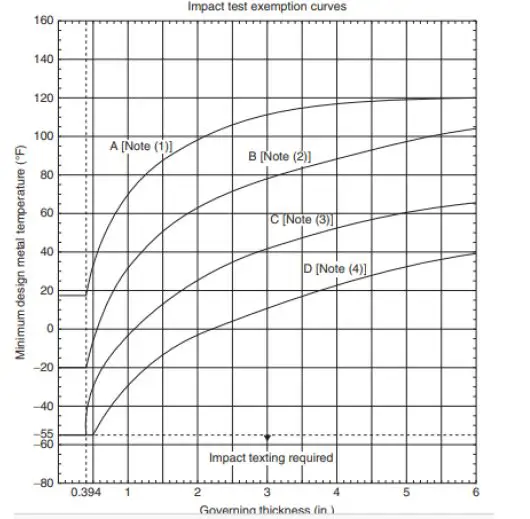
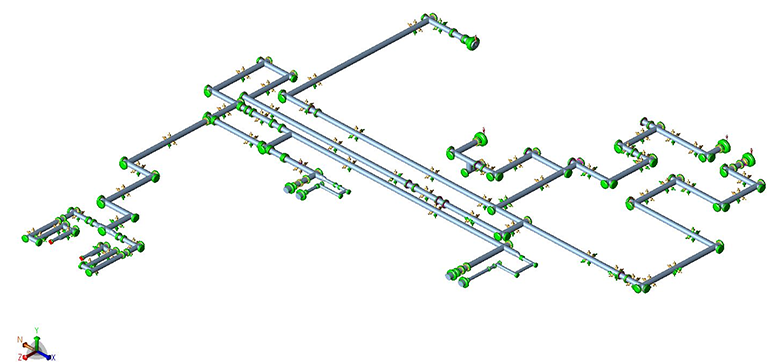
A brief mathematical overview of the force spectrum method in Caesar II
Anindya Bhattacharya
Free
Read
Total Experience
31 Years
Current Company / College
National Grid UK Ltd.
City
London
Country
United Kingdom
Professional Experience
Asset Engineer - Asset Engineer
Professional Career Summary
ASME B31.3 Committee member (Subgroup on Design and International Review Group), Member of ASME B31E committee, associated with upcoming developments of Appendix W (High cycle fatigue)
30+ years of Industrial experience (Ex-Reliance, Bechtel, Mcdermott, etc)
Chartered Engineer and Fellow of the Institute of Mechanical Engineers UK.
European Engineer (Eur.Ing), International Professional Engineer (Int.PE), through the Engineering Council UK.
Member of the PSC/PRV committee of the Engineering Equipment and Materials Users’ Association (EEMUA)
M.Eng in Mechanical Engineering from Indian Institute of Science, Bangalore , India ( 1995).
Currently pursing part time PhD at University of Manchester UK.
Trainer has published 20 technical papers many of which are part of ASME PVP conference proceedings. The author is a regular reviewer of ASME PVP conference papers and ASME Journal of Pressure vessel and piping.
Link to the trainer’s LinkedIn profile - https://www.linkedin.com/in/anindya-bhattacharya/
Links to some of the papers by the trainer can be found in the links below.
https://doi.org/10.1115/PVP2016-63154
https://doi.org/10.1115/PVP2015-45533
https://doi.org/10.1115/PVP2016-63153
https://doi.org/10.1115/PVP2015-45452
https://doi.org/10.1115/ESDA2014-20576
https://doi.org/10.1115/PVP2014-28536
https://doi.org/10.1115/PVP2013-97622
https://www.nafems.org/events/nafems/2012/ukconf12/
Reviews
Feedback from participants who've learned with Anindya Bhattacharya.
Excellent Mentor. Very well explained.

Ravi M
Piping engineer
awsome

Execellent Course for beginners

It is good

Tarun Kumar Rajak
Piping engineer
good refresher on B31.3 flexibility calc—Chapter IX example walking the expansion loop and stress range f factor stuck. I've used the 319.4.4 displacement vs sustained split in a real spec review; mostly clicked, but I wasn't sold on the brief treatment of occasional loads and wished for one more worked case.

sarath Selvaraj
Piping Engineer
The handoff between modules felt natural, so context carried without rework. The anti-patterns section on over‑constraining anchors at pump nozzles stuck, especially the load-case table where T1 thermal got duplicated and skewed nozzle loads. As a freelancer making arch/infra calls on oilgas work, it helped me sanity-check assumptions before pushing to prod; I don't need another PR churn. wasn't sold on the light coverage of vendor quirks—more contrast between CAESAR II and AutoPIPE would've helped—but it's time well spent even if you just mine the anti-patterns.

Sudherson Jagannathan
engineer
This course cleared a few bottlenecks I've been hitting on ASME work lately, especially when code math meets real layouts. The moment that stuck was the thin-wall cylinder example in the stress chapter where hoop vs longitudinal stress gets mapped to B31.3 allowables; the Mohr’s circle walk-through finally clicked for reviewing a PR. It's mostly tight, though I wasn't sold on the quick skim of fatigue and wished there was more on sustained vs occasional loads for pharma skids. I'll keep it bookmarked and pull it up before our next arch review in prod.

Difficulty felt mid-to-high; the thin-wall cylinder hoop stress worked example right before the Section VIII references stuck, especially how assumptions were called out. As a TeamLead, it's useful for aligning arch reviews and onboarding, though I wasn't sold on the pace—wished there was more free-body practice tied to real piping loads.

Anindya Bhattacharya
Asset Engineer
Statics chapter on free‑body diagrams tied to ASME Section VIII load combos helped, but I wasn't sold on the thin kinematics coverage.
sarath Selvaraj
Piping Engineer
Thin-wall cylinder stress example in Chapter 4 clicked for ASME, though I wasn't sold on the rushed Mohr's circle bit.

Heba Elsayed
--
No fluff, good labs. The async and concurrency sections are the standout.
This was a practical bridge from undergrad statics to the ASME BPVC lens; the Mohr’s circle walk‑through in Chapter 4, especially the plane stress example, stuck with me. My obs: it’s mostly aimed at refresh, which works, but I wasn't sold on the thin‑wall pressure vessel derivation speed and wished for one more worked problem.

Ahmed Wahid
--
Reads like field notes from someone who’s had to sign off on this stuff, not a glossy theory pass. As a TeamLead juggling infra risk and schedule, I liked the framing around decision tradeoffs and when to stop iterating before prod deadlines bite. The section on sustained vs expansion loads in Chapter 4 stuck, especially the worked nozzle load check on pump P‑101 where the author shows the hand calc before trusting the model; that mirrors how we review PRs and arch diagrams. There’s also a quick aside on thermal growth in LNG skids that maps to oilgas realities without wandering. I wasn't sold on the brief treatment of dynamic cases; wished there was more on occasional loads and how to validate assumptions under higher RPS events. Still, it’s mostly practical, cost-aware, and readable between meetings—something I’d keep handy when reviewing stress calcs or mentoring juniors.

Suraj kumar Dash
Engineer
Felt more like being guided through a real problem than skimming a catalog of formulas, which helped bridge theory to day‑to‑day calc work. The chapter on sustained vs expansion cases stuck, especially the L‑shaped line example where the anchor loads flip once thermal growth is applied; I paused and reworked it against a small oilgas line I’d just seen in prod. Explanations tie back to arch decisions, not just code cites, and the stress range checks made sense in context instead of feeling academic. I’ve already pulled a couple snippets into a repo note for future PRs, mostly around how they frame restraint modeling. Mostly happy, though I wasn’t sold on the brief materials section; wished there was more on temperature‑dependent modulus handling. pacing stayed tight—maybe too tight if you’re rusty on code notation—but it kept me engaged between meetings.
Sudherson Jagannathan
engineer
The section headers pulled me in, and the material mostly delivered without fluff. the B31.3 sustained vs occasional load section, especially the expansion loop calc with cold spring, stuck because it mapped cleanly to a real nozzle check. As a BootcampGrad in software, I liked how it read like an arch review rather than a PR; checklists felt closer to CI than lecture, even when touching oilgas examples. Wasn't sold on the thin coverage of dynamic/seismic cases, but it didn't talk down or pad time, which matters when you're trying to ship work into prod.
sarath Selvaraj
Piping Engineer
Dense material, little fluff, and the terms stay plain, which matters when time’s tight. The sustained vs expansion loads section stuck with me, especially the walk-through of L1/L2/L3 on the 90° elbow example and how anchor loads shift; I’ve already mirrored that logic in a PR reviewing calc sheets for an oilgas client. It's mostly on point, though I wasn't sold on the brief detour into software UI. I've caught myself reading other engineers’ calcs more like code reviews now, checking assumptions before the math.

Sandeep Sudhakaran
Engineer
Good refresher on fundamentals, but it stays practical; the anchor load walkthrough in Chapter 6 on a 10‑in steam line under B31.3 stuck with me. I've used that sustained vs expansion load check in oilgas arch reviews; helpful, though I wasn't sold on the treatment of cold spring and wished for one more worked calc.

Chockalingam N
Engineer
The Chapter 4 walkthrough on B31.3 sustained vs occasional cases, plus the Caesar II nozzle check at pump P-101, mirrors prod reviews. Mostly clear on expansion loops and spring hanger sizing; wasn't much on transient startup cases or how you'd document assumptions for a PR in a shared repo.

Team EveryEng
Mechanical Engineering
Maps pretty directly to the PRs sitting in my queue, but module 4 dragged a bit and the spreadsheets assume you’ve already got ASME tables handy. Past that, the material lines up with real design review work. The Section VIII Div 2 creep‑fatigue interaction diagram walkthrough in module 3 stuck; stepping through how the damage fractions add up is exactly what I’m checking before sign‑off. I’ve already cross‑checked that logic against a piping calc from a chemicalpharmaceutical project. Explanations stay practical, not academic, and the arch context is clear enough to trace assumptions back to the source. It doesn’t wander, and the quality stays pretty even across modules, which isn’t common.
sarath Selvaraj
Piping Engineer
Brought this in to sanity-check if it’s worth a team run. Quick gripe first: the creep‑fatigue coverage felt rushed, and the labs assume you’ve already got your FEA toolchain wired, which slowed me down. After that, it clicked. The walkthrough of Part 5 elastic‑plastic methods, especially the ratcheting check in the cyclic service section, stuck. The moment where they compare limit load vs strain‑based acceptance and show the mesh sensitivity example was useful. I’ve already mirrored that setup in a repo and used it to tighten a PR discussion on arch choices. Context fits pressure vessel work I see in chemicalpharmaceutical jobs. Not fluffy. Practical framing for prod decisions, fewer back-and-forths, faster iteration between analysis and review.
sarath Selvaraj
Piping Engineer
The terminology and symbols alone forced a second look at how we label stresses and load cases day to day. The walk-through of Part 5.2 on elastic analysis, especially the stress classification line example around a nozzle-shell junction, stuck because it mirrors the arguments we keep having in PRs. It wasn't hand-wavy; the way they tie membrane vs bending back to acceptance checks felt like stuff that actually shows up in prod decisions. I've been bouncing between this and our repo, mapping the checks to comments we leave on analysis writeups. mostly helpful, though I wasn't sold on how lightly buckling is treated compared to fatigue, given how often it bites us in chemicalpharmaceutical work. Some slides could've used one more annotated calc instead of prose. Still, the naming and load combination patterns are getting copied into our internal style guide and arch notes so reviews go faster.

Module 4 dragged a bit, and the labs assume you’ve already got a Caesar II license and units set up, which wasn’t spelled out. That said, the content mirrored issues we’re seeing in our current sprint on piping arch and infra. The anchor motion example in Chapter 6 stuck, especially how it walked through SSE vs OBE and why the load cases split the way they do. I’ve dealt with similar checks in oilgas work, but the modal combination section (CQC vs SRSS) finally lined up with how I see results in prod reviews. It’s not fluff; it ties back to decisions you’d make before opening a PR on calc changes. Helped clear out a lot of technical clutter I’d been carrying around.
Dinakar BR
--
The emphasis on keeping models maintainable matched what I needed heading into real infra work. The SRSS vs CQC comparison in the response spectrum chapter, using the pump discharge line, stuck; seeing how support stiffness shifts forces and checks in Caesar II connected theory to arch choices I see in prod and PRs. I wasn't sold on the quick pass over time history, and wished there was more on damping assumptions. Useful time for the team, especially if you're touching oilgas piping alongside CI-driven workflows.
Narendra Singh
Engineer
Section 6’s response spectrum example (3% damping) finally clicked the piping arch, but wasn't sold on the time-history coverage.

N Verma
Engineer
Feels built by someone who's had to defend Caesar II runs in prod reviews, not just teach theory. The Response Spectrum section where he tunes damping to 2% vs 5% and fixes the modal participation table stuck; that's exactly the kind of cleanup I've done before sign-off on oilgas jobs. Some pacing was uneven and I wasn't sold on the quick skip past nozzle flexibility, wished there was more on that. Rare to see course material map this closely to day-to-day prod work.
Ravi M
Piping engineer
mostly clear walkthrough of the Section 6 response spectrum combo, especially the API 610 pump nozzle case in Caesar II—it tied modal participation factors to actual code checks. Wasn't sold on the time-history pacing; wished for more on damping assumptions, but it's helped me sanity-check dynamic loads before prod sign-off.

Sayed Mohammed Afaq
Design Engineer
Material here goes beyond what the vendor manuals spell out, and that’s useful when you’re already running Caesar II in prod and things don’t add up. The advanced focus shows, especially in the section on modal combination where the instructor walks through CQC vs SRSS and then tweaks damping to show why the stress jump wasn’t a solver bug. That moment in Chapter 3, flipping the support from rigid to bilinear and watching RPS redistribute, stuck with me. It reads like an engineer reviewing a PR, not marketing copy, and the arch-level framing maps well to oilgas piping where infra constraints dominate. I wasn't sold on the brief detour into time history setup; wished there was more on obs when results drift between runs. still, my turnaround on ugly vibration cases is faster now, mostly because I’m checking the right knobs earlier.

Akula Kumar
--
The jump from junior intuition to senior judgment gets spelled out here, in a way that’s hard to miss. The API‑579 Part 9 walkthrough, especially the Level 2 FAD example for a through‑wall crack in an elbow, stuck with me because the numbers and assumptions were explicit. As a grad entrant, I've been mapping it to oilgas piping work; it frames arch tradeoffs like a PR review before pushing to prod. Mostly great, though I wasn't sold on the brief treatment of residual stress, and a bit more on inspection uncertainty would’ve helped, but the path forward is easy to see.
sarath Selvaraj
Piping Engineer
The API‑579 Level 2 FAD walkthrough in the piping module, especially the crack‑like flaw calc with membrane+bending stress, stuck and cleared gaps fast. It's mostly tight for advanced folks, but I wasn't sold on the brief cyclic crack growth—wished Annex 9 had one more example.

Mohammed Afaq
Engineer
Went in mainly thinking about how fracture assumptions translate to runtime limits in prod—less theory, more constraints. The walk-through of API-579 Part 9 FAD with the through-wall crack in a 12‑in elbow, including how they bounded RPS vs K, stuck. Helpful for arch conversations with infra and obs when incidents touch oilgas piping; maps to risk decisions. I wasn't sold on the brief treatment of CI-like inspection intervals; wished more on k8s-like ops cadence analogies, but I'd usually keep this to myself and won't.

Anil Thombare
Engineering management
The course lays a workable path through a messy subject without hand-waving. The moment that stuck was the API-579 Part 9 Level 2 FAD walk-through using the circumferential crack in a girth weld, especially how K_I and reference stress were pulled from the tables. As a grad entrant, it helped connect theory to prod decisions in oilgas; it's like seeing the arch behind an approval PR, not just equations. wasn't sold on the short J-integral aside, and I've wished for more on fatigue crack growth rates, but it closed gaps I didn't know I had.

The API-579 Part 9 walkthrough (Section 9.4) on through-wall crack sizing using R6 Option 1—stuck, especially the Ct vs Kr plot and how residual stress was bounded. From a TeamLead view, it clarifies arch assumptions we keep fuzzy in oilgas prod reviews; mostly useful, though I wasn't sold on the brief fatigue growth bit.

Vinoth Balu
Piping Design Engineer ( Stress and Materials)
Dense material, but mostly free of fluff or academic throat-clearing, which matters when you’re trying to apply it to a live plant and not a whiteboard. The walkthrough of the API‑579 Level 2 FFS example on a corroded pipe spool stuck with me, especially the moment where the FAD plot flips the go/no‑go call after recalculating K_I with revised thickness. That’s the kind of detail I can sanity‑check before signing off a PR equivalent in the repo, even if the “repo” here is a calc package heading to prod. I've used the crack growth rate section as a quick reference twice now during oilgas reviews. Wasn't sold on the brief detour into historical fracture theory; wished there was more time on inspection data quality and obs assumptions feeding the math. still, it’s helped me push back in a couple arch debates I was losing, the same way a clean CI failure stops bikeshedding before it hits prod.

mithil srivastav
Product Manager
Good calibration of theory vs checks; the NB-3228 fatigue usage example with alternating thermal transients stuck, especially how Pm+Pb limits differ from NC/ND. Mostly worked for team alignment, but wasn't sold on the thin coverage of Appendix XIII creep and how it maps to prod design reviews.

asad raza
--
The course doesn’t take shortcuts, and that matches how stress work shows up when designs hit prod schedules and budgets. It walks through ASME Sec III logic without pretending NB/NC/ND checks are plug-and-play, which helped align my team on why the arch choices matter before a PR goes anywhere near review. The moment that stuck was the NB-3228 fatigue usage example where they linearize stresses and explicitly call out what not to include; that’s a mistake I’ve seen twice in real audits. I’ve used bits of it to sanity-check analyses coming from vendors, mostly around service level combinations and how they justify them. mostly clear, though I wasn’t sold on the pacing in the thermal stress section, and wished there was more on how people document assumptions for obs and handoff. Still, it made a dense standard feel more manageable without hand-waving.
Imran Tariq
--
The material stays grounded in real-world constraints from the start, which matters for ASME III where theory drifts fast if you let it. The walk through NB-3217 and the example checking primary membrane plus bending against Sm stuck with me, especially how the instructor paused to call out where people misread the table when cycling through load cases. I liked the way NB vs NC vs ND distinctions were handled at the arch level instead of as three silos, almost like keeping one repo with clear interfaces rather than three forks. Some of the derivations ran long, and I wasn't sold on spending that much time re-deriving elastic follow-up when a sharper link to fatigue usage would’ve helped. still, the mental model around stress categorization and code intent is something I’ve already reused when reviewing a PR on analysis assumptions for prod. Not flashy, but the frameworks here should outlive whatever toolchain or infra buzzword comes next.

Good walk-through of B31.3 without fluff; the Appendix D flexibility calc where he steps through SIFs and thermal expansion numbers stuck, especially the hand-check vs CAESAR II note. Mostly practical for client work, though I wasn't sold on the pass over 302.3.5 allowable stresses—wished there was one more worked example tied to plant mods.
Siddharth S Kumar
Engineer
The modular chunks fit between meetings, so I could dip in without blocking a half-day. The walk-through of para 302.3 using Table A-1 allowable stresses, then the branch reinforcement calc in Chapter II, stuck. it's framed like a PR review: assumptions, checks, failure modes, and how they'd change decisions in prod or infra. I wasn't sold on the light treatment of flexibility analysis and test choices in 345, but I've got a cleaner checklist for the next spec review.

Deveshkumar Chavan
Engineer
This course poked at assumptions I had about the ASME B31.3 framework—forcing me to reconcile the spec with how we actually run infra. The worked example in Section 302.3 on allowable stress with temperature derating stuck; walking the numbers felt like reviewing a prod change before merge. The 341/345 testing flow maps cleanly to CI gates and obs checks, though I wasn't sold on how lightly change churn (think k8s rollouts) was treated. I've caught myself reading other engineers’ calcs like PRs in a repo, annotating assumptions instead of skimming.

Modules flowed without whiplash; moving from scope to design checks didn't feel stitched together. The walk-through of para 319 flexibility calc using a simple L-loop, calling out sustained vs expansion stress and when SRF applies, stuck. I could map it straight to prod pipe racks and infra reviews, the same questions that come up in PRs on chemicalpharmaceutical skids. Wasn't sold on the time spent rehashing basic units; wished there was more on occasional loads per 302.3.6. The pacing fit between meetings, and the chapters are bite-sized like CI jobs rather than a monolith. Not many courses line up this cleanly with the stuff that actually blocks releases in prod.

Faisal Altaf
Engineering Manager
Useful pass for aligning engs on B31.3 without derailing sprint work; the para 319 flexibility section and Example 7.3 expansion loop calc stuck, flagging stress range vs Appendix D allowable. It's mostly chemicalpharmaceutical/oilgas piping, but I wasn't sold on the k8s-style CI review analogy and wanted tighter ties to prod change control and PR checklists.

Yash Tong
--
Feels built by someone who’s had to ship decisions to prod and live with the downstream audits. The pacing tracks how this stuff shows up in real arch and infra work, not a classroom toy, and it kept my attention between meetings. A specific bit that stuck was the worked example comparing sustained vs displacement stress in the 319.2.3 walkthrough, including how they justify occasional loads without hand-waving. wasn't sold on the lighter treatment of flexibility analysis; Appendix D gets a mention, but I wished there were more on when to stop iterating in a real plant context. Still, the corrosion allowance and hydrotest section (345.4) mirrored what we see in chemicalpharmaceutical lines, and the failure modes discussion maps cleanly to how we think about CI checks and obs in other domains. I’ve got fewer open questions heading into our next spec update and feel better set up for an upcoming migration of legacy lines.
DHINAKARAN KATHAVARAYAN
Senior Piping Engineer
The syllabus looked heavy on paper, but the delivery stayed lean and technical, which I prefer between meetings. It frames B31J at the arch level first, then walks the math without burying you in derivations; it’s closer to reading a clean PR than spelunking a repo. The moment that stuck was the worked example in the sustained vs displacement stress check, where the instructor pauses on how the SIF choice shifts the allowable and why that matters for a trunnion support in oilgas piping. That kind of concrete fork-in-the-road is what I want, not just formulas. I wasn't sold on the brief software comparison; I wished there was more on how different vendors interpret B31J in prod and what to watch in obs when results drift. still, the pacing held, and it didn't wander into generic infra talk or unrelated CI/RPS metaphors. Compact and useful, not padded.
Issa Afazaz
--
Quick refresher on where B31J fits in a stress arch; the Section 3 screening flow and a worked branch connection SIF example stuck. it's mostly practical, but I wasn't sold on the brief treatment of Appendix C equations—wished there was more on limits for energyutilities piping in hot services.

Tirth Patel
--
Good framing of B31J theory with practice; it's especially clear in the Section 4 worked example comparing B31.3 vs B31J SIFs on a 6‑in elbow under expansion—useful for arch calls in oilgas piping. Pace was mostly right, but I wasn't sold on the brief sustained load checks; wished for one more calc walkthrough tied to a real PR comment.
Akula Kumar
--
Found myself jotting notes I’d reuse in prod reviews, which doesn’t happen often with standards courses. The Section 6.3 elbow SIF walkthrough, especially the comparison against B31.3 assumptions, was concrete enough to map straight into our infra arch for oilgas piping. Mostly good pacing; I wasn’t sold on the brief treatment of branch connections and wished for another worked calc before moving on. notes from this ended up more useful than most bookmarks sitting in my repo.
sarath Selvaraj
Piping Engineer
Minor gripe first: the screening equations module dragged a bit, and the labs assume you’ve already got the Excel templates wired up. After that, the reasoning behind the examples mostly holds up. The walk-through in Chapter 3 where the 8‑in elbow SIF is recalculated under B31J vs legacy values stuck with me, especially the load case setup and why the stress redistribution matters. As a freelancer bouncing between oilgas clients, that helps when I’m sanity-checking arch decisions before a PR goes out. It’s not fluffy; it stays focused on how you’d actually apply the standard in prod work. the appendix note on branch connections clarified a misconception I’ve had for years. My mental model’s changed more than the docs ever managed.
Tarun Kumar Rajak
Piping engineer
Jumped in halfway through and still got oriented fast; the framing around B31J assumptions made it easy to follow. The worked example comparing code SIFs vs B31J on the L‑shaped header stuck, especially the step where flexibility factors changed the stress outcome—it mirrors PR debates I’ve had in oil & gas. mostly wished there was more on tooling handoff to calc sheets and how teams review these in arch reviews; wasn't sold on the brief software mentions. The maintainability angle feels practical and it's the kind of thing that avoids rework later.
Hafiz Khan
--
The elbow ovalization walkthrough in Section 3.2 clarified when geometric nonlinearity actually dominates in piping; it's not just textbook curves. The contact chapter's penalty vs Lagrange multiplier example was useful, though I wasn't sold on the arch damping assumptions and wished there was more on solver convergence criteria under frictional contact.
sarath Selvaraj
Piping Engineer
Some pieces finally clicked around tuning FEA so results line up with real margins, not just pretty plots. The Part 5 ratcheting check walk‑through, especially the elastic‑plastic example around a nozzle corner, stuck because it showed where stress linearization actually matters. As a freelancer, that maps straight to client outcomes: clearer arch decisions before anything hits prod, fewer back‑and‑forths. mostly worked for me, though I wasn't sold on the brief treatment of mesh sensitivity near supports and wished there was a bit more on interpreting results under mixed load cases.

surendra chavan
Piping Stress Engineer
Came in carrying a punch list of questions, and most of them got answered without fluff. The Part 5 walkthrough on elastic–plastic ratcheting, especially the step where he linearizes stresses at the nozzle-to-shell junction and explains why the membrane+bending split matters, stuck with me. The mesh convergence example in that chapter, with the explicit RPS comparison before and after refinement, felt close to how this actually shows up in prod reviews. I liked that the repo examples mirrored the math instead of hiding it behind a GUI; I’ve already cribbed the material model setup for a chemicalpharmaceutical vessel. wasn't sold on the brief fatigue screening section—would’ve liked more on cycle counting assumptions and where they break. Still, a few blind spots around strain limits and buckling checks quietly disappeared, which doesn’t happen often.
Already pointed a couple teammates to it before I was done, though one gripe up front: the labs assume your Abaqus env and licensing are already sorted, which wasn’t trivial on our infra. After that, it clicked fast. The walk-through of Part 5 elastic-plastic checks, especially the nozzle-to-shell junction example in the “Strain Limits per 5.3.2” section, stuck. Seeing how they iterate mesh refinement and then interpret ratcheting vs shakedown helped me sanity-check what we do in prod. The ASME citations are precise without reading like code commentary. It’s opinionated in a good way about boundary conditions and load cases for pressure vessels in energyutilities. I've already cross-checked a current PR against their stress linearization approach. Net-net, time spent felt efficient.

Advanced but approachable; the Part 5 walkthrough on elastic‑plastic ratcheting stuck, especially the cylinder example showing shakedown vs collapse checks and how the stress linearization feeds acceptance. I've mapped that straight into a prod FEA workflow, though I wasn't sold on the brief mesh convergence bit—wished there was more on weld modeling and post‑processing obs.

Vipin George
--
The Part 5 ratcheting check walkthrough bridged hand calcs to FEA; it's practical, though I wasn't sold on the mesh sensitivity example.
Useful refresher for team—Chapter II's 302.3.6 sustained vs occasional loads example sticks; wasn't sold on the skim of Chapter IX WPS/PQR flow.
sarath Selvaraj
Piping Engineer
Signed up to patch a specific gap before a migration where ASME language kept slowing our reviews. The walk-through of Section VIII Div 1, especially the UG-27 thickness calc example with the hand-check against code tables, stuck because it mirrored a real PR I was blocked on. Framing the rules with why they exist helped translate intent into design choices, not just box-checking; felt closer to how we talk arch decisions in prod. I liked the contrast between Appendix 2 flange calcs and the simplified approach, though I wasn't sold on how quick the fatigue bit went by. it’s advanced-intermediate in the right way, assuming you’ve touched drawings and specs before. I wished there was a bit more on edge cases we see in energyutilities handoffs, but the background context reduced back-and-forth in design sessions and cleaned up the vocabulary we use when debating assumptions.
Team EveryEng
Mechanical Engineering
At first glance, the topics looked familiar, but the depth surprised me. The course went well beyond basic FEA theory and forced a closer look at how ASME Section VIII Division 2 Part 5 is actually applied on real pressure vessel jobs. Stress linearization, protection against plastic collapse, and buckling checks were covered in a way that tied directly to vessels used in oil & gas processing, like separators and heat exchangers, as well as steam drums in energy utilities. One challenge was wrapping my head around the acceptance criteria in Part 5 and how sensitive results can be to mesh density and load combinations. It took some effort to reconcile what the solver spits out versus what the code actually wants you to evaluate, especially for fatigue screening and local stress checks at nozzles and welds. A practical takeaway was learning how to properly define stress classification lines and load cases so the results stand up to code review. That filled a gap from past projects where FEA was done, but not fully code-aligned. The material feels immediately usable, and I can see this being useful in long-term project work.
Initially, I wasn’t sure what to expect from this course. Coming from oil & gas projects where FEA is often treated as a black box to satisfy ASME Section VIII, the focus on Division 2 Part 5 methodology was a useful reset. The material did a good job tying elastic-plastic analysis back to real pressure vessel cases seen in refineries and energy utilities, especially around nozzles, local stresses, and thermal gradients from startup/shutdown cycles. One challenge was keeping the boundary conditions realistic. Translating piping loads and saddle supports into an FEA model without over-constraining it took some iteration, and the course didn’t shy away from showing how small assumptions can drive non-conservative results. That mirrors industry practice more than most training does. The discussion on stress linearization versus equivalent stress checks highlighted edge cases where hand calculations or Div 1 rules can be misleading. A practical takeaway was a clearer workflow for Part 5 assessments—when elastic analysis is enough, when plastic collapse needs to be checked, and how to document it so reviewers don’t push back. Compared to typical vendor reports, this approach is more defensible at a system level. I can see this being useful in long-term project work.

Anup Kumar Dey
Owner of https://whatispiping.com/
Coming into this course, I had some prior exposure to the subject, mostly running linear FEA checks for pressure vessels in oil & gas projects. What was missing was a solid grasp of how ASME Section VIII Division 2 Part 5 actually ties analysis results to code acceptance. This course helped close that gap. The sections on elastic–plastic analysis, stress linearization, and ratcheting checks were especially relevant. These are things that come up on real jobs, like separator vessels and heat exchangers tied to energy utilities, but aren’t always handled consistently across teams. Seeing how Part 5 is applied step by step made it clearer how to justify designs beyond basic allowable stress checks. One challenge was keeping up with the assumptions around boundary conditions and mesh sensitivity. Translating the code language into a solver setup took some effort, and a couple of examples had to be re-watched to fully click. A practical takeaway was a clearer workflow for Part 5 assessments, including what results to extract and how to document them for review. This is already influencing how current pressure vessel checks are being approached. I can see this being useful in long-term project work.

Coming into this course, I had some prior exposure to the subject, mainly running basic linear FEA for pressure vessels in oil & gas projects. This training pushed things further, especially around applying ASME Section VIII Division 2 Part 5 in a disciplined way. The walkthrough of stress linearization, plastic collapse checks, and ratcheting assessment was directly relevant to vessels used in refinery and gas processing units, where code compliance is always under scrutiny. One real challenge was wrapping my head around setting correct boundary conditions and load combinations for elastic‑plastic analysis. In past work, that’s where models quietly went wrong. The course didn’t sugarcoat that and showed how small assumptions can drive non‑conservative results, which was useful. Meshing strategies for nozzles and local discontinuities also filled a gap, particularly for pressure vessels tied into energy utility systems like boilers and heat recovery units. A practical takeaway was a clearer workflow for documenting Part 5 checks so they actually stand up during design review. That alone will save time on the next project. The content felt aligned with practical engineering demands.
Initially, I wasn’t sure what to expect from this course. Having worked pressure vessel design in oil & gas and some crossover projects in energy utilities, the promise of tying FEA directly to ASME Section VIII Div 2 Part 5 caught my attention, but also raised skepticism. The strongest part was the breakdown of stress classification and how it actually maps (or doesn’t) to real FEA results. In day‑to‑day industry practice, linearization and stress categorization are often treated mechanically, and this course highlighted edge cases where that approach can mislead, especially around local discontinuities and nozzle junctions. One challenge was keeping up with the elastic‑plastic analysis requirements; the examples assumed a level of solver familiarity that could trip up engineers used to elastic-only checks. A practical takeaway was a clearer workflow for documenting Part 5 assessments in a way that aligns with Authorized Inspector expectations, rather than just “passing” the model. The discussion on load combinations and cyclic service felt particularly relevant for gas processing and power plant pressure components. Overall, the content felt aligned with practical engineering demands.
At first glance, the topics looked familiar, but the depth surprised me. The course went well beyond basic FEA theory and forced a closer look at how ASME Section VIII Division 2 Part 5 is actually applied on real pressure vessel jobs. Stress linearization, protection against plastic collapse, and buckling checks were covered in a way that tied directly to vessels used in oil & gas processing, like separators and heat exchangers, as well as steam drums in energy utilities. One challenge was wrapping my head around the acceptance criteria in Part 5 and how sensitive results can be to mesh density and load combinations. It took some effort to reconcile what the solver spits out versus what the code actually wants you to evaluate, especially for fatigue screening and local stress checks at nozzles and welds. A practical takeaway was learning how to properly define stress classification lines and load cases so the results stand up to code review. That filled a gap from past projects where FEA was done, but not fully code-aligned. The material feels immediately usable, and I can see this being useful in long-term project work.
surendra chavan
Piping Stress Engineer
At first glance, the topics looked familiar, but the depth surprised me. Having worked mostly on oil & gas piping systems around compressors and PSV discharge lines, AIV and FIV were usually treated as checklist items rather than something grounded in real vibration theory. The sections on random vibration, PSD interpretation, and how Fourier Transform actually ties time data to frequency content helped close that gap. One area that stood out was the walk-through of the Energy Institute guideline and the reasoning behind the screening criteria. In past projects, EI limits were applied almost blindly on brownfield modifications. Understanding the fluid dynamics drivers behind acoustic resonance and turbulence-induced excitation made those limits make more sense, especially for high-pressure gas lines. The link to chemical and pharmaceutical facilities, like vapor transfer lines and high-velocity utility headers, felt realistic rather than academic. A challenge was keeping up with the statistical side of random vibrations, especially probability distributions and frequency-domain assumptions. That part took a bit of re-reading. A practical takeaway was knowing when a simple EI screening is enough versus when a detailed FIV analysis or support redesign is justified. The content felt aligned with practical engineering demands.

Gazal Bava
--
This course turned out to be more technical than I anticipated. The deep dive into PSD-based methods and Fourier Transform went beyond the surface explanations I usually see, and that was useful. Coming from oil & gas projects, especially high-pressure piping in gas compression and LNG facilities, the sections on Acoustic Induced Vibration and Flow Induced Vibration tied directly to issues seen in real layouts and piping modifications. The walkthrough of the Energy Institute guideline was particularly relevant. It helped connect the theory of random vibration to how AIV screening is actually done during design reviews. Some of the fluid mechanics discussion also mapped well to chemical/pharmaceutical utilities, like clean steam and high-velocity vapor lines, where vibration risks are often underestimated. One challenge was keeping up with the statistical treatment of random vibration, especially interpreting PSD plots and understanding what assumptions are acceptable in practice versus academic cases. That part took some rework after the sessions. A practical takeaway was a clearer step-by-step approach to identifying AIV/FIV risk early and knowing when EI guidelines are sufficient versus when more detailed analysis is needed. This filled a gap between textbook vibration theory and day-to-day engineering decisions. It definitely strengthened my technical clarity.
Bhushan Bhale
Stress engineer
Coming into this course, I had some prior exposure to the subject, mostly from oil & gas piping projects where vibration was flagged late and handled reactively. This course helped put structure around AIV and FIV, especially tying fluid mechanics to random vibration theory instead of treating it as a black box. The sections on PSD-based methods and the practical meaning of Fourier Transform were useful when reviewing vendor vibration data from compressors and high-pressure gas lines. One challenge was bridging the gap between the math and real project decisions. Translating a PSD plot into stress checks and knowing when the Energy Institute guideline is overly conservative took some effort, but the walkthrough of the EI screening logic helped. The discussion on flow-induced vibration in multiphase lines felt very relevant to upstream oil & gas, while the acoustic vibration examples in relief systems also map well to high-velocity utility headers seen in chemical and pharmaceutical facilities. A practical takeaway was a clearer approach on when a simple screening is enough versus when a detailed analysis or test data is justified. That alone will save time on future design reviews. I can see this being useful in long-term project work.

Jenish S
--
Initially, I wasn’t sure what to expect from this course. Coming from oil & gas piping projects, AIV and FIV were topics that usually got pushed to “specialist checks,” and that gap was starting to show on recent brownfield work. The sections on PSD-based analysis and how Fourier Transform actually fits into random vibration theory were useful, especially when tied back to real piping examples. The walkthrough of Energy Institute guidelines made more sense than the way they’re usually referenced in design notes. Acoustic vibration around relief valves and high-pressure gas lines was a clear oil & gas use case, but the discussion also translated well to chemical and pharmaceutical utilities where high-velocity vapor lines can be just as problematic. One challenge was keeping up with the statistics-heavy parts early on; the probability distributions and frequency domain concepts took some re-reading to connect with day-to-day engineering decisions. That said, a practical takeaway was learning how to screen lines for AIV risk early and when EI guidance is sufficient versus when deeper analysis is needed. This knowledge is already being applied on a compressor discharge review. The content felt aligned with practical engineering demands.
Jayesh Ep
--
Initially, I wasn’t sure what to expect from this course. The random vibration refresher was useful, especially the way PSD and Fourier Transform concepts were tied back to real piping problems instead of staying abstract. Coverage of AIV around relief valves and high-pressure gas lines in oil & gas felt consistent with what we see on brownfield projects, and the parallels drawn to thin-wall reactor piping and utility headers in chemical/pharmaceutical plants helped broaden the context. One challenge was translating the frequency-domain PSD results into something actionable for stress checks, particularly when plant data is sparse or noisy. That gap mirrors industry reality, where measurements are rarely ideal and edge cases like two‑phase flow or near-choked conditions can break simplified assumptions. The discussion on where the Energy Institute guideline works—and where it becomes overly conservative—was more honest than most internal standards I’ve dealt with. A practical takeaway was the emphasis on early screening: focusing AIV reviews on valve trims, small-bore connections, and supports before jumping into detailed FEA. System-level implications, like how acoustic fatigue can drive maintenance strategy and inspection intervals, were clearly laid out. The content felt aligned with practical engineering demands.

Rajaraman N
Student
Coming into this course, I had some prior exposure to the subject from oil & gas piping projects, but the random vibration side was always a weak spot. The coverage of PSD-based analysis and the practical explanation of Fourier Transform helped connect theory to what actually shows up around relief valves and high-pressure gas lines. Acoustic-induced vibration in blowdown systems and flow-induced vibration around control valves were discussed in a way that felt close to real plant issues, not textbook examples. One challenge during the course was getting comfortable with interpreting the Energy Institute screening criteria and knowing where its assumptions start to break down. That was especially relevant when thinking about mixed services seen in chemical and pharmaceutical facilities, where layouts and operating envelopes don’t always match the guideline examples. A practical takeaway was a clearer workflow for early AIV/FIV screening—what data to collect, when PSD methods are justified, and when to escalate to detailed analysis. This filled a gap between basic vibration theory and day-to-day design decisions on piping and supports. The content felt aligned with practical engineering demands.

At first glance, the topics looked familiar, but the depth surprised me. Random vibration is often hand‑waved in oil & gas projects, and the course forced a more disciplined look at PSD-based methods and where they actually apply. The walkthrough of Fourier Transform in the context of AIV/FIV was useful, especially when tied back to real piping systems rather than abstract signals. Coverage of the Energy Institute guideline lined up with what’s commonly used in upstream and midstream oilgas facilities, but it also highlighted gaps compared with how EPCs sometimes shortcut screening during tight schedules. One challenge was translating the theory into practical decisions when inputs are messy—flow regimes changing, limited acoustic data, or edge cases like two-phase flow and control valve chatter. Those are situations where pharma and chemical processing utilities also struggle, even if the consequences look different. A practical takeaway was a clearer framework for deciding when EI guidelines are sufficient and when more detailed analysis or testing is justified. The system-level implication—how small excitation sources propagate through supports and layouts—was well emphasized. I can see this being useful in long-term project work.
N Verma
Engineer
At first glance, the topics looked familiar, but the depth surprised me. The treatment of random vibration using PSDs and Fourier transforms went beyond the simplified checks typically used on oil & gas piping projects. The discussion around Acoustic Induced Vibration near relief valves and high-pressure gas lines mirrored issues seen on LNG and gas compression facilities, while the Flow Induced Vibration examples tied well to liquid systems more common in chemical and pharmaceutical plants with dense piping racks. One challenge was reconciling the Energy Institute guideline with real-world constraints. In practice, input data like acoustic power or damping ratios are often incomplete, and the course highlighted how sensitive the results can be to those assumptions. Edge cases, such as low-flow FIV that still causes fatigue due to poor support design, were useful to see, since they’re often missed in standard screening. A practical takeaway was a clearer sense of when EI screening is sufficient and when more detailed analysis or testing is justified. The comparison with current industry practices helped put the methods in context at a system level, especially around risk-based decision making. The content felt aligned with practical engineering demands.

AHMAD DARWEESH
PIPING ENGINEER
This course turned out to be more technical than I anticipated. The treatment of random vibration using PSD and Fourier Transform went beyond the usual “check-the-guideline” approach seen in oil & gas projects. The sections on Acoustic Induced Vibration around PSV discharge lines and Flow Induced Vibration in small-bore connections felt grounded in real piping failure modes, not academic examples. References to the Energy Institute guideline were useful, especially when contrasted with how EPCs often apply it conservatively without understanding the assumptions. One challenge was bridging theory to practice when excitation data is sparse. Translating a PSD into meaningful stress ranges for fatigue checks is still nontrivial, particularly for multiphase or transient flow edge cases that fall outside EI’s original scope. The discussion on where EI breaks down, and how current research tries to address high-frequency acoustic loading, was a strong point. From a chemical/pharmaceutical perspective, the comparison to vibration sensitivity in clean utility piping and reactor feed lines was helpful, as those systems often lack the robustness of oil & gas layouts. A practical takeaway was the emphasis on early screening and layout decisions—support spacing and valve selection matter more than post-design mitigation. The content felt aligned with practical engineering demands.
Mohammed Afaq
Engineer
Initially, I wasn’t sure what to expect from this course. The random vibration refresher was useful, especially the way PSD and Fourier Transform concepts were tied back to real piping problems instead of staying abstract. Coverage of AIV around relief valves and high-pressure gas lines in oil & gas felt consistent with what we see on brownfield projects, and the parallels drawn to thin-wall reactor piping and utility headers in chemical/pharmaceutical plants helped broaden the context. One challenge was translating the frequency-domain PSD results into something actionable for stress checks, particularly when plant data is sparse or noisy. That gap mirrors industry reality, where measurements are rarely ideal and edge cases like two‑phase flow or near-choked conditions can break simplified assumptions. The discussion on where the Energy Institute guideline works—and where it becomes overly conservative—was more honest than most internal standards I’ve dealt with. A practical takeaway was the emphasis on early screening: focusing AIV reviews on valve trims, small-bore connections, and supports before jumping into detailed FEA. System-level implications, like how acoustic fatigue can drive maintenance strategy and inspection intervals, were clearly laid out. The content felt aligned with practical engineering demands.

Anoop V
--
Initially, I wasn’t sure what to expect from this course, especially since AIV/FIV often gets treated as a checkbox exercise in oil & gas projects. The material went deeper than typical vendor presentations and forced a more rigorous look at random vibration theory, PSD construction, and where Fourier-based methods actually hold up. The discussion around acoustic resonance near pressure safety valves and high-velocity gas lines was particularly relevant to upstream oil & gas piping, while the comparison to liquid-phase FIV in chemical and pharmaceutical process piping highlighted why applying the same screening logic everywhere can be risky. One challenge was mentally bridging the gap between clean textbook PSD examples and the noisy, incomplete field data usually available during late project stages. Edge cases like short branch connections and complex boundary conditions were handled realistically, not brushed aside. The review of the Energy Institute guideline was useful, but more importantly, its limitations were clearly spelled out and compared with current industry practice and research. A practical takeaway was a clearer workflow for deciding when EI screening is sufficient versus when detailed analysis or testing is justified, considering system-level consequences like fatigue propagation across connected piping. It definitely strengthened my technical clarity.
This course turned out to be more technical than I anticipated. The treatment of random vibration using PSDs and Fourier transforms went deeper than the usual screening-level discussions seen in oil & gas piping reviews. The link between fluid mechanics and acoustic resonance was laid out clearly, especially around AIV driven by high Mach number gas service and valve-generated turbulence. What stood out was the comparison between the Energy Institute guideline and how FIV is often handled in chemical and pharmaceutical facilities, where conservative supports are added without quantifying excitation. The course made it clear where EI works well and where edge cases exist, like small-bore connections, complex manifolds, or mixed-phase lines that fall outside the guideline’s assumptions. That gap is rarely acknowledged in day-to-day design. One challenge was following the statistical treatment of random vibrations and translating PSD results into something actionable for stress or fatigue checks. It took some effort to reconcile that with typical static load cases used in industry tools. A practical takeaway was a more disciplined way to screen AIV/FIV risk early, before layout freeze, and to justify when detailed analysis is actually needed. At a system level, this helps avoid over-design while still managing fatigue risk. I can see this being useful in long-term project work.

nabi rasool
--
Coming into this course, I had some prior exposure to the subject from oil & gas piping design reviews and a bit from chemical/pharmaceutical utilities work. The treatment of random vibration using PSD and Fourier Transform was more rigorous than what’s typically seen in day‑to‑day industry calculations, where things often stop at a quick EI guideline check. The sections on AIV around control valves and high-pressure drop lines were particularly relevant to upstream oilgas facilities, while the FIV discussion tied back to clean steam and process piping seen in pharmaceutical plants. One challenge was reconciling the theory with sparse field data; translating a PSD-based approach into something actionable when vibration measurements or acoustic power estimates are incomplete is not trivial. Edge cases like intermittent flow or two-phase conditions were touched on, and those are exactly where standard screening methods tend to fall short. A practical takeaway was understanding where the Energy Institute guideline is conservative and where it can miss system-level interactions, especially support spacing and restraint stiffness. Compared to common industry practice, this course pushed harder on why failures occur, not just how to flag them. I can see this being useful in long-term project work.

At first glance, the topics looked familiar, but the depth surprised me. Having worked mostly on oil & gas piping systems around compressors and PSV discharge lines, AIV and FIV were usually treated as checklist items rather than something grounded in real vibration theory. The sections on random vibration, PSD interpretation, and how Fourier Transform actually ties time data to frequency content helped close that gap. One area that stood out was the walk-through of the Energy Institute guideline and the reasoning behind the screening criteria. In past projects, EI limits were applied almost blindly on brownfield modifications. Understanding the fluid dynamics drivers behind acoustic resonance and turbulence-induced excitation made those limits make more sense, especially for high-pressure gas lines. The link to chemical and pharmaceutical facilities, like vapor transfer lines and high-velocity utility headers, felt realistic rather than academic. A challenge was keeping up with the statistical side of random vibrations, especially probability distributions and frequency-domain assumptions. That part took a bit of re-reading. A practical takeaway was knowing when a simple EI screening is enough versus when a detailed FIV analysis or support redesign is justified. The content felt aligned with practical engineering demands.

Initially, I wasn’t sure what to expect from this course. Having dealt with vibration issues in oil & gas piping around relief valves and compressor discharge lines, the AIV/FIV framing immediately felt relevant. The treatment of random vibration and PSD-based methods, especially how Fourier Transform underpins frequency-domain analysis, was closer to how problems actually show up in the field than many textbook approaches. One challenge was reconciling the Energy Institute guideline with brownfield reality. The course did a decent job highlighting edge cases, like small-bore connections and high-pressure gas lines where EI screening can be overly conservative or, in some cases, miss system-level coupling effects. That nuance matters when comparing with common industry practices, where rules of thumb still dominate decisions. Examples tied to chemical and pharmaceutical facilities were also useful, particularly for high-purity process piping where flow-induced vibration can drive fatigue without obvious acoustic signatures. A practical takeaway was a clearer workflow for early AIV/FIV screening—using PSD inputs to prioritize which lines actually warrant detailed analysis instead of blanket reinforcement. Overall, it felt grounded in real engineering practice.

Initially, I wasn’t sure what to expect from this course. The random vibration refresher was useful, especially the way PSD and Fourier Transform concepts were tied back to real piping problems instead of staying abstract. Coverage of AIV around relief valves and high-pressure gas lines in oil & gas felt consistent with what we see on brownfield projects, and the parallels drawn to thin-wall reactor piping and utility headers in chemical/pharmaceutical plants helped broaden the context. One challenge was translating the frequency-domain PSD results into something actionable for stress checks, particularly when plant data is sparse or noisy. That gap mirrors industry reality, where measurements are rarely ideal and edge cases like two‑phase flow or near-choked conditions can break simplified assumptions. The discussion on where the Energy Institute guideline works—and where it becomes overly conservative—was more honest than most internal standards I’ve dealt with. A practical takeaway was the emphasis on early screening: focusing AIV reviews on valve trims, small-bore connections, and supports before jumping into detailed FEA. System-level implications, like how acoustic fatigue can drive maintenance strategy and inspection intervals, were clearly laid out. The content felt aligned with practical engineering demands.
Coming into this course, I had some prior exposure to the subject from oil & gas piping design reviews and a bit from chemical/pharmaceutical utilities work. The treatment of random vibration using PSD and Fourier Transform was more rigorous than what’s typically seen in day‑to‑day industry calculations, where things often stop at a quick EI guideline check. The sections on AIV around control valves and high-pressure drop lines were particularly relevant to upstream oilgas facilities, while the FIV discussion tied back to clean steam and process piping seen in pharmaceutical plants. One challenge was reconciling the theory with sparse field data; translating a PSD-based approach into something actionable when vibration measurements or acoustic power estimates are incomplete is not trivial. Edge cases like intermittent flow or two-phase conditions were touched on, and those are exactly where standard screening methods tend to fall short. A practical takeaway was understanding where the Energy Institute guideline is conservative and where it can miss system-level interactions, especially support spacing and restraint stiffness. Compared to common industry practice, this course pushed harder on why failures occur, not just how to flag them. I can see this being useful in long-term project work.

santosh pise
--
At first glance, the topics looked familiar, but the depth surprised me. The treatment of random vibration using PSDs and Fourier transforms went beyond the simplified checks typically used on oil & gas piping projects. The discussion around Acoustic Induced Vibration near relief valves and high-pressure gas lines mirrored issues seen on LNG and gas compression facilities, while the Flow Induced Vibration examples tied well to liquid systems more common in chemical and pharmaceutical plants with dense piping racks. One challenge was reconciling the Energy Institute guideline with real-world constraints. In practice, input data like acoustic power or damping ratios are often incomplete, and the course highlighted how sensitive the results can be to those assumptions. Edge cases, such as low-flow FIV that still causes fatigue due to poor support design, were useful to see, since they’re often missed in standard screening. A practical takeaway was a clearer sense of when EI screening is sufficient and when more detailed analysis or testing is justified. The comparison with current industry practices helped put the methods in context at a system level, especially around risk-based decision making. The content felt aligned with practical engineering demands.

Ramkumar SG
--
This course turned out to be more technical than I anticipated. The treatment of random vibration using PSD and the practical use of Fourier Transform went deeper than what’s typically covered in internal oil & gas training. The sections on AIV in high-pressure gas piping and FIV around control valves lined up well with problems seen on compressor discharge lines and relief valve tailpipes. There was also enough crossover to chemical/pharmaceutical facilities, especially when discussing clean steam systems where vibration limits are tighter due to fatigue and contamination risks. One challenge was translating the PSD-based response into something actionable for design reviews. In practice, measured data is noisy and boundary conditions are rarely as clean as assumed, which the course acknowledged but didn’t fully resolve. The comparison with Energy Institute guidelines versus how EPCs actually screen lines was useful, particularly the edge cases like short branch connections and high Mach number flows where EI can be non-conservative. A practical takeaway was a clearer workflow for early-stage AIV/FIV screening and when to escalate to detailed analysis or testing. The system-level implications on supports, fatigue life, and maintenance planning were well framed. It definitely strengthened my technical clarity.
sarath Selvaraj
Piping Engineer
This course turned out to be more technical than I anticipated, especially once it got into PSD-based methods and the nuts and bolts behind the Energy Institute AIV guideline. Coming from oil & gas piping projects, AIV and FIV usually get treated as a checklist item around relief valves and flare headers, but the random vibration theory helped explain *why* those screens work and where they fall short. The section on Fourier Transform and frequency-domain thinking filled a real knowledge gap that wasn’t covered back in school. One challenge was following the jump from theory to implementation, particularly how uncertain flow data and acoustic sources affect PSD inputs. That mirrors real life on brownfield oil & gas and chemical/pharmaceutical facilities, where operating envelopes are fuzzy and documentation is incomplete. Still, the walkthrough of EI screening logic and its limitations was practical, not academic. A solid takeaway was learning how to better judge when EI guidance is sufficient versus when detailed FIV analysis is justified, especially for high-pressure gas systems and clean utility lines in pharma plants. That’s already influencing how vibration risk is flagged during design reviews. I can see this being useful in long-term project work.
Vinoth Balu
Piping Design Engineer ( Stress and Materials)
The course focuses primarily on theoretical concepts and principles. However, I believe it would be significantly enhanced if it were integrated with CAESAR dynamic training. Combining the theoretical aspects with practical applications from the CAESAR training could provide a more comprehensive learning experience, enabling participants to better understand and apply the concepts in real-time scenarios.
Sayed Mohammed Afaq
Design Engineer
good recorded course

Arshad Khan
Sr. Mechanical Piping Enginee
How You're Connected
See the shortest path between you and Anindya Bhattacharya through the EveryEng network.
No connection path found to this engineer.
Engineering breadth
Anindya Bhattacharya has demonstrated 0 skills across 0 engineering domains on EveryEng. Each ring shows how much of that domain's skill taxonomy Anindya covers — expand a domain to see specific skills and proficiency levels.
Anindya hasn't published a skill map yet — check back as their profile grows.