

Article details
Introduction
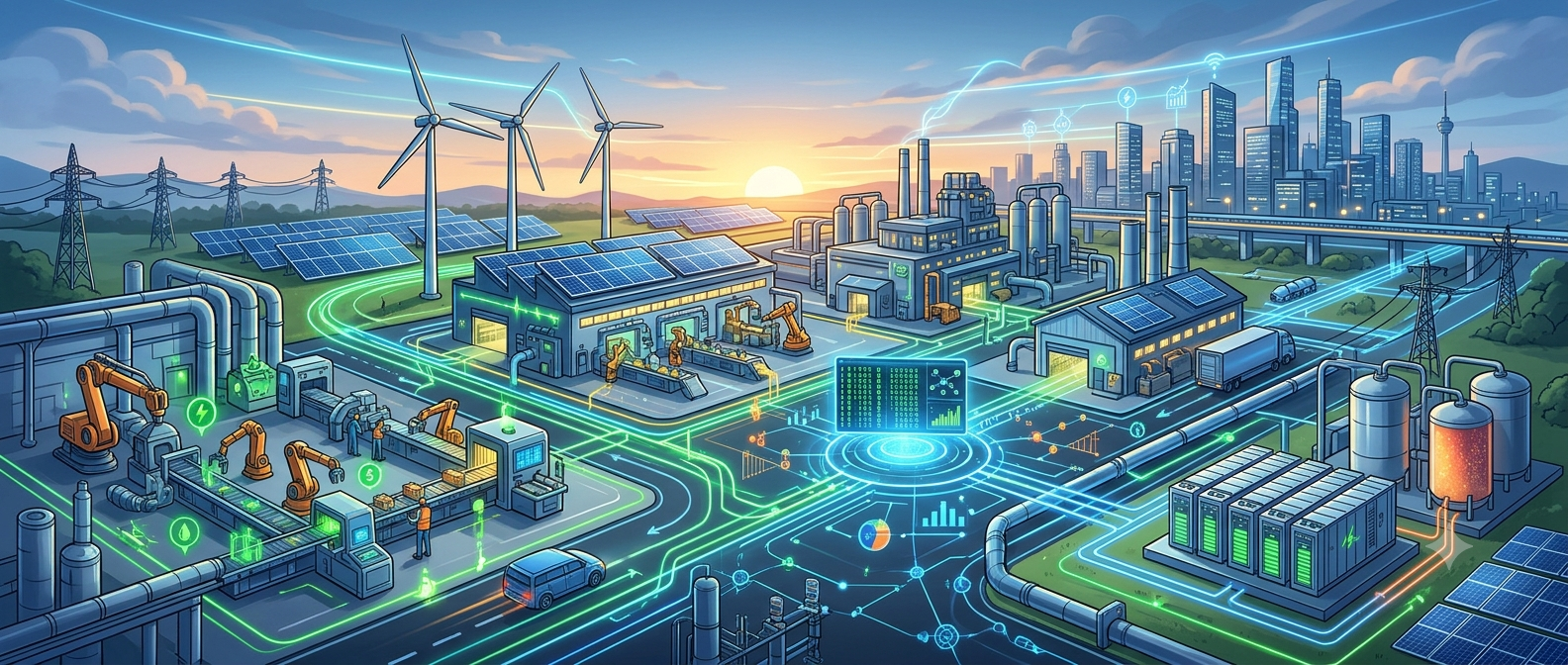
Energy optimisation is an important part of modern industrial and business operations. As energy consumption continues to increase, organisations are looking for effective ways to reduce energy costs, improve operational efficiency, and minimise environmental impact. It involves using energy resources more efficiently while maintaining the required performance, productivity, and comfort levels.
Industries such as manufacturing, oil and gas, power generation, construction, and water management depend on energy to operate equipment and industrial systems. By improving how energy is generated, distributed, and consumed, businesses can reduce unnecessary losses and achieve better operational results.
Energy optimisation is not simply about reducing energy usage. It focuses on identifying inefficient processes, improving equipment performance, and making informed decisions that support long-term energy savings.
What Is Energy Optimisation?
Energy optimisation is the process of analysing and improving energy consumption to achieve maximum efficiency with minimum waste. It involves monitoring energy usage, identifying areas of high consumption, and implementing suitable technologies and operational improvements.
The main objective is to ensure that energy is used effectively without affecting the quality, safety, or productivity of operations.
For example, an industrial facility may use pumps, compressors, motors, boilers, and ventilation systems that consume large amounts of electricity and fuel. Optimising these systems can reduce unnecessary energy consumption while maintaining their required output.
Energy optimisation can be achieved through equipment upgrades, automation, preventive maintenance, process improvements, and continuous energy monitoring.
Why Is Energy Optimisation Important?
Energy optimisation provides several advantages for industries and businesses. It supports cost reduction, operational reliability, environmental responsibility, and better resource management.
1. Reduction in Energy Costs
Energy consumption represents a significant operating expense for many organisations. Inefficient equipment and poorly managed processes can increase electricity and fuel bills.
Optimising energy usage helps identify unnecessary consumption and reduce operating expenses. Even small improvements in equipment efficiency can generate considerable savings over time.
2. Improved Operational Efficiency
Energy-efficient equipment and processes can improve overall system performance. When machines operate within their recommended operating conditions, they can deliver better output with less energy.
This also helps industries improve productivity and reduce unnecessary equipment stress.
3. Environmental Protection
Excessive energy consumption can increase greenhouse gas emissions, particularly when energy comes from fossil fuels.
Energy optimisation reduces the amount of energy required for operations, helping organisations lower their carbon footprint and support environmental sustainability.
4. Better Equipment Reliability
Equipment operating under inefficient conditions may experience excessive heat, vibration, pressure, or mechanical stress.
Energy optimisation helps maintain suitable operating conditions, reducing unnecessary wear and improving equipment reliability.
5. Sustainable Business Growth
Businesses that manage energy efficiently can improve their long-term financial and environmental performance. Reduced operating costs and better resource utilisation also support business competitiveness.
Difference Between Energy Efficiency and Energy Optimisation
Energy efficiency and energy optimisation are closely related, but they are not exactly the same.
Energy efficiency focuses on reducing the amount of energy required to perform a specific task. For example, replacing a conventional motor with a high-efficiency motor can reduce electricity consumption.
Energy optimisation focuses on improving the complete energy-use process. It considers equipment performance, operating schedules, energy demand, control systems, and the relationship between different processes.
In simple terms, energy efficiency improves individual equipment performance, while energy optimisation improves the overall energy management of a facility.
Major Techniques Used in Energy Optimisation
Different engineering methods and technologies can help industries achieve better energy performance.
1. Energy Audits and Consumption Analysis
An energy audit is the first step in identifying energy-saving opportunities. It involves examining the energy consumption of equipment, production systems, lighting, heating, cooling, and other facility operations.
Engineers analyse energy bills, operating schedules, equipment ratings, and consumption patterns to identify areas where energy is being wasted.
The results help organisations prepare an energy improvement plan based on actual operating requirements.
2. Optimisation of Pumps and Motors
Pumps and electric motors are widely used in industrial applications, including water treatment, chemical processing, manufacturing, and HVAC systems.
Incorrect pump sizing, worn components, leakage, and inefficient motor operation can increase energy consumption.
Some important optimisation methods include:
Selecting pumps according to actual flow and pressure requirements.
Using variable frequency drives (VFDs) to control motor speed.
Maintaining proper alignment and lubrication.
Reducing unnecessary pressure losses in pipelines.
Monitoring pump performance and operating conditions.
Correct pump selection and regular maintenance can significantly reduce energy waste over the equipment's operating life.
Grundfos
3. HVAC System Optimisation
Heating, ventilation, and air conditioning systems consume considerable energy in commercial buildings and industrial facilities.
Energy consumption can be reduced by using efficient chillers, optimising cooling loads, improving insulation, maintaining air filters, and controlling ventilation according to occupancy and operational requirements.
Building Management Systems (BMS) can also monitor temperature, humidity, equipment operation, and energy consumption to maintain suitable indoor conditions.
4. Demand-Side Management and Peak Load Reduction
Demand-side management involves controlling when and how energy is consumed.
Industries can schedule energy-intensive activities during off-peak periods when electricity demand and tariffs may be lower.
Peak shaving is another useful technique. It reduces maximum electricity demand by shifting selected loads, using energy storage, or managing equipment operation.
These approaches help organisations control electricity expenses and reduce pressure on the power supply system.
5. Renewable Energy Integration
Renewable energy sources such as solar, wind, and biomass can support industrial energy optimisation.
Installing solar panels, integrating battery storage, and using suitable energy management systems can help businesses reduce dependence on conventional electricity sources.
Energy storage systems also allow organisations to store surplus renewable electricity and use it when energy demand increases.
Role of Digital Technologies in Energy Optimisation
Modern digital technologies have made energy management more accurate and effective. They allow engineers to collect operational data, identify inefficiencies, and make informed decisions.
Some important technologies include:
Smart Meters: Measure electricity consumption and provide detailed information about energy usage.
IoT Sensors: Monitor equipment parameters such as temperature, pressure, vibration, and operating conditions.
Energy Management Systems (EMS): Collect and analyse energy data across different facility operations.
Artificial Intelligence (AI): Identify consumption patterns and support predictive energy management.
Automation Systems: Adjust equipment operation according to actual demand and operating conditions.
These technologies help organisations move from manual energy monitoring towards continuous and data-driven optimisation.
Steps to Implement an Energy Optimisation Programme
A successful energy optimisation programme requires proper planning, engineering analysis, and continuous monitoring.
Assess Energy Consumption: Identify all major energy-consuming equipment and processes.
Conduct an Energy Audit: Examine existing systems and identify energy losses.
Establish a Baseline: Record current energy consumption to measure future improvements.
Identify Improvement Opportunities: Evaluate equipment upgrades, process changes, automation, and operational adjustments.
Set Energy-Saving Targets: Establish measurable goals based on operational requirements.
Implement Improvements: Introduce suitable technologies and engineering solutions.
Monitor Performance: Compare actual energy consumption with the established baseline.
Review and Improve: Regularly evaluate results and identify additional opportunities.
Employee awareness and technical training are also important because energy-saving practices depend on the people operating and maintaining industrial systems.
Challenges in Energy Optimisation
Although energy optimisation offers several benefits, organisations may face challenges during implementation.
Some common challenges include:
High Initial Investment: Upgrading equipment and installing automation systems may require significant capital.
Limited Energy Data: Without accurate consumption records, identifying energy losses can be difficult.
Outdated Equipment: Older machinery may have limited compatibility with modern energy management technologies.
Lack of Technical Knowledge: Employees may require specialised training to operate and maintain energy-efficient systems.
Operational Restrictions: Changes in production schedules and equipment settings must not affect product quality or safety.
These challenges can be addressed through proper energy planning, technical assessments, employee training, and a phased implementation approach.
Future of Energy Optimisation in Engineering
The future of energy optimisation will increasingly depend on automation, artificial intelligence, renewable energy, and advanced monitoring technologies.
Smart factories will use connected equipment and intelligent control systems to balance energy demand with production requirements. Predictive maintenance will help engineers identify equipment inefficiencies before they lead to major failures.
The integration of renewable energy, battery storage, and smart grids will also create opportunities for industries to improve energy independence.
As sustainability becomes an important business priority, energy optimisation will continue to play a major role in industrial development and engineering innovation.
Conclusion
Energy optimisation is an essential practice for improving industrial performance, reducing operating expenses, and supporting environmental sustainability. It combines engineering knowledge, energy monitoring, equipment maintenance, automation, and process improvements to achieve better energy utilisation.From optimising pumps and motors to improving HVAC systems and integrating renewable energy, every improvement can contribute to reducing unnecessary energy consumption.For modern industries, energy optimisation should be treated as a continuous process rather than a one-time activity. Regular assessments, performance monitoring, and technological improvements can help organisations achieve long-term energy savings while maintaining productivity and operational reliability.
