

Article details
Introduction
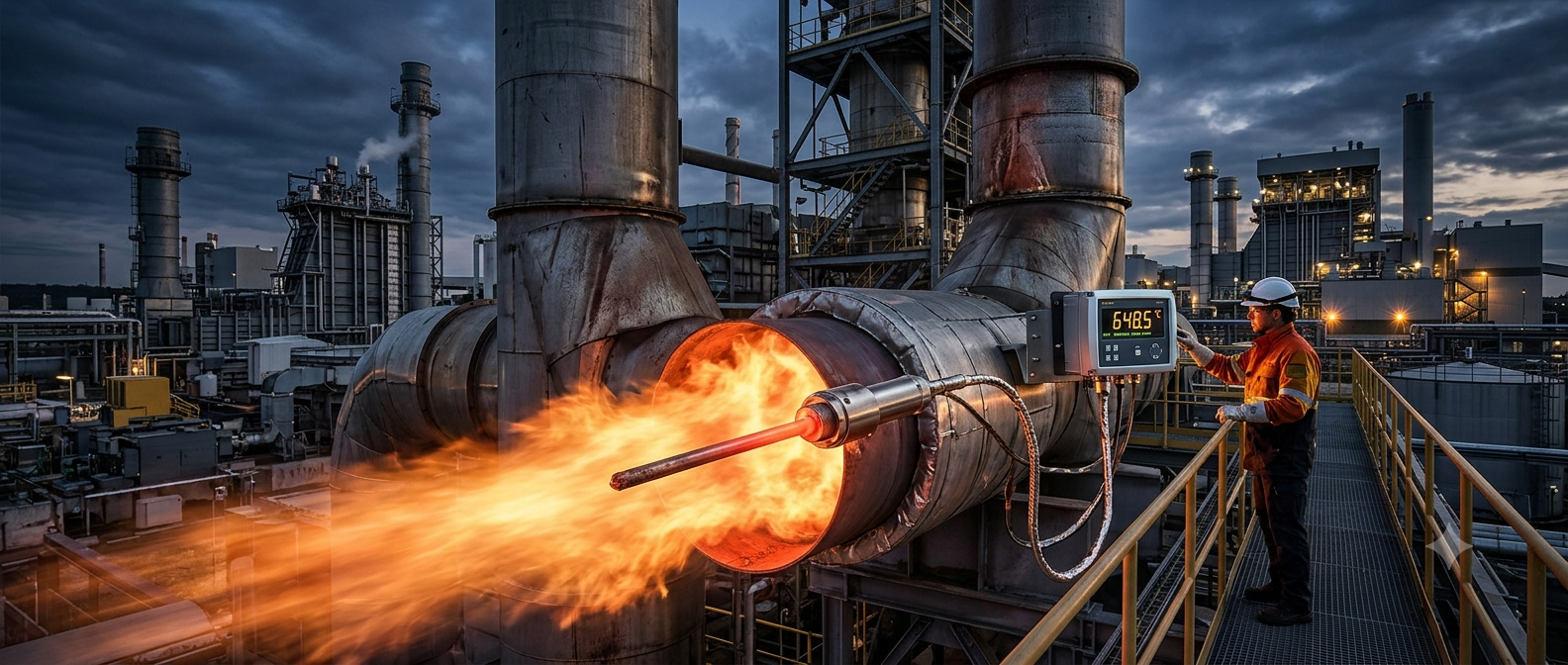
Fuel exhaust temperature is an important parameter in combustion systems, engines, furnaces, boilers, and industrial incinerators. It indicates how much heat remains in the gases after fuel combustion and how efficiently the system uses the available energy.
Understanding exhaust temperature helps engineers improve energy efficiency, protect equipment, control emissions, and maintain safe operating conditions. The temperature varies depending on the type of fuel, combustion conditions, equipment design, and heat recovery methods.
What Is Fuel Exhaust Temperature?
Fuel exhaust temperature is the temperature of gases leaving a combustion chamber, engine, furnace, boiler, or incineration system. These gases contain combustion products such as carbon dioxide, water vapour, nitrogen, and, depending on operating conditions, excess oxygen and other compounds.
During combustion, the chemical energy stored in fuel is converted into heat. Some of this heat is transferred to the equipment or process, while the remaining heat leaves with the exhaust gases.
A high exhaust temperature may indicate that a significant amount of heat is escaping without being used. However, the correct operating temperature depends on the specific equipment and process requirements.
Factors Affecting Fuel Exhaust Temperature
Several factors influence the temperature of exhaust gases in industrial and mechanical systems.
1. Type of Fuel
Different fuels produce different combustion characteristics. Natural gas, petrol, diesel, coal, and other industrial fuels vary in their chemical composition, heating value, moisture content, and combustion behaviour.
These differences affect flame temperature, the amount of heat released, and the temperature of the resulting exhaust gases.
2. Air-to-Fuel Ratio
The air-to-fuel ratio determines how much air is supplied for combustion. Insufficient air can result in incomplete combustion, while excessive air can increase the quantity of gas that must be heated and discharged.
Both conditions can reduce overall efficiency. Engineers adjust the air supply to achieve stable combustion, low emissions, and suitable exhaust temperatures.
3. Combustion Temperature
Combustion temperature is the temperature reached during the fuel-burning process. It is different from exhaust temperature because the gases cool as they transfer heat to surrounding surfaces and process materials.
Flame temperature can be considerably higher than the temperature measured at the exhaust outlet. The difference depends on combustion conditions, heat transfer, and equipment design.
4. Equipment Design and Operating Conditions
Engine load, burner design, insulation, combustion chamber size, and heat exchanger performance all influence exhaust temperature.
For example, an industrial furnace operating at a high process temperature may produce hotter exhaust gases than a system designed for low-temperature heating. Changes in load or fuel supply can also affect the measured temperature.
5. Heat Recovery
Heat recovery systems capture energy from hot exhaust gases and reuse it for heating, steam generation, or combustion-air preheating.
When heat recovery is effective, the exhaust temperature after the heat exchanger may decrease. This can improve overall energy utilisation and reduce fuel consumption.
Typical Exhaust Temperatures for Different Fuels
Exhaust temperatures vary widely according to the application. A fuel does not have one fixed exhaust temperature because the same fuel can be burned in different equipment under different operating conditions.
For example, exhaust temperatures from internal combustion engines depend on engine load, exhaust-system location, and operating speed. Boiler and furnace exhaust temperatures depend on heat transfer, fuel characteristics, and process requirements.
The following table provides a general comparison of combustion applications.
Application | Main temperature influences |
|---|---|
Natural gas burners | Air-to-fuel ratio, burner design, and heat transfer |
Diesel engines | Engine load, combustion conditions, and exhaust location |
Petrol engines | Engine speed, load, and exhaust-system design |
Industrial boilers | Steam demand, fuel type, and heat exchanger performance |
Furnaces and kilns | Process temperature, insulation, and material heating requirements |
Fume incinerators | Contaminant composition, required treatment temperature, and residence time |
Engineers should use equipment-specific operating data rather than relying on a general temperature value. Flame temperature, combustion-chamber temperature, and exhaust temperature should also be treated as separate measurements.
How Is Exhaust Temperature Measured?
Accurate temperature measurement is essential for monitoring combustion performance and identifying operating problems.
Thermocouples
Thermocouples are widely used in industrial temperature measurement. They consist of two different metal conductors that generate a measurable voltage related to temperature.
They are suitable for many engine exhausts, furnaces, boilers, and industrial combustion systems. The sensor must be selected according to the expected temperature range, gas composition, and operating environment.
Resistance Temperature Detectors
Resistance temperature detectors (RTDs) measure temperature through changes in electrical resistance. They are commonly used where stable and accurate measurements are required within their suitable temperature range.
Infrared Temperature Sensors
Infrared sensors measure thermal radiation from a surface without direct contact. They are useful for checking accessible hot surfaces and certain process conditions.
However, measuring the temperature of exhaust gas itself requires suitable equipment and a clear understanding of the sensor's measurement limitations.
Correct Sensor Placement
Sensor location is important because temperature can vary throughout a combustion system. Measurements taken close to the flame may be much higher than those taken after a heat exchanger or near the final exhaust outlet.
For meaningful comparisons, engineers should record the sensor location, equipment load, fuel type, and operating conditions along with the temperature reading.
