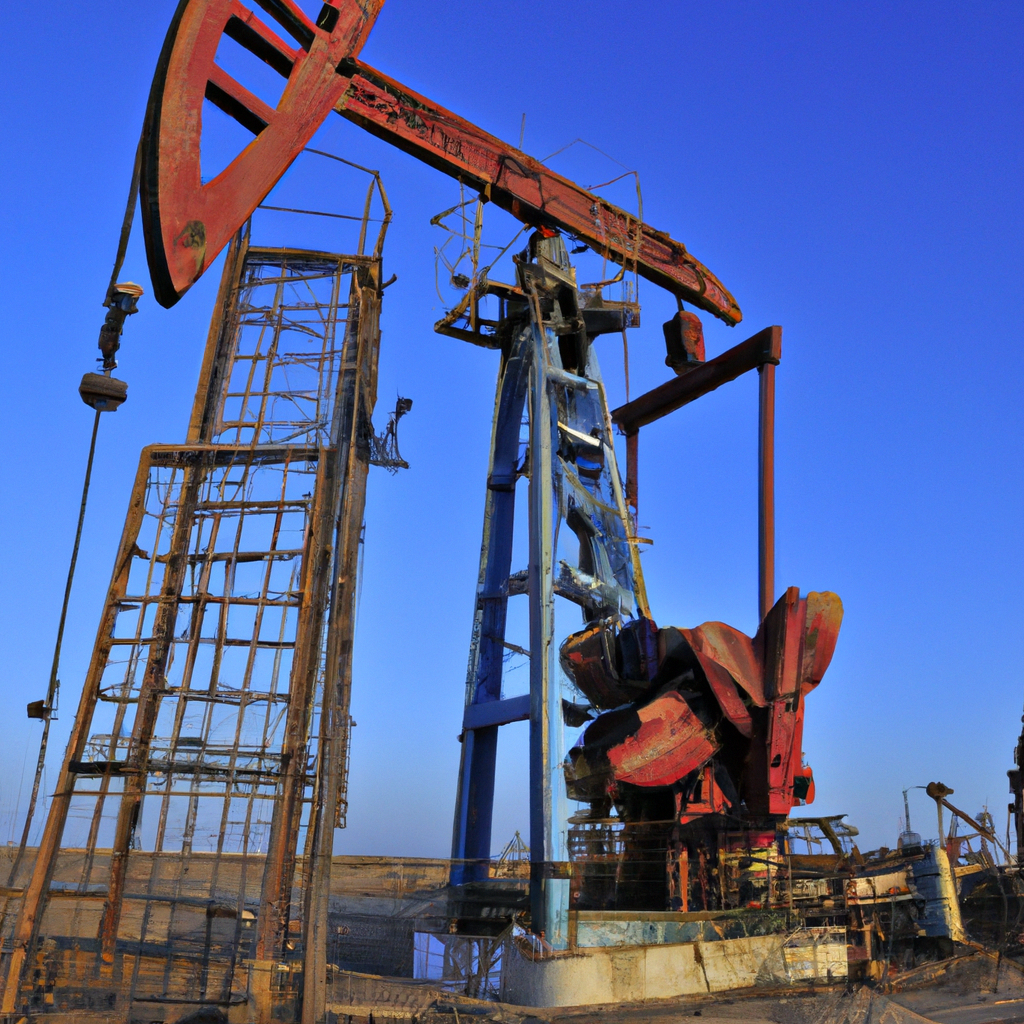
Fundamentals of Oil & Gas Well Logging
Fundamentals of Oil & Gas Well Logging
- Lifetime access
- Certificate of completion
- Foundational Learning
- Access to Study Materials
Why enroll
What enrolled engineers say
Years in eng make padding obvious; this wasn’t that. From a team lead angle, the Gamma Ray vs Resistivity crossover example in the “Basic Log Types” section stuck because it mapped cleanly to decision thresholds we argue about in prod, not theory. The beginner pacing mostly worked, though I wasn’t sold on the short detour into tool arch without more obs context, and a quick nod to data quality checks would’ve helped. gets better as you move past the first modules, and the price felt fair for onboarding folks touching oilgas data.
The emphasis on keeping interpretations maintainable clicked for me, especially mapping logs to repeatable checks instead of one-off calls. The moment that stuck was the Chapter 3 walkthrough where the Gamma Ray vs SP overlay flags shale breaks, then ties it back to the Archie equation example for resistivity; seeing the math meet the plot helped. It's mostly clear, though I wasn't sold on how briefly borehole corrections were handled. I've already mirrored a few of those sanity checks in a repo PR this week, wired into CI so prod data doesn't drift.
Your instructor
Team OG
Oil & Gas Domain
Upstream Oil & Gas Technical Professional
Is this course for you?
You should take this if
- You work in Oil & Gas Upstream
- You're a Petroleum Technology / Geoscience professional
- You prefer self-paced learning you can revisit
You should skip if
- You need a different specialisation outside Petroleum Technology
- You need live interaction with an instructor
Course details
Course suitable for
Course content
The course is readily available, allowing learners to start and complete it at their own pace.
- Introduction to Oil and Gas Well Logging and Measurements32 min
Opportunities that await you!
Career opportunities
Why people choose EveryEng
Industry-aligned courses, expert training, hands-on learning, recognized certifications, and job opportunities-all in a flexible and supportive environment.
What learners say about this course

The ESP sizing walkthrough in Chapter 3 bridged textbook curves to field prod; it's mostly clear, though nodal analysis coverage felt thin.

Came away with a cleaner mental map of how lift options fit together, which helps when aligning subsurface choices with surface arch and infra constraints. The beginner framing works for cross-functional leads; I could map ESPs, gas lift, and rod pumps to prod phases without getting lost. The ESP sizing walkthrough in the mid-course section, using the 1,500 bpd example and flagging how free gas skews the curve, stuck because it mirrors the kind of back-of-napkin check we do before a PR. Wasn't sold on the skim coverage of failure diagnostics; a bit more on dynacards and basic obs would help when talking to ops. As a TeamLead, it's useful for setting expectations with juniors and vendors, especially around cost tradeoffs vs uptime in prod. I don't think it's magic anymore, just mechanics I can reason about under the hood.

Between client calls, this course clicked in a few ways I didn’t expect, mostly around how early constraints forced performance tuning before anyone called it that. The section on the shift from cable-tool to rotary drilling stuck, especially the bit on rate-of-penetration tradeoffs; it mapped cleanly to how I think about RPS vs cost in prod. I kept pausing to jot notes on arch decisions, like how exploration risk was managed when obs was thin and feedback loops were slow—felt familiar from shipping without good metrics. I wasn’t sold on the pacing in the mid-century offshore chapter, and I wished there was a tighter bridge to modern shale ops, but that’s nitpicking. still, the historical examples made me rethink a few defaults in our infra and CI checks. I’ve got a repo note open to tweak some logic based on how incremental gains compounded over decades here.

The scenarios felt close to real ops, less museum tour and more “what breaks at 2am,” which kept me engaged. Chapter 4’s Spindletop blowout walkthrough stuck: pressure assumptions, bad comms, and how a single valve choice cascaded, mapped cleanly to how prod incidents spiral when arch and infra aren’t aligned. As a bootcamp grad, I liked the framing that treats wells like systems with RPS limits and failure modes; the sidebar comparing early field logs to modern obs made the history click. It wasn’t perfect; I wasn’t sold on the brief detour into contract law, and I wished there was a bit more on offshore safety metrics tied to CI-style checklists. still, the cross-links to pipeline corrosion at Prudhoe Bay and the “postmortem” format felt like reading a PR review after an outage—one em-dash moment where history meets ops. I’ve been carrying that mindset back into how I poke at system-level issues without jumping straight to fixes.


 Oct 2, 2026