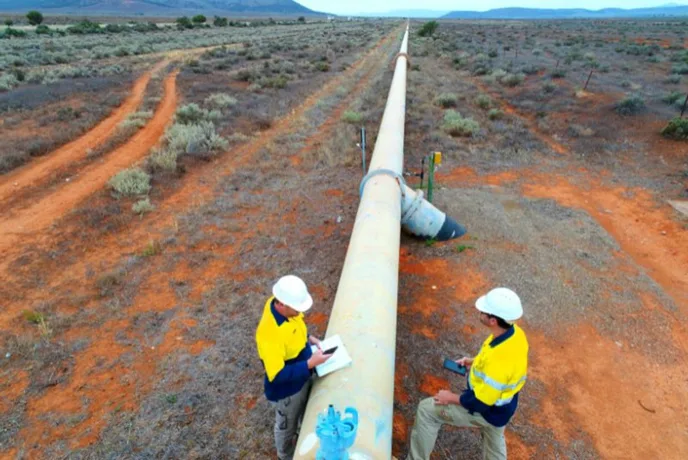
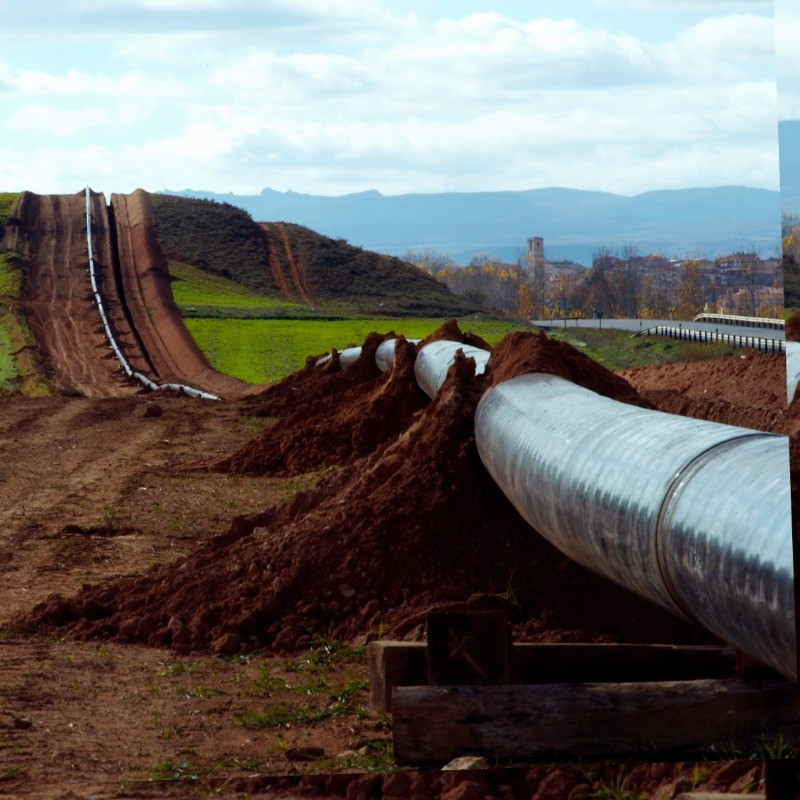
Onshore Pipeline Engineering: A Career Guide
Onshore Pipeline Engineering: A Career Guide
- Lifetime access
- Certificate of completion
- Foundational Learning
- Access to Study Materials
Why enroll
What enrolled engineers say
Chapter 4's MAOP calc walkthrough made pipeline basics click; it's mostly practical, though I wished for more on integrity digs.
Came in to sanity-check it for L&D spend and ended up learning more than expected, bridging old field heuristics with how we explain infra choices now. The pressure design chapter stuck, especially the worked Barlow’s formula example where they tweak safety factors and show how wall thickness shifts under a small RPS change. It’s beginner oilgas, but the arch framing maps cleanly to how we review specs in a repo and tighten PRs—my notes are clearer already. Mostly worked; I wasn't sold on the short integrity management section and wished for more on ILI tradeoffs.
Good orientation to oilgas pipeline infra; the Chapter 2 table comparing ASME B31.4 vs B31.8 and the MAOP calc example stuck. As a beginner guide it's mostly fine, but I wasn't sold on the permitting section—wished there was more on ROW sequencing and how it shows up in early arch decisions.
Is this course for you?
You should take this if
- You work in Oil & Gas Upstream
- You're a Onshore Pipeline Engineering / Petroleum Technology professional
- You prefer self-paced learning you can revisit
You should skip if
- You need a different specialisation outside Onshore Pipeline Engineering
- You need live interaction with an instructor
Course details
Course suitable for
Key topics covered
Course content
The course is readily available, allowing learners to start and complete it at their own pace.
- All abouts Pipeline Engineering24 min
- Types of Pipeline Systems30 min
- Pipeline Projects - Lifecycle18 min
- Key Skills - Pipeline Engineering18 min
Opportunities that await you!
Career opportunities
Why people choose EveryEng
Industry-aligned courses, expert training, hands-on learning, recognized certifications, and job opportunities-all in a flexible and supportive environment.


 Aug 29, 2026