Technical Courses

Soft-Skills Trainings

Seminar & Conferences

Articles & Blogs

Jobs / Hiring

Internship Options

Project Based Freelancing

Communities & Consultation

Product image

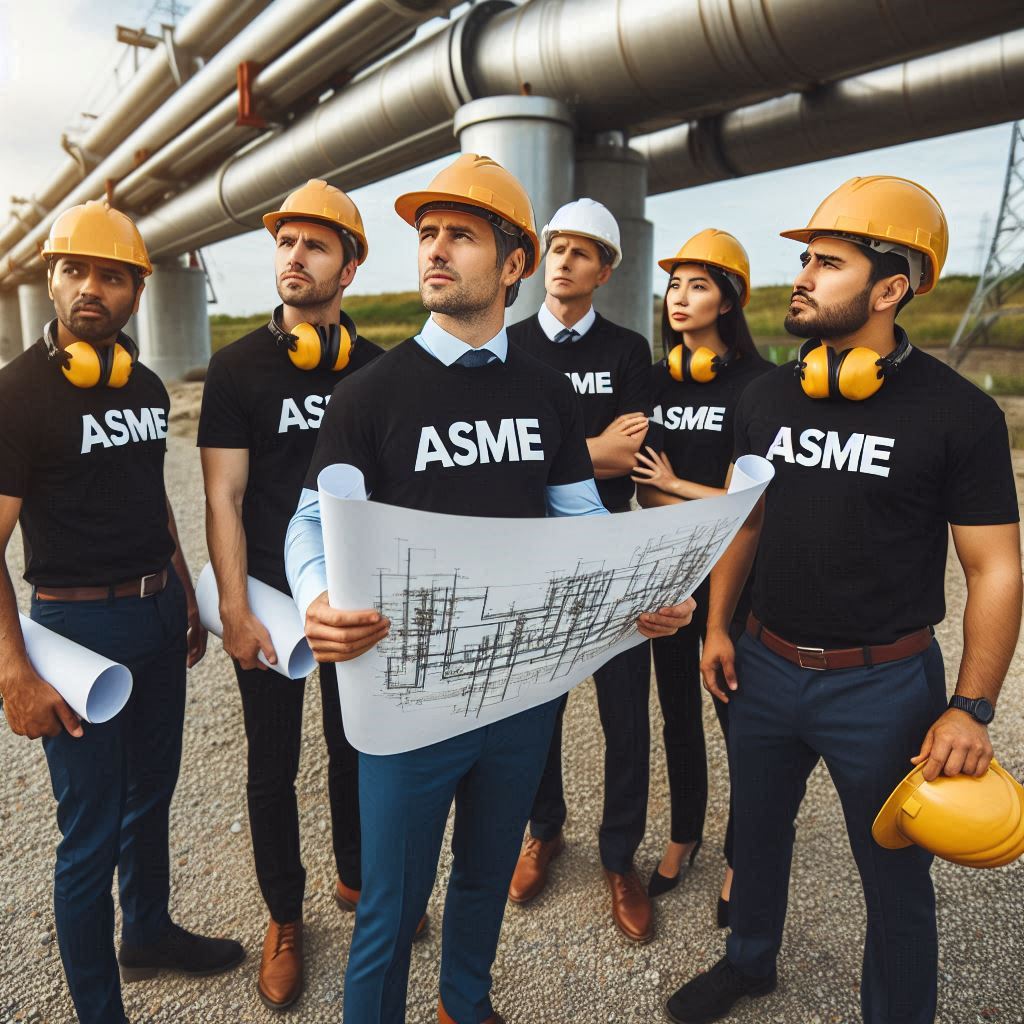
Pipeline (ASME B31.4 / 31.8)

$ 20

1 already enrolled!

Product image

Pipeline (ASME B31.4 / 31.8)

  • Trainers feedback

    5

    (1 reviews)

  • Course type

    Instructor led live training

  • Course duration

    2 Hrs

  • Course start date & time

    Coming in Next Month

  • Language

    English

Why enroll

Achieving expertise in Pipeline (ASME B31.4 / 31.8) can significantly enhance your career in pipeline engineering, leading to roles like Pipeline Engineer, Pipeline Integrity Manager, or Transportation Engineer, with median salaries ranging from $100,000 to over $160,000. With this training, you'll gain in-depth knowledge of designing, constructing, and maintaining liquid and gas pipelines, ensuring compliance with ASME B31.4 and B31.8 standards. This expertise will also equip you to analyze pipeline integrity, develop repair plans, and optimize system performance. As a certified professional, you'll be highly sought after by industries like oil and gas, energy, and transportation, where pipeline safety and reliability are paramount.

Opportunities that awaits you!

Certificate thumbnail

Earn a course completion certificate

Add this credential to your LinkedIn profile, resume, or CV. Share it on social media and in your performance review

Career opportunities

Course details

This comprehensive course explores ASME B31.4 and ASME B31.8, the standards governing the design, construction, and operation of pipelines for the transportation of liquids and gases. Designed for engineers, designers, and safety professionals, the course covers the essential principles and requirements for pipeline systems as specified in these standards, emphasizing best practices, compliance, and safety considerations.

Course suitable for

  • Aerospace
  • Automotive
  • Mechanics & Turbomachinery
  • Chemical & Process
  • Mechanical
  • Piping & Layout

Key topics covered

  1. Introduction to ASME B31.4 and ASME B31.8

    • Overview of ASME B31.4 and ASME B31.8 and their roles in pipeline design and operation

    • Differences and similarities between ASME B31.4 (Liquid Pipelines) and ASME B31.8 (Gas Pipelines)

    • Scope, applicability, and structure of the codes

    • Regulatory authorities governing pipeline design and operation (e.g., PHMSA, DOT, API)

    • Key concepts in pipeline safety, risk management, and compliance

  2. Pipeline Design Principles

    • Design criteria for pipeline systems, including pressure, temperature, and environmental factors

    • Material selection for pipeline construction based on ASME B31.4 / B31.8 requirements

    • Stress analysis and calculation methods for pipeline design

    • Pipeline safety factors and design margins

    • Determining appropriate wall thickness, internal pressure ratings, and external loadings

    • Design considerations for buried and above-ground pipelines

    • Design of pipeline supports, anchors, and valve installations

  3. Pipeline Materials and Components

    • Materials commonly used for pipelines: carbon steel, alloy steel, composite materials, etc.

    • Material specifications and requirements per ASME B31.4 / B31.8

    • Selection of valves, fittings, flanges, and other pipeline components

    • Material testing, certification, and traceability requirements

    • Corrosion-resistant materials and coatings for pipeline protection

    • Special considerations for cryogenic, high-pressure, and high-temperature pipelines

  4. Pipeline Construction Practices

    • Overview of the pipeline construction process: from site preparation to installation

    • Excavation, trenching, and routing considerations for buried pipelines

    • Welding methods and practices for pipeline construction

    • Pipe alignment, fit-up, and welding procedure specifications (WPS)

    • Construction of above-ground and underground pipelines

    • Pipeline installation near water bodies, roads, and populated areas

    • Safety protocols for construction workers and equipment operators

    • Quality control during construction: ensuring compliance with ASME B31.4 / B31.8

  5. Pipeline Testing and Inspection

    • Types of tests required by ASME B31.4 / B31.8 (e.g., hydrostatic testing, pneumatic testing)

    • Pre-commissioning pipeline tests to ensure structural integrity and leak-tightness

    • Non-destructive testing (NDT) methods for pipeline welds and materials (e.g., ultrasonic, radiographic, magnetic particle testing)

    • Inspection protocols for detecting defects such as cracks, corrosion, and deformation

    • Inspection during construction and post-construction for compliance with standards

    • Pipeline integrity testing during operation (e.g., internal inspection using pigs)

    • Recordkeeping and documentation of test results and inspections

  6. Pipeline Operations and Maintenance

    • Ongoing operation and monitoring of pipeline systems

    • Leak detection and pressure monitoring systems

    • Maintenance programs for pipeline systems: corrosion monitoring, cathodic protection, and more

    • Risk management and mitigation strategies for pipeline operation

    • Developing and implementing emergency response plans for pipeline failures or spills

    • Routine inspections, including visual, ultrasonic, and internal inspections

    • Managing aging pipelines and planning for pipeline replacement or rehabilitation

    • Managing pipeline systems in harsh environments (e.g., offshore, Arctic, desert regions)

  7. Pipeline Safety and Risk Management

    • Safety factors in pipeline design, construction, and operation

    • Identifying and assessing pipeline risks (e.g., environmental impact, structural failure, third-party damage)

    • Risk-based decision-making in pipeline maintenance and replacement

    • Safety measures for preventing pipeline leaks, ruptures, and explosions

    • Environmental and community safety considerations (e.g., pipeline routing, impact assessments)

    • Emergency response planning: detection, isolation, and containment of pipeline incidents

    • Public awareness programs and stakeholder communication

  8. Regulatory Compliance and Documentation

    • Regulatory requirements for pipeline construction and operation (e.g., DOT, PHMSA, API)

    • ASME B31.4 / B31.8 compliance with federal, state, and local regulations

    • Environmental impact assessments and permits required for pipeline projects

    • Documentation and reporting requirements for pipeline operations and inspections

    • Certification requirements for pipeline components and materials

    • Post-construction and operational compliance audits

    • Understanding the role of pipeline operators, contractors, and regulators in ensuring compliance

  9. Pipeline Integrity Management Programs

    • Introduction to pipeline integrity management and its importance in long-term pipeline safety

    • Developing an Integrity Management Program (IMP) in accordance with ASME B31.8 and industry best practices

    • Risk-based integrity assessments and inspections

    • Analyzing and addressing pipeline defects and degradation

    • Using integrity management tools (e.g., smart pigging, pressure testing, corrosion monitoring)

    • Failure analysis and corrective actions for pipeline incidents

    • Performance tracking and continuous improvement of pipeline integrity

  10. Challenges in Pipeline Design, Construction, and Operation

    • Addressing challenges such as fluctuating material costs, changing environmental conditions, and regulatory shifts

    • Technological advances in pipeline monitoring and inspection (e.g., drones, AI, robotics)

    • The role of sustainability and environmental concerns in pipeline projects

    • Managing pipeline security threats (e.g., sabotage, cyber-attacks)

    • International considerations for cross-border pipeline construction and operations

Training details

This is a live course that has a scheduled start date.

Live session

Why people choose EveryEng

Industry-aligned courses, expert training, hands-on learning, recognized certifications, and job opportunities—all in a flexible and supportive environment.

$ 20

- $ 0 Early bird discount

Coming in Next Month

Questions and Answers