Search icon
Search icon

Technical Courses

Soft-Skills Trainings

Seminar & Conferences

Articles & Blogs

Jobs / Hiring

Internship Options

Project Based Freelancing

Communities & Consultation

Product image

Well Intervention - Oil and Gas Well Completions
Team OG

Team OG

Upstream Oil & Gas Technical Professional

$ 12

1 already enrolled!

Product image

Well Intervention - Oil and Gas Well Completions

  • Trainers feedback

    0

    (0 reviews)

    Team OG

    Team OG

    Upstream Oil & Gas Technical Professional

  • Course type

    Instructor led live training

  • Course duration

    1 Hrs

  • Course start date & time

    Coming in Next Month

  • Language

    English

Why enroll

Opportunities that awaits you!

Certificate thumbnail

Earn a course completion certificate

Add this credential to your LinkedIn profile, resume, or CV. Share it on social media and in your performance review

Career opportunities

Course details

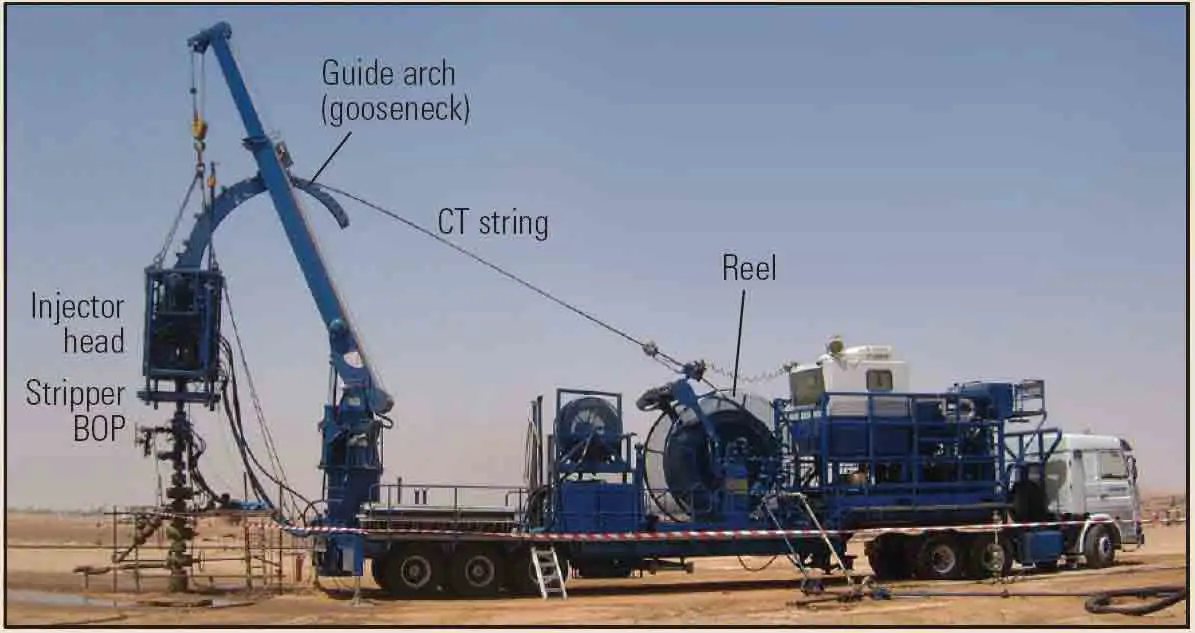
Oil and Gas Well interventions such as wireline or coiled tubing are common and important operations. This course will provide details on the different reasons for performing well interventions, for instance, the use of well intervention during construcion of compleion string, during well integrity and repair operations, for removal of debris or obstruction, etc.

Course suitable for

  • Oil & Gas
  • Mechanical
  • Petroleum
  • Chemical & Process

Key topics covered

  • Definition and Background

  • Purpose and Requirements

  • Types of Intervention


Training details

This is a live course that has a scheduled start date.

Live session

Why people choose EveryEng

Industry-aligned courses, expert training, hands-on learning, recognized certifications, and job opportunities—all in a flexible and supportive environment.

$ 12

- $ 0 Early bird discount

Coming in Next Month

Questions and Answers

Q: How do you decide which well intervention technique to use for a given well?

A: The selection depends on multiple factors including well type (vertical or horizontal), well pressure and temperature, the nature of the problem to be addressed, cost considerations, and safety. For example, wireline is often used for simple data acquisition or minor repairs in low-pressure wells. Coiled tubing is preferred for more complex operations or when continuous circulation is needed. Snubbing is selected for high-pressure wells requiring pipe insertion under pressure. Evaluating these parameters helps engineers choose the safest and most economical approach. Industry standards and case studies, such as those published in SPE papers, provide decision frameworks.