
Control of Machinery and Vehicle Vibrations
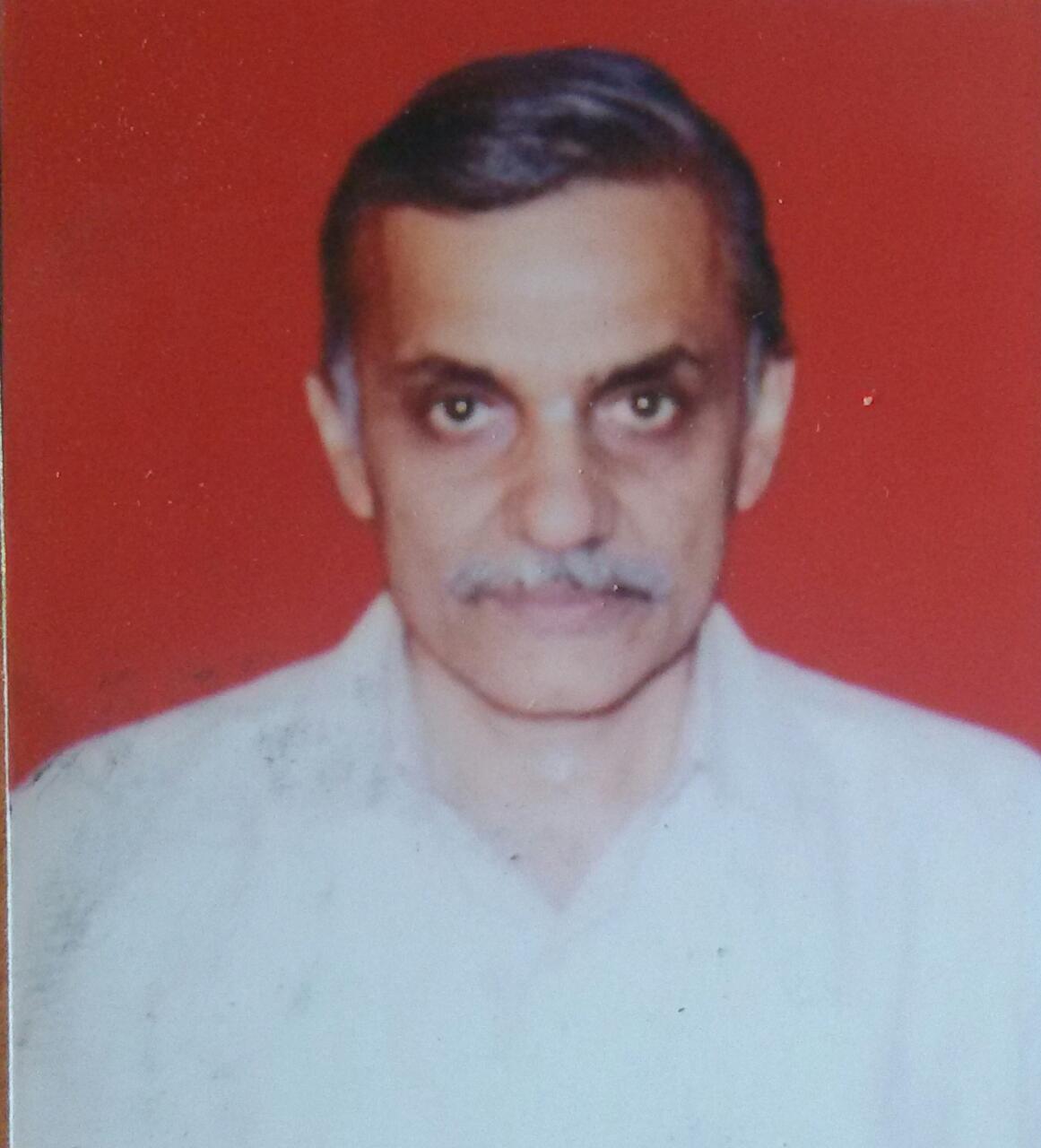
MILIND AMBARDEKAR
Consultant
$ 100
3 already enrolled!
Intermediate course for learners

Interactive Video Lessons

Completion Certificate

Learn from Industry Expert
Control of Machinery and Vehicle Vibrations
Why enroll
Opportunities that awaits you!

Earn a course completion certificate
Add this credential to your LinkedIn profile, resume, or CV. Share it on social media and in your performance review
Career opportunities
Course content
The course is readily available, allowing learners to start and complete it at their own pace.

Lecture
15 Lectures
849 min
Introduction
Preview
20 min
Fundamentals of Resonance, Damping, Isolation of Structures
38 min
Free un-damped vibrations of a structure
64 min
Impulsive Responses
58 min
Damping Estimates
69 min
Rigid and flexible rotors with imbalance
52 min
Frequency Scale
62 min
Structure borne sound power
64 min
Vibration transfer path
64 min
Eigen Analysis of free undamped system
64 min
Modal Analysis
61 min
Vibration of continuous system
55 min
Root Cause Analysis in Industrial Vibration
57 min
Piston Slap
59 min
Commercial Vehicles - Vertical Dynamics
62 min
Course details
Course suitable for
Key topics covered
Our Alumni Work At








































































































Why people choose EveryEng
Industry-aligned courses, expert training, hands-on learning, recognized certifications, and job opportunities—all in a flexible and supportive environment.
- Industry Veteran
- Trainer Review

Halliburton
I had been looking for a reliable online platform for engineering courses, and EveryEng delivered beyond my expectations. The content is top-notch, the instructors are excellent, and the learning experience is seamless.

Harish Venugopal
Technical Professional
Bangalore, India

Worley
I’ve had an amazing experience with EveryEng! The courses are well-structured, insightful, and practical. The platform is perfect for anyone looking to advance their engineering career with industry-relevant skills.

Arghyapratim Haldar
Sr Process Engineer
Bangalore, India

SaiDeepa
I’m amazed by the depth of knowledge available on EveryEng. The platform covers various engineering topics in detail, making learning both exciting and rewarding. I would highly recommend it to everyone!

Kranthi Bolineni
COO
Hydrabad, India

ITER
The user experience on EveryEng is fantastic! The platform is simple, efficient, and provides excellent educational content. It helps developing new skills and gain confidence in engineering career.

Nirbhay Naik
Engineer
France

SaiDeepa
EveryEng has completely transformed the learning experience. The platform is easy to navigate, offers high-quality content, and provides great support. I highly recommend it to anyone looking to upskill in engineering.

Sunil Nukatti
CEO
Hydrabad, India